




Our clinicians will assess your consultation to ensure your health and safety is at the heart of your treatment plan.
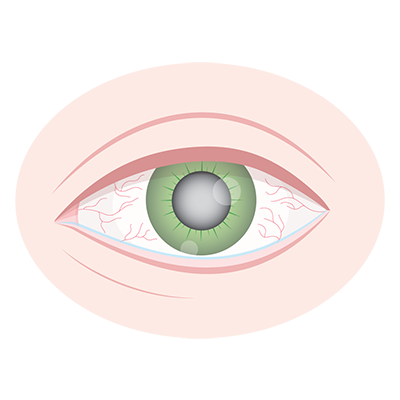
Buy effective Eye Glaucoma medications from Pharmacy Planet. Get relief from the symptoms of glaucoma with fast delivery to your doorstep. Order now!

It is the prescribers duty to ensure that the medicine is being used safely and appropriately. please answer a few questions about yourself to help us process your request.
Customer Service Team
Our customer service team is on hand Monday-Friday to help you with your queries.
Please call us on 08009788956 or
email us at: headoffice@pharmacyplanet.com


Answer a few questions on your health and your fitness goals.

Our clinicians will review your clinical questionnaire to make sure treatment is right for you.
Once approved, you will access our wealth of experience and resources curated by our team and begin your clinical journey.
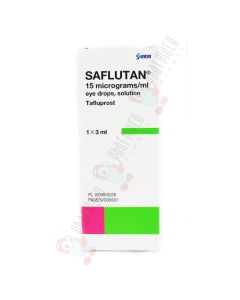
Saflutan (Tafluprost) is indicated for the reduction of elevated intraocular pressure in patients...
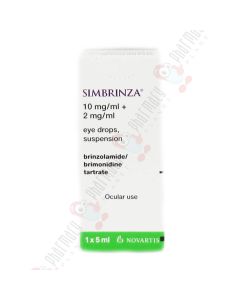
Simbrinza is an ocular solution containing two active ingredients: brinzolamide and brimonidine t...

Taptiqom is a medicinal eye drop solution that is indicated for the reduction of intraocular pres...
Timoptol is a non-selective beta-adrenergic receptor antagonist. It is used in the treatment of h...
Travatan (Travoprost) is a medicine that is used in ophthalmology to decrease intraocular pressur...
Trusopt (Dorzolamide) eye drop solution is a medicine used for the treatment of open-angle glauco...
Our clinicians will assess your consultation to ensure your health and safety is at the heart of your treatment plan.

Once approved, your medicine is shipped using 24-hour delivery. All our orders are dispatched in our plain and discreet packaging.

Throughout the program, our clinicians and coaches will be by your side to ensure you experience minimal side effects, find the perfect dosage for your needs, and address any questions you may have.

Whether you experience side effects you'd like to address or simply need a break, we empower you to take control of your journey. We'll pick things back up when you're ready.








Glaucoma is a group of eye diseases that damage the optic nerve, often due to increased intraocular pressure (IOP). This damage can lead to gradual vision loss, starting with peripheral vision and potentially progressing to complete blindness if untreated.
In the early stages, glaucoma often presents no noticeable symptoms. As the disease progresses, people may experience loss of peripheral vision, eye pain, blurred vision, halos around lights, and redness in the eye.
Glaucoma is diagnosed through a comprehensive eye exam that includes measuring IOP, inspecting the drainage angle of the eye, evaluating the optic nerve, and testing peripheral vision. Regular eye exams are crucial for early detection.
While glaucoma cannot be cured, treatments can slow or prevent vision loss. Options include prescription eye drops to lower IOP, oral medications, laser therapy, and surgical procedures. The choice of treatment depends on the type and severity of glaucoma.
Maintaining a healthy lifestyle can support glaucoma management. Regular exercise, a balanced diet rich in fruits and vegetables, avoiding smoking, and managing conditions like diabetes and hypertension can be beneficial. However, these should complement, not replace, medical treatments.
Risk factors include being over 60 years old, having a family history of glaucoma, being of African, Asian, or Hispanic descent, having high eye pressure, thin corneas, or chronic eye inflammation. Certain medical conditions like diabetes and hypertension also increased risk.

the items you wish to order

by our qualified prescriber

to your door step