



Bhupinder (Boo) Dhaliwale
Colestyramine/Questran
Questran (Colestyramine) helps reduce cholesterol (fatty acid) in the blood. High cholesterol levels are associated with an increased risk of heart disease and atherosclerosis (clogged arteries). Colestyramine is used to lower high blood cholesterol, particularly low-density lipoprotein (LDL) ("bad" cholesterol). Colestyramine powder is also used to treat itching caused by a blockage in the gallbladder ducts.

Consult

Select

Checkout
01
Select
the items you wish
to order
02
Order reviewed
by our qualified
prescriber
03
Delivered
to your door step
Your Selection
Please use the options provided to make your final selection.
Colestyramine/Questran
£45
Total

You’re almost there!
It is the prescribers duty to ensure that the medicine is being used safely and appropriately. please answer a few questions about yourself to help us process your request.
- Manesha
Customer Service Team
Confidentiality & Authenticity Assured
- Fully Regulated UK Pharmacy
- Authentic UK sourced medicines only.
- Trading for more than 10 years.
- Information Governance lead ensures all data is confidential
Need Help With Your Questionnaire?
Our customer service team is on hand Monday-Friday to help you with your queries.
Please call us on 08009788956 or
email us at: headoffice@pharmacyplanet.com
Price Comparison
Select your preferred options and see the best price
| Pack | Price (£) | ||
|---|---|---|---|
| Questran | - | 100 Sachets | 71.00 |
| Questran | - | 150 sachets | 97.00 |
| Questran | - | 50 Sachets | 39.00 |
| Questran Light | - | 100 Sachets | 84.00 |
| Questran Light | - | 150 sachets | 117.00 |
| Questran Light | - | 50 Sachets | 45.00 |
| Colestyramine (Generic) | - | 100 Sachets | 150.00 |
| Colestyramine (Generic) | - | 150 sachets | 220.00 |
| Colestyramine (Generic) | - | 50 Sachets | 80.00 |
It looks like you missed filling in questions from the last consultation.Click Here to submit your response.

No subscriptions or hidden fees

Secure checkout

UK Regulated online pharmacy

Trusted by over 250,000+ happy customers
Questran Sachets | Colestyramine Bile Acid Sequestrant for High Cholesterol
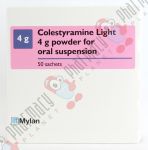
Colestyramine is one of the longest-established medicines for cholesterol lowering, with a track record of use in lipid management spanning several decades. Colestyramine powder, sold under brand names including Questran and Questran Light, is a prescription-only bile acid sequestrant used in adults for LDL reduction in hypercholesterolaemia, relief of pruritus in biliary obstruction, and management of certain types of diarrhoea. The product stocked at Pharmacy Planet is Colestyramine Light 4g powder for oral suspension by Mylan, an aspartame-sweetened formulation supplied as sachets. A prescription can only be issued following a clinical consultation.
What Is Colestyramine (Questran)?
Colestyramine is an oral prescription medicine and a bile acid sequestrant (anion exchange resin). The Colestyramine Light 4g formulation by Mylan is sweetened with aspartame rather than sucrose, making it relevant for patients who need to limit sugar intake. Questran and Questran Light are well-known brand names for colestyramine from another manufacturer; the active ingredient and mechanism are identical across all colestyramine formulations regardless of brand or manufacturer.
Colestyramine is licensed in the UK for three clinical indications. The primary indication is as adjunctive therapy to diet for the reduction of elevated serum cholesterol in patients with primary hypercholesterolaemia who do not respond adequately to diet alone. The second indication is relief of pruritus (itching) associated with partial biliary obstruction, including primary biliary cirrhosis, and other causes of bile acid deposits in the skin. The third indication is treatment of radiation induced diarrhoea and diarrhoea associated with ileal disease, vagotomy, and diabetic vagal neuropathy.
Each sachet of Colestyramine Light contains 4g of colestyramine (anhydrous). The sachets are mixed with water or another suitable liquid before swallowing. Colestyramine is not absorbed into the body and works entirely within the digestive system.
How Does Colestyramine Work?
Bile Acid Sequestration and LDL Reduction. The liver converts cholesterol into bile acids, which are secreted into the small intestine for fat digestion and normally recycled back to the liver through enterohepatic circulation. Colestyramine is a large positively charged resin that binds to bile acids in the gut, forming insoluble complexes excreted in the faeces. The liver then increases its conversion of cholesterol into new bile acids, causing liver cells to upregulate LDL receptors, which capture more LDL cholesterol from the bloodstream.
Relief of Pruritus in Biliary Obstruction. In patients with partial biliary obstruction, bile acids accumulate in the skin and cause pruritus. By binding bile acids in the gut and reducing the total body pool of bile acids, colestyramine can relieve this itching — a separate mechanism from cholesterol lowering.
Diarrhoea Management. In bile acid malabsorption diarrhoea (following ileal resection, vagotomy, radiation, or diabetic vagal neuropathy), excess bile acids enter the colon and stimulate fluid secretion. Colestyramine binds these excess bile acids, reducing their diarrhoea-inducing effect.
How to Take Colestyramine Powder
Always take colestyramine exactly as your prescriber instructs. Read the Patient Information Leaflet supplied with your medicine before starting treatment.
- Never take colestyramine dry. Always mix the powder with liquid before swallowing.
- Mix the contents of one sachet with at least 150ml of water, fruit juice, skimmed milk, thin soups, or pulpy fruits with high moisture content. Stir until completely mixed and drink straight away.
- Rinse the glass with a little extra liquid and drink that too.
- Take colestyramine immediately before, during, or shortly after meals.
- All other oral medicines must be taken at least one hour before or four to six hours after colestyramine.
If you miss a dose, take it as soon as you remember with your next meal. If you only remember between meals, skip the missed dose and take the next scheduled dose with your following meal. Do not take two doses at once. Do not stop taking colestyramine without speaking to your prescriber first.
Your prescriber will arrange blood tests to monitor your lipid levels before and after starting treatment.
Dosage Available
Each sachet contains 4g of colestyramine. For hypercholesterolaemia, the SmPC recommends a starting dose of one sachet (4g) once or twice daily, mixed with liquid with meals. The dose may be increased gradually, typically to two to four sachets per day in divided doses with meals, based on lipid response and tolerability. The maximum recommended daily dose for cholesterol lowering is generally considered to be 24g per day, though most patients are treated at doses of 8g to 16g per day. Higher doses increase gastrointestinal side effects significantly.
For pruritus and diarrhoea indications, the dose and schedule differ from the cholesterol lowering indication. Your prescriber will advise on the appropriate dose for your specific clinical situation. Colestyramine Light 4g sachets are sweetened with aspartame (a source of phenylalanine) rather than sucrose. Patients with phenylketonuria must not use this formulation.
Side Effects and Safety Information
The side effects of colestyramine are predominantly gastrointestinal. Because it is not absorbed into the body, it does not cause systemic side effects.
Common Side Effects (may affect up to 1 in 10 people):
- Constipation — the most commonly reported side effect and the most frequent reason for stopping treatment. Starting at one sachet per day and increasing gradually helps. Adequate fluid intake and dietary fibre are strongly recommended.
- Nausea, vomiting, and abdominal discomfort.
- Flatulence and bloating.
Uncommon Side Effects (may affect up to 1 in 100 people):
- Raised triglyceride levels, monitored during treatment.
- Perianal irritation or haemorrhoids, often related to constipation.
- Dental erosion with prolonged use — using water rather than acidic juices when mixing can reduce this risk.
Long-Term Use: Vitamin Deficiency Risk. Colestyramine can impair absorption of fat-soluble vitamins (A, D, E, K) and folic acid during prolonged treatment. Vitamin K deficiency can cause increased bleeding/bruising; vitamin D deficiency can contribute to bone thinning. Supplements should be taken at least one hour before or four to six hours after colestyramine.
Serious Side Effects — Seek Urgent Medical Attention: Go to your nearest accident and emergency department or call 999 immediately if you experience choking or difficulty swallowing after taking the powder; signs of bowel obstruction such as severe abdominal pain, inability to pass stools, and vomiting; signs of vitamin K deficiency such as unusual bruising or bleeding; or signs of a severe allergic reaction such as sudden widespread rash, difficulty breathing, or swelling of the face, lips, tongue, or throat.
Who Can Take Colestyramine?
Colestyramine may be suitable if you:
- Are an adult with primary hypercholesterolaemia where LDL reduction is required and dietary measures have been insufficient.
- Require a statin alternative for cholesterol management when a statin is not appropriate or not tolerated.
- Need additional LDL reduction alongside a statin or other lipid lowering treatment.
- Have pruritus associated with partial biliary obstruction or primary biliary cirrhosis and your prescriber has recommended colestyramine.
- Have bile acid malabsorption diarrhoea from ileal disease, radiation, vagotomy, or diabetic vagal neuropathy.
- Are able to mix the powder with liquid and swallow it reliably at each dose.
- Are already prescribed colestyramine and require a repeat prescription through an online prescribing service.
Colestyramine is not suitable if you:
- Have complete biliary obstruction.
- Have phenylketonuria, as Colestyramine Light contains aspartame.
- Have severely elevated triglyceride levels.
- Have dysphagia.
- Are pregnant or planning to become pregnant.
- Are breastfeeding.
- Are under 18 years of age (for the cholesterol indication).
- Have a known allergy or hypersensitivity to colestyramine or any excipient listed in the SmPC.
Important Drug Interactions — Timing Is Critical: Colestyramine has one of the most extensive drug interaction profiles of any medicine in this category, as it can bind to and reduce the absorption of a very wide range of oral medicines including statins, levothyroxine, warfarin, digoxin, thiazide diuretics, furosemide, propranolol and other beta blockers, fat-soluble vitamins and folic acid, oral contraceptives, paracetamol, phenobarbitone, and aspirin. All other oral medicines must be taken at least one hour before or four to six hours after colestyramine.
Consultation and Prescribing Process
Colestyramine is a Prescription Only Medicine. The clinical consultation is the essential first step. A prescription will only be issued if a registered prescriber concludes, based on their individual assessment of your circumstances, that colestyramine is clinically appropriate for you.
During your online consultation with Pharmacy Planet, a registered prescriber will review your cholesterol or lipid levels, the indication being treated, current medicines, phenylketonuria status, and other relevant medical history. The prescriber will confirm that colestyramine is appropriate for your needs and determine whether online prescribing is suitable for your situation.
Not all consultations will result in a prescription. The prescriber may request blood test results, recommend a different approach to lipid or symptom management, or advise that a more detailed review by your GP is needed.
Questran (Colestyramine) Sachets
Colestyramine (Questran/Questran Light) is a well-established bile acid sequestrant for LDL reduction in hypercholesterolaemia, pruritus relief in biliary obstruction, and certain bile acid malabsorption diarrhoeas. The Colestyramine Light 4g formulation by Mylan is aspartame-sweetened and supplied as sachets.
An oral bile acid sequestrant licensed for three indications: LDL cholesterol reduction, pruritus relief in partial biliary obstruction (including primary biliary cirrhosis), and bile acid malabsorption diarrhoea. Each sachet contains 4g, mixed with liquid before swallowing. Not absorbed into the body.
Binds bile acids in the gut, increasing their excretion and forcing the liver to make more from cholesterol, which upregulates LDL receptors and lowers blood LDL. The reduced bile acid pool also relieves pruritus from biliary obstruction, and binds excess colonic bile acids to ease bile acid malabsorption diarrhoea.
Never take dry. Mix one sachet with at least 150ml of liquid, stir well, drink immediately, then rinse the glass and drink that too. Take before, during, or shortly after meals. Other oral medicines must be taken at least 1 hour before or 4–6 hours after. If a dose is missed, take it with the next meal if remembered in time, otherwise skip.
4g sachets. For cholesterol: starting dose one sachet once or twice daily, increased gradually to 2–4 sachets per day (8–16g typical, max ~24g). Dose for pruritus/diarrhoea differs — set by your prescriber. Light formulation contains aspartame — not suitable for phenylketonuria.
Common: Constipation (most common, most frequent reason for stopping), nausea/vomiting/abdominal discomfort, flatulence/bloating
Uncommon: Raised triglycerides, perianal irritation/haemorrhoids, dental erosion
Long-term: Risk of fat-soluble vitamin (A,D,E,K) and folic acid deficiency — supplements timed separately
Seek urgent help (999/A&E) for: Choking/swallowing difficulty, bowel obstruction signs, vitamin K deficiency signs (bruising/bleeding), severe allergic reactions
Suitable for adults with primary hypercholesterolaemia, those needing a statin alternative or add-on, pruritus from biliary obstruction, or bile acid malabsorption diarrhoea.
Not suitable for complete biliary obstruction, phenylketonuria (Light formulation), severely elevated triglycerides, dysphagia, pregnancy/breastfeeding, under 18s, or allergy to colestyramine. Extensive interactions: statins, levothyroxine, warfarin, digoxin, diuretics, beta blockers, vitamins, oral contraceptives, paracetamol, and many others — all require 1 hour before/4–6 hours after timing.
Colestyramine is a Prescription Only Medicine requiring clinical consultation. During your online consultation with Pharmacy Planet, a registered prescriber reviews your lipid levels, indication, and full medicines list to confirm colestyramine is appropriate.
Frequently Asked Questions
Colestyramine is used for three licensed indications. First, as adjunctive therapy to diet for LDL cholesterol reduction in adults with primary hypercholesterolaemia. Second, relief of pruritus (itching) associated with partial biliary obstruction and conditions such as primary biliary cirrhosis. Third, treatment of diarrhoea related to bile acid malabsorption from ileal disease, radiation, vagotomy, or diabetic vagal neuropathy. The Colestyramine Light 4g powder by Mylan is an aspartame-sweetened formulation supplied in sachets. It is a Prescription Only Medicine requiring a valid prescription.
Empty one sachet into a glass containing at least 150ml of water, fruit juice, skimmed milk, thin soup, or pulpy fruit with high moisture content. Stir until fully mixed, the powder will not dissolve completely. Drink the mixture straight away. Rinse the glass with a little extra liquid and drink that too. Never take the powder dry, always mix with liquid first to avoid choking. Take each dose immediately before, during, or shortly after a meal. Take all other oral medicines at least one hour before or four to six hours after colestyramine.
Colestyramine is a non-selective resin that can bind to virtually any oral medicine in the gut, significantly reducing its absorption. This applies to a very wide range of medicines including statins, levothyroxine, warfarin, digoxin, beta blockers, diuretics, oral contraceptives, fat soluble vitamins, paracetamol, and many others. All oral medicines must be taken at least one hour before or four to six hours after colestyramine to avoid this interaction. If you take multiple medicines, plan your daily schedule carefully and discuss the correct timing with your prescriber and pharmacist before starting treatment.
Yes. Constipation is the most commonly reported side effect of colestyramine and the most frequent reason patients stop treatment. It results from reduced bile acid availability in the colon, which slows gut transit. Starting at one sachet per day and increasing gradually helps the bowel adjust. Drinking at least eight glasses of water per day and maintaining adequate dietary fibre are strongly recommended throughout treatment. Contact your prescriber if constipation is persistent, severe, or accompanied by abdominal pain, as severe constipation can occasionally progress to impaction.
Standard Questran sachets are sweetened with sucrose. Colestyramine Light (including the Mylan formulation and Questran Light) is sweetened with aspartame instead of sucrose. This makes Colestyramine Light more appropriate for patients who need to limit sugar intake, such as those with diabetes. However, the aspartame sweetener means Colestyramine Light contains phenylalanine and is contraindicated in phenylketonuria. The active ingredient, mechanism of action, dose, and clinical effects are identical across all colestyramine formulations.
Yes. Colestyramine is licensed for relief of pruritus associated with partial biliary obstruction, including primary biliary cirrhosis, and other causes of bile acid deposits in the skin. By binding bile acids in the gut and reducing the total bile acid pool, colestyramine reduces the concentration of bile acids depositing in the skin, which is the cause of the itching. This is a distinct licensed indication from cholesterol lowering. Your prescriber will determine the appropriate dose and schedule for this indication.
Yes, in some circumstances. Colestyramine can be used as monotherapy for primary hypercholesterolaemia when a statin is not appropriate or not tolerated. The LDL reduction achieved with colestyramine alone is generally less than that of a high intensity statin. For most adults requiring lipid lowering for cardiovascular risk reduction, statins remain the first line treatment in NICE guidance. Your prescriber will assess whether colestyramine monotherapy provides sufficient cholesterol lowering for your individual cardiovascular risk and lipid targets.
Yes. Colestyramine, like other bile acid sequestrants, can raise triglyceride levels during treatment. This effect is monitored periodically. Colestyramine is not recommended for patients with significantly elevated triglycerides at baseline, as further increases could raise the risk of pancreatitis. If your triglyceride levels rise significantly during colestyramine treatment, your prescriber may adjust your lipid management approach. Newer bile acid sequestrants such as colesevelam (Cholestagel) appear to produce less triglyceride elevation than colestyramine or colestipol.
How it works

Complete our online
clinical consultation
clinical consultation
Answer a few questions on your health and your fitness goals.

Clinical
assessment
assessment
Our clinicians will review your clinical questionnaire to make sure treatment is right for you.

Welcome
aboard!
aboard!
Once approved, you will access our wealth of experience and resources curated by our team and begin your clinical journey.
Treatment options
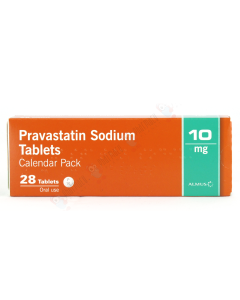
Pravastatin is a high cholesterol treatment in tablet form. This medicine h ...
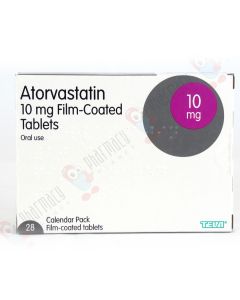
Atorvastatin is used in conjunction with diet to lower blood levels of "bad ...
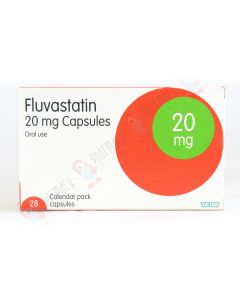
Fluvastatin is a medicine used to treat high cholesterol. The drug helps to ...
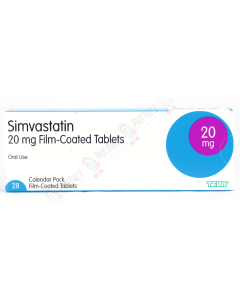
Simvastatin is used in conjunction with diet to lower blood levels of "bad" ...
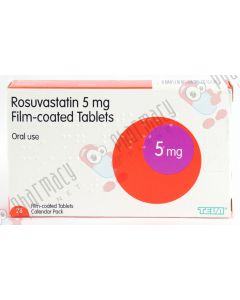
Rosuvastatin is one of the most potent statins, which, like the other six m ...
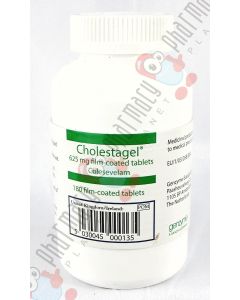
Cholestagel (Colesevelam) is a drug used in the treatment of hyperlipidemia ...
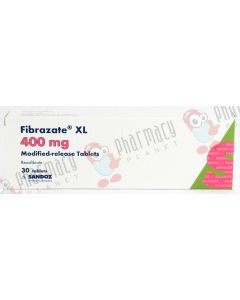
Bezafibrate belongs to the pharmacotherapeutic group of antidyslipidemic (o ...
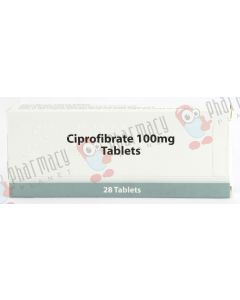
Ciprofibrate belongs to the group of fibrates, such as bezafibrate or gemfi ...
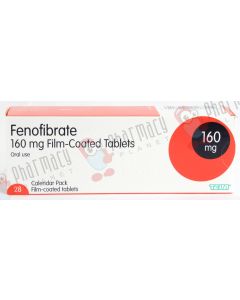
Lipantil micro belongs to a group of medicines commonly known as fibrates. ...
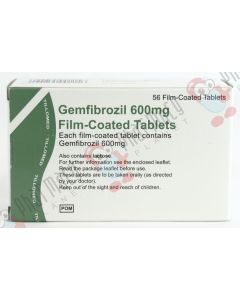
Lopid belongs to a group of medications commonly known as fibrates. These m ...
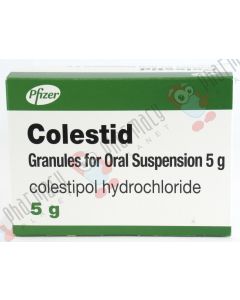
Colestipol is an ion exchange resin, a polymer that contains certain anions ...
Start your journey with us
Need Help?

Do you have a question about weight loss treatment?
Start your weight loss journey heading in the right direction. Our team are here to help. Whether you’re unsure about which medicine is right for you or need help navigating the world of weight loss drugs, our team are on hand to help you make the right decision. We can put you in touch with one of our experienced weight loss clinicians so you can be sure you’re making the best decision with the most accurate information.
To get in touch, contact our Customer Service team on 0800 978 8956 or email headoffice@pharmacyplanet.com.
Meet the team







Review By
GURDEV SEHMI
Last Updated On : Mar 13 2026
BSc Pharm, MRPharmS, Independent Prescriber, Superintendent Pharmacist, Clinical Lead
GPhC Number: 2050925
Authored By
GURDEV SEHMI
Last Reviewed On : Mar 23 2026
BSc Pharm, MRPharmS, Independent Prescriber, Superintendent Pharmacist, Clinical Lead
GPhC Number: 2050925
Get a free consultation
Speak with one of our clinicians and get personalised advice.
You’re almost there!
It is the prescribers duty to ensure that the medicine is being used safely and appropriately. please answer a few questions about yourself to help us process your request.
- Manesha
Customer Service Team
Confidentiality & Authenticity Assured
- Fully Regulated UK Pharmacy
- Authentic UK sourced medicines only.
- Trading for more than 10 years.
- Information Governance lead ensures all data is confidential
Need Help With Your Questionnaire?
Our customer service team is on hand Monday-Friday to help you with your queries.
Please call us on 08009788956 or
email us at: headoffice@pharmacyplanet.com


