




Our clinicians will assess your consultation to ensure your health and safety is at the heart of your treatment plan.


Buy Angina drugs online in the UK from Pharmacy Planet & get relief from hurtful Angina symptoms. Order now for quick and easy access to your medications.

It is the prescribers duty to ensure that the medicine is being used safely and appropriately. please answer a few questions about yourself to help us process your request.
Customer Service Team
Our customer service team is on hand Monday-Friday to help you with your queries.
Please call us on 08009788956 or
email us at: headoffice@pharmacyplanet.com


Answer a few questions on your health and your fitness goals.

Our clinicians will review your clinical questionnaire to make sure treatment is right for you.

Once approved, you will access our wealth of experience and resources curated by our team and begin your clinical journey.
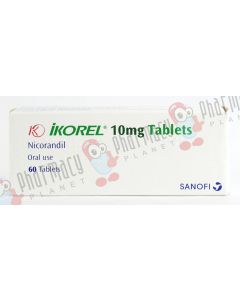
Ikorel Nicorandil contains a substance called nicorandil. which belongs to a group of medicines c...
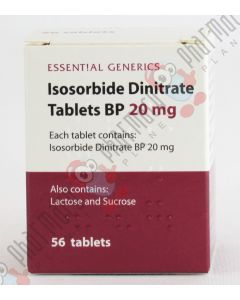
Isoket (Isosorbide dinitrate) is an organic nitrate of medium-long duration that is used in the t...

Isosorbide mononitrate is a nitrate that dilates (widens) blood vessels, making it easier for blo...
GTN Spray is a sublingual spray that contains nitroglycerin and is used to treat the symptoms of ...
Transiderm is a transdermal patch that contains nitroglycerin and is used to prevent angina, but ...
Our clinicians will assess your consultation to ensure your health and safety is at the heart of your treatment plan.

Once approved, your medicine is shipped using 24-hour delivery. All our orders are dispatched in our plain and discreet packaging.

Throughout the program, our clinicians and coaches will be by your side to ensure you experience minimal side effects, find the perfect dosage for your needs, and address any questions you may have.

Whether you experience side effects you'd like to address or simply need a break, we empower you to take control of your journey. We'll pick things back up when you're ready.








Angina is chest pain or discomfort resulting from reduced blood flow to the heart muscle. It's often described as pressure, squeezing, or tightness in the chest and can also be felt in the shoulders, arms, neck, jaw, or back.
The most common cause of angina is coronary artery disease, where plaque buildup narrows the arteries supplying blood to the heart. Other causes include coronary artery spasms and microvascular disease affecting the heart's small arteries.
There are several types of anginas:
Diagnosis typically involves a physical exam, medical history, and tests such as an electrocardiogram (ECG), stress testing, echocardiogram, and coronary angiography to assess blood flow to the heart.
Treatment aims to reduce symptoms and prevent heart attacks. Options include:
If you experience new, worsening, or persistent chest pain, especially at rest, seek immediate medical attention as it may indicate unstable angina or a heart attack.

the items you wish to order

by our qualified prescriber

to your door step