



Bhupinder (Boo) Dhaliwale
ALLEVYN AG HEEL
Allevyn Ag Heel is a hydrocellular foam dressing made for heels, crevices, and other awkward fitting or protruding areas that require form fitting padded protection. Allevyn Ag Heel includes an absorbent antimicrobial three-layered dressing including a silver sulfadiazine, porous hydrocellular pad nestled between a perforated, non-adherent wound contact layer and a waterproof outer film to aid in management of wounds and venous leg ulcers.

Consult

Select

Checkout
01
Select
the items you wish
to order
02
Order reviewed
by our qualified
prescriber
03
Delivered
to your door step
Your Selection
Please use the options provided to make your final selection.

ALLEVYN AG HEEL
£97.99
Total
Price Comparison
Select your preferred options and see the best price
| Pack | Price (£) | ||
|---|---|---|---|
| - | 10.5cm x 13.5cm (HEEL) | 5 | 97.99 |
It looks like you missed filling in questions from the last consultation.Click Here to submit your response.

No subscriptions or hidden fees

Secure checkout

UK Regulated online pharmacy

Trusted by over 250,000+ happy customers
ALLEVYN Ag Heel Dressing | Silver Foam Antimicrobial Dressing for Infected Heel Wounds & Ulcers
The heel is one of the most common sites for pressure ulcers in patients who are immobile, bedridden, or have reduced circulation. Managing heel wounds requires a dressing that can conform to the curved heel anatomy and provide both antimicrobial protection and exudate management. ALLEVYN Ag Heel is a silver antimicrobial foam dressing contoured specifically for the heel and posterior ankle area. The heel is one of the most clinically challenging anatomical sites for wound management because its curved surface, constant pressure during rest, and proximity to bone make dressing adherence and wound healing particularly difficult. ALLEVYN Ag Heel combines silver sulfate antimicrobial activity and hydrocellular foam exudate absorption in a shape that wraps around the heel and Achilles tendon area. It is held in place with a secondary fixation bandage or retention dressing rather than an integrated adhesive border. No prescription is required.
What Is ALLEVYN Ag Heel?
ALLEVYN Ag Heel is a regulated Class IIb medical device. It is a multilayer dressing combining two distinct clinical functions in a heel-contoured format: antimicrobial silver activity for infection management, and hydrocellular foam absorbency for exudate management. Unlike ALLEVYN Ag Gentle Border, it does not have an integrated adhesive border. It is designed to be wrapped around the heel and held in place with a secondary fixation product such as a cohesive or crepe bandage, tubular bandage, or retention dressing.
The "Ag" in the product name refers to silver. The silver in ALLEVYN Ag Heel is silver sulfate, providing sustained local antimicrobial activity at the wound surface. This is the same silver formulation used in ALLEVYN Ag Gentle Border and distinguishes it from nanocrystalline silver (ACTICOAT range) and ionic silver alginate (ALGISITE Ag). The heel-shaped format is the defining physical feature of this product, designed to follow the anatomical curve of the posterior foot and ankle.
The heel is an anatomically challenging area for wound dressings. It is curved, rounded, and subject to pressure when the patient is in bed or seated. Standard flat or square dressings often fail to maintain adequate coverage on the heel because they cannot conform to its shape and may lift from the posterior ankle and Achilles tendon area. ALLEVYN Ag Heel is shaped to wrap around the heel, following the curved posterior aspect of the foot from the lower ankle to the plantar surface. This anatomical contouring improves wound coverage and reduces the frequency of dressing displacement.
ALLEVYN Ag Heel is indicated for use on moderate to heavily exuding infected or at risk wounds in patients where fragile or sensitive periwound skin is a clinical concern. It is suitable for chronic wounds including venous leg ulcers, pressure ulcers, and diabetic foot ulcers, as well as acute wounds, skin tears, and post-operative wounds in patients whose periwound skin integrity is compromised.
ALLEVYN Ag Heel has antimicrobial activity due to the silver sulfate content. Heel wounds in patients with diabetes or peripheral vascular disease can deteriorate rapidly. If the wound is worsening, has spreading redness or cellulitis, or the patient has fever or systemic symptoms, seek urgent clinical assessment. Heel pressure ulcers and diabetic heel wounds should be managed under clinical supervision, a dressing alone is not sufficient management for complex heel wounds.
How Does ALLEVYN Ag Heel Work?
Silver Sulfate Antimicrobial Action
Silver sulfate incorporated into the dressing releases silver ions in contact with wound exudate. Silver ions disrupt the cell membranes of wound pathogens, interfere with bacterial enzyme systems, and prevent bacterial DNA replication. This broad mechanism of action provides antimicrobial activity against a wide range of wound pathogens including Staphylococcus aureus, MRSA, Pseudomonas aeruginosa, and other organisms commonly associated with chronic wound infection. The silver is released locally at the wound surface and the amount absorbed systemically through intact and wound skin is low at the concentrations used in wound dressings.
Hydrocellular Foam Exudate Absorption
The hydrocellular polyurethane foam core absorbs wound exudate and draws it away from the wound surface. This prevents pooling of exudate at the wound bed, which can macerate periwound skin and impair healing. The foam retains absorbed fluid under light compression, reducing the risk of exudate being returned to the wound surface when the dressing is covered or the patient moves. The foam also maintains a moist wound healing environment at the wound contact surface, supporting the natural processes of tissue repair.
Heel Contouring and Dressing Stability
ALLEVYN Ag Heel is shaped to conform to the posterior anatomy of the heel and ankle. When applied correctly and secured with an appropriate fixation product, the contoured shape maintains consistent contact with the wound bed and reduces the risk of dressing displacement during patient movement or repositioning. The foam absorbs exudate evenly across the wound bed and maintains the moist wound healing environment that supports tissue repair at this challenging anatomical site.
Moisture Vapour Permeable Film Backing
The outer film backing allows moisture vapour from absorbed exudate to evaporate through the dressing, maintaining absorbent capacity throughout the wear period. The film is waterproof to external fluids, protecting the wound from shower water and external contamination.
How to Apply ALLEVYN Ag Heel
Before Application
- Wash hands and use appropriate gloves.
- Clean the wound with sterile saline or as directed by a healthcare professional. Gently clean the periwound skin and pat dry.
- The soft silicone border adheres best to dry, clean periwound skin. However, unlike acrylic adhesives, silicone borders can tolerate slightly damp skin better than standard adhesive dressings.
- Do not apply oil-based products, creams, or lotions to the area where the silicone border will contact the skin before application, as these may reduce adhesion.
Application
- Position ALLEVYN Ag Heel over the wound with the foam pad in contact with the wound bed. The curved shape should follow the heel contour from the posterior ankle to the plantar surface.
- Hold the dressing in position while applying the secondary fixation product.
- Secure the dressing with an appropriate fixation product such as a cohesive bandage, crepe bandage, tubular bandage, or wound retention bandage. The fixation should hold the dressing firmly in place without applying excessive compression that could impair circulation to the heel and foot.
- Do not apply the bandage so tightly that it restricts blood flow. In patients with peripheral vascular disease, seek clinical guidance on appropriate bandage tension.
- Check the fixation bandage at each change and replace if it has slipped or loosened.
Wear Time and Removal
- ALLEVYN Ag Heel can be worn for up to seven days depending on exudate levels. Change earlier if exudate approaches the edge of the foam pad or the border lifts.
- Remove the fixation bandage first, then lift the foam dressing from the wound.
- If the dressing has partially adhered to the wound surface, moisten with sterile saline before removal to reduce trauma.
- Assess the wound at each dressing change. In heel wounds, particularly in diabetic or vascular patients, closely monitor for any change in wound size, depth, or condition.
Silver containing dressings may cause grey or blue grey discolouration of the wound bed and surrounding periwound skin. This is caused by silver deposition (argyria) and is a known and expected effect. It is generally cosmetically significant rather than clinically harmful. Discolouration usually resolves when silver dressing use is discontinued. Inform patients in advance so they are not alarmed if they notice it.
Size Available
ALLEVYN Ag Heel — 10.5cm x 13.5cm
ALLEVYN Ag Heel is available in a single size of 10.5cm x 13.5cm. The dimensions reflect the contoured heel shape, which follows the curved posterior anatomy of the heel and ankle rather than a standard rectangular format. This size is designed to provide adequate coverage for the typical range of heel wound dimensions encountered in clinical practice.
If the heel wound is significantly larger than the foam pad coverage area of this dressing, seek clinical guidance from a tissue viability nurse, district nurse, or podiatrist. For very large heel wounds, an alternative dressing approach may be required.
Safety Information and Precautions
Contraindications
- Do not use on patients with a known sensitivity or allergy to silver or to any component of the dressing.
- Do not use on dry or minimally exuding wounds. The silver requires moisture from wound exudate for ion release, and the foam core may desiccate a dry wound.
- Do not use in conjunction with oil-based topical products directly under the dressing, as these impair silver ion release.
Precautions
- ALLEVYN Ag Heel is a single use product. Do not reuse or reapply a used dressing.
- Reassess at each dressing change. If exudate levels fall significantly, consider whether a less absorbent dressing or a non-silver dressing (such as standard ALLEVYN Gentle Border without silver) is more appropriate.
- Silver dressings are not appropriate as a long term preventive measure in clinically clean, non-infected wounds. Use when there is clinical evidence of infection or a high risk of infection, and review the need for silver at each dressing change.
- Do not use MRI scanning with ALLEVYN Ag Heel in place. Remove before MRI procedures.
- Use with caution in patients who are pregnant or breastfeeding. Systemic silver absorption from topical wound dressings is generally low. Seek clinical advice.
Adverse Effects
- Localised skin sensitivity or irritation at the silicone border. Silicone is generally better tolerated than acrylic adhesive but sensitivity reactions can still occur. Discontinue if persistent.
- Grey or blue grey discolouration of the wound bed and periwound skin from silver deposition. Expected and reversible.
- Wound bed desiccation if exudate levels fall significantly during treatment and the dressing is changed less frequently than the wound condition requires.
Who Is ALLEVYN Ag Heel Suitable For?
ALLEVYN Ag Heel Is Suitable For
- Patients with infected or at risk wounds who also have fragile, thin, or compromised periwound skin where a standard acrylic adhesive border dressing risks causing skin damage at removal
- Chronic wound patients including those with venous leg ulcers, pressure ulcers, and diabetic foot ulcers where the combination of silver antimicrobial activity and gentle border adhesion addresses two clinical needs simultaneously
- Patients who have previously experienced pain, skin stripping, or skin tears with standard adhesive wound dressings
- Heel wounds in patients with reduced skin integrity due to oedema, moisture, or periwound damage where careful dressing management is required
- Adults and children under healthcare professional supervision
ALLEVYN Ag Heel Is Not Suitable For
- Patients with known silver sensitivity or allergy
- Dry or minimally exuding wounds
- Wounds located on areas of the foot other than the heel and posterior ankle where a standard flat dressing format provides adequate coverage
- Heel wounds with signs of systemic infection, spreading cellulitis, or wound deterioration, seek urgent clinical assessment
Positioning Within the Dressings Range
ALLEVYN Ag Heel sits at the intersection of antimicrobial silver dressings and gentle border foam dressings. For infected or at risk wounds without periwound skin fragility, ALGISITE Ag (silver alginate) or an ACTICOAT product may be appropriate. For non-infected wounds with exudate management needs and fragile periwound skin, ALLEVYN Gentle Border (without silver) may be considered. For infected wounds with fragile periwound skin where both silver and gentle border adhesion are needed, ALLEVYN Ag Heel addresses both requirements in a single dressing.
Where to Buy and How to Order
ALLEVYN Ag Heel is a regulated medical device and does not require a prescription. It can be purchased directly through Pharmacy Planet without a clinical consultation. It is available in the single size of 10.5cm x 13.5cm.
Pharmacy Planet is a GPhC registered online pharmacy stocking a comprehensive range of wound care products including the full ALLEVYN range, the full ACTICOAT range, ALGISITE Ag, ALGISITE M, and a range of secondary wound care products. Our pharmacists can advise on product selection.
Heel wounds in patients with diabetes, peripheral vascular disease, or significant mobility limitations should be managed under clinical supervision. A tissue viability nurse, district nurse, or podiatrist can advise on the most appropriate dressing selection, offloading strategy, and overall heel wound management plan.
Storage and Handling
- Store in a cool, dry place away from direct sunlight and moisture.
- Store below 25°C.
- Keep in the original sealed packaging until immediately before use.
- Each dressing is individually sterile packed. Do not use if the packaging is damaged or compromised.
- Check the expiry date before use. Do not use after the expiry date.
- Once opened, apply immediately.
- Keep out of the reach of children.
- Dispose of used dressings as clinical waste in accordance with local guidelines.
Why Choose Pharmacy Planet?
Pharmacy Planet is a GPhC registered online pharmacy providing access to professional grade wound care products including ALLEVYN Ag Heel. We stock the full Smith&Nephew wound care portfolio alongside products from other leading manufacturers.
All products are genuine and sourced through regulated supply chains. Our pharmacists are available to advise on dressing selection, including when the gentle border silicone adhesion advantage of this product is clinically appropriate versus standard adhesive or non-adhesive foam alternatives.
References
- Smith+Nephew. ALLEVYN Ag Heel Antimicrobial Dressing — Instructions for Use. Smith+Nephew Medical Ltd. https://www.smith-nephew.com. Accessed May 2026.
- Wounds UK. Best Practice Statement: Wound exudate — effective assessment and management. https://www.wounds-uk.com. Accessed May 2026.
- National Institute for Health and Care Excellence (NICE). Wound care products — Drug Tariff prescribing and selection. https://www.nice.org.uk. Accessed May 2026.
- World Union of Wound Healing Societies (WUWHS). Antimicrobials and non-healing wounds. Evidence, controversies and suggestions. https://wuwhs.net. Accessed May 2026.
ALLEVYN AG HEEL
The heel is one of the most common sites for pressure ulcers in patients who are immobile, bedridden, or have reduced circulation. Managing heel wounds requires a dressing that can conform to the curved heel anatomy and provide both antimicrobial protection and exudate management. ALLEVYN Ag Heel is a silver antimicrobial foam dressing contoured specifically for the heel and posterior ankle area. The heel is one of the most clinically challenging anatomical sites for wound management because its curved surface, constant pressure during rest, and proximity to bone make dressing adherence and wound healing particularly difficult. ALLEVYN Ag Heel combines silver sulfate antimicrobial activity and hydrocellular foam exudate absorption in a shape that wraps around the heel and Achilles tendon area. It is held in place with a secondary fixation bandage or retention dressing rather than an integrated adhesive border. No prescription is required.
ALLEVYN Ag Heel is a regulated Class IIb medical device. It is a multilayer dressing combining two distinct clinical functions in a heel-contoured format: antimicrobial silver activity for infection management, and hydrocellular foam absorbency for exudate management. Unlike ALLEVYN Ag Gentle Border, it does not have an integrated adhesive border. It is designed to be wrapped around the heel and held in place with a secondary fixation product such as a cohesive or crepe bandage, tubular bandage, or retention dressing.
The "Ag" in the product name refers to silver. The silver in ALLEVYN Ag Heel is silver sulfate, providing sustained local antimicrobial activity at the wound surface. This is the same silver formulation used in ALLEVYN Ag Gentle Border and distinguishes it from nanocrystalline silver (ACTICOAT range) and ionic silver alginate (ALGISITE Ag). The heel-shaped format is the defining physical feature of this product, designed to follow the anatomical curve of the posterior foot and ankle.
The heel is an anatomically challenging area for wound dressings. It is curved, rounded, and subject to pressure when the patient is in bed or seated. Standard flat or square dressings often fail to maintain adequate coverage on the heel because they cannot conform to its shape and may lift from the posterior ankle and Achilles tendon area. ALLEVYN Ag Heel is shaped to wrap around the heel, following the curved posterior aspect of the foot from the lower ankle to the plantar surface. This anatomical contouring improves wound coverage and reduces the frequency of dressing displacement.
ALLEVYN Ag Heel is indicated for use on moderate to heavily exuding infected or at risk wounds in patients where fragile or sensitive periwound skin is a clinical concern. It is suitable for chronic wounds including venous leg ulcers, pressure ulcers, and diabetic foot ulcers, as well as acute wounds, skin tears, and post-operative wounds in patients whose periwound skin integrity is compromised.
ALLEVYN Ag Heel has antimicrobial activity due to the silver sulfate content. Heel wounds in patients with diabetes or peripheral vascular disease can deteriorate rapidly. If the wound is worsening, has spreading redness or cellulitis, or the patient has fever or systemic symptoms, seek urgent clinical assessment. Heel pressure ulcers and diabetic heel wounds should be managed under clinical supervision, a dressing alone is not sufficient management for complex heel wounds.
Silver Sulfate Antimicrobial Action
Silver sulfate incorporated into the dressing releases silver ions in contact with wound exudate. Silver ions disrupt the cell membranes of wound pathogens, interfere with bacterial enzyme systems, and prevent bacterial DNA replication. This broad mechanism of action provides antimicrobial activity against a wide range of wound pathogens including Staphylococcus aureus, MRSA, Pseudomonas aeruginosa, and other organisms commonly associated with chronic wound infection. The silver is released locally at the wound surface and the amount absorbed systemically through intact and wound skin is low at the concentrations used in wound dressings.
Hydrocellular Foam Exudate Absorption
The hydrocellular polyurethane foam core absorbs wound exudate and draws it away from the wound surface. This prevents pooling of exudate at the wound bed, which can macerate periwound skin and impair healing. The foam retains absorbed fluid under light compression, reducing the risk of exudate being returned to the wound surface when the dressing is covered or the patient moves. The foam also maintains a moist wound healing environment at the wound contact surface, supporting the natural processes of tissue repair.
Heel Contouring and Dressing Stability
ALLEVYN Ag Heel is shaped to conform to the posterior anatomy of the heel and ankle. When applied correctly and secured with an appropriate fixation product, the contoured shape maintains consistent contact with the wound bed and reduces the risk of dressing displacement during patient movement or repositioning. The foam absorbs exudate evenly across the wound bed and maintains the moist wound healing environment that supports tissue repair at this challenging anatomical site.
Moisture Vapour Permeable Film Backing
The outer film backing allows moisture vapour from absorbed exudate to evaporate through the dressing, maintaining absorbent capacity throughout the wear period. The film is waterproof to external fluids, protecting the wound from shower water and external contamination.
Before Application
- Wash hands and use appropriate gloves.
- Clean the wound with sterile saline or as directed by a healthcare professional. Gently clean the periwound skin and pat dry.
- The soft silicone border adheres best to dry, clean periwound skin. However, unlike acrylic adhesives, silicone borders can tolerate slightly damp skin better than standard adhesive dressings.
- Do not apply oil-based products, creams, or lotions to the area where the silicone border will contact the skin before application, as these may reduce adhesion.
Application
- Position ALLEVYN Ag Heel over the wound with the foam pad in contact with the wound bed. The curved shape should follow the heel contour from the posterior ankle to the plantar surface.
- Hold the dressing in position while applying the secondary fixation product.
- Secure the dressing with an appropriate fixation product such as a cohesive bandage, crepe bandage, tubular bandage, or wound retention bandage. The fixation should hold the dressing firmly in place without applying excessive compression that could impair circulation to the heel and foot.
- Do not apply the bandage so tightly that it restricts blood flow. In patients with peripheral vascular disease, seek clinical guidance on appropriate bandage tension.
- Check the fixation bandage at each change and replace if it has slipped or loosened.
Wear Time and Removal
- ALLEVYN Ag Heel can be worn for up to seven days depending on exudate levels. Change earlier if exudate approaches the edge of the foam pad or the border lifts.
- Remove the fixation bandage first, then lift the foam dressing from the wound.
- If the dressing has partially adhered to the wound surface, moisten with sterile saline before removal to reduce trauma.
- Assess the wound at each dressing change. In heel wounds, particularly in diabetic or vascular patients, closely monitor for any change in wound size, depth, or condition.
Silver containing dressings may cause grey or blue grey discolouration of the wound bed and surrounding periwound skin. This is caused by silver deposition (argyria) and is a known and expected effect. It is generally cosmetically significant rather than clinically harmful. Discolouration usually resolves when silver dressing use is discontinued. Inform patients in advance so they are not alarmed if they notice it.
ALLEVYN Ag Heel — 10.5cm x 13.5cm
ALLEVYN Ag Heel is available in a single size of 10.5cm x 13.5cm. The dimensions reflect the contoured heel shape, which follows the curved posterior anatomy of the heel and ankle rather than a standard rectangular format. This size is designed to provide adequate coverage for the typical range of heel wound dimensions encountered in clinical practice.
If the heel wound is significantly larger than the foam pad coverage area of this dressing, seek clinical guidance from a tissue viability nurse, district nurse, or podiatrist. For very large heel wounds, an alternative dressing approach may be required.
Contraindications
- Do not use on patients with a known sensitivity or allergy to silver or to any component of the dressing.
- Do not use on dry or minimally exuding wounds. The silver requires moisture from wound exudate for ion release, and the foam core may desiccate a dry wound.
- Do not use in conjunction with oil-based topical products directly under the dressing, as these impair silver ion release.
Precautions
- ALLEVYN Ag Heel is a single use product. Do not reuse or reapply a used dressing.
- Reassess at each dressing change. If exudate levels fall significantly, consider whether a less absorbent dressing or a non-silver dressing (such as standard ALLEVYN Gentle Border without silver) is more appropriate.
- Silver dressings are not appropriate as a long term preventive measure in clinically clean, non-infected wounds. Use when there is clinical evidence of infection or a high risk of infection, and review the need for silver at each dressing change.
- Do not use MRI scanning with ALLEVYN Ag Heel in place. Remove before MRI procedures.
- Use with caution in patients who are pregnant or breastfeeding. Systemic silver absorption from topical wound dressings is generally low. Seek clinical advice.
Adverse Effects
- Localised skin sensitivity or irritation at the silicone border. Silicone is generally better tolerated than acrylic adhesive but sensitivity reactions can still occur. Discontinue if persistent.
- Grey or blue grey discolouration of the wound bed and periwound skin from silver deposition. Expected and reversible.
- Wound bed desiccation if exudate levels fall significantly during treatment and the dressing is changed less frequently than the wound condition requires.
ALLEVYN Ag Heel Is Suitable For
- Patients with infected or at risk wounds who also have fragile, thin, or compromised periwound skin where a standard acrylic adhesive border dressing risks causing skin damage at removal
- Chronic wound patients including those with venous leg ulcers, pressure ulcers, and diabetic foot ulcers where the combination of silver antimicrobial activity and gentle border adhesion addresses two clinical needs simultaneously
- Patients who have previously experienced pain, skin stripping, or skin tears with standard adhesive wound dressings
- Heel wounds in patients with reduced skin integrity due to oedema, moisture, or periwound damage where careful dressing management is required
- Adults and children under healthcare professional supervision
ALLEVYN Ag Heel Is Not Suitable For
- Patients with known silver sensitivity or allergy
- Dry or minimally exuding wounds
- Wounds located on areas of the foot other than the heel and posterior ankle where a standard flat dressing format provides adequate coverage
- Heel wounds with signs of systemic infection, spreading cellulitis, or wound deterioration, seek urgent clinical assessment
ALLEVYN Ag Heel sits at the intersection of antimicrobial silver dressings and gentle border foam dressings. For infected or at risk wounds without periwound skin fragility, ALGISITE Ag (silver alginate) or an ACTICOAT product may be appropriate. For non-infected wounds with exudate management needs and fragile periwound skin, ALLEVYN Gentle Border (without silver) may be considered. For infected wounds with fragile periwound skin where both silver and gentle border adhesion are needed, ALLEVYN Ag Heel addresses both requirements in a single dressing.
ALLEVYN Ag Heel is a regulated medical device and does not require a prescription. It can be purchased directly through Pharmacy Planet without a clinical consultation. It is available in the single size of 10.5cm x 13.5cm.
Pharmacy Planet is a GPhC registered online pharmacy stocking a comprehensive range of wound care products including the full ALLEVYN range, the full ACTICOAT range, ALGISITE Ag, ALGISITE M, and a range of secondary wound care products. Our pharmacists can advise on product selection.
Heel wounds in patients with diabetes, peripheral vascular disease, or significant mobility limitations should be managed under clinical supervision. A tissue viability nurse, district nurse, or podiatrist can advise on the most appropriate dressing selection, offloading strategy, and overall heel wound management plan.
- Store in a cool, dry place away from direct sunlight and moisture.
- Store below 25°C.
- Keep in the original sealed packaging until immediately before use.
- Each dressing is individually sterile packed. Do not use if the packaging is damaged or compromised.
- Check the expiry date before use. Do not use after the expiry date.
- Once opened, apply immediately.
- Keep out of the reach of children.
- Dispose of used dressings as clinical waste in accordance with local guidelines.
Pharmacy Planet is a GPhC registered online pharmacy providing access to professional grade wound care products including ALLEVYN Ag Heel. We stock the full Smith&Nephew wound care portfolio alongside products from other leading manufacturers.
All products are genuine and sourced through regulated supply chains. Our pharmacists are available to advise on dressing selection, including when the gentle border silicone adhesion advantage of this product is clinically appropriate versus standard adhesive or non-adhesive foam alternatives.
References
- Smith+Nephew. ALLEVYN Ag Heel Antimicrobial Dressing — Instructions for Use. Smith+Nephew Medical Ltd. https://www.smith-nephew.com. Accessed May 2026.
- Wounds UK. Best Practice Statement: Wound exudate — effective assessment and management. https://www.wounds-uk.com. Accessed May 2026.
- National Institute for Health and Care Excellence (NICE). Wound care products — Drug Tariff prescribing and selection. https://www.nice.org.uk. Accessed May 2026.
- World Union of Wound Healing Societies (WUWHS). Antimicrobials and non-healing wounds. Evidence, controversies and suggestions. https://wuwhs.net. Accessed May 2026.
Frequently Asked Questions
ALLEVYN Ag Heel is a silver antimicrobial foam dressing with a soft silicone adhesive border. It is used for infected or at risk moderate to heavily exuding wounds in patients who have fragile or sensitive periwound skin. The silver sulfate content provides antimicrobial infection management. The hydrocellular foam absorbs exudate. The soft silicone border adheres gently to periwound skin and releases with less trauma than standard acrylic adhesive borders. It is suitable for chronic wounds, post-operative wounds, and skin tears in patients with compromised periwound skin integrity.
Both products contain silver sulfate for antimicrobial management and a hydrocellular foam core. The key differences are shape and fixation. ALLEVYN Ag Heel has a contoured shape designed for the heel anatomy and is secured with a fixation bandage, it has no integrated adhesive border. ALLEVYN Ag Gentle Border is a standard square format with an integrated soft silicone adhesive border for use on body locations where self-adhesion is appropriate. Choose ALLEVYN Ag Heel specifically for heel and posterior ankle wounds. Use ALLEVYN Ag Gentle Border for other body locations requiring silver and gentle border adhesion.
Soft silicone forms a physical seal against the skin through contact and surface tension rather than a chemical bond. This means it can be lifted and repositioned without losing its adhesive properties and removed with significantly less force than standard acrylic adhesive borders. Standard acrylic adhesives form a stronger chemical bond with the skin surface, which can strip the outer skin layers on removal, particularly from thin or fragile skin. Silicone borders are the preferred choice for patients with skin tears, periwound maceration, steroid-thinned skin, or conditions affecting skin integrity.
ALLEVYN Ag Heel can be used for diabetic heel wounds but these wounds require careful clinical management. Diabetic foot and heel wounds carry a high risk of serious infection, deep tissue involvement, and may be associated with peripheral neuropathy that reduces pain sensation. All diabetic heel wounds should be assessed by a healthcare professional including a podiatrist, diabetic foot team, or tissue viability nurse. A dressing alone is not sufficient management. The wound should be assessed for infection, vascular supply, wound depth, and the need for debridement or specialist intervention before a dressing is selected.
Silver containing dressings including ALLEVYN Ag Heel can cause grey or blue grey discolouration of the wound bed and periwound skin. This is caused by the deposition of silver compounds in the skin and is called argyria. In the context of wound dressings it is localised to the wound and periwound area and is generally cosmetically significant rather than clinically harmful. The discolouration typically fades after silver dressing use is discontinued. It is advisable to inform patients before starting treatment so they are not alarmed if they notice it.
Seek clinical assessment if the heel wound shows any of the following: increasing size or depth, worsening pain (or new absence of pain in a diabetic patient), spreading redness or warmth beyond the wound margin, fever or feeling unwell, offensive odour, or a wound that is not improving after two to four weeks of appropriate dressing management. Heel pressure ulcers grade 3 or above almost always require clinical assessment and a comprehensive management plan. Do not manage complex heel wounds with dressing alone without clinical oversight from a tissue viability nurse, district nurse, or GP.
ALLEVYN Ag Heel can remain in place for up to seven days depending on the level of wound exudate. In practice, change the dressing when exudate is visible approaching the edge of the foam pad, when the border lifts or loses seal, when there is clinical concern about the wound, or at the scheduled change time. Heavily exuding wounds may require more frequent changes. At each change, assess whether the wound still requires silver antimicrobial management or whether a non-silver dressing has become more appropriate.
No. ALLEVYN Ag Heel is a regulated medical device and does not require a prescription. It can be purchased directly from Pharmacy Planet without a clinical consultation. It is available in the single size of 10.5cm x 13.5cm. However, heel wounds, particularly in patients with diabetes, poor circulation, or significant pressure ulcers, should be managed under clinical supervision. A pharmacist can advise on the product; a tissue viability nurse, district nurse, podiatrist, or GP should advise on the overall wound management plan.
How it works

Complete our online
clinical consultation
clinical consultation
Answer a few questions on your health and your fitness goals.

Clinical
assessment
assessment
Our clinicians will review your clinical questionnaire to make sure treatment is right for you.

Welcome
aboard!
aboard!
Once approved, you will access our wealth of experience and resources curated by our team and begin your clinical journey.
Treatment options
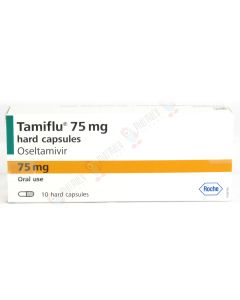
Tamiflu (Oseltamivir) is an antiviral medication that blocks the actions of ...
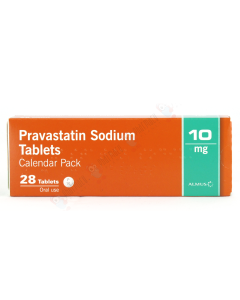
Pravastatin is a high cholesterol treatment in tablet form. This medicine h ...
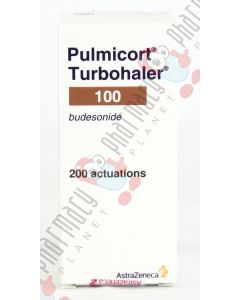
The Pulmicort Turbohaler is an inhaler designed for long-term asthma and CO ...
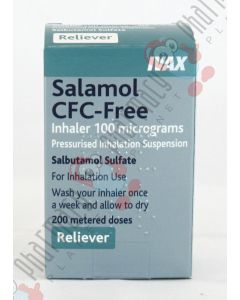
Salamol 100 mcg inhaler is used to relieve breathing difficulties caused by ...
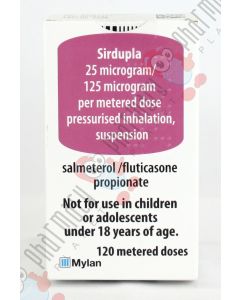
The Sirdupla Inhaler is a prescription combination inhaler that can be used ...
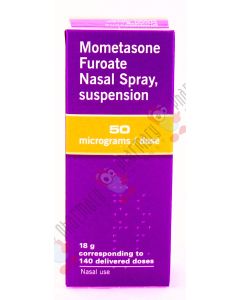
Nasonex nasal spray can effectively treat and prevent the symptoms of aller ...
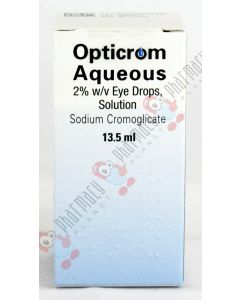
Opticrom aqueous eye drops provide quick relief from allergy symptoms which ...
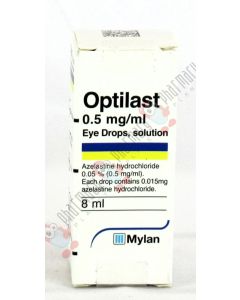
Optilast eye drop solution provides quick relief from allergic conjunctivit ...
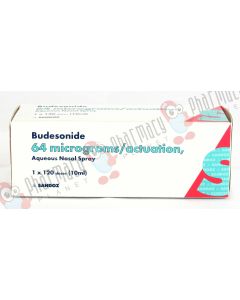
Rhinocort Aqueous nasal spray contains budesonide, which belongs to a group ...
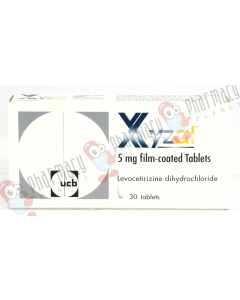
Levocetirizine Xyzal is a third-generation antihistamine derived from cetir ...
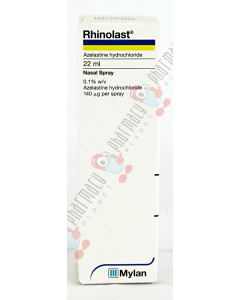
Rhinolast contains the active substance, azelastine hydrochloride, which be ...
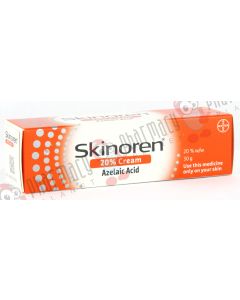
Skinoren is a treatment that works against bacteria to fight acne. It is ap ...
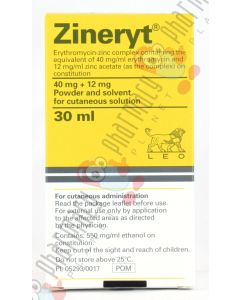
Zineryt Lotion is an excellent choice for individuals suffering from modera ...
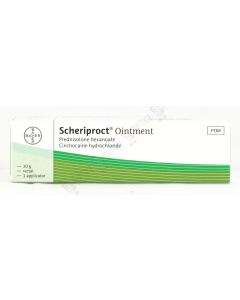
Scheriproct is a treatment for hemorrhoids. It contains two active ingredie ...
Xyloproct is a treatment for hemorrhoids. It comes in the form of an ointme ...
Tetralysal or Lymecycline is an antibacterial medication, well known for it ...
Oxytetracycline is an oral, anti-inflammatory antibiotic used in the proces ...
Salmeterol is an inhaler that is used to help prevent and control asthma an ...
Start your journey with us
Need Help?

Do you have a question about weight loss treatment?
Start your weight loss journey heading in the right direction. Our team are here to help. Whether you’re unsure about which medicine is right for you or need help navigating the world of weight loss drugs, our team are on hand to help you make the right decision. We can put you in touch with one of our experienced weight loss clinicians so you can be sure you’re making the best decision with the most accurate information.
To get in touch, contact our Customer Service team on 0800 978 8956 or email headoffice@pharmacyplanet.com.
Meet the team







Review By
GURDEV SEHMI
Last Updated On : Mar 13 2026
BSc Pharm, MRPharmS, Independent Prescriber, Superintendent Pharmacist, Clinical Lead
GPhC Number: 2050925
Authored By
GURDEV SEHMI
Last Reviewed On : Mar 23 2026
BSc Pharm, MRPharmS, Independent Prescriber, Superintendent Pharmacist, Clinical Lead
GPhC Number: 2050925


