



Bhupinder (Boo) Dhaliwale
ALLEVYN HEEL
Allevyn Heel is a cup shaped dressing that is designed for comfortably fit the unique curve of the heel. They also help to maintain a moist wound environment to assist in rapid healing. The thick padding is non-adhering which helps to reduce any trauma upon removal and helps to increase comfort and protection from any skin breakdown. The outer layer is bacteria roof and friction reducing for protection against any infection and tissue breakdown.

Consult

Select

Checkout
01
Select
the items you wish
to order
02
Order reviewed
by our qualified
prescriber
03
Delivered
to your door step
Your Selection
Please use the options provided to make your final selection.

ALLEVYN HEEL
£45.99
Total
Price Comparison
Select your preferred options and see the best price
| Pack | Price (£) | ||
|---|---|---|---|
| - | 10.5cm x 13.5cm (HEEL) | 5 | 45.99 |
It looks like you missed filling in questions from the last consultation.Click Here to submit your response.

No subscriptions or hidden fees

Secure checkout

UK Regulated online pharmacy

Trusted by over 250,000+ happy customers
ALLEVYN Heel Dressing | Contoured Foam Dressing for Heel and Ankle Wound Management
The heel presents one of the most anatomically challenging sites for wound dressing management. Its curved surface, the constant pressure it bears during rest, and the difficulty of applying standard flat dressings make consistent wound coverage difficult to achieve. ALLEVYN Heel is a hydrocellular foam dressing from Smith+Nephew contoured specifically for the heel and posterior ankle area. It provides exudate absorption and a moist wound healing environment within a shape designed to conform to the curved heel anatomy. It contains no silver and no antimicrobial agent. It is secured with a fixation bandage rather than an integrated adhesive border and is available in a single size of 10.5cm x 13.5cm. No prescription is required.
What Is ALLEVYN Heel?
ALLEVYN Heel is a regulated Class IIb medical device from Smith+Nephew. It is a hydrocellular polyurethane foam dressing shaped specifically to conform to the anatomy of the heel and posterior ankle. Standard flat or square dressings are poorly suited to the heel because they cannot conform to its curved surface and frequently lift or shift when the patient moves or is repositioned. ALLEVYN Heel addresses this with a contoured shape that follows the posterior aspect of the foot from the lower ankle to the plantar surface.
ALLEVYN Heel contains no silver and no antimicrobial agent. It is the non-antimicrobial equivalent of ALLEVYN Ag Heel, which contains silver sulfate for infection management. ALLEVYN Heel is suited to heel wounds that are clean and progressing toward healing, where exudate management and anatomical coverage are the clinical priorities and where infection is not a concern. For infected or at-risk heel wounds, ALLEVYN Ag Heel provides the same heel-contoured format with silver sulfate antimicrobial activity.
ALLEVYN Heel has no integrated adhesive border. It is secured in place with a secondary fixation product such as a cohesive or crepe bandage, tubular retention bandage, or wound retention dressing. This gives the clinician full control over the type and level of fixation applied, which is particularly important for patients with peripheral vascular disease or diabetes where bandage tension must be carefully managed.
ALLEVYN Heel is indicated for use on clean heel pressure ulcers, healing heel wounds, and other non-infected moderately exuding wounds on the heel and posterior ankle where an anatomically shaped foam dressing provides better coverage than a standard format.
ALLEVYN Heel contains no antimicrobial agent. It is not suitable for infected heel wounds. If the wound shows signs of infection, increasing pain, spreading redness, warmth, offensive odour, or a worsening wound, seek clinical assessment. ALLEVYN Ag Heel, which contains silver sulfate, is the antimicrobial equivalent for infected or at-risk heel wounds.
How Does ALLEVYN Heel Work?
Heel Contoured Shape
The defining feature of ALLEVYN Heel is its contoured shape. The dressing is designed to wrap around the posterior anatomy of the heel, following the curved surface from the lower ankle to the plantar aspect of the foot. This anatomical contouring maintains consistent contact between the foam pad and the wound surface throughout the wear period, reducing the displacement that occurs when a flat dressing is applied to a curved surface. Better wound contact means more consistent exudate management and a more stable wound environment between dressing changes.
Hydrocellular Foam Exudate Absorption
The hydrocellular polyurethane foam core absorbs wound exudate and holds it within the foam structure, away from the wound surface. This prevents pooling of exudate at the wound bed, reduces the risk of maceration of the periwound skin, and maintains a moist healing environment at the wound contact surface. The foam retains absorbed exudate under light compression, reducing the risk of fluid being returned to the wound surface when the dressing is covered by a fixation bandage or when the patient rests on the heel.
Moist Wound Healing
By absorbing excess exudate while retaining sufficient moisture at the wound surface, ALLEVYN Heel maintains the moist wound environment associated with effective cell migration, reduced pain during dressing changes, and facilitation of the natural healing process. The wound contact surface is non-adherent, allowing the dressing to be removed without significant disruption to the wound bed.
Fixation Flexibility
Because ALLEVYN Heel has no integrated border, the fixation can be tailored to the patient and the clinical situation. For most patients, a cohesive or tubular bandage provides adequate fixation. For patients with peripheral vascular disease or diabetes, a lighter retention dressing or net bandage can be used to avoid any compression of the foot and lower leg. This flexibility is an important clinical advantage in heel wound management where vascular status is often a consideration.
How to Apply ALLEVYN Heel
Before Application
- Wash hands and use appropriate gloves.
- Clean the wound with sterile saline or as directed by a healthcare professional.
- Gently dry the surrounding skin.
- Select an appropriate secondary fixation product before applying the dressing.
Application
- Position the dressing with the foam pad over the wound. The contoured shape should follow the heel anatomy from the posterior ankle to the plantar surface.
- Hold the dressing in position and apply the secondary fixation product over the dressing to hold it in place.
- Ensure the fixation covers the perimeter of the foam pad to prevent the dressing from shifting.
- Do not apply the fixation bandage so tightly that it restricts blood flow, particularly in patients with peripheral vascular disease or diabetes. Seek clinical guidance on appropriate bandage tension for these patients.
- Label with the date and time of application.
Wear Time and Removal
- ALLEVYN Heel can be worn for up to seven days depending on wound exudate levels.
- Change earlier if exudate reaches the edge of the foam pad, if the fixation bandage slips or loosens, or if clinical assessment indicates the wound has changed.
- Remove the fixation bandage first, then lift the foam pad from the wound surface.
- If the dressing has partially dried onto the wound surface, moisten with sterile saline before removal to avoid trauma.
- Reassess the wound at each change. Monitor for any signs of infection and review whether ALLEVYN Heel remains the most appropriate dressing or whether an antimicrobial dressing such as ALLEVYN Ag Heel is now indicated.
Size Available
ALLEVYN Heel — 10.5cm x 13.5cm
ALLEVYN Heel is available in a single size of 10.5cm x 13.5cm. The dimensions reflect the contoured heel shape rather than a standard flat rectangle. This size is designed to provide adequate coverage for the typical range of heel wound dimensions encountered in clinical practice.
If the heel wound is significantly larger than the foam pad coverage area, seek clinical guidance from a tissue viability nurse, district nurse, or podiatrist. For very large heel wounds, an alternative dressing approach may be required.
Safety Information and Precautions
Do Not Use ALLEVYN Heel If
- The patient has a known allergy or hypersensitivity to polyurethane foam or any component of the dressing.
- The wound is infected or at risk of infection. ALLEVYN Heel contains no antimicrobial agent. Use ALLEVYN Ag Heel for infected or at-risk heel wounds.
- The wound is dry or minimally exuding. An absorbent foam on a dry wound may desiccate the wound surface.
Precautions
- ALLEVYN Heel is a single use product. Do not reuse or reapply a used dressing.
- Exercise care when applying the fixation bandage in patients with peripheral vascular disease, diabetes, or oedema. Seek clinical guidance on appropriate fixation tension. Do not apply a compressive bandage without clinical assessment of vascular status.
- Monitor the wound closely at each dressing change. Heel wounds in patients with diabetes or vascular disease can deteriorate rapidly. Seek urgent clinical assessment if the wound worsens, if new black or dark tissue appears, or if the patient develops fever or systemic symptoms.
- Do not use MRI scanning with the dressing in place. Remove before MRI procedures.
Adverse Effects
- Wound bed desiccation if exudate levels fall and the dressing is not reviewed, reassess dressing choice if the wound becomes drier.
- If the fixation bandage causes discomfort or circulatory concern, review the fixation method and tension.
Who Is ALLEVYN Heel Suitable For?
ALLEVYN Heel Is Suitable For Use On
- Clean, non-infected heel pressure ulcers with moderate exudate where anatomical coverage and exudate management are the clinical priorities
- Healing heel wounds in the later stages of recovery where infection has been managed and only exudate control and wound protection are needed
- Other non-infected moderately exuding wounds on the heel and posterior ankle where the contoured shape provides better coverage than a standard flat dressing
- Adults and children under healthcare professional supervision
ALLEVYN Heel Is Not Suitable For
- Infected or at-risk heel wounds - use ALLEVYN Ag Heel instead
- Dry or minimally exuding wounds
- Patients with known allergy to the dressing components
ALLEVYN Heel vs ALLEVYN Ag Heel
ALLEVYN Heel and ALLEVYN Ag Heel share the same contoured heel shape and are both secured with a fixation bandage. The key difference is that ALLEVYN Ag Heel contains silver sulfate for antimicrobial infection management, while ALLEVYN Heel contains no silver. Use ALLEVYN Heel for clean healing heel wounds where infection is not a concern. Use ALLEVYN Ag Heel when the heel wound is infected or at significant risk of infection. Both are available from Pharmacy Planet in the same single size of 10.5cm x 13.5cm.
Where to Buy and How to Order
ALLEVYN Heel is a regulated medical device and does not require a prescription. It can be purchased directly through Pharmacy Planet without a clinical consultation. It is available in the single size of 10.5cm x 13.5cm.
Pharmacy Planet stocks both ALLEVYN Heel and ALLEVYN Ag Heel, making it straightforward to select the appropriate heel dressing based on whether antimicrobial management is clinically needed. We also stock the full ALLEVYN Gentle Border range including a Heel configuration, for wounds where gentle silicone adhesion is preferred over bandage fixation.
Heel wounds in patients with diabetes, peripheral vascular disease, or significant pressure ulcers should be managed under clinical supervision. Seek assessment from a tissue viability nurse, district nurse, podiatrist, or GP for any heel wound that is complex, worsening, or not healing as expected.
Storage and Handling
- Store in a cool, dry place away from direct sunlight and moisture.
- Store below 25°C.
- Keep in the original sealed packaging until immediately before use.
- Each dressing is individually sterile packed. Do not use if the packaging is damaged or compromised.
- Check the expiry date before use. Do not use after the expiry date.
- Once opened, apply immediately.
- Keep out of the reach of children.
- Dispose of used dressings as clinical waste in accordance with local guidelines.
Why Choose Pharmacy Planet?
Pharmacy Planet is a GPhC registered online pharmacy stocking both ALLEVYN Heel and ALLEVYN Ag Heel, along with the full ALLEVYN range and a comprehensive selection of wound care products. All products are genuine and sourced through regulated supply chains.
Our pharmacists can advise on whether ALLEVYN Heel or ALLEVYN Ag Heel is most appropriate for a specific wound, and on suitable secondary fixation products for heel wound management.
References
- Smith+Nephew. ALLEVYN Heel Wound Dressing — Instructions for Use. Smith+Nephew Medical Ltd. https://www.smith-nephew.com. Accessed May 2026.
- National Institute for Health and Care Excellence (NICE). Pressure ulcers: prevention and management (CG179). https://www.nice.org.uk/guidance/cg179. Accessed May 2026.
- Wounds UK. Heel pressure ulcer guidance and management. https://www.wounds-uk.com. Accessed May 2026.
- NHS. Pressure sores (pressure ulcers). https://www.nhs.uk/conditions/pressure-sores. Accessed May 2026.
ALLEVYN HEEL
The heel presents one of the most anatomically challenging sites for wound dressing management. Its curved surface, the constant pressure it bears during rest, and the difficulty of applying standard flat dressings make consistent wound coverage difficult to achieve. ALLEVYN Heel is a hydrocellular foam dressing from Smith+Nephew contoured specifically for the heel and posterior ankle area. It provides exudate absorption and a moist wound healing environment within a shape designed to conform to the curved heel anatomy. It contains no silver and no antimicrobial agent. It is secured with a fixation bandage rather than an integrated adhesive border and is available in a single size of 10.5cm x 13.5cm. No prescription is required.
ALLEVYN Heel is a regulated Class IIb medical device from Smith+Nephew. It is a hydrocellular polyurethane foam dressing shaped specifically to conform to the anatomy of the heel and posterior ankle. Standard flat or square dressings are poorly suited to the heel because they cannot conform to its curved surface and frequently lift or shift when the patient moves or is repositioned. ALLEVYN Heel addresses this with a contoured shape that follows the posterior aspect of the foot from the lower ankle to the plantar surface.
ALLEVYN Heel contains no silver and no antimicrobial agent. It is the non-antimicrobial equivalent of ALLEVYN Ag Heel, which contains silver sulfate for infection management. ALLEVYN Heel is suited to heel wounds that are clean and progressing toward healing, where exudate management and anatomical coverage are the clinical priorities and where infection is not a concern. For infected or at-risk heel wounds, ALLEVYN Ag Heel provides the same heel-contoured format with silver sulfate antimicrobial activity.
ALLEVYN Heel has no integrated adhesive border. It is secured in place with a secondary fixation product such as a cohesive or crepe bandage, tubular retention bandage, or wound retention dressing. This gives the clinician full control over the type and level of fixation applied, which is particularly important for patients with peripheral vascular disease or diabetes where bandage tension must be carefully managed.
ALLEVYN Heel is indicated for use on clean heel pressure ulcers, healing heel wounds, and other non-infected moderately exuding wounds on the heel and posterior ankle where an anatomically shaped foam dressing provides better coverage than a standard format.
ALLEVYN Heel contains no antimicrobial agent. It is not suitable for infected heel wounds. If the wound shows signs of infection, increasing pain, spreading redness, warmth, offensive odour, or a worsening wound, seek clinical assessment. ALLEVYN Ag Heel, which contains silver sulfate, is the antimicrobial equivalent for infected or at-risk heel wounds.
Heel Contoured Shape
The defining feature of ALLEVYN Heel is its contoured shape. The dressing is designed to wrap around the posterior anatomy of the heel, following the curved surface from the lower ankle to the plantar aspect of the foot. This anatomical contouring maintains consistent contact between the foam pad and the wound surface throughout the wear period, reducing the displacement that occurs when a flat dressing is applied to a curved surface. Better wound contact means more consistent exudate management and a more stable wound environment between dressing changes.
Hydrocellular Foam Exudate Absorption
The hydrocellular polyurethane foam core absorbs wound exudate and holds it within the foam structure, away from the wound surface. This prevents pooling of exudate at the wound bed, reduces the risk of maceration of the periwound skin, and maintains a moist healing environment at the wound contact surface. The foam retains absorbed exudate under light compression, reducing the risk of fluid being returned to the wound surface when the dressing is covered by a fixation bandage or when the patient rests on the heel.
Moist Wound Healing
By absorbing excess exudate while retaining sufficient moisture at the wound surface, ALLEVYN Heel maintains the moist wound environment associated with effective cell migration, reduced pain during dressing changes, and facilitation of the natural healing process. The wound contact surface is non-adherent, allowing the dressing to be removed without significant disruption to the wound bed.
Fixation Flexibility
Because ALLEVYN Heel has no integrated border, the fixation can be tailored to the patient and the clinical situation. For most patients, a cohesive or tubular bandage provides adequate fixation. For patients with peripheral vascular disease or diabetes, a lighter retention dressing or net bandage can be used to avoid any compression of the foot and lower leg. This flexibility is an important clinical advantage in heel wound management where vascular status is often a consideration.
Before Application
- Wash hands and use appropriate gloves.
- Clean the wound with sterile saline or as directed by a healthcare professional.
- Gently dry the surrounding skin.
- Select an appropriate secondary fixation product before applying the dressing.
Application
- Position the dressing with the foam pad over the wound. The contoured shape should follow the heel anatomy from the posterior ankle to the plantar surface.
- Hold the dressing in position and apply the secondary fixation product over the dressing to hold it in place.
- Ensure the fixation covers the perimeter of the foam pad to prevent the dressing from shifting.
- Do not apply the fixation bandage so tightly that it restricts blood flow, particularly in patients with peripheral vascular disease or diabetes. Seek clinical guidance on appropriate bandage tension for these patients.
- Label with the date and time of application.
Wear Time and Removal
- ALLEVYN Heel can be worn for up to seven days depending on wound exudate levels.
- Change earlier if exudate reaches the edge of the foam pad, if the fixation bandage slips or loosens, or if clinical assessment indicates the wound has changed.
- Remove the fixation bandage first, then lift the foam pad from the wound surface.
- If the dressing has partially dried onto the wound surface, moisten with sterile saline before removal to avoid trauma.
- Reassess the wound at each change. Monitor for any signs of infection and review whether ALLEVYN Heel remains the most appropriate dressing or whether an antimicrobial dressing such as ALLEVYN Ag Heel is now indicated.
ALLEVYN Heel — 10.5cm x 13.5cm
ALLEVYN Heel is available in a single size of 10.5cm x 13.5cm. The dimensions reflect the contoured heel shape rather than a standard flat rectangle. This size is designed to provide adequate coverage for the typical range of heel wound dimensions encountered in clinical practice.
If the heel wound is significantly larger than the foam pad coverage area, seek clinical guidance from a tissue viability nurse, district nurse, or podiatrist. For very large heel wounds, an alternative dressing approach may be required.
Do Not Use ALLEVYN Heel If
- The patient has a known allergy or hypersensitivity to polyurethane foam or any component of the dressing.
- The wound is infected or at risk of infection. ALLEVYN Heel contains no antimicrobial agent. Use ALLEVYN Ag Heel for infected or at-risk heel wounds.
- The wound is dry or minimally exuding. An absorbent foam on a dry wound may desiccate the wound surface.
Precautions
- ALLEVYN Heel is a single use product. Do not reuse or reapply a used dressing.
- Exercise care when applying the fixation bandage in patients with peripheral vascular disease, diabetes, or oedema. Seek clinical guidance on appropriate fixation tension. Do not apply a compressive bandage without clinical assessment of vascular status.
- Monitor the wound closely at each dressing change. Heel wounds in patients with diabetes or vascular disease can deteriorate rapidly. Seek urgent clinical assessment if the wound worsens, if new black or dark tissue appears, or if the patient develops fever or systemic symptoms.
- Do not use MRI scanning with the dressing in place. Remove before MRI procedures.
Adverse Effects
- Wound bed desiccation if exudate levels fall and the dressing is not reviewed, reassess dressing choice if the wound becomes drier.
- If the fixation bandage causes discomfort or circulatory concern, review the fixation method and tension.
ALLEVYN Heel Is Suitable For Use On
- Clean, non-infected heel pressure ulcers with moderate exudate where anatomical coverage and exudate management are the clinical priorities
- Healing heel wounds in the later stages of recovery where infection has been managed and only exudate control and wound protection are needed
- Other non-infected moderately exuding wounds on the heel and posterior ankle where the contoured shape provides better coverage than a standard flat dressing
- Adults and children under healthcare professional supervision
ALLEVYN Heel Is Not Suitable For
- Infected or at-risk heel wounds - use ALLEVYN Ag Heel instead
- Dry or minimally exuding wounds
- Patients with known allergy to the dressing components
ALLEVYN Heel and ALLEVYN Ag Heel share the same contoured heel shape and are both secured with a fixation bandage. The key difference is that ALLEVYN Ag Heel contains silver sulfate for antimicrobial infection management, while ALLEVYN Heel contains no silver. Use ALLEVYN Heel for clean healing heel wounds where infection is not a concern. Use ALLEVYN Ag Heel when the heel wound is infected or at significant risk of infection. Both are available from Pharmacy Planet in the same single size of 10.5cm x 13.5cm.
ALLEVYN Heel is a regulated medical device and does not require a prescription. It can be purchased directly through Pharmacy Planet without a clinical consultation. It is available in the single size of 10.5cm x 13.5cm.
Pharmacy Planet stocks both ALLEVYN Heel and ALLEVYN Ag Heel, making it straightforward to select the appropriate heel dressing based on whether antimicrobial management is clinically needed. We also stock the full ALLEVYN Gentle Border range including a Heel configuration, for wounds where gentle silicone adhesion is preferred over bandage fixation.
Heel wounds in patients with diabetes, peripheral vascular disease, or significant pressure ulcers should be managed under clinical supervision. Seek assessment from a tissue viability nurse, district nurse, podiatrist, or GP for any heel wound that is complex, worsening, or not healing as expected.
- Store in a cool, dry place away from direct sunlight and moisture.
- Store below 25°C.
- Keep in the original sealed packaging until immediately before use.
- Each dressing is individually sterile packed. Do not use if the packaging is damaged or compromised.
- Check the expiry date before use. Do not use after the expiry date.
- Once opened, apply immediately.
- Keep out of the reach of children.
- Dispose of used dressings as clinical waste in accordance with local guidelines.
Pharmacy Planet is a GPhC registered online pharmacy stocking both ALLEVYN Heel and ALLEVYN Ag Heel, along with the full ALLEVYN range and a comprehensive selection of wound care products. All products are genuine and sourced through regulated supply chains.
Our pharmacists can advise on whether ALLEVYN Heel or ALLEVYN Ag Heel is most appropriate for a specific wound, and on suitable secondary fixation products for heel wound management.
References
- Smith+Nephew. ALLEVYN Heel Wound Dressing — Instructions for Use. Smith+Nephew Medical Ltd. https://www.smith-nephew.com. Accessed May 2026.
- National Institute for Health and Care Excellence (NICE). Pressure ulcers: prevention and management (CG179). https://www.nice.org.uk/guidance/cg179. Accessed May 2026.
- Wounds UK. Heel pressure ulcer guidance and management. https://www.wounds-uk.com. Accessed May 2026.
- NHS. Pressure sores (pressure ulcers). https://www.nhs.uk/conditions/pressure-sores. Accessed May 2026.
Frequently Asked Questions
ALLEVYN Heel is a hydrocellular foam dressing contoured specifically for the heel and posterior ankle area. It is used for clean, non infected heel wounds with moderate exudate including healing heel pressure ulcers and other moderately exuding heel wounds where anatomical coverage and exudate management are the clinical priorities. It contains no silver or antimicrobial agent. It is secured with a fixation bandage and is available in a single size of 10.5cm x 13.5cm. No prescription required.
Both products share the same contoured heel shape and are secured with a fixation bandage rather than an integrated adhesive border. The key difference is that ALLEVYN Ag Heel contains silver sulfate for antimicrobial infection management, while ALLEVYN Heel contains no silver. Choose ALLEVYN Heel for clean, healing heel wounds where infection is not a concern. Choose ALLEVYN Ag Heel when the heel wound is infected or at significant risk of infection. Both are available from Pharmacy Planet in the 10.5cm x 13.5cm size.
ALLEVYN Heel has no adhesive border and must be secured with a secondary fixation product. Suitable options include a cohesive bandage, crepe bandage, tubular retention bandage, or wound retention dressing. Position the dressing over the wound with the contoured shape following the heel anatomy, then apply the fixation product over the dressing to hold it securely in place. Ensure the fixation covers the entire perimeter of the foam pad. For patients with diabetes or peripheral vascular disease, apply fixation carefully without compression and seek clinical guidance on appropriate tension.
ALLEVYN Heel can be used for diabetic heel wounds but only when the wound is clean and healing and infection is not present or at risk. All diabetic foot and heel wounds require clinical assessment from a healthcare professional, ideally a podiatrist or diabetic foot team. Diabetic heel wounds carry a high risk of serious infection and may be associated with peripheral neuropathy that reduces pain sensation, meaning deterioration can occur without obvious symptoms. ALLEVYN Ag Heel is more appropriate when any infection risk is present. A dressing alone is not sufficient management for diabetic heel wounds.
ALLEVYN Heel can remain in place for up to seven days depending on wound exudate levels. Change earlier if exudate reaches the edge of the foam pad, if the fixation bandage slips or loosens, if the wound condition changes, or if clinical assessment indicates an earlier change is needed. At each dressing change, reassess the wound and confirm that ALLEVYN Heel remains appropriate. If signs of infection develop, switch to ALLEVYN Ag Heel or seek clinical assessment.
The contoured shape of ALLEVYN Heel is designed to follow the curved anatomy of the heel and posterior ankle. Standard flat or square dressings cannot conform adequately to this curved surface and frequently lift, wrinkle, or shift when the patient moves or is repositioned. The contoured shape maintains consistent contact between the foam pad and the wound, providing more stable exudate management and reducing dressing displacement between changes. This is particularly important for heel wounds in immobile or bedridden patients where consistent wound coverage is essential.
ALLEVYN Gentle Border Heel is a silicone-bordered self-adhesive dressing for heel wounds where the border can adhere to the periwound skin. ALLEVYN Heel is a non-adhesive foam pad secured with a fixation bandage, suited to situations where no adhesive can be applied to the periwound skin or where bandage fixation is clinically preferred. ALLEVYN Gentle Border Heel is more convenient for outpatients and self-caring patients. ALLEVYN Heel gives more flexibility in fixation choice, particularly where vascular status requires careful bandage management.
No. ALLEVYN Heel is a regulated medical device and does not require a prescription. It can be purchased directly from Pharmacy Planet without a clinical consultation in the single size of 10.5cm x 13.5cm. Heel wounds, particularly in patients with diabetes or peripheral vascular disease, should be managed under clinical supervision. Seek assessment from a tissue viability nurse, district nurse, podiatrist, or GP for any complex, deteriorating, or non-healing heel wound.
How it works

Complete our online
clinical consultation
clinical consultation
Answer a few questions on your health and your fitness goals.

Clinical
assessment
assessment
Our clinicians will review your clinical questionnaire to make sure treatment is right for you.
Welcome
aboard!
aboard!
Once approved, you will access our wealth of experience and resources curated by our team and begin your clinical journey.
Treatment options
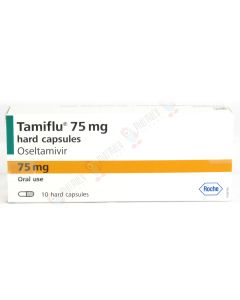
Tamiflu (Oseltamivir) is an antiviral medication that blocks the actions of ...
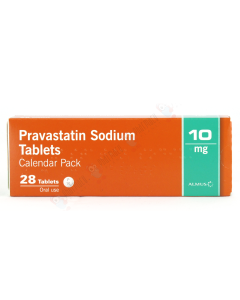
Pravastatin is a high cholesterol treatment in tablet form. This medicine h ...
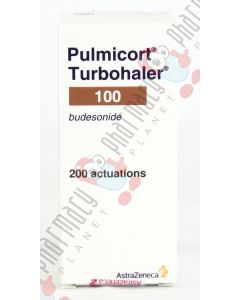
The Pulmicort Turbohaler is an inhaler designed for long-term asthma and CO ...
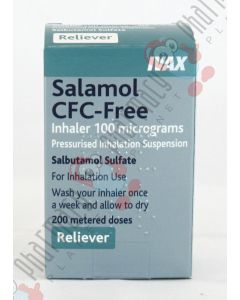
Salamol 100 mcg inhaler is used to relieve breathing difficulties caused by ...
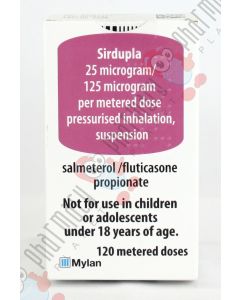
The Sirdupla Inhaler is a prescription combination inhaler that can be used ...
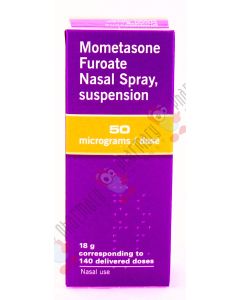
Nasonex nasal spray can effectively treat and prevent the symptoms of aller ...
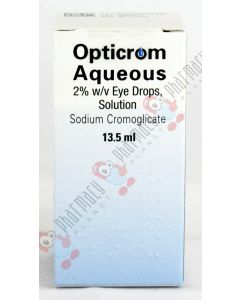
Opticrom aqueous eye drops provide quick relief from allergy symptoms which ...
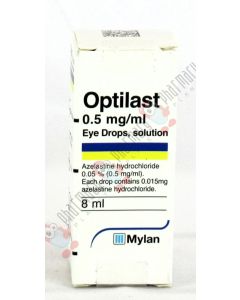
Optilast eye drop solution provides quick relief from allergic conjunctivit ...
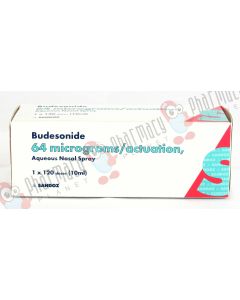
Rhinocort Aqueous nasal spray contains budesonide, which belongs to a group ...
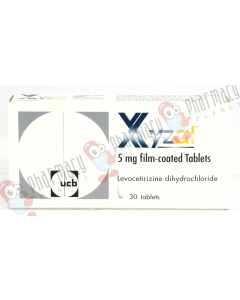
Levocetirizine Xyzal is a third-generation antihistamine derived from cetir ...
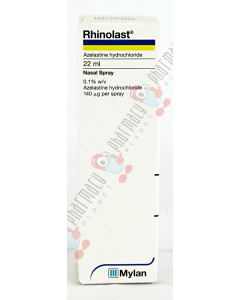
Rhinolast contains the active substance, azelastine hydrochloride, which be ...
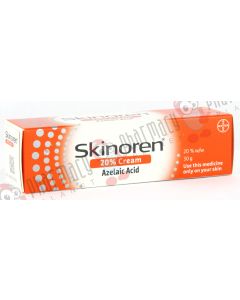
Skinoren is a treatment that works against bacteria to fight acne. It is ap ...
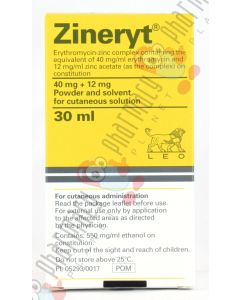
Zineryt Lotion is an excellent choice for individuals suffering from modera ...
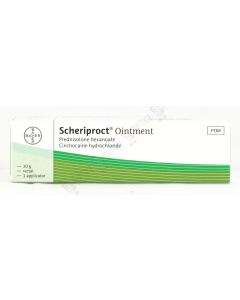
Scheriproct is a treatment for hemorrhoids. It contains two active ingredie ...
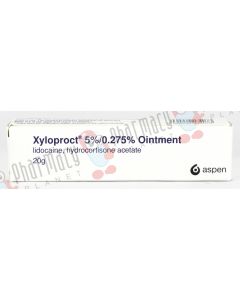
Xyloproct is a treatment for hemorrhoids. It comes in the form of an ointme ...
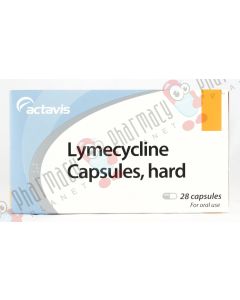
Tetralysal or Lymecycline is an antibacterial medication, well known for it ...
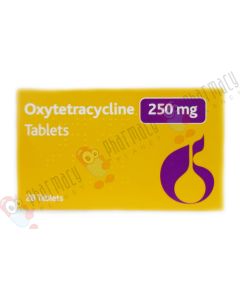
Oxytetracycline is an oral, anti-inflammatory antibiotic used in the proces ...
Salmeterol is an inhaler that is used to help prevent and control asthma an ...
Start your journey with us
Need Help?

Do you have a question about weight loss treatment?
Start your weight loss journey heading in the right direction. Our team are here to help. Whether you’re unsure about which medicine is right for you or need help navigating the world of weight loss drugs, our team are on hand to help you make the right decision. We can put you in touch with one of our experienced weight loss clinicians so you can be sure you’re making the best decision with the most accurate information.
To get in touch, contact our Customer Service team on 0800 978 8956 or email headoffice@pharmacyplanet.com.
Meet the team







Review By
GURDEV SEHMI
Last Updated On : Mar 13 2026
BSc Pharm, MRPharmS, Independent Prescriber, Superintendent Pharmacist, Clinical Lead
GPhC Number: 2050925
Authored By
GURDEV SEHMI
Last Reviewed On : Mar 23 2026
BSc Pharm, MRPharmS, Independent Prescriber, Superintendent Pharmacist, Clinical Lead
GPhC Number: 2050925


