



Bhupinder (Boo) Dhaliwale
BACTIGRAS
Bactigras® dressing consists of leno-weave fabric, impregnated with soft paraffin BP that contains 0.5% of chlorhexidine acetate BP. Chlorhexidine is an antimicrobial agent that works actively against a wide array of gram-positive and gram-negative bacteria, but inactive against spores, viruses, and fungi. Such a dressing is used in skin loss lesions to avoid infection. The soft paraffin dressings can decrease wound infection and inflammation. It has low adhesiveness and allows the wounds to drain fully into an absorbent secondary dressing. This dressing is suitable for covering different wounds such as lacerations, minor burns, graft sites, abrasions, and leg ulcers. It can also be used along with other antibacterial topical and systemic agents. BACTIGRAS can be also used as an adjunct to systematic antibiotic therapy.

Consult

Select

Checkout
01
Select
the items you wish
to order
02
Order reviewed
by our qualified
prescriber
03
Delivered
to your door step
Your Selection
Please use the options provided to make your final selection.

BACTIGRAS
£9.99
Total
Price Comparison
Select your preferred options and see the best price
| Pack | Price (£) | ||
|---|---|---|---|
| - | 10cm x 10cm [10] | 1 box | 9.99 |
| - | 5cm x 5cm [50] | 1 box | 26.49 |
| - | 15cm x 20cm [10] | 1 box | 56.49 |
| - | 15cm x 1m (ROLL) [12] | 1 box | 56.49 |
It looks like you missed filling in questions from the last consultation.Click Here to submit your response.

No subscriptions or hidden fees

Secure checkout

UK Regulated online pharmacy

Trusted by over 250,000+ happy customers
Bactigras | Chlorhexidine Paraffin Tulle Dressing for Wound Infection Management
A low adherent antiseptic wound contact dressing that combines effective antimicrobial activity with gentle removal is a valuable tool across a wide range of wound care settings. Bactigras is a paraffin tulle dressing from Smith & Nephew impregnated with chlorhexidine acetate 0.5%, a broad-spectrum antiseptic. The paraffin base keeps the open-weave gauze from adhering firmly to the wound surface, while the chlorhexidine provides antiseptic activity at the wound contact surface. It is used for infected and at risk wounds including skin grafts, donor sites, burns, and minor acute wounds. Available in four configurations including a roll format. No prescription is required.
What Is Bactigras?
Bactigras is a regulated Class IIb medical device from Smith & Nephew. It is an open-weave cotton gauze tulle dressing impregnated with two components: white soft paraffin (petroleum jelly) and chlorhexidine acetate 0.5%. The combination of these two components gives Bactigras its defining clinical properties: low adherence to the wound surface and antiseptic activity.
A tulle dressing is a fabric wound contact layer in which the gauze weave allows wound exudate to pass through into a secondary absorbent dressing above, while the impregnant keeps the gauze from bonding firmly to the wound tissue. In Bactigras, the paraffin impregnant performs this low-adherence function. The chlorhexidine acetate dissolved within the paraffin is released at the wound surface when the dressing contacts wound exudate, providing local antiseptic activity.
Chlorhexidine is a broad-spectrum antiseptic with activity against a wide range of wound pathogens including Gram-positive bacteria such as Staphylococcus aureus and Streptococcus species, Gram-negative bacteria such as Pseudomonas aeruginosa, and many fungi. It acts by disrupting bacterial cell membranes. The chlorhexidine in Bactigras is delivered locally at the wound surface from the tulle contact layer, rather than being absorbed systemically in significant quantities.
Bactigras is indicated for use on infected or at risk wounds where local antiseptic management is needed at the wound contact surface, including skin graft donor and recipient sites, partial thickness burns, traumatic wounds, leg ulcers, and other acute and chronic wounds where antiseptic coverage is clinically appropriate.
Bactigras contains chlorhexidine. Do not use on patients with a known allergy or sensitivity to chlorhexidine. Chlorhexidine sensitivity is a recognised and clinically important hypersensitivity that can cause serious reactions. Check chlorhexidine allergy status before use. Bactigras also contains paraffin. Keep away from naked flames, cigarettes, and other ignition sources during use, as paraffin-based dressings are flammable.
How Does Bactigras Work?
Paraffin Base: Low Adherence
The paraffin impregnant in Bactigras fills the spaces within the open-weave gauze, creating a semi-occlusive wound contact surface. This reduces the ability of the gauze fibres to bond to wound tissue, blood clot, and wound exudate. At dressing removal, the paraffin-impregnated gauze separates from the wound surface with less force and less trauma to the healing tissue compared with dry gauze or non-impregnated materials. The open weave still allows wound exudate to pass through to the secondary dressing.
Chlorhexidine Acetate 0.5%: Antiseptic Activity
Chlorhexidine acetate is a cationic antiseptic that disrupts bacterial cell membranes by binding to negatively charged phospholipids on the bacterial surface. This disruption causes leakage of cell contents and bacterial death. The chlorhexidine in Bactigras is released from the paraffin impregnant as wound exudate contacts the dressing, providing sustained local antiseptic activity at the wound surface throughout the wear period. The concentration of 0.5% chlorhexidine acetate is sufficient for broad-spectrum antiseptic action while remaining appropriate for wound contact use.
Secondary Dressing Requirement
Bactigras is a wound contact layer only. It has no absorbent capacity of its own. Wound exudate passes through the open-weave gauze into a secondary absorbent dressing applied over it. The secondary dressing is selected based on the wound exudate level — a simple gauze pad for low-exudate wounds, an absorbent foam or hydrofiber dressing for moderate to heavy exudate. The type and frequency of secondary dressing change may differ from the Bactigras change frequency.
How to Apply Bactigras
Before Application
- Wash hands and use appropriate gloves.
- Clean the wound with sterile saline or as directed by a healthcare professional.
- Confirm the patient has no known allergy or sensitivity to chlorhexidine or paraffin before applying.
Application
- For sheet formats (5cm x 5cm, 10cm x 10cm, 15cm x 20cm): remove from the sterile packaging and apply the dressing directly to the wound surface, ensuring full wound coverage.
- For the roll format (15cm x 1m): cut the required length from the roll using sterile scissors in clean conditions. Apply the cut length to the wound surface.
- Apply an appropriate secondary absorbent dressing over the Bactigras to absorb wound exudate.
- Secure the secondary dressing with tape or a bandage as clinically appropriate.
- Label with the date and time of application.
Wear Time and Removal
- The recommended wear time for Bactigras is up to three days in most wound applications, though this may vary depending on wound type and exudate level. Follow clinical guidance on change frequency.
- The secondary dressing may need to be changed more frequently than the Bactigras itself if it becomes saturated with exudate.
- To remove, soak the dressing with sterile saline if it is adherent. Gently lift from the wound surface.
- Assess the wound at each change. Review whether Bactigras remains appropriate or whether a different dressing approach is indicated.
- Keep Bactigras and paraffin-impregnated dressings away from naked flames, cigarettes, and other ignition sources while in use. Paraffin is flammable. This includes avoiding smoking near the dressing site and keeping the dressing away from open fires and electric bar heaters.
Sizes and Configurations Available
Bactigras 5cm x 5cm — Pack of 50
The smallest size, available in a large pack of 50 individual sterile dressings. Suitable for small wounds, digit wounds, minor acute wounds, and clinical settings with high turnover. The pack of 50 provides a cost-effective supply for settings where frequent Bactigras changes across multiple patients are needed.
Bactigras 10cm x 10cm — Pack of 10
A versatile medium square size suitable for moderate-sized wounds including venous leg ulcers, pressure ulcers, traumatic wounds, and post-operative sites. The pack of 10 is appropriate for home use and for clinical settings managing individual patients with ongoing wound care needs.
Bactigras 15cm x 20cm — Pack of 10
A larger rectangular size suited to more extensive wound areas including larger leg ulcer areas, wider donor sites, more extensive burn areas, and wounds where broader wound contact coverage is needed. The pack of 10 suits clinical settings and patients managing larger wounds.
Bactigras Roll 15cm x 1m — Pack of 12
The roll format provides a 15cm wide, 1 metre long continuous length of Bactigras that can be cut to any required length using sterile scissors. The roll is particularly suited to burn management, extensive donor sites, and irregular or larger wound areas where a custom-cut length provides more accurate coverage than a fixed-size sheet. Each roll is individually packaged and sterile. A pack of 12 rolls is available, suited to clinical environments such as burns units and plastic surgery settings where regular large-area wound management occurs.
When selecting a format, choose the size or roll length that covers the entire wound bed. Bactigras should not overlap significantly onto intact periwound skin, as chlorhexidine has the potential to cause irritation on healthy skin with prolonged contact.
Safety Information and Precautions
Contraindications
- Known allergy or hypersensitivity to chlorhexidine. Chlorhexidine sensitivity can cause serious allergic reactions including anaphylaxis. Always check allergy status before use.
- Known sensitivity to paraffin or any other component of the dressing.
- Do not use in the ear canal or in areas where the dressing cannot be fully retrieved.
Precautions and Warnings
- Paraffin dressings are flammable. Keep away from naked flames, cigarettes, and all ignition sources while the dressing is in use.
- Do not use on dry or granulating wounds where the dressing is not indicated. Bactigras is a wound contact antiseptic dressing for wounds where chlorhexidine antiseptic coverage is clinically appropriate.
- Prolonged or extensive use of chlorhexidine containing dressings should be reviewed clinically. Prolonged skin contact with chlorhexidine can cause irritation or sensitisation.
- Single use only. Do not reuse or resterilise.
- Do not use MRI scanning with the dressing in place.
Adverse Effects
- Skin irritation, contact dermatitis, or hypersensitivity reactions at the wound or periwound area. Discontinue if these occur and seek clinical assessment.
- In patients with chlorhexidine sensitivity: potentially serious allergic reactions. Seek urgent medical attention if a systemic reaction occurs after use.
- Wound adherence if the paraffin impregnant has dried and the dressing has been left in place longer than recommended. Soak with saline before removal.
Who Is Bactigras Suitable For?
Bactigras Is Suitable For Use On
- Infected or at-risk acute wounds including traumatic lacerations, abrasions, and post-operative wounds where local antiseptic management is indicated
- Partial thickness burns where a low adherent antiseptic wound contact layer is clinically appropriate
- Skin graft donor sites and recipient sites where antiseptic coverage and low adherence at the wound contact surface are needed
- Venous leg ulcers, pressure ulcers, and other chronic wounds with signs of infection or at risk of infection where local chlorhexidine antiseptic coverage is part of the wound management plan
- Adults and children under healthcare professional supervision
Where to Buy and How to Order
Bactigras is a regulated medical device and does not require a prescription. It can be purchased directly through Pharmacy Planet without a clinical consultation. It is available in four configurations: 5cm x 5cm (pack of 50), 10cm x 10cm (pack of 10), 15cm x 20cm (pack of 10), and roll 15cm x 1m (pack of 12).
Pharmacy Planet stocks Bactigras alongside a comprehensive range of primary and secondary wound care products. Our pharmacists can advise on appropriate secondary dressings for use with Bactigras and on when clinical referral is appropriate.
For complex wounds, burns, or skin graft management, clinical oversight from a tissue viability nurse, burns nurse, or GP is recommended alongside dressing purchase.
Storage and Handling
- Store in a cool, dry place away from direct sunlight and moisture.
- Store below 25°C.
- Keep away from naked flames and ignition sources. Paraffin is flammable.
- Keep in the original sealed packaging until immediately before use.
- Each dressing or roll is individually sterile packed. Do not use if the packaging is damaged or compromised.
- Check the expiry date before use. Do not use after the expiry date.
- Once opened, apply immediately. Do not store a partially used roll for extended periods.
- Keep out of the reach of children.
- Dispose of used dressings as clinical waste in accordance with local guidelines.
Why Choose Pharmacy Planet?
Pharmacy Planet is a GPhC registered online pharmacy providing access to Bactigras in all four configurations alongside a comprehensive range of wound care products. All products are genuine and sourced through regulated supply chains.
Our pharmacists are available to advise on Bactigras selection and on suitable secondary dressings and can signpost when clinical wound assessment is appropriate.
References
- Smith & Nephew. Bactigras — Instructions for Use and Product Information. Smith & Nephew Medical Ltd. https://www.smith-nephew.com. Accessed May 2026.
- Wounds UK. Best Practice Statement: Wound exudate — effective assessment and management. https://www.wounds-uk.com. Accessed May 2026.
- National Institute for Health and Care Excellence (NICE). Wound care products — Drug Tariff prescribing and selection. https://www.nice.org.uk. Accessed May 2026.
- NHS. Burns and scalds: treatment and wound care. https://www.nhs.uk/conditions/burns-and-scalds. Accessed May 2026.
Bactigras
A low adherent antiseptic wound contact dressing that combines effective antimicrobial activity with gentle removal is a valuable tool across a wide range of wound care settings. Bactigras is a paraffin tulle dressing from Smith & Nephew impregnated with chlorhexidine acetate 0.5%, a broad-spectrum antiseptic. The paraffin base keeps the open-weave gauze from adhering firmly to the wound surface, while the chlorhexidine provides antiseptic activity at the wound contact surface. It is used for infected and at risk wounds including skin grafts, donor sites, burns, and minor acute wounds. Available in four configurations including a roll format. No prescription is required.
Bactigras is a regulated Class IIb medical device from Smith & Nephew. It is an open-weave cotton gauze tulle dressing impregnated with two components: white soft paraffin (petroleum jelly) and chlorhexidine acetate 0.5%. The combination of these two components gives Bactigras its defining clinical properties: low adherence to the wound surface and antiseptic activity.
A tulle dressing is a fabric wound contact layer in which the gauze weave allows wound exudate to pass through into a secondary absorbent dressing above, while the impregnant keeps the gauze from bonding firmly to the wound tissue. In Bactigras, the paraffin impregnant performs this low-adherence function. The chlorhexidine acetate dissolved within the paraffin is released at the wound surface when the dressing contacts wound exudate, providing local antiseptic activity.
Chlorhexidine is a broad-spectrum antiseptic with activity against a wide range of wound pathogens including Gram-positive bacteria such as Staphylococcus aureus and Streptococcus species, Gram-negative bacteria such as Pseudomonas aeruginosa, and many fungi. It acts by disrupting bacterial cell membranes. The chlorhexidine in Bactigras is delivered locally at the wound surface from the tulle contact layer, rather than being absorbed systemically in significant quantities.
Bactigras is indicated for use on infected or at risk wounds where local antiseptic management is needed at the wound contact surface, including skin graft donor and recipient sites, partial thickness burns, traumatic wounds, leg ulcers, and other acute and chronic wounds where antiseptic coverage is clinically appropriate.
Bactigras contains chlorhexidine. Do not use on patients with a known allergy or sensitivity to chlorhexidine. Chlorhexidine sensitivity is a recognised and clinically important hypersensitivity that can cause serious reactions. Check chlorhexidine allergy status before use. Bactigras also contains paraffin. Keep away from naked flames, cigarettes, and other ignition sources during use, as paraffin-based dressings are flammable.
Paraffin Base: Low Adherence
The paraffin impregnant in Bactigras fills the spaces within the open-weave gauze, creating a semi-occlusive wound contact surface. This reduces the ability of the gauze fibres to bond to wound tissue, blood clot, and wound exudate. At dressing removal, the paraffin-impregnated gauze separates from the wound surface with less force and less trauma to the healing tissue compared with dry gauze or non-impregnated materials. The open weave still allows wound exudate to pass through to the secondary dressing.
Chlorhexidine Acetate 0.5%: Antiseptic Activity
Chlorhexidine acetate is a cationic antiseptic that disrupts bacterial cell membranes by binding to negatively charged phospholipids on the bacterial surface. This disruption causes leakage of cell contents and bacterial death. The chlorhexidine in Bactigras is released from the paraffin impregnant as wound exudate contacts the dressing, providing sustained local antiseptic activity at the wound surface throughout the wear period. The concentration of 0.5% chlorhexidine acetate is sufficient for broad-spectrum antiseptic action while remaining appropriate for wound contact use.
Secondary Dressing Requirement
Bactigras is a wound contact layer only. It has no absorbent capacity of its own. Wound exudate passes through the open-weave gauze into a secondary absorbent dressing applied over it. The secondary dressing is selected based on the wound exudate level — a simple gauze pad for low-exudate wounds, an absorbent foam or hydrofiber dressing for moderate to heavy exudate. The type and frequency of secondary dressing change may differ from the Bactigras change frequency.
Before Application
- Wash hands and use appropriate gloves.
- Clean the wound with sterile saline or as directed by a healthcare professional.
- Confirm the patient has no known allergy or sensitivity to chlorhexidine or paraffin before applying.
Application
- For sheet formats (5cm x 5cm, 10cm x 10cm, 15cm x 20cm): remove from the sterile packaging and apply the dressing directly to the wound surface, ensuring full wound coverage.
- For the roll format (15cm x 1m): cut the required length from the roll using sterile scissors in clean conditions. Apply the cut length to the wound surface.
- Apply an appropriate secondary absorbent dressing over the Bactigras to absorb wound exudate.
- Secure the secondary dressing with tape or a bandage as clinically appropriate.
- Label with the date and time of application.
Wear Time and Removal
- The recommended wear time for Bactigras is up to three days in most wound applications, though this may vary depending on wound type and exudate level. Follow clinical guidance on change frequency.
- The secondary dressing may need to be changed more frequently than the Bactigras itself if it becomes saturated with exudate.
- To remove, soak the dressing with sterile saline if it is adherent. Gently lift from the wound surface.
- Assess the wound at each change. Review whether Bactigras remains appropriate or whether a different dressing approach is indicated.
- Keep Bactigras and paraffin-impregnated dressings away from naked flames, cigarettes, and other ignition sources while in use. Paraffin is flammable. This includes avoiding smoking near the dressing site and keeping the dressing away from open fires and electric bar heaters.
Bactigras 5cm x 5cm — Pack of 50
The smallest size, available in a large pack of 50 individual sterile dressings. Suitable for small wounds, digit wounds, minor acute wounds, and clinical settings with high turnover. The pack of 50 provides a cost-effective supply for settings where frequent Bactigras changes across multiple patients are needed.
Bactigras 10cm x 10cm — Pack of 10
A versatile medium square size suitable for moderate-sized wounds including venous leg ulcers, pressure ulcers, traumatic wounds, and post-operative sites. The pack of 10 is appropriate for home use and for clinical settings managing individual patients with ongoing wound care needs.
Bactigras 15cm x 20cm — Pack of 10
A larger rectangular size suited to more extensive wound areas including larger leg ulcer areas, wider donor sites, more extensive burn areas, and wounds where broader wound contact coverage is needed. The pack of 10 suits clinical settings and patients managing larger wounds.
Bactigras Roll 15cm x 1m — Pack of 12
The roll format provides a 15cm wide, 1 metre long continuous length of Bactigras that can be cut to any required length using sterile scissors. The roll is particularly suited to burn management, extensive donor sites, and irregular or larger wound areas where a custom-cut length provides more accurate coverage than a fixed-size sheet. Each roll is individually packaged and sterile. A pack of 12 rolls is available, suited to clinical environments such as burns units and plastic surgery settings where regular large-area wound management occurs.
When selecting a format, choose the size or roll length that covers the entire wound bed. Bactigras should not overlap significantly onto intact periwound skin, as chlorhexidine has the potential to cause irritation on healthy skin with prolonged contact.
Contraindications
- Known allergy or hypersensitivity to chlorhexidine. Chlorhexidine sensitivity can cause serious allergic reactions including anaphylaxis. Always check allergy status before use.
- Known sensitivity to paraffin or any other component of the dressing.
- Do not use in the ear canal or in areas where the dressing cannot be fully retrieved.
Precautions and Warnings
- Paraffin dressings are flammable. Keep away from naked flames, cigarettes, and all ignition sources while the dressing is in use.
- Do not use on dry or granulating wounds where the dressing is not indicated. Bactigras is a wound contact antiseptic dressing for wounds where chlorhexidine antiseptic coverage is clinically appropriate.
- Prolonged or extensive use of chlorhexidine containing dressings should be reviewed clinically. Prolonged skin contact with chlorhexidine can cause irritation or sensitisation.
- Single use only. Do not reuse or resterilise.
- Do not use MRI scanning with the dressing in place.
Adverse Effects
- Skin irritation, contact dermatitis, or hypersensitivity reactions at the wound or periwound area. Discontinue if these occur and seek clinical assessment.
- In patients with chlorhexidine sensitivity: potentially serious allergic reactions. Seek urgent medical attention if a systemic reaction occurs after use.
- Wound adherence if the paraffin impregnant has dried and the dressing has been left in place longer than recommended. Soak with saline before removal.
Bactigras Is Suitable For Use On
- Infected or at-risk acute wounds including traumatic lacerations, abrasions, and post-operative wounds where local antiseptic management is indicated
- Partial thickness burns where a low adherent antiseptic wound contact layer is clinically appropriate
- Skin graft donor sites and recipient sites where antiseptic coverage and low adherence at the wound contact surface are needed
- Venous leg ulcers, pressure ulcers, and other chronic wounds with signs of infection or at risk of infection where local chlorhexidine antiseptic coverage is part of the wound management plan
- Adults and children under healthcare professional supervision
Bactigras is a regulated medical device and does not require a prescription. It can be purchased directly through Pharmacy Planet without a clinical consultation. It is available in four configurations: 5cm x 5cm (pack of 50), 10cm x 10cm (pack of 10), 15cm x 20cm (pack of 10), and roll 15cm x 1m (pack of 12).
Pharmacy Planet stocks Bactigras alongside a comprehensive range of primary and secondary wound care products. Our pharmacists can advise on appropriate secondary dressings for use with Bactigras and on when clinical referral is appropriate.
For complex wounds, burns, or skin graft management, clinical oversight from a tissue viability nurse, burns nurse, or GP is recommended alongside dressing purchase.
- Store in a cool, dry place away from direct sunlight and moisture.
- Store below 25°C.
- Keep away from naked flames and ignition sources. Paraffin is flammable.
- Keep in the original sealed packaging until immediately before use.
- Each dressing or roll is individually sterile packed. Do not use if the packaging is damaged or compromised.
- Check the expiry date before use. Do not use after the expiry date.
- Once opened, apply immediately. Do not store a partially used roll for extended periods.
- Keep out of the reach of children.
- Dispose of used dressings as clinical waste in accordance with local guidelines.
Pharmacy Planet is a GPhC registered online pharmacy providing access to Bactigras in all four configurations alongside a comprehensive range of wound care products. All products are genuine and sourced through regulated supply chains.
Our pharmacists are available to advise on Bactigras selection and on suitable secondary dressings and can signpost when clinical wound assessment is appropriate.
References
- Smith & Nephew. Bactigras — Instructions for Use and Product Information. Smith & Nephew Medical Ltd. https://www.smith-nephew.com. Accessed May 2026.
- Wounds UK. Best Practice Statement: Wound exudate — effective assessment and management. https://www.wounds-uk.com. Accessed May 2026.
- National Institute for Health and Care Excellence (NICE). Wound care products — Drug Tariff prescribing and selection. https://www.nice.org.uk. Accessed May 2026.
- NHS. Burns and scalds: treatment and wound care. https://www.nhs.uk/conditions/burns-and-scalds. Accessed May 2026.
Frequently Asked Questions
Bactigras is a chlorhexidine acetate 0.5% impregnated paraffin tulle dressing for infected or at risk wounds where local antiseptic management at the wound contact surface is clinically indicated. It is used on partial thickness burns, skin graft donor and recipient sites, traumatic wounds, venous leg ulcers, and other acute and chronic wounds with infection or infection risk. The paraffin base provides low adherence to the wound surface and the chlorhexidine provides broad-spectrum antiseptic activity. Available in four configurations. No prescription required.
Chlorhexidine acetate is a broad-spectrum antiseptic that disrupts bacterial cell membranes, causing bacterial cell death. It is active against a wide range of wound pathogens including Staphylococcus aureus, MRSA, Streptococcus species, Pseudomonas aeruginosa, and many fungi. In Bactigras it is incorporated at 0.5% concentration into the paraffin impregnant and is released at the wound surface when wound exudate contacts the dressing. This provides sustained local antiseptic activity at the wound contact surface throughout the wear period.
No. Bactigras must not be used on patients with a known allergy or sensitivity to chlorhexidine. Chlorhexidine sensitivity is a recognised and potentially serious allergy that can cause reactions ranging from contact dermatitis to anaphylaxis. Always check chlorhexidine allergy status before applying Bactigras. If you are unsure whether you have a chlorhexidine sensitivity, seek clinical guidance before use. A plain paraffin tulle dressing such as Jelonet can be used as an alternative where antiseptic coverage is not specifically needed.
Yes. Bactigras is a wound contact layer with no absorbent capacity. Wound exudate passes through the open-weave gauze into a secondary absorbent dressing applied over it. The secondary dressing absorbs wound exudate and helps to secure the Bactigras in place. Choose the secondary dressing based on the wound exudate level — a simple gauze pad for low-exudate wounds, or an absorbent foam or hydrofiber dressing for moderate to heavy exudate. The secondary dressing may need changing more frequently than the Bactigras itself.
Bactigras contains white soft paraffin (petroleum jelly) as its base impregnant. Paraffin is flammable. When a paraffin-impregnated dressing is in contact with or near a naked flame, cigarette, or other ignition source, it can catch fire and cause serious burn injury. This is a well-established fire risk associated with all paraffin-based wound dressings. Patients and carers using Bactigras must avoid smoking near the dressing, keep away from open fires and gas flames, and avoid electric bar heaters and similar heat sources while the dressing is in use.
Both Bactigras and Jelonet are paraffin-impregnated open-weave gauze tulle dressings. The key difference is that Bactigras contains chlorhexidine acetate 0.5% for local antiseptic activity, while Jelonet contains paraffin only with no antiseptic agent. Choose Bactigras when local antiseptic coverage at the wound contact surface is clinically indicated, for infected or at-risk wounds. Choose Jelonet when a straightforward low-adherent wound contact layer is needed and antiseptic activity is not a clinical requirement.
The Bactigras 15cm x 1m roll provides a continuous length of dressing that can be cut to any required length using sterile scissors. The roll format is particularly suited to burns management, extensive skin graft donor sites, and larger or irregularly shaped wounds where a custom-cut length provides more accurate wound coverage than a fixed-size sheet. Each roll is individually packaged and sterile. Cut the required length in clean sterile conditions and apply to the wound with an appropriate secondary dressing over it.
No. Bactigras is a regulated medical device and does not require a prescription. It can be purchased directly from Pharmacy Planet without a clinical consultation in four configurations: 5cm x 5cm (pack of 50), 10cm x 10cm (pack of 10), 15cm x 20cm (pack of 10), and roll 15cm x 1m (pack of 12). For burns, skin grafts, or complex infected wounds, clinical oversight from a healthcare professional is recommended alongside dressing purchase.
How it works

Complete our online
clinical consultation
clinical consultation
Answer a few questions on your health and your fitness goals.

Clinical
assessment
assessment
Our clinicians will review your clinical questionnaire to make sure treatment is right for you.
Welcome
aboard!
aboard!
Once approved, you will access our wealth of experience and resources curated by our team and begin your clinical journey.
Treatment options
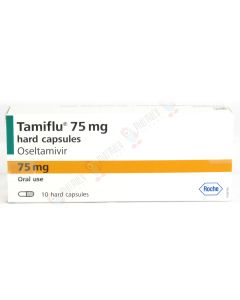
Tamiflu (Oseltamivir) is an antiviral medication that blocks the actions of ...
Pravastatin is a high cholesterol treatment in tablet form. This medicine h ...
The Pulmicort Turbohaler is an inhaler designed for long-term asthma and CO ...
Salamol 100 mcg inhaler is used to relieve breathing difficulties caused by ...
The Sirdupla Inhaler is a prescription combination inhaler that can be used ...
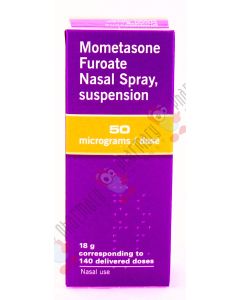
Nasonex nasal spray can effectively treat and prevent the symptoms of aller ...
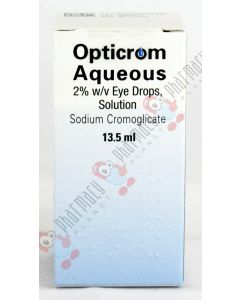
Opticrom aqueous eye drops provide quick relief from allergy symptoms which ...
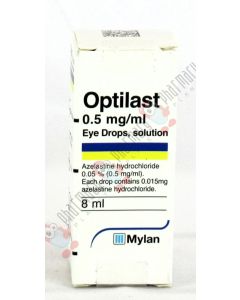
Optilast eye drop solution provides quick relief from allergic conjunctivit ...
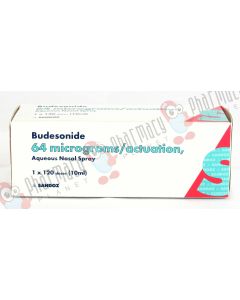
Rhinocort Aqueous nasal spray contains budesonide, which belongs to a group ...
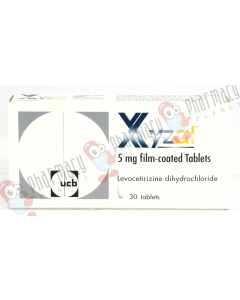
Levocetirizine Xyzal is a third-generation antihistamine derived from cetir ...
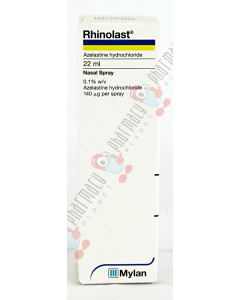
Rhinolast contains the active substance, azelastine hydrochloride, which be ...
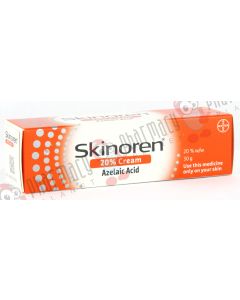
Skinoren is a treatment that works against bacteria to fight acne. It is ap ...
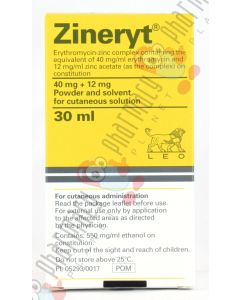
Zineryt Lotion is an excellent choice for individuals suffering from modera ...
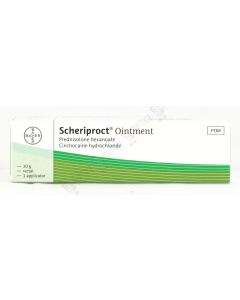
Scheriproct is a treatment for hemorrhoids. It contains two active ingredie ...
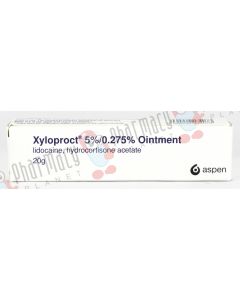
Xyloproct is a treatment for hemorrhoids. It comes in the form of an ointme ...
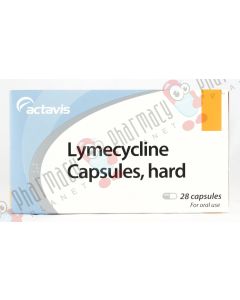
Tetralysal or Lymecycline is an antibacterial medication, well known for it ...
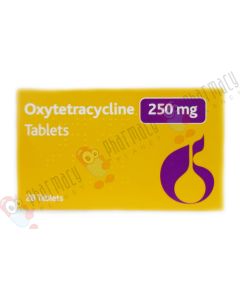
Oxytetracycline is an oral, anti-inflammatory antibiotic used in the proces ...
Salmeterol is an inhaler that is used to help prevent and control asthma an ...
Start your journey with us
Need Help?

Do you have a question about weight loss treatment?
Start your weight loss journey heading in the right direction. Our team are here to help. Whether you’re unsure about which medicine is right for you or need help navigating the world of weight loss drugs, our team are on hand to help you make the right decision. We can put you in touch with one of our experienced weight loss clinicians so you can be sure you’re making the best decision with the most accurate information.
To get in touch, contact our Customer Service team on 0800 978 8956 or email headoffice@pharmacyplanet.com.
Meet the team







Review By
HARMINDER ‘HARMY’ KAUR
Last Updated On : Mar 13 2026
BSc(hons) Pharmacy
GPhC Number: 2061107

Authored By
GURDEV SEHMI
Last Reviewed On : Mar 23 2026
BSc Pharm, MRPharmS, Independent Prescriber, Superintendent Pharmacist, Clinical Lead
GPhC Number: 2050925


