



Bhupinder (Boo) Dhaliwale
BIATAIN SILICONE LITE
Biatain® Silicone Lite is a thin and ultra flexible foam dressing with gentle silicone adhesive. It can be used on a wide range of exuding wounds and is to be used whenever a thin foam dressing is needed. Biatain® Silicone Lite combines superior absorption and increased mobility.

Consult

Select

Checkout
01
Select
the items you wish
to order
02
Order reviewed
by our qualified
prescriber
03
Delivered
to your door step
Your Selection
Please use the options provided to make your final selection.

BIATAIN SILICONE LITE
£9.99
Total
Price Comparison
Select your preferred options and see the best price
| Pack | Price (£) | ||
|---|---|---|---|
| - | 15cm x 15cm | 10 | 55.49 |
| - | 7.5cm x 7.5cm | 10 | 28.99 |
| - | 10cm x 10cm | 10 | 42.99 |
| - | 12.5cm x 12.5cm | 10 | 51.99 |
| - | 5cm x 5cm | 5 | 9.99 |
| - | 5cm x 12.5cm | 5 | 21.49 |
It looks like you missed filling in questions from the last consultation.Click Here to submit your response.

No subscriptions or hidden fees

Secure checkout

UK Regulated online pharmacy

Trusted by over 250,000+ happy customers
Biatain Silicone Lite | Thin Silicone Foam Dressing for Low to Moderate Exudate Wounds
Not every wound needs the same dressing thickness. Wounds that are producing low to moderate amounts of fluid benefit from a thinner foam layer, one that absorbs what is present without adding unnecessary bulk under clothing, bandaging, or across body contours. Biatain Silicone Lite is a reduced-profile foam dressing from Coloplast that uses the same soft silicone adhesive border as the rest of the Biatain Silicone family, in a thinner construction suited to wounds where full-depth foam would be more than the wound requires. Six sizes from 5cm x 5cm to 15cm x 15cm. No active ingredients. No prescription needed.
What Is Biatain Silicone Lite?
Biatain Silicone Lite is a Class IIb regulated medical device from Coloplast. It is a thin-profile polyurethane foam dressing with a soft silicone adhesive border. The construction follows the same principles as Biatain Silicone, wound contact layer, absorbent foam core, breathable outer film, and silicone border, but with a reduced foam thickness that makes it appropriate for wounds producing lower volumes of exudate.
The "Lite" designation in the product name reflects this reduced absorbency profile rather than any difference in the silicone border technology. The silicone border mechanism is identical to that in Biatain Silicone and Biatain Silicone Adhesive Dressing: it holds to skin through physical surface contact, allows repositioning during application, and separates with less force at removal than acrylic adhesive. For patients with fragile periwound skin, this remains a clinically relevant property even when the wound itself is producing relatively little fluid.
The thinner foam body also reduces the overall profile of the dressing. This matters in practice when a dressing needs to sit inside footwear, beneath a compression bandage, over a bony prominence where thickness causes discomfort, or anywhere that the bulk of a standard-depth foam creates a clinical or practical problem. For wounds that have progressed through the heavily exuding phase and are now producing less fluid, Biatain Silicone Lite can serve as a step-down format that maintains the silicone border benefit while matching the reduced absorbency requirement.
There are no active ingredients in this dressing. It does not contain silver, ibuprofen, or any antimicrobial agent. Six sizes are available from the compact 5cm x 5cm through to 15cm x 15cm, with a narrow rectangular 5cm x 12.5cm that suits smaller elongated wound sites.
Biatain Silicone Lite is designed for wounds producing low to moderate amounts of fluid. It is not appropriate for heavily exuding wounds where the reduced foam capacity would be rapidly overwhelmed. If the wound is producing significant amounts of exudate, Biatain Silicone provides greater absorbency in a similar silicone-bordered format. Biatain Silicone Lite does not treat infection and should not be used on infected wounds.
How Biatain Silicone Lite Works
Reduced Profile Foam Layer
The foam core in Biatain Silicone Lite is thinner than in the standard Biatain Silicone. It absorbs exudate from the wound contact surface and holds it within the foam structure, keeping the wound surface moist without allowing fluid to pool beneath the dressing. Because the foam depth is reduced, its overall fluid capacity is lower — which is appropriate for wounds that are not producing large volumes. Using a thinner dressing on a low exudate wound also avoids the risk of the foam drying out and adhering, since the wound is producing just enough fluid to keep the contact surface moist.
Silicone Border Adhesion
The border of Biatain Silicone Lite is coated with the same medical grade soft silicone as the other Biatain Silicone format dressings. The silicone holds against dry intact skin through low-energy surface contact rather than chemical bonding. This means the dressing stays in position without the need for secondary fixation and comes away at removal without pulling the surface skin layers. The border can also be repositioned during application, which helps with accurate placement particularly on small wound sites.
Thin Profile and Practical Fit
The reduced thickness of the dressing means it sits more discretely beneath clothing and creates less physical interference under bandaging or within footwear. For wounds on the feet, around joints, or on areas subject to pressure from external surfaces, a thinner dressing can make the difference between a wound management plan the patient can tolerate and one they cannot. A dressing that sits flat and remains comfortable is more likely to stay in place and be changed on the correct schedule.
Applying and Removing Biatain Silicone Lite
Before Applying
- Wash hands and put on gloves.
- Clean the wound according to clinical guidance.
- Dry the skin around the wound before applying — the silicone border requires contact with dry skin.
Application
- Choose the right size: 5cm x 5cm, 5cm x 12.5cm, 7.5cm x 7.5cm, 10cm x 10cm, 12.5cm x 12.5cm, or 15cm x 15cm.
- Place the foam pad over the wound and press the silicone border onto the surrounding intact skin.
- If the initial positioning is not right, lift the border and reposition before pressing down again.
- No secondary dressing or tape is needed.
- Note the date and time of application.
Removal
- Lift a corner of the silicone border and peel it back gradually, keeping the movement close to the skin surface.
- If any section feels as though it is resisting, dampen it with saline or water to help it release.
- At each change, assess both the wound and the condition of the skin that the border was resting on.
- If the wound has become more heavily exuding, a thicker foam format such as Biatain Silicone may be more appropriate.
- Monitor whether the wound is producing more fluid over time. If exudate begins to spread to the edges of the foam pad or escape beneath the border, the dressing is no longer matched to the wound requirements. A step up to a dressing with greater absorbency should be considered. Speak with a pharmacist if the wound appears to be changing.
Available Sizes
Biatain Silicone Lite 5cm x 5cm
The smallest format in the Biatain Silicone range. Suited to minor wounds, digit wounds, and small localised sites where a compact, thin silicone-bordered foam is the appropriate choice.
Biatain Silicone Lite 5cm x 12.5cm
A narrow rectangular format that suits elongated small wounds — useful on digits, linear post-operative incisions in the later stages of healing, and other sites where width is more limited than length.
Biatain Silicone Lite 7.5cm x 7.5cm
A small square format for wounds that are slightly larger than the 5cm x 5cm but still producing low to moderate fluid. Provides clear border margin around smaller wound beds.
Biatain Silicone Lite 10cm x 10cm
A medium square suited to moderate-sized wounds in the low to moderate exudate phase. A practical size for wounds on limbs, the trunk, and other body sites where this footprint provides adequate coverage.
Biatain Silicone Lite 12.5cm x 12.5cm
A larger square for wounds requiring broader coverage at low to moderate exudate levels. Useful when a 10cm x 10cm does not cover the wound adequately but standard-depth foam is not indicated by the fluid level.
Biatain Silicone Lite 15cm x 15cm
The largest size in the Biatain Silicone Lite range. Suited to more extensive wound areas that are nonetheless producing low to moderate fluid, where a thin-profile silicone foam is clinically preferable to a thicker format.
In all cases, the foam pad should cover the full wound bed and the silicone border should rest on dry intact surrounding skin.
Cautions and Adverse Effects
When Biatain Silicone Lite Is Not Appropriate
- Wounds producing heavy exudate - the thinner foam will saturate rapidly.
- Infected wounds - no antimicrobial action is present in this dressing.
- Known sensitivity to silicone, polyurethane foam, or other dressing components.
- Dry wounds where foam coverage would cause further desiccation of the wound surface.
Precautions
- Do not reuse. Each dressing is single use only.
- Check the wound and the periwound skin at every change. Note any increase in exudate that indicates a more absorbent dressing is needed.
- If infection develops, change to an appropriate antimicrobial dressing and seek clinical advice.
- Remove before MRI procedures.
Adverse Effects
- Skin irritation at the silicone border may occur in patients with compromised periwound skin.
- Wound desiccation is possible if the dressing is used on a wound that becomes dry, as the foam contact surface may adhere slightly without sufficient wound moisture.
Suitability and Clinical Context
Who Biatain Silicone Lite Is Suited To
- Patients with wounds that have passed through the heavily exuding phase and are now producing lower fluid volumes, where a continued silicone-bordered format is still clinically appropriate
- Wounds on sites where dressing thickness matters — beneath footwear, inside compression hosiery, over bony prominences, or under close-fitting clothing
- Minor acute wounds such as small lacerations, abrasions, or surgical wounds in the later healing stages, where low absorbency and a gentle border are appropriate
- Patients with fragile periwound skin who need a silicone border but whose wound does not warrant a full-depth foam
- Use in adults and in children where clinically directed
Biatain Silicone Lite Within the Biatain Silicone Family
Biatain Silicone Lite sits at the lower end of the Biatain Silicone range in terms of absorbency. Biatain Silicone and Biatain Silicone Adhesive Dressing offer standard-depth foam for moderate to heavy exudate. Biatain Silicone Ag provides the silicone border alongside ionic silver for infected wounds. Biatain Silicone Lite is the appropriate choice when the silicone border is clinically valuable but the wound does not produce enough fluid to justify a thicker foam. Matching dressing absorbency to wound output is good wound care practice and avoids the risk of the foam drying the wound surface.
Purchasing Biatain Silicone Lite
Biatain Silicone Lite is a regulated medical device and does not require a prescription. All six sizes are available from Pharmacy Planet and can be ordered without a clinical consultation.
Our pharmacists can advise on whether Biatain Silicone Lite is the right absorbency level for the current state of a wound, and whether stepping up or down within the Biatain Silicone family is clinically appropriate.
Any wound that is worsening, infected, not following the expected healing course, or causing significant concern should be assessed by a healthcare professional. Selecting a dressing without clinical input is appropriate for straightforward wounds with a clear management plan in place.
Storage
- Store in a cool, dry location away from direct light and moisture.
- Do not store above 25°C.
- Keep in the original unopened packaging until immediately before use.
- Do not use any dressing whose packaging has been damaged or opened.
- Check the expiry date before use.
- Apply as soon as the package is opened.
- Keep all dressings out of reach of children.
- Dispose of used dressings as clinical waste.
Why Choose Pharmacy Planet?
Pharmacy Planet is a GPhC registered online pharmacy. All six sizes of Biatain Silicone Lite are genuine Coloplast products stocked through regulated supply chains.
Our pharmacists are available to help identify the right level of absorbency for a wound at its current stage and to advise on when Biatain Silicone Lite is the appropriate choice compared with other formats in the Biatain Silicone family.
References
- Coloplast Ltd. Biatain Silicone Lite — Instructions for Use. Coloplast. https://www.coloplast.co.uk. Accessed May 2026.
- National Institute for Health and Care Excellence. Wound care products: selection and prescribing. https://www.nice.org.uk. Accessed May 2026.
- Wounds UK. Principles of wound assessment and management. https://www.wounds-uk.com. Accessed May 2026.
- NHS. Managing wounds and skin breakdown. https://www.nhs.uk. Accessed May 2026.
BIATAIN SILICONE LITE
Not every wound needs the same dressing thickness. Wounds that are producing low to moderate amounts of fluid benefit from a thinner foam layer, one that absorbs what is present without adding unnecessary bulk under clothing, bandaging, or across body contours. Biatain Silicone Lite is a reduced-profile foam dressing from Coloplast that uses the same soft silicone adhesive border as the rest of the Biatain Silicone family, in a thinner construction suited to wounds where full-depth foam would be more than the wound requires. Six sizes from 5cm x 5cm to 15cm x 15cm. No active ingredients. No prescription needed.
Biatain Silicone Lite is a Class IIb regulated medical device from Coloplast. It is a thin-profile polyurethane foam dressing with a soft silicone adhesive border. The construction follows the same principles as Biatain Silicone, wound contact layer, absorbent foam core, breathable outer film, and silicone border, but with a reduced foam thickness that makes it appropriate for wounds producing lower volumes of exudate.
The "Lite" designation in the product name reflects this reduced absorbency profile rather than any difference in the silicone border technology. The silicone border mechanism is identical to that in Biatain Silicone and Biatain Silicone Adhesive Dressing: it holds to skin through physical surface contact, allows repositioning during application, and separates with less force at removal than acrylic adhesive. For patients with fragile periwound skin, this remains a clinically relevant property even when the wound itself is producing relatively little fluid.
The thinner foam body also reduces the overall profile of the dressing. This matters in practice when a dressing needs to sit inside footwear, beneath a compression bandage, over a bony prominence where thickness causes discomfort, or anywhere that the bulk of a standard-depth foam creates a clinical or practical problem. For wounds that have progressed through the heavily exuding phase and are now producing less fluid, Biatain Silicone Lite can serve as a step-down format that maintains the silicone border benefit while matching the reduced absorbency requirement.
There are no active ingredients in this dressing. It does not contain silver, ibuprofen, or any antimicrobial agent. Six sizes are available from the compact 5cm x 5cm through to 15cm x 15cm, with a narrow rectangular 5cm x 12.5cm that suits smaller elongated wound sites.
Biatain Silicone Lite is designed for wounds producing low to moderate amounts of fluid. It is not appropriate for heavily exuding wounds where the reduced foam capacity would be rapidly overwhelmed. If the wound is producing significant amounts of exudate, Biatain Silicone provides greater absorbency in a similar silicone-bordered format. Biatain Silicone Lite does not treat infection and should not be used on infected wounds.
Reduced Profile Foam Layer
The foam core in Biatain Silicone Lite is thinner than in the standard Biatain Silicone. It absorbs exudate from the wound contact surface and holds it within the foam structure, keeping the wound surface moist without allowing fluid to pool beneath the dressing. Because the foam depth is reduced, its overall fluid capacity is lower — which is appropriate for wounds that are not producing large volumes. Using a thinner dressing on a low exudate wound also avoids the risk of the foam drying out and adhering, since the wound is producing just enough fluid to keep the contact surface moist.
Silicone Border Adhesion
The border of Biatain Silicone Lite is coated with the same medical grade soft silicone as the other Biatain Silicone format dressings. The silicone holds against dry intact skin through low-energy surface contact rather than chemical bonding. This means the dressing stays in position without the need for secondary fixation and comes away at removal without pulling the surface skin layers. The border can also be repositioned during application, which helps with accurate placement particularly on small wound sites.
Thin Profile and Practical Fit
The reduced thickness of the dressing means it sits more discretely beneath clothing and creates less physical interference under bandaging or within footwear. For wounds on the feet, around joints, or on areas subject to pressure from external surfaces, a thinner dressing can make the difference between a wound management plan the patient can tolerate and one they cannot. A dressing that sits flat and remains comfortable is more likely to stay in place and be changed on the correct schedule.
Before Applying
- Wash hands and put on gloves.
- Clean the wound according to clinical guidance.
- Dry the skin around the wound before applying — the silicone border requires contact with dry skin.
Application
- Choose the right size: 5cm x 5cm, 5cm x 12.5cm, 7.5cm x 7.5cm, 10cm x 10cm, 12.5cm x 12.5cm, or 15cm x 15cm.
- Place the foam pad over the wound and press the silicone border onto the surrounding intact skin.
- If the initial positioning is not right, lift the border and reposition before pressing down again.
- No secondary dressing or tape is needed.
- Note the date and time of application.
Removal
- Lift a corner of the silicone border and peel it back gradually, keeping the movement close to the skin surface.
- If any section feels as though it is resisting, dampen it with saline or water to help it release.
- At each change, assess both the wound and the condition of the skin that the border was resting on.
- If the wound has become more heavily exuding, a thicker foam format such as Biatain Silicone may be more appropriate.
- Monitor whether the wound is producing more fluid over time. If exudate begins to spread to the edges of the foam pad or escape beneath the border, the dressing is no longer matched to the wound requirements. A step up to a dressing with greater absorbency should be considered. Speak with a pharmacist if the wound appears to be changing.
Biatain Silicone Lite 5cm x 5cm
The smallest format in the Biatain Silicone range. Suited to minor wounds, digit wounds, and small localised sites where a compact, thin silicone-bordered foam is the appropriate choice.
Biatain Silicone Lite 5cm x 12.5cm
A narrow rectangular format that suits elongated small wounds — useful on digits, linear post-operative incisions in the later stages of healing, and other sites where width is more limited than length.
Biatain Silicone Lite 7.5cm x 7.5cm
A small square format for wounds that are slightly larger than the 5cm x 5cm but still producing low to moderate fluid. Provides clear border margin around smaller wound beds.
Biatain Silicone Lite 10cm x 10cm
A medium square suited to moderate-sized wounds in the low to moderate exudate phase. A practical size for wounds on limbs, the trunk, and other body sites where this footprint provides adequate coverage.
Biatain Silicone Lite 12.5cm x 12.5cm
A larger square for wounds requiring broader coverage at low to moderate exudate levels. Useful when a 10cm x 10cm does not cover the wound adequately but standard-depth foam is not indicated by the fluid level.
Biatain Silicone Lite 15cm x 15cm
The largest size in the Biatain Silicone Lite range. Suited to more extensive wound areas that are nonetheless producing low to moderate fluid, where a thin-profile silicone foam is clinically preferable to a thicker format.
In all cases, the foam pad should cover the full wound bed and the silicone border should rest on dry intact surrounding skin.
When Biatain Silicone Lite Is Not Appropriate
- Wounds producing heavy exudate - the thinner foam will saturate rapidly.
- Infected wounds - no antimicrobial action is present in this dressing.
- Known sensitivity to silicone, polyurethane foam, or other dressing components.
- Dry wounds where foam coverage would cause further desiccation of the wound surface.
Precautions
- Do not reuse. Each dressing is single use only.
- Check the wound and the periwound skin at every change. Note any increase in exudate that indicates a more absorbent dressing is needed.
- If infection develops, change to an appropriate antimicrobial dressing and seek clinical advice.
- Remove before MRI procedures.
Adverse Effects
- Skin irritation at the silicone border may occur in patients with compromised periwound skin.
- Wound desiccation is possible if the dressing is used on a wound that becomes dry, as the foam contact surface may adhere slightly without sufficient wound moisture.
Who Biatain Silicone Lite Is Suited To
- Patients with wounds that have passed through the heavily exuding phase and are now producing lower fluid volumes, where a continued silicone-bordered format is still clinically appropriate
- Wounds on sites where dressing thickness matters — beneath footwear, inside compression hosiery, over bony prominences, or under close-fitting clothing
- Minor acute wounds such as small lacerations, abrasions, or surgical wounds in the later healing stages, where low absorbency and a gentle border are appropriate
- Patients with fragile periwound skin who need a silicone border but whose wound does not warrant a full-depth foam
- Use in adults and in children where clinically directed
Biatain Silicone Lite sits at the lower end of the Biatain Silicone range in terms of absorbency. Biatain Silicone and Biatain Silicone Adhesive Dressing offer standard-depth foam for moderate to heavy exudate. Biatain Silicone Ag provides the silicone border alongside ionic silver for infected wounds. Biatain Silicone Lite is the appropriate choice when the silicone border is clinically valuable but the wound does not produce enough fluid to justify a thicker foam. Matching dressing absorbency to wound output is good wound care practice and avoids the risk of the foam drying the wound surface.
Biatain Silicone Lite is a regulated medical device and does not require a prescription. All six sizes are available from Pharmacy Planet and can be ordered without a clinical consultation.
Our pharmacists can advise on whether Biatain Silicone Lite is the right absorbency level for the current state of a wound, and whether stepping up or down within the Biatain Silicone family is clinically appropriate.
Any wound that is worsening, infected, not following the expected healing course, or causing significant concern should be assessed by a healthcare professional. Selecting a dressing without clinical input is appropriate for straightforward wounds with a clear management plan in place.
- Store in a cool, dry location away from direct light and moisture.
- Do not store above 25°C.
- Keep in the original unopened packaging until immediately before use.
- Do not use any dressing whose packaging has been damaged or opened.
- Check the expiry date before use.
- Apply as soon as the package is opened.
- Keep all dressings out of reach of children.
- Dispose of used dressings as clinical waste.
Pharmacy Planet is a GPhC registered online pharmacy. All six sizes of Biatain Silicone Lite are genuine Coloplast products stocked through regulated supply chains.
Our pharmacists are available to help identify the right level of absorbency for a wound at its current stage and to advise on when Biatain Silicone Lite is the appropriate choice compared with other formats in the Biatain Silicone family.
References
- Coloplast Ltd. Biatain Silicone Lite — Instructions for Use. Coloplast. https://www.coloplast.co.uk. Accessed May 2026.
- National Institute for Health and Care Excellence. Wound care products: selection and prescribing. https://www.nice.org.uk. Accessed May 2026.
- Wounds UK. Principles of wound assessment and management. https://www.wounds-uk.com. Accessed May 2026.
- NHS. Managing wounds and skin breakdown. https://www.nhs.uk. Accessed May 2026.
Frequently Asked Questions
The foam layer in Biatain Silicone Lite is thinner than in standard Biatain Silicone. This reduces its capacity to absorb wound fluid, making it appropriate for wounds producing low to moderate exudate rather than heavy exudate. The silicone border works in the same way as in all Biatain Silicone format dressings, holding through physical surface contact and releasing cleanly at removal. Biatain Silicone Lite also has a lower overall profile, which is useful when dressing thickness is a practical concern under clothing or bandaging.
Yes. When a wound has passed through the phase of heavy exudate and is producing smaller amounts of fluid, Biatain Silicone Lite may be a better match than a thicker foam format. Using a dressing with more absorbency than the wound requires risks drying the wound surface, which can slow healing. A thinner foam keeps the wound environment appropriately moist without excess capacity. If you are managing a wound that has been improving, ask a nurse or pharmacist whether a step down in dressing absorbency is appropriate.
The reduced thickness of Biatain Silicone Lite makes it more practical in situations where dressing bulk is a concern, such as beneath footwear, inside compression hosiery, or over areas where a standard-depth foam would be uncomfortable or create pressure. However, the suitability of any dressing for use under compression bandaging should be confirmed by the clinician managing the compression therapy. Not all wounds on the lower limb are suitable for self-managed dressing selection without clinical guidance.
Biatain Silicone Lite is available in six sizes: 5cm x 5cm, 5cm x 12.5cm, 7.5cm x 7.5cm, 10cm x 10cm, 12.5cm x 12.5cm, and 15cm x 15cm. The 5cm x 5cm and 5cm x 12.5cm are the smallest formats in the Biatain Silicone family and are suited to minor wounds and elongated small sites. The 15cm x 15cm is the largest in the Lite range. Select the size whose foam pad will cover the wound in full with border margin on all sides.
If you notice fluid reaching the edge of the foam pad or escaping beneath the border, Biatain Silicone Lite no longer has sufficient absorbency for the wound. This is a sign the wound may be changing and warrants attention. Change the dressing sooner than scheduled to prevent the periwound skin from becoming macerated. Consider stepping up to standard Biatain Silicone or another dressing with greater absorbency, and seek clinical input if the wound is increasing in fluid output rather than reducing.
No. Biatain Silicone Lite contains no antimicrobial ingredient and will not treat a wound infection. If the wound shows signs of infection, spreading redness, increasing pain, offensive smell, warmth around the wound, or unexpected deterioration, it should be assessed by a healthcare professional before applying any dressing. Biatain Silicone Ag carries ionic silver for infected or at risk wounds in a silicone-bordered foam format.
The silicone border can be lifted and repositioned before it is pressed into its final position. This makes it easier to align the foam pad accurately over the wound, particularly on smaller wound sites where precise placement matters. Once you have the position correct, press the border firmly against the dry surrounding skin. After the border has been in place for some time, repositioning is less straightforward and it is preferable to use a fresh dressing if the first attempt was significantly misaligned.
No. Biatain Silicone Lite is a regulated medical device. It does not require a prescription and can be purchased directly from Pharmacy Planet in all six sizes without a clinical consultation. If there is any uncertainty about whether this is the right dressing for a wound, our pharmacists can advise. Wounds that are complex, worsening, or potentially infected should be assessed by a healthcare professional rather than managed through dressing selection alone.
How it works

Complete our online
clinical consultation
clinical consultation
Answer a few questions on your health and your fitness goals.

Clinical
assessment
assessment
Our clinicians will review your clinical questionnaire to make sure treatment is right for you.

Welcome
aboard!
aboard!
Once approved, you will access our wealth of experience and resources curated by our team and begin your clinical journey.
Treatment options
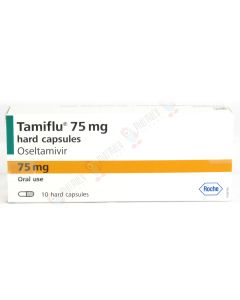
Tamiflu (Oseltamivir) is an antiviral medication that blocks the actions of ...
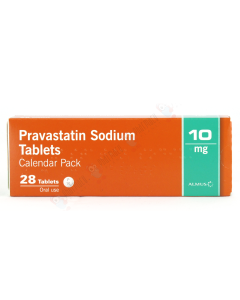
Pravastatin is a high cholesterol treatment in tablet form. This medicine h ...
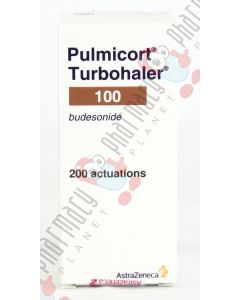
The Pulmicort Turbohaler is an inhaler designed for long-term asthma and CO ...
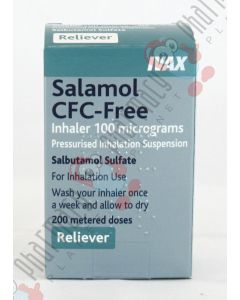
Salamol 100 mcg inhaler is used to relieve breathing difficulties caused by ...
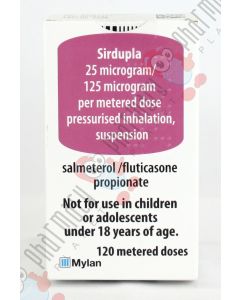
The Sirdupla Inhaler is a prescription combination inhaler that can be used ...
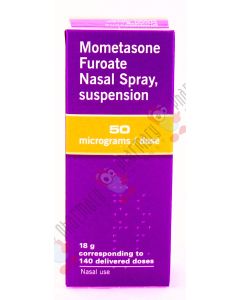
Nasonex nasal spray can effectively treat and prevent the symptoms of aller ...
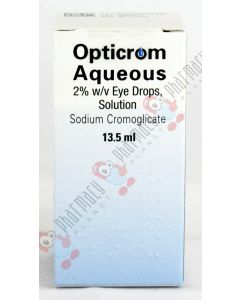
Opticrom aqueous eye drops provide quick relief from allergy symptoms which ...
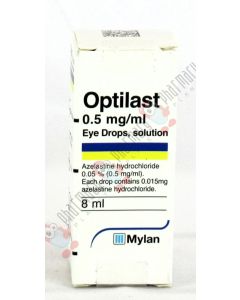
Optilast eye drop solution provides quick relief from allergic conjunctivit ...
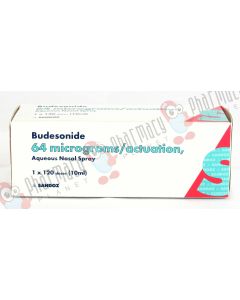
Rhinocort Aqueous nasal spray contains budesonide, which belongs to a group ...
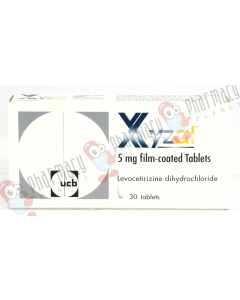
Levocetirizine Xyzal is a third-generation antihistamine derived from cetir ...
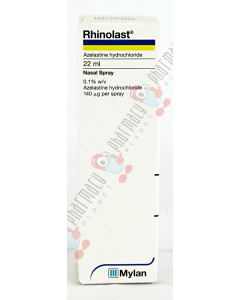
Rhinolast contains the active substance, azelastine hydrochloride, which be ...
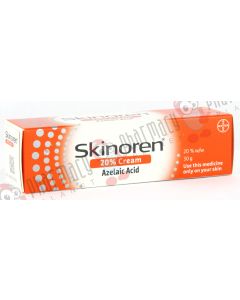
Skinoren is a treatment that works against bacteria to fight acne. It is ap ...
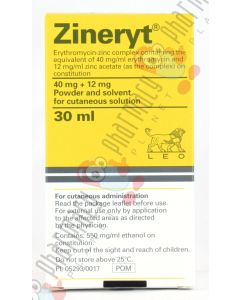
Zineryt Lotion is an excellent choice for individuals suffering from modera ...
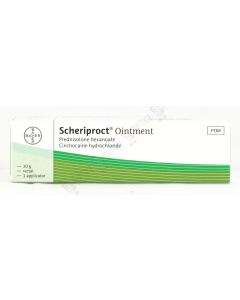
Scheriproct is a treatment for hemorrhoids. It contains two active ingredie ...
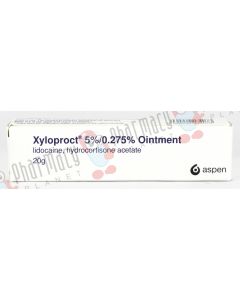
Xyloproct is a treatment for hemorrhoids. It comes in the form of an ointme ...
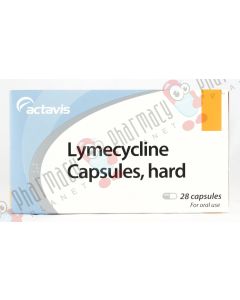
Tetralysal or Lymecycline is an antibacterial medication, well known for it ...
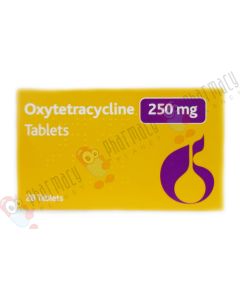
Oxytetracycline is an oral, anti-inflammatory antibiotic used in the proces ...
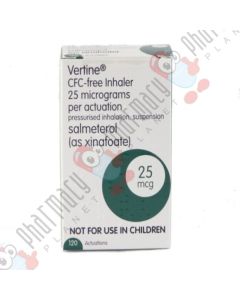
Salmeterol is an inhaler that is used to help prevent and control asthma an ...
Start your journey with us
Need Help?

Do you have a question about weight loss treatment?
Start your weight loss journey heading in the right direction. Our team are here to help. Whether you’re unsure about which medicine is right for you or need help navigating the world of weight loss drugs, our team are on hand to help you make the right decision. We can put you in touch with one of our experienced weight loss clinicians so you can be sure you’re making the best decision with the most accurate information.
To get in touch, contact our Customer Service team on 0800 978 8956 or email headoffice@pharmacyplanet.com.
Meet the team







Review By
GURDEV SEHMI
Last Updated On : Mar 13 2026
BSc Pharm, MRPharmS, Independent Prescriber, Superintendent Pharmacist, Clinical Lead
GPhC Number: 2050925
Authored By
GURDEV SEHMI
Last Reviewed On : Mar 23 2026
BSc Pharm, MRPharmS, Independent Prescriber, Superintendent Pharmacist, Clinical Lead
GPhC Number: 2050925


