



Bhupinder (Boo) Dhaliwale
BIATAIN SILICONE NON ADHESIVE DRESSING
Biatain Super Non-Adhesive is a comfortable, soft polyurethane foam dressing that aids in effectively absorbing and retaining wound exudate. This non-adhesive dressing can be used for a wide range of exuding wounds, including leg ulcers, pressure ulcers, non-infected diabetic foot ulcers, second-degree burns, donor sites, postoperative wounds and skin abrasions. Biatain® Non-Adhesive can be used in combination with compression therapy.

Consult

Select

Checkout
01
Select
the items you wish
to order
02
Order reviewed
by our qualified
prescriber
03
Delivered
to your door step
Your Selection
Please use the options provided to make your final selection.

BIATAIN SILICONE NON ADHESIVE DRESSING
£47.49
Total
Price Comparison
Select your preferred options and see the best price
| Pack | Price (£) | ||
|---|---|---|---|
| - | 12.5cm x 12.5cm | 10 | 78.49 |
| - | 10cm x 10cm | 10 | 47.49 |
It looks like you missed filling in questions from the last consultation.Click Here to submit your response.

No subscriptions or hidden fees

Secure checkout

UK Regulated online pharmacy

Trusted by over 250,000+ happy customers
Biatain Silicone Non-Adhesive Dressing | Silicone Contact Foam for Wound Care
Within the Biatain Silicone range, most formats use silicone at the outer border to provide gentle adhesion. This product takes a different approach. Biatain Silicone Non-Adhesive Dressing carries no border adhesive at all. Instead, the silicone is applied to the wound-facing surface of the foam, where it makes contact with the wound bed rather than the surrounding skin. This places the non-bonding properties of silicone at the point of wound contact, allowing the dressing to sit against even sensitive wound tissue and separate at removal without pulling. Secondary fixation is required. Two sizes: 10cm x 10cm and 12.5cm x 12.5cm. No active ingredients. No prescription required.
What Is Biatain Silicone Non-Adhesive Dressing?
Biatain Silicone Non-Adhesive Dressing is a Class IIb regulated medical device from Coloplast. It is a polyurethane foam dressing with a silicone-coated wound contact layer on its underside. The upper face of the dressing consists of a breathable film. The dressing has no adhesive anywhere on it. It cannot fix itself to skin and must be held in place using a secondary fixation product.
The clinical reason for putting silicone on the wound contact surface rather than on a border is to protect the wound bed at removal. When foam dressings without a silicone contact layer are used, the underside of the foam can bond to moist wound tissue, particularly to granulating tissue, to fragile new epithelium, or to wounds where the fluid level is inconsistent. Removing a dressing that has partially bonded to the wound bed is painful and can disrupt the tissue that has formed. A silicone-coated contact layer reduces this risk by presenting a surface that does not bond to moist tissue.
This is distinct from the silicone border in other Biatain Silicone format dressings. Those dressings use silicone to adhere to intact periwound skin at the outer edge. Biatain Silicone Non-Adhesive Dressing uses silicone to avoid adhering at the wound surface itself. The two applications of silicone serve opposite clinical functions and should not be confused.
There are no active pharmaceutical ingredients in this dressing. It does not treat infection, manage wound pain, or provide antimicrobial protection. It is available in 10cm x 10cm and 12.5cm x 12.5cm.
Biatain Silicone Non-Adhesive Dressing has no adhesive and will not hold itself to the skin. It must be secured with a secondary fixation product at every application, a bandage, tubular retention dressing, tape on the dressing edges, or equivalent. Do not apply without securing it. An unsecured dressing will shift on the wound and may cause friction injury. This dressing has no antimicrobial action and is not appropriate for infected wounds.
How Biatain Silicone Non-Adhesive Dressing Works
Silicone Wound Contact Layer
The underside of the dressing is coated with medical grade silicone. When this surface rests against the wound bed, the silicone conforms to the wound tissue without forming a bond to it. Wound fluid can pass through the silicone contact layer and into the foam above, but the layer itself does not adhere. At removal, this means the dressing separates from the wound surface without pulling on wound tissue. For wounds with fragile healing tissue, for patients who find dressing removal particularly painful, or for wound sites that are repeatedly disturbed by changes, this property reduces the mechanical disruption at each change.
Foam Absorbent Core
Above the silicone contact layer sits the polyurethane foam. Exudate that passes through the silicone layer is drawn upward into the foam and held within its structure, keeping the wound surface moist without allowing fluid to pool. The foam provides physical cushioning over the wound site, which is particularly useful on wound areas subject to external pressure.
Breathable Outer Film
The outer film allows moisture vapour to escape from the foam as it fills with exudate. This maintains the foam's capacity to absorb fluid across the full wear period. The film does not add any adhesive function, the dressing remains entirely non-adhesive across all its surfaces.
Why Secondary Fixation Matters
Because this dressing has no self-adhesive capacity, the method of fixation is determined entirely by the wound site, the condition of the surrounding skin, and the clinical plan. A compression bandage applied over the dressing serves this purpose for venous leg ulcers, while providing its therapeutic compression at the same time. A tubular retention bandage or lightweight cohesive bandage is appropriate for other sites. This flexibility in fixation method is one of the reasons non-adhesive formats are chosen when adhesive borders are not clinically appropriate.
How to Use Biatain Silicone Non-Adhesive Dressing
Before Applying
- Wash hands and put on gloves.
- Clean the wound as directed by a healthcare professional.
- Have the secondary fixation product ready before applying the dressing.
- Identify the wound-facing side of the dressing - this is the silicone-coated surface. Confirm orientation before placing.
Applying the Dressing
- Place the dressing with the silicone contact surface against the wound bed.
- Position the dressing so the foam pad covers the wound fully with margin beyond the wound edges.
- Apply the secondary fixation product immediately to secure the dressing in place.
- Do not leave the dressing unsecured at any point.
- Note the date and time of application.
Changing and Removing
- Remove secondary fixation first.
- Lift the dressing from the wound. The silicone contact surface should separate without pulling on the wound bed.
- If any resistance is felt, dampen the contact surface with saline before continuing.
- Assess the wound at each change and confirm that the level of exudate is appropriate for this dressing.
If the wound is producing very little fluid, check at removal that the silicone contact layer has not dried against the wound surface. Apply saline if needed before lifting. For heavily exuding wounds, check that fluid is not escaping from beneath the dressing, which would indicate the foam has reached capacity and a more absorbent format is needed.
Available Sizes
Biatain Silicone Non-Adhesive Dressing 10cm x 10cm
A medium square suited to moderate-sized wounds on the trunk, limbs, and other body sites where a 10cm x 10cm foam pad provides full wound coverage with adequate margin. Appropriate across a range of wound types where a silicone wound contact surface and secondary fixation are clinically indicated.
Biatain Silicone Non-Adhesive Dressing 12.5cm x 12.5cm
A slightly larger square for wounds where a 10cm x 10cm pad does not cover the wound bed fully. Provides additional foam area while remaining a manageable format for community and clinical wound care.
Select the size whose foam pad will cover the entire wound with border margin, so the secondary fixation can grip the dressing edges cleanly.
Cautions and Adverse Effects
When This Dressing Is Not Appropriate
- Infected wounds - no antimicrobial action is present.
- Wounds where secondary fixation cannot be applied safely, for example in patients with contraindications to bandaging around the lower limb.
- Known sensitivity to silicone, polyurethane foam, or other dressing components.
- Dry wounds, where an absorbent foam dressing is not clinically indicated.
Precautions
- Always apply secondary fixation immediately. An unsecured dressing must not be left in place.
- Do not apply so much fixation pressure that blood flow is compromised - particularly important at lower limb wound sites.
- Check the wound and surrounding skin at every change.
- Single use only.
- Remove before MRI.
Adverse Effects
- Skin irritation under the secondary fixation product. This is related to the fixation choice rather than the dressing itself.
- Wound desiccation if exudate volume falls and the contact layer dries against the wound surface.
- Inadequate exudate absorption if the wound is more heavily exuding than the foam capacity allows.
Suitability and Clinical Context
Wounds and Situations Where This Dressing Is Appropriate
- Wounds where the wound bed is fragile, granulating actively, or where previous dressing changes have been painful due to contact layer adherence
- Situations where adhesive borders cannot be applied to the surrounding skin, for example over fragile periwound tissue, broken or excoriated skin, or where adhesive use is contraindicated
- Wounds under compression bandaging for venous leg ulcer management, where the bandage provides both fixation and therapeutic compression
- Use in adults and children where clinically directed
How This Fits Within the Biatain Silicone Range
The Biatain Silicone range covers several different applications of silicone in wound care. Biatain Silicone, Biatain Silicone Adhesive Dressing, Biatain Silicone Lite, and Biatain Silicone Ag all use silicone on the outer border to provide gentle adhesion. Biatain Silicone Non-Adhesive Dressing uses silicone on the wound contact surface for gentle separation at the wound, with no border adhesion at all. These are fundamentally different clinical uses of the same material. The choice between them depends on whether the primary clinical need is gentle fixation to skin or gentle separation from the wound bed.
Purchasing Biatain Silicone Non-Adhesive Dressing
Biatain Silicone Non-Adhesive Dressing is a regulated medical device. No prescription is required. Both sizes are available from Pharmacy Planet and can be ordered without a clinical consultation.
Our pharmacists can discuss whether this format is appropriate for a specific wound, particularly in terms of whether secondary fixation is achievable at the wound site in question.
Wounds that are complex, infected, not following an expected healing pattern, or causing significant concern should be assessed by a tissue viability nurse, district nurse, or GP. The choice of wound dressing should be part of a broader wound assessment rather than decided independently when the wound is uncertain.
Storage
- Store in a cool, dry place away from direct light.
- Do not store above 25°C.
- Keep in original sealed packaging until immediately before use.
- Do not use if the packaging is damaged or has been opened.
- Check the expiry date before each use.
- Apply the dressing as soon as the packaging is opened.
- Keep out of reach of children.
- Dispose of used dressings as clinical waste.
Why Choose Pharmacy Planet?
Pharmacy Planet is a GPhC registered online pharmacy. Both sizes of Biatain Silicone Non-Adhesive Dressing are genuine Coloplast products from regulated UK supply chains.
Our pharmacists can help identify the right dressing format for a wound, including advising on when a silicone wound contact surface is clinically appropriate and when a different approach would be better suited.
References
- Coloplast Ltd. Biatain Silicone Non-Adhesive Dressing — Instructions for Use. Coloplast. https://www.coloplast.co.uk. Accessed May 2026.
- National Institute for Health and Care Excellence. Wound care products: selection and prescribing. https://www.nice.org.uk. Accessed May 2026.
- Wounds UK. Principles of wound assessment and management. https://www.wounds-uk.com. Accessed May 2026.
- NHS. Pressure ulcers: overview of management. https://www.nhs.uk/conditions/pressure-sores. Accessed May 2026.
BIATAIN SILICONE NON ADHESIVE DRESSING
Within the Biatain Silicone range, most formats use silicone at the outer border to provide gentle adhesion. This product takes a different approach. Biatain Silicone Non-Adhesive Dressing carries no border adhesive at all. Instead, the silicone is applied to the wound-facing surface of the foam, where it makes contact with the wound bed rather than the surrounding skin. This places the non-bonding properties of silicone at the point of wound contact, allowing the dressing to sit against even sensitive wound tissue and separate at removal without pulling. Secondary fixation is required. Two sizes: 10cm x 10cm and 12.5cm x 12.5cm. No active ingredients. No prescription required.
Biatain Silicone Non-Adhesive Dressing is a Class IIb regulated medical device from Coloplast. It is a polyurethane foam dressing with a silicone-coated wound contact layer on its underside. The upper face of the dressing consists of a breathable film. The dressing has no adhesive anywhere on it. It cannot fix itself to skin and must be held in place using a secondary fixation product.
The clinical reason for putting silicone on the wound contact surface rather than on a border is to protect the wound bed at removal. When foam dressings without a silicone contact layer are used, the underside of the foam can bond to moist wound tissue, particularly to granulating tissue, to fragile new epithelium, or to wounds where the fluid level is inconsistent. Removing a dressing that has partially bonded to the wound bed is painful and can disrupt the tissue that has formed. A silicone-coated contact layer reduces this risk by presenting a surface that does not bond to moist tissue.
This is distinct from the silicone border in other Biatain Silicone format dressings. Those dressings use silicone to adhere to intact periwound skin at the outer edge. Biatain Silicone Non-Adhesive Dressing uses silicone to avoid adhering at the wound surface itself. The two applications of silicone serve opposite clinical functions and should not be confused.
There are no active pharmaceutical ingredients in this dressing. It does not treat infection, manage wound pain, or provide antimicrobial protection. It is available in 10cm x 10cm and 12.5cm x 12.5cm.
Biatain Silicone Non-Adhesive Dressing has no adhesive and will not hold itself to the skin. It must be secured with a secondary fixation product at every application, a bandage, tubular retention dressing, tape on the dressing edges, or equivalent. Do not apply without securing it. An unsecured dressing will shift on the wound and may cause friction injury. This dressing has no antimicrobial action and is not appropriate for infected wounds.
Silicone Wound Contact Layer
The underside of the dressing is coated with medical grade silicone. When this surface rests against the wound bed, the silicone conforms to the wound tissue without forming a bond to it. Wound fluid can pass through the silicone contact layer and into the foam above, but the layer itself does not adhere. At removal, this means the dressing separates from the wound surface without pulling on wound tissue. For wounds with fragile healing tissue, for patients who find dressing removal particularly painful, or for wound sites that are repeatedly disturbed by changes, this property reduces the mechanical disruption at each change.
Foam Absorbent Core
Above the silicone contact layer sits the polyurethane foam. Exudate that passes through the silicone layer is drawn upward into the foam and held within its structure, keeping the wound surface moist without allowing fluid to pool. The foam provides physical cushioning over the wound site, which is particularly useful on wound areas subject to external pressure.
Breathable Outer Film
The outer film allows moisture vapour to escape from the foam as it fills with exudate. This maintains the foam's capacity to absorb fluid across the full wear period. The film does not add any adhesive function, the dressing remains entirely non-adhesive across all its surfaces.
Why Secondary Fixation Matters
Because this dressing has no self-adhesive capacity, the method of fixation is determined entirely by the wound site, the condition of the surrounding skin, and the clinical plan. A compression bandage applied over the dressing serves this purpose for venous leg ulcers, while providing its therapeutic compression at the same time. A tubular retention bandage or lightweight cohesive bandage is appropriate for other sites. This flexibility in fixation method is one of the reasons non-adhesive formats are chosen when adhesive borders are not clinically appropriate.
Before Applying
- Wash hands and put on gloves.
- Clean the wound as directed by a healthcare professional.
- Have the secondary fixation product ready before applying the dressing.
- Identify the wound-facing side of the dressing - this is the silicone-coated surface. Confirm orientation before placing.
Applying the Dressing
- Place the dressing with the silicone contact surface against the wound bed.
- Position the dressing so the foam pad covers the wound fully with margin beyond the wound edges.
- Apply the secondary fixation product immediately to secure the dressing in place.
- Do not leave the dressing unsecured at any point.
- Note the date and time of application.
Changing and Removing
- Remove secondary fixation first.
- Lift the dressing from the wound. The silicone contact surface should separate without pulling on the wound bed.
- If any resistance is felt, dampen the contact surface with saline before continuing.
- Assess the wound at each change and confirm that the level of exudate is appropriate for this dressing.
If the wound is producing very little fluid, check at removal that the silicone contact layer has not dried against the wound surface. Apply saline if needed before lifting. For heavily exuding wounds, check that fluid is not escaping from beneath the dressing, which would indicate the foam has reached capacity and a more absorbent format is needed.
Biatain Silicone Non-Adhesive Dressing 10cm x 10cm
A medium square suited to moderate-sized wounds on the trunk, limbs, and other body sites where a 10cm x 10cm foam pad provides full wound coverage with adequate margin. Appropriate across a range of wound types where a silicone wound contact surface and secondary fixation are clinically indicated.
Biatain Silicone Non-Adhesive Dressing 12.5cm x 12.5cm
A slightly larger square for wounds where a 10cm x 10cm pad does not cover the wound bed fully. Provides additional foam area while remaining a manageable format for community and clinical wound care.
Select the size whose foam pad will cover the entire wound with border margin, so the secondary fixation can grip the dressing edges cleanly.
When This Dressing Is Not Appropriate
- Infected wounds - no antimicrobial action is present.
- Wounds where secondary fixation cannot be applied safely, for example in patients with contraindications to bandaging around the lower limb.
- Known sensitivity to silicone, polyurethane foam, or other dressing components.
- Dry wounds, where an absorbent foam dressing is not clinically indicated.
Precautions
- Always apply secondary fixation immediately. An unsecured dressing must not be left in place.
- Do not apply so much fixation pressure that blood flow is compromised - particularly important at lower limb wound sites.
- Check the wound and surrounding skin at every change.
- Single use only.
- Remove before MRI.
Adverse Effects
- Skin irritation under the secondary fixation product. This is related to the fixation choice rather than the dressing itself.
- Wound desiccation if exudate volume falls and the contact layer dries against the wound surface.
- Inadequate exudate absorption if the wound is more heavily exuding than the foam capacity allows.
Wounds and Situations Where This Dressing Is Appropriate
- Wounds where the wound bed is fragile, granulating actively, or where previous dressing changes have been painful due to contact layer adherence
- Situations where adhesive borders cannot be applied to the surrounding skin, for example over fragile periwound tissue, broken or excoriated skin, or where adhesive use is contraindicated
- Wounds under compression bandaging for venous leg ulcer management, where the bandage provides both fixation and therapeutic compression
- Use in adults and children where clinically directed
How This Fits Within the Biatain Silicone Range
The Biatain Silicone range covers several different applications of silicone in wound care. Biatain Silicone, Biatain Silicone Adhesive Dressing, Biatain Silicone Lite, and Biatain Silicone Ag all use silicone on the outer border to provide gentle adhesion. Biatain Silicone Non-Adhesive Dressing uses silicone on the wound contact surface for gentle separation at the wound, with no border adhesion at all. These are fundamentally different clinical uses of the same material. The choice between them depends on whether the primary clinical need is gentle fixation to skin or gentle separation from the wound bed.
Biatain Silicone Non-Adhesive Dressing is a regulated medical device. No prescription is required. Both sizes are available from Pharmacy Planet and can be ordered without a clinical consultation.
Our pharmacists can discuss whether this format is appropriate for a specific wound, particularly in terms of whether secondary fixation is achievable at the wound site in question.
Wounds that are complex, infected, not following an expected healing pattern, or causing significant concern should be assessed by a tissue viability nurse, district nurse, or GP. The choice of wound dressing should be part of a broader wound assessment rather than decided independently when the wound is uncertain.
- Store in a cool, dry place away from direct light.
- Do not store above 25°C.
- Keep in original sealed packaging until immediately before use.
- Do not use if the packaging is damaged or has been opened.
- Check the expiry date before each use.
- Apply the dressing as soon as the packaging is opened.
- Keep out of reach of children.
- Dispose of used dressings as clinical waste.
Pharmacy Planet is a GPhC registered online pharmacy. Both sizes of Biatain Silicone Non-Adhesive Dressing are genuine Coloplast products from regulated UK supply chains.
Our pharmacists can help identify the right dressing format for a wound, including advising on when a silicone wound contact surface is clinically appropriate and when a different approach would be better suited.
References
- Coloplast Ltd. Biatain Silicone Non-Adhesive Dressing — Instructions for Use. Coloplast. https://www.coloplast.co.uk. Accessed May 2026.
- National Institute for Health and Care Excellence. Wound care products: selection and prescribing. https://www.nice.org.uk. Accessed May 2026.
- Wounds UK. Principles of wound assessment and management. https://www.wounds-uk.com. Accessed May 2026.
- NHS. Pressure ulcers: overview of management. https://www.nhs.uk/conditions/pressure-sores. Accessed May 2026.
Frequently Asked Questions
In this dressing, the silicone coats the wound-facing surface rather than an adhesive border. The silicone contact layer rests against the wound bed and allows wound fluid to pass through it into the foam above, while itself not bonding to the wound tissue. At removal, this means the dressing separates from the wound surface without pulling on healing tissue, granulation, or new epithelium. This is a different application of silicone from the Biatain Silicone border formats, which use silicone to adhere gently to intact periwound skin.
No. This dressing has no adhesive anywhere on it. The silicone contact layer on the wound-facing side does not bond to skin or wound tissue. There is nothing on the outer face of the dressing that adheres either. The dressing must be secured with a secondary fixation product after it is placed over the wound. Without fixation, it will shift position and potentially cause friction on the wound surface.
The choice of fixation depends on the wound site and the surrounding skin. A cohesive bandage or tubular retention bandage works well for most limb sites. A compression bandage applied over the dressing is appropriate for venous leg ulcer management, as it simultaneously secures the dressing and provides therapeutic compression. Medical tape at the dressing edges can be used where bandaging is not practical. The fixation should secure the dressing without applying pressure that could restrict blood flow, particularly at lower limb sites.
The silicone wound contact layer reduces the likelihood of the dressing adhering to the wound bed at removal. Standard polyurethane foam contact surfaces can bond to moist wound tissue over time, particularly to granulating tissue or to a wound that has dried slightly between changes. The silicone layer provides a consistent non-bonding surface regardless of wound moisture variation. If previous dressing changes have been painful due to contact layer adherence, or if the wound contains fragile healing tissue that is easily disrupted, a silicone wound contact surface is clinically appropriate.
Yes. This is one of the situations where a non-adhesive foam with a silicone wound contact layer is particularly well suited. The compression bandage provides both fixation for the dressing and its own therapeutic benefit, and the silicone contact layer allows the dressing to be removed without disturbing the granulating wound bed when the bandage is changed. Compression bandaging should always be applied by a trained healthcare professional at appropriate pressure based on vascular assessment.
No. This dressing contains no antimicrobial component. If a wound shows signs of infection, seek clinical assessment before continuing any dressing management. Signs to look for include spreading redness in the skin around the wound, increased warmth, swelling, offensive smell, increased wound pain, or unexpected worsening. The dressing can be used on wounds being treated for infection under clinical supervision but is not a treatment for infection itself.
Biatain Non-Adhesive is a standard polyurethane foam with no adhesive border and no silicone components. It requires secondary fixation and provides foam exudate absorption with a non-adherent wound contact surface. Biatain Silicone Non-Adhesive Dressing also requires secondary fixation, but replaces the standard wound contact surface with a silicone-coated one. The silicone contact layer provides more consistent non-bonding behaviour across varying wound moisture levels. Choose Biatain Silicone Non-Adhesive Dressing when wound contact layer adherence is a specific clinical concern.
No. Biatain Silicone Non-Adhesive Dressing is a regulated medical device and does not require a prescription. Both sizes: 10cm x 10cm and 12.5cm x 12.5cm are available from Pharmacy Planet without a clinical consultation. If the wound is complex or not healing as expected, a healthcare professional assessment is advisable before purchasing a dressing.
How it works

Complete our online
clinical consultation
clinical consultation
Answer a few questions on your health and your fitness goals.

Clinical
assessment
assessment
Our clinicians will review your clinical questionnaire to make sure treatment is right for you.

Welcome
aboard!
aboard!
Once approved, you will access our wealth of experience and resources curated by our team and begin your clinical journey.
Treatment options
Tamiflu (Oseltamivir) is an antiviral medication that blocks the actions of ...
Pravastatin is a high cholesterol treatment in tablet form. This medicine h ...
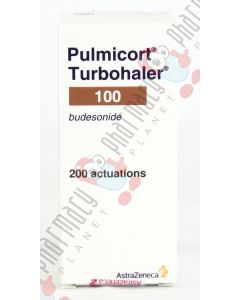
The Pulmicort Turbohaler is an inhaler designed for long-term asthma and CO ...
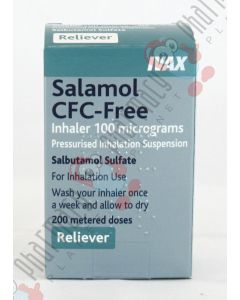
Salamol 100 mcg inhaler is used to relieve breathing difficulties caused by ...
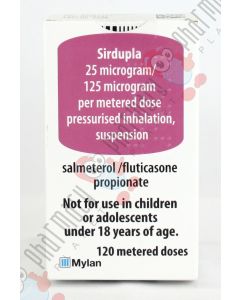
The Sirdupla Inhaler is a prescription combination inhaler that can be used ...
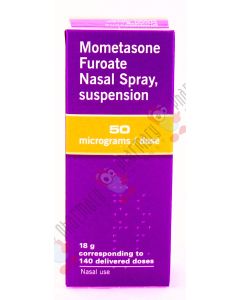
Nasonex nasal spray can effectively treat and prevent the symptoms of aller ...
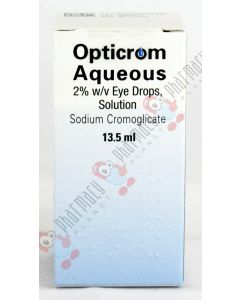
Opticrom aqueous eye drops provide quick relief from allergy symptoms which ...
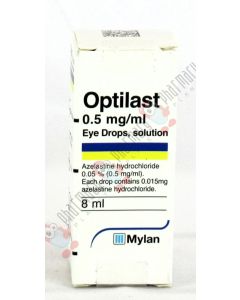
Optilast eye drop solution provides quick relief from allergic conjunctivit ...
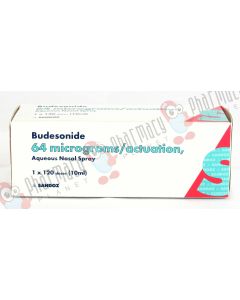
Rhinocort Aqueous nasal spray contains budesonide, which belongs to a group ...
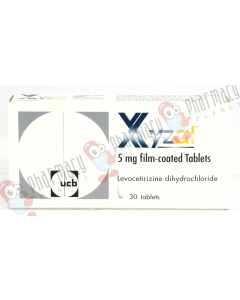
Levocetirizine Xyzal is a third-generation antihistamine derived from cetir ...
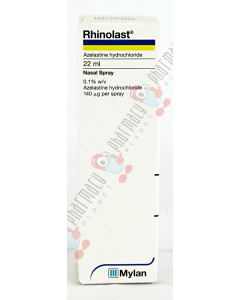
Rhinolast contains the active substance, azelastine hydrochloride, which be ...
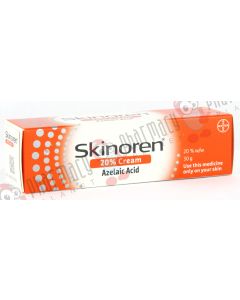
Skinoren is a treatment that works against bacteria to fight acne. It is ap ...
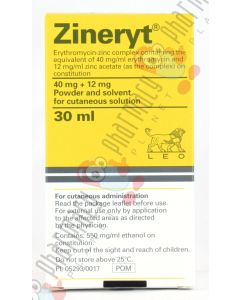
Zineryt Lotion is an excellent choice for individuals suffering from modera ...
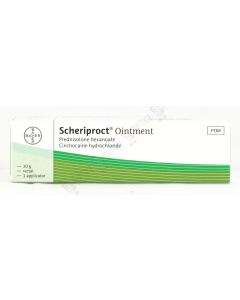
Scheriproct is a treatment for hemorrhoids. It contains two active ingredie ...
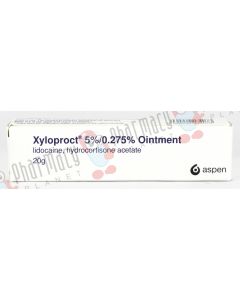
Xyloproct is a treatment for hemorrhoids. It comes in the form of an ointme ...
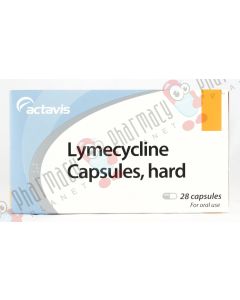
Tetralysal or Lymecycline is an antibacterial medication, well known for it ...
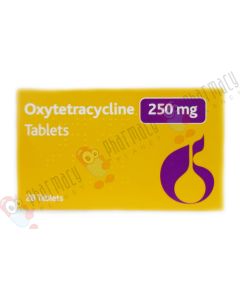
Oxytetracycline is an oral, anti-inflammatory antibiotic used in the proces ...
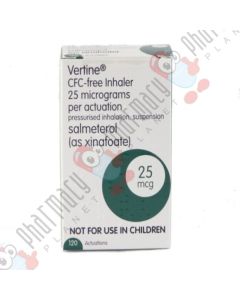
Salmeterol is an inhaler that is used to help prevent and control asthma an ...
Start your journey with us
Need Help?

Do you have a question about weight loss treatment?
Start your weight loss journey heading in the right direction. Our team are here to help. Whether you’re unsure about which medicine is right for you or need help navigating the world of weight loss drugs, our team are on hand to help you make the right decision. We can put you in touch with one of our experienced weight loss clinicians so you can be sure you’re making the best decision with the most accurate information.
To get in touch, contact our Customer Service team on 0800 978 8956 or email headoffice@pharmacyplanet.com.
Meet the team







Review By
GURDEV SEHMI
Last Updated On : Mar 13 2026
BSc Pharm, MRPharmS, Independent Prescriber, Superintendent Pharmacist, Clinical Lead
GPhC Number: 2050925
Authored By
GURDEV SEHMI
Last Reviewed On : Mar 23 2026
BSc Pharm, MRPharmS, Independent Prescriber, Superintendent Pharmacist, Clinical Lead
GPhC Number: 2050925


