



Bhupinder (Boo) Dhaliwale
Carbonet Charcoal Dressing
Carbonet Charcoal Dressings have been designed to facilitate easier wound management and a reduction in nursing time in the treatment of malodorous and infected wounds. They utilize the important, well-proven benefits of an activated charcoal layer, with the additional features of absorbency and non-adherent. The dressings create a favorable environment for wound healing, whilst being cost effective and easy to use.

Consult

Select

Checkout
01
Select
the items you wish
to order
02
Order reviewed
by our qualified
prescriber
03
Delivered
to your door step
Your Selection
Please use the options provided to make your final selection.

Carbonet Charcoal Dressing
£177.49
Total
Price Comparison
Select your preferred options and see the best price
| Pack | Price (£) | ||
|---|---|---|---|
| - | 10cm x 10cm | 10 | 177.49 |
It looks like you missed filling in questions from the last consultation.Click Here to submit your response.

No subscriptions or hidden fees

Secure checkout

UK Regulated online pharmacy

Trusted by over 250,000+ happy customers
Carbonet Charcoal Dressing | Activated Charcoal Cloth for Malodorous Wound Odour
Wound odour is a deeply personal and often isolating experience. It can affect how people feel about themselves, limit the time they feel comfortable spending with others, and weigh heavily on daily wellbeing. Managing it is a legitimate clinical priority, and choosing the right dressing to address it makes a real difference. Carbonet Charcoal Dressing is a thin activated charcoal cloth dressing from Smith & Nephew that sits directly on or over the wound surface and intercepts the volatile odour molecules produced by wound bacteria before they escape into the surrounding space. Single size: 10cm x 10cm. No adhesive. A secondary dressing is required. No prescription needed.
What Is Carbonet Charcoal Dressing?
Carbonet Charcoal Dressing is a Class IIb regulated medical device from Smith & Nephew. It is a thin cloth dressing made from a knitted viscose fabric that has been impregnated with activated charcoal. The dressing is intended to be placed directly over the wound or over a primary wound contact layer, with a secondary absorbent dressing applied on top of it.
The construction of Carbonet differs from multi-layer odour dressings such as CarboFlex in a key practical respect. Carbonet is a single-layer charcoal cloth without a built-in absorbent body. This makes it thinner, more conformable to wound contours, and usable either directly on the wound or as an odour management layer incorporated into a dressing regime that uses separate primary and secondary dressings chosen to suit the specific wound. This flexibility is one of its clinical advantages, clinicians can select the most appropriate primary wound contact dressing for the wound type and use Carbonet alongside it for odour management.
Wound odour arises when bacteria breaking down wound tissue and exudate release volatile compounds, including sulphur molecules and organic acids. Activated charcoal traps these volatile molecules through adsorption, they enter the porous carbon structure and bind to it rather than passing outward into the room. Carbonet places this charcoal layer close to the odour source, intercept the molecules as they leave the wound, and reduces the odour reaching the surrounding environment.
Carbonet is available in a single size of 10cm x 10cm. It has no adhesive and requires a secondary dressing to hold it in place.
Carbonet Charcoal Dressing manages wound odour by intercepting volatile molecules, it does not treat the bacterial activity producing them. Clinical assessment for infection and appropriate antimicrobial management should be part of any plan for a wound with significant odour. Carbonet has no antimicrobial action. It must be held in place with a secondary dressing at every application.
How Carbonet Charcoal Dressing Works
Activated Charcoal Cloth
The fabric of Carbonet is impregnated with activated charcoal. Activated charcoal is carbon processed to produce an internal structure of interconnected microscopic pores, giving it an enormous surface area relative to its physical size. When volatile odour molecules from the wound move outward, they reach the charcoal cloth and enter these pores. The molecules adhere to the carbon surface through a physical process called adsorption and remain bound there rather than continuing into the air of the room. The charcoal intercepts the odour compounds at the source rather than covering them with another smell.
Thin and Conformable Construction
Because Carbonet is a single cloth layer rather than a multi-layer structure, it is thin and flexible. It can be placed directly against irregular wound surfaces, into shallow wound contours, or folded to fit wound areas that do not have a simple flat surface. Its low profile also means it adds minimal bulk when combined with a secondary absorbent dressing, which is a practical consideration on wound sites where available space beneath bandaging or clothing is limited.
Position Within the Dressing Regime
Carbonet can be used in two ways. It can be placed directly on the wound surface as a primary wound contact and odour management layer, with a secondary absorbent dressing on top. Alternatively, it can be placed over a separate primary wound contact dressing and beneath the secondary dressing, acting as a dedicated odour management layer within an otherwise standard dressing regime. The second approach is useful when the wound requires a specific type of primary dressing — such as a hydrofibre or alginate for heavy exudate — and Carbonet provides the odour management function without interfering with the primary wound contact.
Applying Carbonet Charcoal Dressing
Before Applying
- Wash hands and put on gloves.
- Clean the wound as directed by a healthcare professional.
- Decide whether Carbonet will be used directly on the wound or over a primary wound contact dressing.
- Prepare the secondary dressing before applying.
Application
- Place Carbonet over the wound surface, or over the primary wound contact dressing if one is being used.
- The 10cm x 10cm pad should cover the wound fully, or as much of it as possible.
- Apply the secondary absorbent dressing over Carbonet to hold it in place and manage exudate.
- Note the date and time of application.
Removal and Change
- Remove the secondary dressing first, then lift Carbonet.
- Change when odour becomes noticeable again, when exudate has saturated the secondary dressing, or as clinically directed.
- Assess the wound at each change.
- Dispose of used dressings as clinical waste.
Carbonet Charcoal Dressing should not be cut. Cutting disrupts the charcoal cloth and reduces its odour management capacity. The 10cm x 10cm size should be used as supplied. If the wound dimensions are larger than a single pad can address, seek clinical guidance rather than cutting the dressing.
Size Available
Carbonet Charcoal Dressing 10cm x 10cm
Carbonet is available in a single size of 10cm x 10cm. This square format provides a consistent charcoal cloth area suited to moderate-sized malodorous wounds across a range of wound types and body locations. The thin conformable cloth can be positioned over wounds with irregular surfaces.
For wounds whose area is significantly larger than 10cm x 10cm, multiple pads may be placed side by side under clinical guidance. Do not cut individual pads. Seek clinical advice on how best to address larger wound areas that exceed the coverage of a single Carbonet pad.
Cautions and Adverse Effects
When Carbonet Is Not Appropriate
- Dry wounds where a secondary absorbent dressing is not clinically indicated - the dressing regime around Carbonet should be matched to the wound.
- Known sensitivity to viscose cloth, activated charcoal, or any component of the dressing.
- Do not use as a standalone dressing. A secondary dressing is always required.
Precautions
- Do not cut the dressing.
- Carbonet does not treat wound infection. Persistent or worsening odour should prompt clinical reassessment of the underlying wound.
- Single use only.
- Remove before MRI.
Adverse Effects
- Skin irritation related to the secondary dressing or fixation method.
- There are no known adverse effects directly attributable to the Carbonet cloth itself in standard use.
Suitability
Wounds Where Carbonet Is Appropriate
- Malodorous wounds of any type where activated charcoal odour management is the clinical priority, including fungating wounds, heavily colonised or infected wounds producing significant odour, venous leg ulcers, and other chronic wounds where odour is a quality of life concern
- Wound care regimes where a dedicated odour management layer is needed separately from the primary wound contact dressing
- Shallow or irregular wound surfaces where the conformable cloth format follows the wound contour better than a thicker multi-layer dressing
- Adults and children where clinically directed
Carbonet and CarboFlex: Different Products for Similar Indications
Carbonet (Smith & Nephew) and CarboFlex Non-Adhesive (ConvaTec) are both activated charcoal dressings for malodorous wound management, but they have different constructions. CarboFlex Non-Adhesive is a multi-layer dressing that combines charcoal with an integrated absorbent layer, available in two sizes. Carbonet is a single charcoal cloth in one size, thinner and more conformable, used with a separate secondary dressing. The choice between them depends on whether an integrated absorbent construction or a flexible standalone charcoal layer better suits the wound and the dressing regime.
Wound Odour and Quality of Life
The impact of wound odour on daily life should not be underestimated. It affects confidence, social contact, relationships, and emotional wellbeing in ways that extend well beyond the wound itself. Addressing it directly as part of wound care planning is clinically appropriate and makes a meaningful difference to the people managing these wounds day to day.
Purchasing Carbonet Charcoal Dressing
Carbonet Charcoal Dressing is a regulated medical device and does not require a prescription. The 10cm x 10cm size is available from Pharmacy Planet without a clinical consultation.
Our pharmacists can advise on whether Carbonet is the right choice for a specific wound and dressing regime, and on how to combine it with appropriate primary and secondary dressings.
Malodorous wounds should be assessed by a healthcare professional to identify the underlying cause. Where infection is suspected or the wound is not progressing as expected, clinical assessment should accompany dressing management.
Storage
- Store in a cool, dry place away from direct light.
- Do not store above 25°C.
- Keep in original sealed packaging until immediately before use.
- Do not use if packaging is damaged or opened.
- Check the expiry date before use.
- Apply as soon as the packaging is opened.
- Keep out of reach of children.
- Dispose of used dressings as clinical waste.
Why Choose Pharmacy Planet?
Pharmacy Planet is a GPhC registered online pharmacy. Carbonet Charcoal Dressing is a genuine Smith & Nephew product stocked through regulated UK supply chains.
Our pharmacists understand that odour management is an important and sensitive aspect of wound care and can advise with expertise and sensitivity on the most appropriate approach for a specific wound.
References
- Smith & Nephew. Carbonet Charcoal Dressing — Instructions for Use. Smith & Nephew. https://www.smith-nephew.com. Accessed May 2026.
- National Institute for Health and Care Excellence. Wound care products: selection and prescribing. https://www.nice.org.uk. Accessed May 2026.
- Wounds UK. Best Practice Statement: Wound odour — assessment and management. https://www.wounds-uk.com. Accessed May 2026.
- NHS. Managing malodorous wounds. https://www.nhs.uk. Accessed May 2026.
Carbonet Charcoal Dressing
Wound odour is a deeply personal and often isolating experience. It can affect how people feel about themselves, limit the time they feel comfortable spending with others, and weigh heavily on daily wellbeing. Managing it is a legitimate clinical priority, and choosing the right dressing to address it makes a real difference. Carbonet Charcoal Dressing is a thin activated charcoal cloth dressing from Smith & Nephew that sits directly on or over the wound surface and intercepts the volatile odour molecules produced by wound bacteria before they escape into the surrounding space. Single size: 10cm x 10cm. No adhesive. A secondary dressing is required. No prescription needed.
Carbonet Charcoal Dressing is a Class IIb regulated medical device from Smith & Nephew. It is a thin cloth dressing made from a knitted viscose fabric that has been impregnated with activated charcoal. The dressing is intended to be placed directly over the wound or over a primary wound contact layer, with a secondary absorbent dressing applied on top of it.
The construction of Carbonet differs from multi-layer odour dressings such as CarboFlex in a key practical respect. Carbonet is a single-layer charcoal cloth without a built-in absorbent body. This makes it thinner, more conformable to wound contours, and usable either directly on the wound or as an odour management layer incorporated into a dressing regime that uses separate primary and secondary dressings chosen to suit the specific wound. This flexibility is one of its clinical advantages, clinicians can select the most appropriate primary wound contact dressing for the wound type and use Carbonet alongside it for odour management.
Wound odour arises when bacteria breaking down wound tissue and exudate release volatile compounds, including sulphur molecules and organic acids. Activated charcoal traps these volatile molecules through adsorption, they enter the porous carbon structure and bind to it rather than passing outward into the room. Carbonet places this charcoal layer close to the odour source, intercept the molecules as they leave the wound, and reduces the odour reaching the surrounding environment.
Carbonet is available in a single size of 10cm x 10cm. It has no adhesive and requires a secondary dressing to hold it in place.
Carbonet Charcoal Dressing manages wound odour by intercepting volatile molecules, it does not treat the bacterial activity producing them. Clinical assessment for infection and appropriate antimicrobial management should be part of any plan for a wound with significant odour. Carbonet has no antimicrobial action. It must be held in place with a secondary dressing at every application.
Activated Charcoal Cloth
The fabric of Carbonet is impregnated with activated charcoal. Activated charcoal is carbon processed to produce an internal structure of interconnected microscopic pores, giving it an enormous surface area relative to its physical size. When volatile odour molecules from the wound move outward, they reach the charcoal cloth and enter these pores. The molecules adhere to the carbon surface through a physical process called adsorption and remain bound there rather than continuing into the air of the room. The charcoal intercepts the odour compounds at the source rather than covering them with another smell.
Thin and Conformable Construction
Because Carbonet is a single cloth layer rather than a multi-layer structure, it is thin and flexible. It can be placed directly against irregular wound surfaces, into shallow wound contours, or folded to fit wound areas that do not have a simple flat surface. Its low profile also means it adds minimal bulk when combined with a secondary absorbent dressing, which is a practical consideration on wound sites where available space beneath bandaging or clothing is limited.
Position Within the Dressing Regime
Carbonet can be used in two ways. It can be placed directly on the wound surface as a primary wound contact and odour management layer, with a secondary absorbent dressing on top. Alternatively, it can be placed over a separate primary wound contact dressing and beneath the secondary dressing, acting as a dedicated odour management layer within an otherwise standard dressing regime. The second approach is useful when the wound requires a specific type of primary dressing — such as a hydrofibre or alginate for heavy exudate — and Carbonet provides the odour management function without interfering with the primary wound contact.
Before Applying
- Wash hands and put on gloves.
- Clean the wound as directed by a healthcare professional.
- Decide whether Carbonet will be used directly on the wound or over a primary wound contact dressing.
- Prepare the secondary dressing before applying.
Application
- Place Carbonet over the wound surface, or over the primary wound contact dressing if one is being used.
- The 10cm x 10cm pad should cover the wound fully, or as much of it as possible.
- Apply the secondary absorbent dressing over Carbonet to hold it in place and manage exudate.
- Note the date and time of application.
Removal and Change
- Remove the secondary dressing first, then lift Carbonet.
- Change when odour becomes noticeable again, when exudate has saturated the secondary dressing, or as clinically directed.
- Assess the wound at each change.
- Dispose of used dressings as clinical waste.
Carbonet Charcoal Dressing should not be cut. Cutting disrupts the charcoal cloth and reduces its odour management capacity. The 10cm x 10cm size should be used as supplied. If the wound dimensions are larger than a single pad can address, seek clinical guidance rather than cutting the dressing.
Carbonet Charcoal Dressing 10cm x 10cm
Carbonet is available in a single size of 10cm x 10cm. This square format provides a consistent charcoal cloth area suited to moderate-sized malodorous wounds across a range of wound types and body locations. The thin conformable cloth can be positioned over wounds with irregular surfaces.
For wounds whose area is significantly larger than 10cm x 10cm, multiple pads may be placed side by side under clinical guidance. Do not cut individual pads. Seek clinical advice on how best to address larger wound areas that exceed the coverage of a single Carbonet pad.
When Carbonet Is Not Appropriate
- Dry wounds where a secondary absorbent dressing is not clinically indicated - the dressing regime around Carbonet should be matched to the wound.
- Known sensitivity to viscose cloth, activated charcoal, or any component of the dressing.
- Do not use as a standalone dressing. A secondary dressing is always required.
Precautions
- Do not cut the dressing.
- Carbonet does not treat wound infection. Persistent or worsening odour should prompt clinical reassessment of the underlying wound.
- Single use only.
- Remove before MRI.
Adverse Effects
- Skin irritation related to the secondary dressing or fixation method.
- There are no known adverse effects directly attributable to the Carbonet cloth itself in standard use.
Wounds Where Carbonet Is Appropriate
- Malodorous wounds of any type where activated charcoal odour management is the clinical priority, including fungating wounds, heavily colonised or infected wounds producing significant odour, venous leg ulcers, and other chronic wounds where odour is a quality of life concern
- Wound care regimes where a dedicated odour management layer is needed separately from the primary wound contact dressing
- Shallow or irregular wound surfaces where the conformable cloth format follows the wound contour better than a thicker multi-layer dressing
- Adults and children where clinically directed
Carbonet and CarboFlex: Different Products for Similar Indications
Carbonet (Smith & Nephew) and CarboFlex Non-Adhesive (ConvaTec) are both activated charcoal dressings for malodorous wound management, but they have different constructions. CarboFlex Non-Adhesive is a multi-layer dressing that combines charcoal with an integrated absorbent layer, available in two sizes. Carbonet is a single charcoal cloth in one size, thinner and more conformable, used with a separate secondary dressing. The choice between them depends on whether an integrated absorbent construction or a flexible standalone charcoal layer better suits the wound and the dressing regime.
Wound Odour and Quality of Life
The impact of wound odour on daily life should not be underestimated. It affects confidence, social contact, relationships, and emotional wellbeing in ways that extend well beyond the wound itself. Addressing it directly as part of wound care planning is clinically appropriate and makes a meaningful difference to the people managing these wounds day to day.
Carbonet Charcoal Dressing is a regulated medical device and does not require a prescription. The 10cm x 10cm size is available from Pharmacy Planet without a clinical consultation.
Our pharmacists can advise on whether Carbonet is the right choice for a specific wound and dressing regime, and on how to combine it with appropriate primary and secondary dressings.
Malodorous wounds should be assessed by a healthcare professional to identify the underlying cause. Where infection is suspected or the wound is not progressing as expected, clinical assessment should accompany dressing management.
- Store in a cool, dry place away from direct light.
- Do not store above 25°C.
- Keep in original sealed packaging until immediately before use.
- Do not use if packaging is damaged or opened.
- Check the expiry date before use.
- Apply as soon as the packaging is opened.
- Keep out of reach of children.
- Dispose of used dressings as clinical waste.
Pharmacy Planet is a GPhC registered online pharmacy. Carbonet Charcoal Dressing is a genuine Smith & Nephew product stocked through regulated UK supply chains.
Our pharmacists understand that odour management is an important and sensitive aspect of wound care and can advise with expertise and sensitivity on the most appropriate approach for a specific wound.
References
- Smith & Nephew. Carbonet Charcoal Dressing — Instructions for Use. Smith & Nephew. https://www.smith-nephew.com. Accessed May 2026.
- National Institute for Health and Care Excellence. Wound care products: selection and prescribing. https://www.nice.org.uk. Accessed May 2026.
- Wounds UK. Best Practice Statement: Wound odour — assessment and management. https://www.wounds-uk.com. Accessed May 2026.
- NHS. Managing malodorous wounds. https://www.nhs.uk. Accessed May 2026.
Frequently Asked Questions
Carbonet Charcoal Dressing is an activated charcoal cloth from Smith & Nephew for managing wound odour in malodorous wounds. The charcoal cloth intercepts volatile odour molecules from the wound and binds them through adsorption, reducing the odour reaching the surrounding environment. It is placed over the wound or over a primary wound contact dressing, with a secondary dressing applied on top. Single size: 10cm x 10cm. No adhesive. No prescription required.
The viscose cloth in Carbonet is impregnated with activated charcoal, which has a highly porous internal structure. When volatile odour molecules from the wound move outward, they reach the charcoal and enter its pores, where they bind to the carbon surface through adsorption. This physical binding holds the odour molecules within the cloth rather than allowing them to continue into the room air. The process is adsorption rather than absorption, the molecules adhere to the surface rather than dissolving into a liquid medium.
Carbonet can be used either way, depending on what the wound requires. It can be placed directly on the wound surface as a primary wound contact and odour management layer, with a secondary absorbent dressing applied on top. It can also be placed over a separate primary wound contact dressing, such as an alginate or hydrofibre, and beneath the secondary dressing, providing odour management without changing the primary wound contact material. The second approach is useful when the wound needs a specific primary dressing type.
Both are activated charcoal dressings for malodorous wound management, but they are different products from different manufacturers. Carbonet (Smith & Nephew) is a single charcoal cloth in one size (10cm x 10cm), thin and conformable, always used with a separate secondary dressing. CarboFlex Non-Adhesive (ConvaTec) is a multi-layer dressing combining charcoal with an integrated absorbent layer, available in two sizes. The choice depends on whether a dedicated standalone charcoal layer or an integrated charcoal and absorbency construction better fits the wound and the clinical plan.
No. Carbonet Charcoal Dressing should not be cut. Cutting the cloth disrupts the charcoal impregnation and reduces its effectiveness for odour management. Use the 10cm x 10cm size as supplied. If the wound is significantly smaller than the pad, position it so the central area covers the wound fully. For wounds larger than the pad can cover, seek clinical guidance on how to best manage odour across a larger wound area.
No. Carbonet has no antimicrobial action and does not treat wound infection. It manages the odour symptom produced by bacterial activity in the wound, but does not address the bacteria causing it. If the wound is clinically infected, antimicrobial management should be part of the care plan. Persistent or worsening odour despite dressing management should prompt clinical reassessment of the wound, including consideration of whether antimicrobial treatment is needed.
Yes. Fungating wounds are one of the primary indications for activated charcoal dressings. These wounds frequently produce significant and persistent odour that affects quality of life, confidence, and social engagement. The thin conformable nature of Carbonet makes it suited to the often irregular surface of fungating wounds, and it can be incorporated into a wider dressing regime alongside primary wound contact and secondary absorbent dressings appropriate to the wound. Management of fungating wounds should always be under the supervision of a specialist nurse or palliative care team.
No. Carbonet Charcoal Dressing is a regulated medical device and does not require a prescription. The 10cm x 10cm size is available from Pharmacy Planet without a consultation. Malodorous wounds producing significant odour should be assessed by a healthcare professional to identify the cause and confirm that charcoal dressing management is appropriate for that wound. Our pharmacists can advise on dressing selection and regime design.
How it works

Complete our online
clinical consultation
clinical consultation
Answer a few questions on your health and your fitness goals.

Clinical
assessment
assessment
Our clinicians will review your clinical questionnaire to make sure treatment is right for you.
Welcome
aboard!
aboard!
Once approved, you will access our wealth of experience and resources curated by our team and begin your clinical journey.
Treatment options
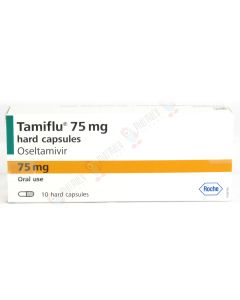
Tamiflu (Oseltamivir) is an antiviral medication that blocks the actions of ...
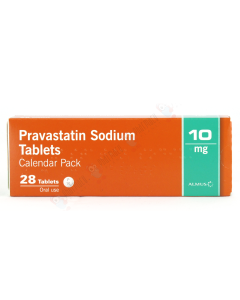
Pravastatin is a high cholesterol treatment in tablet form. This medicine h ...
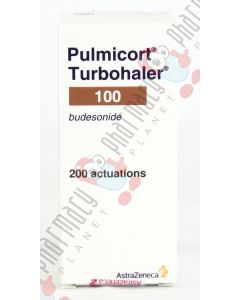
The Pulmicort Turbohaler is an inhaler designed for long-term asthma and CO ...
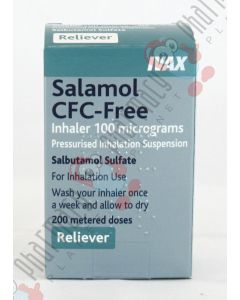
Salamol 100 mcg inhaler is used to relieve breathing difficulties caused by ...
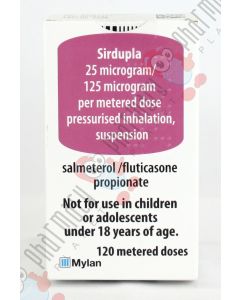
The Sirdupla Inhaler is a prescription combination inhaler that can be used ...
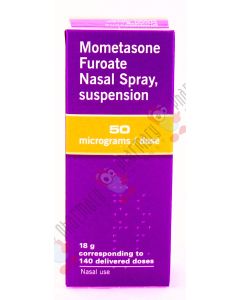
Nasonex nasal spray can effectively treat and prevent the symptoms of aller ...
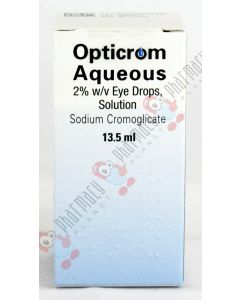
Opticrom aqueous eye drops provide quick relief from allergy symptoms which ...
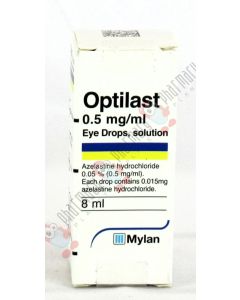
Optilast eye drop solution provides quick relief from allergic conjunctivit ...
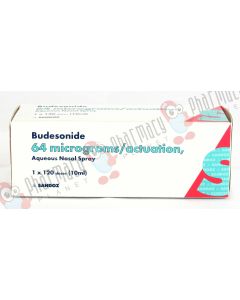
Rhinocort Aqueous nasal spray contains budesonide, which belongs to a group ...
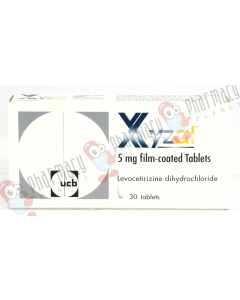
Levocetirizine Xyzal is a third-generation antihistamine derived from cetir ...
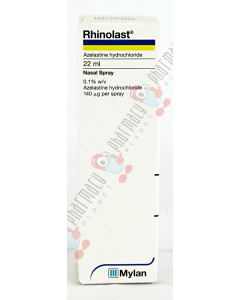
Rhinolast contains the active substance, azelastine hydrochloride, which be ...
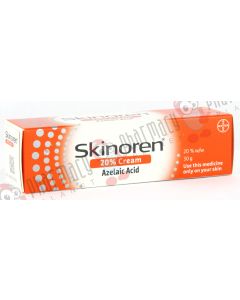
Skinoren is a treatment that works against bacteria to fight acne. It is ap ...
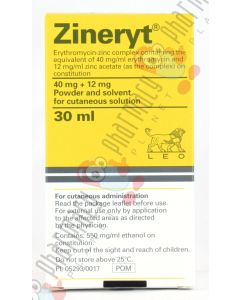
Zineryt Lotion is an excellent choice for individuals suffering from modera ...
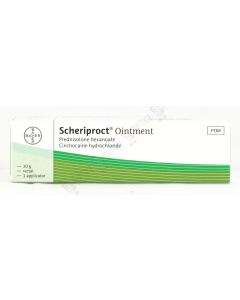
Scheriproct is a treatment for hemorrhoids. It contains two active ingredie ...
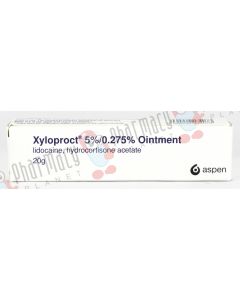
Xyloproct is a treatment for hemorrhoids. It comes in the form of an ointme ...
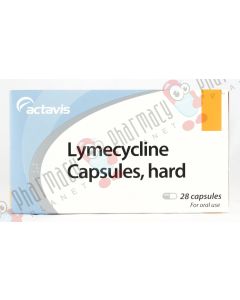
Tetralysal or Lymecycline is an antibacterial medication, well known for it ...
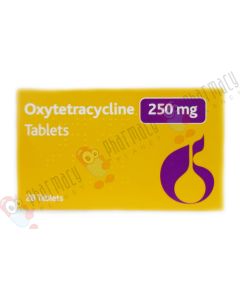
Oxytetracycline is an oral, anti-inflammatory antibiotic used in the proces ...
Salmeterol is an inhaler that is used to help prevent and control asthma an ...
Start your journey with us
Need Help?

Do you have a question about weight loss treatment?
Start your weight loss journey heading in the right direction. Our team are here to help. Whether you’re unsure about which medicine is right for you or need help navigating the world of weight loss drugs, our team are on hand to help you make the right decision. We can put you in touch with one of our experienced weight loss clinicians so you can be sure you’re making the best decision with the most accurate information.
To get in touch, contact our Customer Service team on 0800 978 8956 or email headoffice@pharmacyplanet.com.
Meet the team







Review By
HARMINDER ‘HARMY’ KAUR
Last Updated On : Mar 13 2026
BSc(hons) Pharmacy
GPhC Number: 2061107

Authored By
GURDEV SEHMI
Last Reviewed On : Mar 23 2026
BSc Pharm, MRPharmS, Independent Prescriber, Superintendent Pharmacist, Clinical Lead
GPhC Number: 2050925


