






Bhupinder (Boo) Dhaliwale
Fenofibrate/Lipantil
Lipantil micro belongs to a group of medicines commonly known as fibrates. These drugs are used to lower the levels of fats (lipids) in the blood, by, for example, fats known as "triglycerides". Lipantil micro is used to lower blood fat levels in combination with a low-fat food diet and other non-drug treatments, such as activity physical activity and weight loss. Lipantil Nano is used in combination with other medicines (called 'statins') in certain situations that blood fat levels are not only controlled by statin treatment.

Consult

Select

Checkout
01
Select
the items you wish
to order
02
Order reviewed
by our qualified
prescriber
03
Delivered
to your door step
Your Selection
Please use the options provided to make your final selection.

Fenofibrate/Lipantil
£30
Total

You’re almost there!
It is the prescribers duty to ensure that the medicine is being used safely and appropriately. please answer a few questions about yourself to help us process your request.
- Manesha
Customer Service Team
Confidentiality & Authenticity Assured
- Fully Regulated UK Pharmacy
- Authentic UK sourced medicines only.
- Trading for more than 10 years.
- Information Governance lead ensures all data is confidential
Need Help With Your Questionnaire?
Our customer service team is on hand Monday-Friday to help you with your queries.
Please call us on 08009788956 or
email us at: headoffice@pharmacyplanet.com
Price Comparison
Select your preferred options and see the best price
| Pack | Price (£) | ||
|---|---|---|---|
| Fenofibrate (Generic) | 160mg | 28 | 30.00 |
| Fenofibrate (Generic) | 160mg | 56 | 40.00 |
| Fenofibrate (Generic) | 160mg | 84 | 50.00 |
| Fenofibrate (Generic) | 200mg | 28 | 31.00 |
| Fenofibrate (Generic) | 200mg | 56 | 41.00 |
| Fenofibrate (Generic) | 200mg | 84 | 51.00 |
| Fenofibrate (Generic) | 267mg | 28 | 32.00 |
| Fenofibrate (Generic) | 267mg | 56 | 42.00 |
| Fenofibrate (Generic) | 267mg | 84 | 52.00 |
| Supralip Tabs | 160mg | 28 | 39.00 |
| Supralip Tabs | 160mg | 56 | 61.00 |
| Supralip Tabs | 160mg | 84 | 72.00 |
| Lipantil Caps | 200mg | 28 | 45.00 |
| Lipantil Caps | 200mg | 56 | 75.00 |
| Lipantil Caps | 200mg | 84 | 95.00 |
| Lipantil Caps | 267mg | 28 | 75.00 |
| Lipantil Caps | 267mg | 56 | 125.00 |
| Lipantil Caps | 267mg | 84 | 165.00 |
It looks like you missed filling in questions from the last consultation.Click Here to submit your response.

No subscriptions or hidden fees

Secure checkout

UK Regulated online pharmacy

Trusted by over 250,000+ happy customers
Lipantil Capsules | Fenofibrate Fibrate for High Cholesterol & Triglyceride Reduction
When triglycerides are elevated or a mixed lipid profile needs addressing alongside or instead of statin therapy, a fibrate can provide targeted lipid control through a mechanism distinct from statins. Fenofibrate tablets and capsules, available under the brand name Lipantil and as generic formulations, are a prescription-only fibrate used in adults for the treatment of severe hypertriglyceridaemia and mixed dyslipidaemia. Available in three strengths (160 mg, 200 mg, and 267 mg) across different formulations, Fenofibrate provides once-daily triglyceride reduction and HDL improvement as part of cardiovascular therapy. A prescription can only be issued following a clinical consultation.
What Is Fenofibrate (Lipantil)?
Fenofibrate is an oral prescription medicine belonging to the fibrate class of lipid-lowering medicines. Lipantil is a well-known brand name for Fenofibrate in the UK. Fenofibrate is available in several formulations and strengths: 160 mg tablets, 200 mg capsules, and 267 mg capsules are the strengths listed for this product. Generic Fenofibrate at equivalent strengths is also available.
An important note about Fenofibrate formulations: different Fenofibrate products have different bioavailability and must not be assumed to be interchangeable. The 200 mg and 267 mg capsule strengths typically refer to micronised Fenofibrate formulations, while 160 mg may refer to a tablet or alternative capsule formulation. Always check which specific formulation has been prescribed for you, and always take the formulation and strength specified on your prescription.
Fenofibrate is licensed in the UK as adjunctive therapy to diet and other non-pharmacological treatments (exercise and weight reduction) for severe hypertriglyceridaemia with or without low HDL cholesterol, and for mixed dyslipidaemia when a statin is contraindicated or not tolerated. Fenofibrate is also used alongside statins in some patients with mixed dyslipidaemia where triglycerides and HDL remain outside target despite statin therapy, under careful prescriber assessment.
How Does Fenofibrate Work?
Fenofibrate lowers blood lipids through its action as a PPAR alpha agonist — the same mechanism shared by bezafibrate and ciprofibrate.
Conversion to Fenofibric Acid. Fenofibrate is a prodrug. After absorption it is rapidly hydrolysed in the body to fenofibric acid, the pharmacologically active form. Fenofibric acid is responsible for all the lipid lowering effects of Fenofibrate. The rate and extent of conversion and absorption varies between formulations, which is why different Fenofibrate products are not interchangeable.
PPAR Alpha Activation and Lipid Effects. Fenofibric acid activates peroxisome proliferator-activated receptor alpha (PPAR alpha) receptors in cells, particularly in the liver. These nuclear receptors regulate genes involved in fatty acid metabolism and lipoprotein handling. PPAR alpha activation by fenofibric acid increases the activity of lipoprotein lipase, the enzyme that clears triglyceride rich particles from the blood, producing a significant fall in plasma triglycerides. It also reduces hepatic VLDL production, further lowering triglycerides. Fenofibric acid raises HDL cholesterol by increasing production of apolipoproteins A-I and A-II, the main structural proteins of HDL particles.
In patients with mixed dyslipidaemia, Fenofibrate can also produce a modest reduction in LDL cholesterol, though the magnitude of LDL lowering varies between patients and is generally less consistent than its triglyceride lowering effect. The overall lipid profile improvement with Fenofibrate makes it particularly useful where triglyceride management is the primary treatment priority as part of a broader cardiovascular therapy plan.
How to Take Fenofibrate
Always take Fenofibrate exactly as your prescriber instructs. Instructions vary between formulations. Read the Patient Information Leaflet for your specific product before starting treatment.
- Take Fenofibrate once daily. All strengths listed (160 mg, 200 mg, and 267 mg) are taken as a single daily dose.
- Take with food. Fenofibrate absorption, particularly for non-micronised formulations, is significantly improved when taken with a meal.
- Swallow the capsule or tablet whole with a glass of water. Do not crush or open the capsule.
If you miss a dose, take it as soon as you remember with your next meal. If you only remember the following day, skip the missed dose and continue as normal. Do not take two doses on the same day. Do not stop taking Fenofibrate without speaking to your prescriber first.
Your prescriber will arrange blood tests to check your lipid levels before and during treatment, typically at three to six months. Liver and kidney function may also be monitored.
Dosage and Strengths Available
Fenofibrate is available in three strengths through this service. The appropriate strength depends on the specific formulation prescribed and your individual clinical needs. Do not switch between strengths or formulations without first consulting your prescriber or pharmacist.
Fenofibrate 160 mg: Typically available as a tablet formulation (for example Supralip 160 mg). Provides the standard maintenance dose for most adults, taken once daily with food. Not interchangeable with the 200 mg micronised capsule on a milligram for milligram basis.
Fenofibrate 200 mg: Typically available as a micronised capsule formulation (for example Lipantil Micro 200 mg). Micronised Fenofibrate has improved bioavailability compared to non-micronised formulations and is one of the most commonly prescribed strengths in the UK.
Fenofibrate 267 mg: Available as a micronised capsule (for example Lipantil Micro 267 mg). Provides greater Fenofibrate exposure than the 200 mg capsule and may be used when more intensive triglyceride lowering is required. Do not change your strength or formulation without medical advice.
Side Effects and Safety Information
Like all medicines, Fenofibrate can cause side effects.
Common Side Effects (may affect up to 1 in 10 people):
- Gastrointestinal effects including abdominal pain, nausea, diarrhoea, and flatulence. Taking Fenofibrate with food helps reduce gastrointestinal discomfort.
- Muscle aches or weakness (myalgia). Contact your prescriber if you experience unexplained muscle pain, tenderness, or weakness.
Uncommon Side Effects (may affect up to 1 in 100 people):
- Raised liver enzymes, monitored during treatment.
- Headache.
- Skin rash or itching.
- Raised creatinine levels on blood tests, usually without symptoms.
Serious Side Effects — Seek Urgent Medical Attention: Go to your nearest accident and emergency department or call 999 immediately if you experience severe muscle pain, weakness, or cramps, particularly with dark, tea coloured urine (rhabdomyolysis risk, higher when combined with a statin); signs of significant liver problems such as yellowing of the skin or eyes, severe abdominal pain, or very dark urine; pancreatitis (severe upper abdominal pain radiating to the back); or signs of a severe allergic reaction such as sudden widespread rash, difficulty breathing, or swelling of the face, lips, tongue, or throat.
Who Can Take Fenofibrate?
Fenofibrate may be suitable if you:
- Are an adult with severe hypertriglyceridaemia or mixed dyslipidaemia that has not responded adequately to dietary measures and non-pharmacological treatment.
- Cannot tolerate a statin and require an alternative for lipid management, and your prescriber has assessed Fenofibrate as appropriate.
- Are taking a statin and have residual elevated triglycerides or low HDL that your prescriber has determined require additional treatment with Fenofibrate.
- Are already prescribed Fenofibrate and require a repeat prescription through an online prescribing service.
Fenofibrate is not suitable if you:
- Have severe kidney impairment, as Fenofibrate is substantially eliminated by the kidneys.
- Have significant liver disease or persistently abnormal liver function tests.
- Have a history of photoallergy or phototoxicity from fibrate medicines.
- Have gallbladder disease — Fenofibrate is contraindicated in gallbladder disease.
- Are pregnant or planning to become pregnant.
- Are breastfeeding.
- Are under 18 years of age.
- Have a known allergy or hypersensitivity to Fenofibrate or any excipient listed in the SmPC for your specific product.
Important Drug Interactions: Statins combined with Fenofibrate increase the risk of myopathy and rhabdomyolysis — requires careful prescriber assessment. Warfarin and anticoagulants may have their effect enhanced — INR monitoring and possible dose reduction needed. Ciclosporin may increase the risk of kidney problems when combined. Antidiabetic medicines may have their blood glucose lowering effect enhanced. Bile acid sequestrants such as colestyramine may reduce Fenofibrate absorption — take at least one hour before or four to six hours after.
Consultation and Prescribing Process
Fenofibrate is a Prescription Only Medicine. The clinical consultation is the essential first step. A prescription will only be issued if a registered prescriber concludes, based on their individual assessment of your circumstances, that Fenofibrate is clinically appropriate for you.
During your online consultation with Pharmacy Planet, a registered prescriber will review your lipid profile, triglyceride and HDL levels, kidney function where available, current medicines, and relevant medical history. The prescriber will determine the appropriate formulation and strength, whether Fenofibrate is suitable as monotherapy or alongside a statin, and whether online prescribing is appropriate for your situation.
Not all consultations will result in a prescription. The prescriber may request blood test results, recommend a different approach to lipid management, or advise that a GP review is needed before prescribing proceeds.
Lipantil (Fenofibrate) Capsules
Fenofibrate (Lipantil) is a prescription-only fibrate for severe hypertriglyceridaemia and mixed dyslipidaemia. Available in three strengths (160mg, 200mg, 267mg) across different formulations, taken once daily for triglyceride reduction and HDL improvement.
A fibrate-class medicine available as 160mg tablets, 200mg capsules, and 267mg capsules — formulations with different bioavailability that are NOT interchangeable. Licensed for severe hypertriglyceridaemia and mixed dyslipidaemia when statins are contraindicated or insufficient.
A prodrug converted to fenofibric acid, which activates PPAR alpha receptors in the liver. Increases lipoprotein lipase activity and reduces VLDL production to lower triglycerides significantly. Raises HDL via apolipoprotein A-I/A-II production. Can modestly reduce LDL in mixed dyslipidaemia.
Once daily with food — absorption significantly reduced without food, especially for non-micronised formulations. Swallow whole, don't crush or open. If a dose is missed, take it with the next meal if remembered, otherwise skip — never double dose. Lipid levels checked at 3–6 months; liver/kidney function also monitored.
160mg (tablet, e.g. Supralip): standard maintenance dose. 200mg (micronised capsule, e.g. Lipantil Micro): most commonly prescribed. 267mg (micronised capsule): higher exposure for more intensive lowering. All once daily with food — formulations are NOT interchangeable without prescriber guidance.
Common: GI effects (abdominal pain, nausea, diarrhoea, flatulence), muscle aches/weakness
Uncommon: Raised liver enzymes, headache, skin rash/itching, raised creatinine
Seek urgent help (999/A&E) for: Severe muscle pain with dark urine (rhabdomyolysis, higher with statins), serious liver problems, pancreatitis (severe upper abdominal pain to back), severe allergic reactions
Suitable for adults with severe hypertriglyceridaemia/mixed dyslipidaemia not managed by diet, statin-intolerant patients, or those needing add-on therapy for residual triglycerides/low HDL.
Not suitable for severe kidney/liver impairment, photoallergy history, gallbladder disease (contraindicated), pregnancy/breastfeeding, under 18s, or allergy to Fenofibrate. Key interactions: statins (myopathy risk), warfarin (INR monitoring), ciclosporin, antidiabetic medicines, bile acid sequestrants (timing required).
Fenofibrate is a Prescription Only Medicine requiring clinical consultation. During your online consultation with Pharmacy Planet, a registered prescriber reviews your lipid profile, triglyceride/HDL levels, and current medicines to determine the appropriate formulation and strength.
Frequently Asked Questions
Fenofibrate (Lipantil) is used as adjunctive therapy to diet for severe hypertriglyceridaemia (very high triglycerides) with or without low HDL cholesterol, and for mixed dyslipidaemia when a statin is contraindicated or not tolerated. It belongs to the fibrate class of lipid-lowering medicines and works by activating PPAR alpha receptors to lower triglycerides, raise HDL cholesterol, and modestly reduce LDL. It is a Prescription Only Medicine requiring a valid prescription following a clinical consultation.
The three strengths are not simply different doses of the same product. The 200 mg and 267 mg strengths are typically micronised Fenofibrate formulations with improved bioavailability. The 160 mg strength may be a tablet or alternative capsule formulation. Because different Fenofibrate formulations have different bioavailability, they are not interchangeable on a milligram for milligram basis. Your prescriber or pharmacist will specify the exact formulation and strength appropriate for you. Do not switch between products without first consulting your prescriber.
Yes. Fenofibrate should be taken with food. Food significantly improves the absorption of Fenofibrate, particularly non-micronised formulations. Taking it without food may substantially reduce the amount of drug absorbed and could reduce its effectiveness. Establishing a consistent routine of taking your Fenofibrate dose with the same main meal each day helps to maintain consistent drug levels. Check the Patient Information Leaflet for your specific product for the exact food requirements, as these may vary slightly between formulations.
Yes. Muscle aches and weakness are recognised side effects of Fenofibrate. The risk of serious muscle problems (myopathy or rhabdomyolysis) is higher when Fenofibrate is combined with a statin. Contact your prescriber promptly if you develop unexplained muscle pain, tenderness, or weakness during treatment. Seek emergency medical help immediately if muscle symptoms are severe or accompanied by dark, tea coloured urine, which may indicate rhabdomyolysis. The choice of Fenofibrate rather than gemfibrozil when combining with a statin is preferred due to a lower relative myopathy risk.
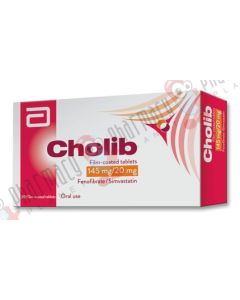
Yes, in some circumstances, but this combination requires careful prescriber assessment. Combining Fenofibrate with a statin increases the risk of myopathy and rhabdomyolysis compared to either medicine alone. Fenofibrate carries a lower risk in this regard than gemfibrozil. If your prescriber determines the combination is appropriate, they will monitor you for muscle symptoms and arrange relevant blood tests. A fixed dose combination product, Cholib (Fenofibrate 145mg plus simvastatin 20mg), is also available for eligible patients already stabilised on both components.
Fenofibrate requires careful assessment in patients with kidney impairment. It is substantially eliminated by the kidneys, and reduced kidney function leads to drug accumulation and an increased risk of side effects including muscle problems. The SmPC specifies dose reduction in mild to moderate kidney impairment and avoidance in severe impairment. Your prescriber will assess kidney function before prescribing and monitor it during treatment. Always inform your prescriber of any kidney condition before starting Fenofibrate.
Yes. Fenofibrate enhances the anticoagulant effect of warfarin, increasing the risk of bleeding. INR monitoring and possible dose reduction of warfarin are needed when starting or adjusting Fenofibrate. This interaction is class-wide for all fibrates. Always inform your prescriber and anticoagulation clinic that you are starting Fenofibrate if you are taking warfarin or any other anticoagulant. Regular INR checks during the initial period after starting Fenofibrate are particularly important.
Lipantil is the branded name for a range of Fenofibrate formulations from BGP Products. Generic Fenofibrate products from other manufacturers contain the same active ingredient but may differ in formulation (micronised or non-micronised), excipients, and bioavailability. Because Fenofibrate formulations are not all interchangeable, switching between brands or formulations should only be done following prescriber or pharmacist guidance to confirm the dose is appropriate. Always use the specific product that has been prescribed for you.
How it works

Complete our online
clinical consultation
clinical consultation
Answer a few questions on your health and your fitness goals.

Clinical
assessment
assessment
Our clinicians will review your clinical questionnaire to make sure treatment is right for you.

Welcome
aboard!
aboard!
Once approved, you will access our wealth of experience and resources curated by our team and begin your clinical journey.
Treatment options
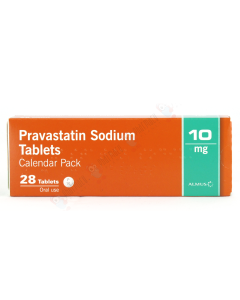
Pravastatin is a high cholesterol treatment in tablet form. This medicine h ...
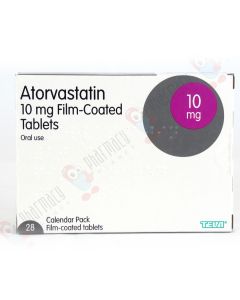
Atorvastatin is used in conjunction with diet to lower blood levels of "bad ...
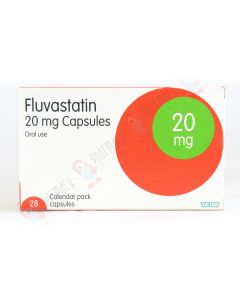
Fluvastatin is a medicine used to treat high cholesterol. The drug helps to ...
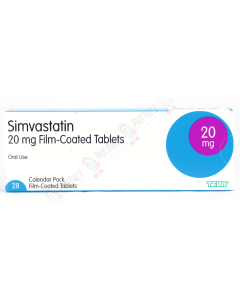
Simvastatin is used in conjunction with diet to lower blood levels of "bad" ...
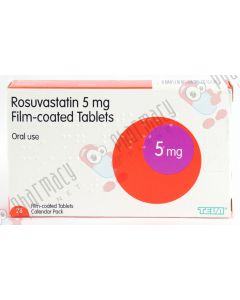
Rosuvastatin is one of the most potent statins, which, like the other six m ...
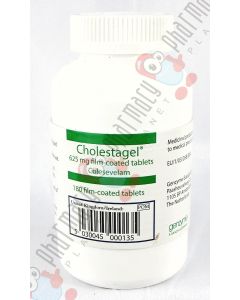
Cholestagel (Colesevelam) is a drug used in the treatment of hyperlipidemia ...
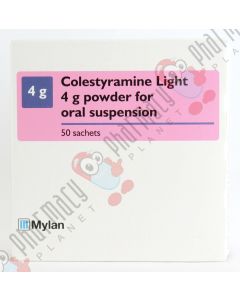
Questran (Colestyramine) helps reduce cholesterol (fatty acid) in the blood ...
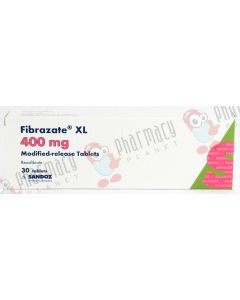
Bezafibrate belongs to the pharmacotherapeutic group of antidyslipidemic (o ...
Ciprofibrate belongs to the group of fibrates, such as bezafibrate or gemfi ...

Lopid belongs to a group of medications commonly known as fibrates. These m ...
Colestipol is an ion exchange resin, a polymer that contains certain anions ...
Start your journey with us
Need Help?

Do you have a question about weight loss treatment?
Start your weight loss journey heading in the right direction. Our team are here to help. Whether you’re unsure about which medicine is right for you or need help navigating the world of weight loss drugs, our team are on hand to help you make the right decision. We can put you in touch with one of our experienced weight loss clinicians so you can be sure you’re making the best decision with the most accurate information.
To get in touch, contact our Customer Service team on 0800 978 8956 or email headoffice@pharmacyplanet.com.
Meet the team







Review By
GURDEV SEHMI
Last Updated On : Mar 13 2026
BSc Pharm, MRPharmS, Independent Prescriber, Superintendent Pharmacist, Clinical Lead
GPhC Number: 2050925
Authored By
GURDEV SEHMI
Last Reviewed On : Mar 23 2026
BSc Pharm, MRPharmS, Independent Prescriber, Superintendent Pharmacist, Clinical Lead
GPhC Number: 2050925
Get a free consultation
Speak with one of our clinicians and get personalised advice.
You’re almost there!
It is the prescribers duty to ensure that the medicine is being used safely and appropriately. please answer a few questions about yourself to help us process your request.
- Manesha
Customer Service Team
Confidentiality & Authenticity Assured
- Fully Regulated UK Pharmacy
- Authentic UK sourced medicines only.
- Trading for more than 10 years.
- Information Governance lead ensures all data is confidential
Need Help With Your Questionnaire?
Our customer service team is on hand Monday-Friday to help you with your queries.
Please call us on 08009788956 or
email us at: headoffice@pharmacyplanet.com


