



Bhupinder (Boo) Dhaliwale
Emla Cream 30g
Emla cream contains two active ingredients called lidocaine and prilocaine. They belong to a group of medications called local anesthetics. Emla 5g cream works by numbing the skin surface temporarily. It is applied to the skin before some medical interventions. It helps stop the pain in the skin, however, you can continue perceiving sensations such as pressure and contact.

Consult

Select

Checkout
01
Select
the items you wish
to order
02
Order reviewed
by our qualified
prescriber
03
Delivered
to your door step
Your Selection
Please use the options provided to make your final selection.
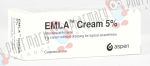
Emla Cream 30g
£25
Total

You’re almost there!
It is the prescribers duty to ensure that the medicine is being used safely and appropriately. please answer a few questions about yourself to help us process your request.
- Manesha
Customer Service Team
Confidentiality & Authenticity Assured
- Fully Regulated UK Pharmacy
- Authentic UK sourced medicines only.
- Trading for more than 10 years.
- Information Governance lead ensures all data is confidential
Need Help With Your Questionnaire?
Our customer service team is on hand Monday-Friday to help you with your queries.
Please call us on 08009788956 or
email us at: headoffice@pharmacyplanet.com
Price Comparison
Select your preferred options and see the best price
| Pack | Price (£) | ||
|---|---|---|---|
| - | - | 1 Tube | 25.00 |
| - | - | 2 Tubes | 43.00 |
It looks like you missed filling in questions from the last consultation.Click Here to submit your response.

No subscriptions or hidden fees

Secure checkout

UK Regulated online pharmacy

Trusted by over 250,000+ happy customers
Emla Cream 5% | Lidocaine and Prilocaine Topical Anaesthetic for Skin Procedures
Nobody looks forward to needles. Whether it is a blood test, a cannula, or a minor skin procedure, the anticipation of discomfort can make the experience harder than it needs to be. Emla cream is a topical local anaesthetic that numbs the surface of intact skin before these procedures, helping to reduce or prevent the pain associated with them. It is used widely across clinical settings and can also be used at home when recommended by a healthcare professional.
Emla cream contains two active ingredients: lidocaine and prilocaine. Together, they work to temporarily block pain signals in the skin. This makes procedures such as venepuncture, cannula insertion, and minor superficial surgery more comfortable for patients of all ages, including children.
What Is Emla Cream?
Emla cream is a topical anaesthetic preparation containing 25mg of lidocaine and 25mg of prilocaine per gram of cream. The full name of the formulation is a eutectic mixture of local anaesthetics, which is where the acronym Emla originates. It is presented as a white oil-in-water cream for application to intact skin.
Emla is classified as a Pharmacy (P) medicine in the UK, meaning it can be purchased from a registered pharmacy without a prescription. A pharmacist will advise you on whether it is appropriate for your situation and how to use it safely.
Emla cream is available in 5g tubes, which are suitable for a single application or a small number of applications depending on the area being treated.
How Does Emla Cream Work?
Lidocaine and Prilocaine as Local Anaesthetics
Lidocaine and prilocaine are both well-established local anaesthetic medicines. They work by temporarily blocking the sodium channels in nerve cell membranes. This prevents electrical signals from being transmitted along sensory nerves in the treated area, which in turn blocks the sensation of pain.
The Eutectic Mixture Advantage
When lidocaine and prilocaine are combined in specific proportions, they form a eutectic mixture. A eutectic mixture has a lower melting point than either of its components alone. At body temperature, this allows the two active ingredients to penetrate intact skin more effectively than either agent could achieve individually. The result is a deeper and more consistent level of surface anaesthesia.
Onset and Duration of Effect
The anaesthetic effect begins to develop after the cream has been applied under an occlusive dressing. The depth and duration of anaesthesia depend on how long the cream is left in place. In adults, a meaningful anaesthetic effect on intact skin generally develops after 60 minutes under occlusion, with a deeper effect achieved after a longer application period. The numbing effect persists for one to two hours after removal of the cream. Full details of application times for specific procedures are outlined in the dosage section below.
How to Use Emla Cream
Using Emla cream correctly is essential for it to work effectively and safely. Follow the instructions provided by your pharmacist or the Patient Information Leaflet supplied with your cream.
Before you apply Emla cream:
- Check that the skin in the area you plan to treat is intact. Do not apply Emla cream to broken, damaged, or inflamed skin.
- Wash your hands before and after applying the cream.
- Make sure you are not allergic to lidocaine, prilocaine, or any other local anaesthetic of the amide type.
Applying the cream:
- Apply a thick layer of Emla cream to the area of skin to be anaesthetised. Do not rub it in.
- Cover the cream with the occlusive dressing provided in the pack, or with a clean, airtight dressing. The dressing prevents the cream from drying out and helps it to penetrate the skin.
- Leave the cream in place for the time recommended for your specific procedure (see dosage section below).
- Remove the dressing and wipe away the cream before the procedure begins.
After removing the cream:
The skin may appear pale, red, or slightly swollen where the cream was applied. This is a normal response to the local anaesthetic and will resolve on its own. The area will feel numb for approximately one to two hours after the cream is removed.
Avoid applying heat to the treated area while the cream is in place, as this may increase absorption and the risk of side effects. Keep the treated area away from the eyes and mucous membranes.
Dosage and Strengths Available
Emla 5% Cream - 5g Tube
Emla cream is available as a 5% w/w cream, meaning each gram contains 25mg of lidocaine and 25mg of prilocaine.
Recommended application times and quantities for adults:
- Minor procedures (venepuncture, cannula insertion): Apply 1.5 to 2g of cream over an area of approximately 10cm² for a minimum of 60 minutes and a maximum of five hours under an occlusive dressing.
- Dermal procedures (split skin grafting): Apply 1.5 to 2g per 10cm² for a minimum of two hours under an occlusive dressing. Longer application times provide deeper anaesthesia.
- Genital mucosa (male, prior to local anaesthetic injection): Apply 1g per 10cm² for five to ten minutes. No occlusive dressing is required on mucous membranes.
Use in children:
Emla cream is used in children for procedures such as venepuncture. Application times and quantities vary by age and weight. Children under 12 months must only use Emla cream under strict medical supervision due to the risk of methaemoglobinaemia (see side effects section). Always follow the guidance of a healthcare professional when using Emla cream in children.
Do not apply Emla cream to a total body surface area that exceeds the recommendations in the Patient Information Leaflet. Applying large quantities to large areas increases systemic absorption and the risk of side effects.
Side Effects and Safety Information
Emla cream is generally well tolerated when used as directed. The most commonly reported side effects are local reactions at the site of application.
Very common side effects (affecting more than 1 in 10 people):
- Paleness (pallor) of the skin at the application site
- Redness (erythema) of the skin at the application site
- Localised swelling (oedema) at the application site
These reactions are a predictable response to the vasoconstrictive and vasodilatory effects of lidocaine and prilocaine and are temporary.
Less common but important side effects:
- Burning sensation or itching at the application site
- Allergic contact dermatitis - if you develop a rash, hives, or significant irritation, discontinue use and seek advice from a pharmacist or doctor
Methaemoglobinaemia - an important warning:
Prilocaine can, in rare cases, cause a condition called methaemoglobinaemia, in which haemoglobin in the red blood cells is converted to a form that cannot carry oxygen effectively. This risk is very low in adults when the cream is used as directed but is of particular concern in:
- Infants under 12 months of age
- Patients with glucose-6-phosphate dehydrogenase (G6PD) deficiency
- Patients taking medicines associated with drug-induced methaemoglobinaemia (such as sulphonamides, antimalarials, or nitrates)
Symptoms of methaemoglobinaemia include bluish discolouration of the lips or fingernails (cyanosis), shortness of breath, and fatigue. Seek urgent medical attention if you or a child in your care develops these symptoms after using Emla cream.
Serious systemic side effects are rare when Emla cream is used in accordance with the recommended doses and application times. Applying excessive quantities to large areas of skin increases the risk of systemic absorption of lidocaine and prilocaine, which can affect the heart and central nervous system.
If you notice any side effect not listed in the Patient Information Leaflet, report it to the MHRA via the Yellow Card scheme at yellowcard.mhra.gov.uk.
Who Can Use Emla Cream?
Emla Cream May Be Appropriate If You:
- Are an adult preparing for a minor skin procedure such as venepuncture, cannula insertion, or minor dermal surgery
- Are a parent or carer of a child who requires a needle procedure and has been advised to use topical anaesthesia by a healthcare professional
- Have intact, healthy skin in the area to be treated
- Are not allergic to lidocaine, prilocaine, or other amide-type local anaesthetics
Emla Cream Is Not Suitable If You:
- Have broken, damaged, infected, or inflamed skin in the area to be treated
- Have a known allergy to lidocaine, prilocaine, or any amide-type local anaesthetic
- Have congenital or idiopathic methaemoglobinaemia
- Are applying it to an infant under 12 months without direct supervision from a healthcare professional
- Plan to apply it to the eyes or ear canal
Use With Caution If You:
- Are taking medicines known to cause methaemoglobinaemia, such as sulphonamides, antimalarials, or certain antibiotics - discuss this with your pharmacist before use
- Have G6PD deficiency
- Are pregnant or breastfeeding - speak with your pharmacist or GP before using Emla cream, as local anaesthetics cross the placenta and may be present in breast milk
- Are applying the cream to a large surface area, which increases systemic absorption
This list is not exhaustive. Your pharmacist can advise you on whether Emla cream is appropriate for your specific situation.
Purchasing Emla Cream at Pharmacy Planet
Emla cream is a Pharmacy (P) medicine, which means it does not require a prescription but must be supplied under the supervision of a registered pharmacist. When you request Emla cream through Pharmacy Planet, a member of our pharmacy team will review the information you provide to confirm the product is appropriate for your needs.
You will be asked about the procedure you are preparing for, the area of skin to be treated, and your current medicines and medical history. This is not a bureaucratic step. It is a genuine clinical check that helps ensure you receive the correct guidance and that the product is safe for your situation.
If our pharmacist has any concerns about the suitability of Emla cream for you, they will advise you accordingly. In some cases, a GP or specialist review may be more appropriate, and our team will let you know if that is the case.
Because Emla cream is a Pharmacy medicine and not a general sale product, it cannot be purchased without this pharmacist interaction. This requirement exists to protect patients, and Pharmacy Planet takes it seriously.
Storage and Handling
Store Emla cream at room temperature, below 25°C. Do not freeze. Keep the tube tightly closed when not in use. Store the cream in its original packaging, away from direct sunlight and sources of heat.
Keep Emla cream out of the reach and sight of children.
Do not use Emla cream after the expiry date printed on the tube and carton. If your cream has expired or you have unused product you no longer need, return it to your local pharmacy for safe disposal. Do not dispose of medicines via household waste or by flushing them down the sink or toilet.
Premature Ejaculation Treatments
The table below compares commonly prescribed premature ejaculation treatments available through Pharmacy Planet. These treatments differ in formulation, method of use, and how they help improve ejaculatory control.
| Product | Active Ingredient | Form | How Used | UK Licensed? | How It Works | Key Points for Patients |
|---|---|---|---|---|---|---|
| Priligy | Dapoxetine | Tablet (oral) | Taken 1-3 hours before sexual activity | Yes - premature ejaculation in adult men aged 18-64 | Increases serotonin activity to help delay ejaculation | Prescription only (POM). On-demand treatment. Not intended for daily use. Avoid excessive alcohol. |
| Emla Cream | Lidocaine + Prilocaine | Topical cream | Applied to the penis before sexual activity | Yes - local anaesthetic cream | Reduces penile sensitivity to help delay ejaculation | Apply as directed and wash off before intercourse where advised. May temporarily reduce sensation for both partners. |
Why Choose Pharmacy Planet?
Pharmacy Planet is a GPhC-registered online pharmacy with a commitment to safe, evidence-based care. Our team of qualified pharmacists is available to help you understand whether a product is appropriate for you and to answer any questions you have before and after purchase.
We take our responsibilities as a registered pharmacy seriously. Every Pharmacy medicine we supply is reviewed by a member of our team before dispatch. We hold ourselves to the same standards as a high street pharmacy, with the convenience of an online service.
Your information is handled securely and in compliance with UK data protection law. Our packaging is discreet, and delivery is tracked. If you have any concerns about a product after purchase, our pharmacy team is here to help.
References
- Emla 5% w/w Cream - Summary of Product Characteristics (SmPC). Electronic Medicines Compendium (EMC). Aspen Pharma Trading Limited. https://www.medicines.org.uk/emc/product/1162. Accessed May 2026.
- British National Formulary (BNF) - Lidocaine with Prilocaine. NICE/BMJ Group. https://bnf.nice.org.uk/drugs/lidocaine-with-prilocaine. Accessed May 2026.
- NHS - Local Anaesthesia. https://www.nhs.uk/conditions/local-anaesthesia. Accessed May 2026.
- MHRA - Yellow Card Reporting. https://yellowcard.mhra.gov.uk. Accessed May 2026.
Emla Cream 30g
Nobody looks forward to needles. Whether it is a blood test, a cannula, or a minor skin procedure, the anticipation of discomfort can make the experience harder than it needs to be. Emla cream is a topical local anaesthetic that numbs the surface of intact skin before these procedures, helping to reduce or prevent the pain associated with them. It is used widely across clinical settings and can also be used at home when recommended by a healthcare professional.
Emla cream contains two active ingredients: lidocaine and prilocaine. Together, they work to temporarily block pain signals in the skin. This makes procedures such as venepuncture, cannula insertion, and minor superficial surgery more comfortable for patients of all ages, including children.
Emla cream is a topical anaesthetic preparation containing 25mg of lidocaine and 25mg of prilocaine per gram of cream. The full name of the formulation is a eutectic mixture of local anaesthetics, which is where the acronym Emla originates. It is presented as a white oil-in-water cream for application to intact skin.
Emla is classified as a Pharmacy (P) medicine in the UK, meaning it can be purchased from a registered pharmacy without a prescription. A pharmacist will advise you on whether it is appropriate for your situation and how to use it safely.
Emla cream is available in 5g tubes, which are suitable for a single application or a small number of applications depending on the area being treated.
Lidocaine and Prilocaine as Local Anaesthetics
Lidocaine and prilocaine are both well-established local anaesthetic medicines. They work by temporarily blocking the sodium channels in nerve cell membranes. This prevents electrical signals from being transmitted along sensory nerves in the treated area, which in turn blocks the sensation of pain.
The Eutectic Mixture Advantage
When lidocaine and prilocaine are combined in specific proportions, they form a eutectic mixture. A eutectic mixture has a lower melting point than either of its components alone. At body temperature, this allows the two active ingredients to penetrate intact skin more effectively than either agent could achieve individually. The result is a deeper and more consistent level of surface anaesthesia.
Onset and Duration of Effect
The anaesthetic effect begins to develop after the cream has been applied under an occlusive dressing. The depth and duration of anaesthesia depend on how long the cream is left in place. In adults, a meaningful anaesthetic effect on intact skin generally develops after 60 minutes under occlusion, with a deeper effect achieved after a longer application period. The numbing effect persists for one to two hours after removal of the cream. Full details of application times for specific procedures are outlined in the dosage section below.
Using Emla cream correctly is essential for it to work effectively and safely. Follow the instructions provided by your pharmacist or the Patient Information Leaflet supplied with your cream.
Before you apply Emla cream:
- Check that the skin in the area you plan to treat is intact. Do not apply Emla cream to broken, damaged, or inflamed skin.
- Wash your hands before and after applying the cream.
- Make sure you are not allergic to lidocaine, prilocaine, or any other local anaesthetic of the amide type.
Applying the cream:
- Apply a thick layer of Emla cream to the area of skin to be anaesthetised. Do not rub it in.
- Cover the cream with the occlusive dressing provided in the pack, or with a clean, airtight dressing. The dressing prevents the cream from drying out and helps it to penetrate the skin.
- Leave the cream in place for the time recommended for your specific procedure (see dosage section below).
- Remove the dressing and wipe away the cream before the procedure begins.
After removing the cream:
The skin may appear pale, red, or slightly swollen where the cream was applied. This is a normal response to the local anaesthetic and will resolve on its own. The area will feel numb for approximately one to two hours after the cream is removed.
Avoid applying heat to the treated area while the cream is in place, as this may increase absorption and the risk of side effects. Keep the treated area away from the eyes and mucous membranes.
Emla 5% Cream - 5g Tube
Emla cream is available as a 5% w/w cream, meaning each gram contains 25mg of lidocaine and 25mg of prilocaine.
Recommended application times and quantities for adults:
- Minor procedures (venepuncture, cannula insertion): Apply 1.5 to 2g of cream over an area of approximately 10cm² for a minimum of 60 minutes and a maximum of five hours under an occlusive dressing.
- Dermal procedures (split skin grafting): Apply 1.5 to 2g per 10cm² for a minimum of two hours under an occlusive dressing. Longer application times provide deeper anaesthesia.
- Genital mucosa (male, prior to local anaesthetic injection): Apply 1g per 10cm² for five to ten minutes. No occlusive dressing is required on mucous membranes.
Use in children:
Emla cream is used in children for procedures such as venepuncture. Application times and quantities vary by age and weight. Children under 12 months must only use Emla cream under strict medical supervision due to the risk of methaemoglobinaemia (see side effects section). Always follow the guidance of a healthcare professional when using Emla cream in children.
Do not apply Emla cream to a total body surface area that exceeds the recommendations in the Patient Information Leaflet. Applying large quantities to large areas increases systemic absorption and the risk of side effects.
Emla cream is generally well tolerated when used as directed. The most commonly reported side effects are local reactions at the site of application.
Very common side effects (affecting more than 1 in 10 people):
- Paleness (pallor) of the skin at the application site
- Redness (erythema) of the skin at the application site
- Localised swelling (oedema) at the application site
These reactions are a predictable response to the vasoconstrictive and vasodilatory effects of lidocaine and prilocaine and are temporary.
Less common but important side effects:
- Burning sensation or itching at the application site
- Allergic contact dermatitis - if you develop a rash, hives, or significant irritation, discontinue use and seek advice from a pharmacist or doctor
Methaemoglobinaemia - an important warning:
Prilocaine can, in rare cases, cause a condition called methaemoglobinaemia, in which haemoglobin in the red blood cells is converted to a form that cannot carry oxygen effectively. This risk is very low in adults when the cream is used as directed but is of particular concern in:
- Infants under 12 months of age
- Patients with glucose-6-phosphate dehydrogenase (G6PD) deficiency
- Patients taking medicines associated with drug-induced methaemoglobinaemia (such as sulphonamides, antimalarials, or nitrates)
Symptoms of methaemoglobinaemia include bluish discolouration of the lips or fingernails (cyanosis), shortness of breath, and fatigue. Seek urgent medical attention if you or a child in your care develops these symptoms after using Emla cream.
Serious systemic side effects are rare when Emla cream is used in accordance with the recommended doses and application times. Applying excessive quantities to large areas of skin increases the risk of systemic absorption of lidocaine and prilocaine, which can affect the heart and central nervous system.
If you notice any side effect not listed in the Patient Information Leaflet, report it to the MHRA via the Yellow Card scheme at yellowcard.mhra.gov.uk.
Emla Cream May Be Appropriate If You:
- Are an adult preparing for a minor skin procedure such as venepuncture, cannula insertion, or minor dermal surgery
- Are a parent or carer of a child who requires a needle procedure and has been advised to use topical anaesthesia by a healthcare professional
- Have intact, healthy skin in the area to be treated
- Are not allergic to lidocaine, prilocaine, or other amide-type local anaesthetics
Emla Cream Is Not Suitable If You:
- Have broken, damaged, infected, or inflamed skin in the area to be treated
- Have a known allergy to lidocaine, prilocaine, or any amide-type local anaesthetic
- Have congenital or idiopathic methaemoglobinaemia
- Are applying it to an infant under 12 months without direct supervision from a healthcare professional
- Plan to apply it to the eyes or ear canal
Use With Caution If You:
- Are taking medicines known to cause methaemoglobinaemia, such as sulphonamides, antimalarials, or certain antibiotics - discuss this with your pharmacist before use
- Have G6PD deficiency
- Are pregnant or breastfeeding - speak with your pharmacist or GP before using Emla cream, as local anaesthetics cross the placenta and may be present in breast milk
- Are applying the cream to a large surface area, which increases systemic absorption
This list is not exhaustive. Your pharmacist can advise you on whether Emla cream is appropriate for your specific situation.
Emla cream is a Pharmacy (P) medicine, which means it does not require a prescription but must be supplied under the supervision of a registered pharmacist. When you request Emla cream through Pharmacy Planet, a member of our pharmacy team will review the information you provide to confirm the product is appropriate for your needs.
You will be asked about the procedure you are preparing for, the area of skin to be treated, and your current medicines and medical history. This is not a bureaucratic step. It is a genuine clinical check that helps ensure you receive the correct guidance and that the product is safe for your situation.
If our pharmacist has any concerns about the suitability of Emla cream for you, they will advise you accordingly. In some cases, a GP or specialist review may be more appropriate, and our team will let you know if that is the case.
Because Emla cream is a Pharmacy medicine and not a general sale product, it cannot be purchased without this pharmacist interaction. This requirement exists to protect patients, and Pharmacy Planet takes it seriously.
Store Emla cream at room temperature, below 25°C. Do not freeze. Keep the tube tightly closed when not in use. Store the cream in its original packaging, away from direct sunlight and sources of heat.
Keep Emla cream out of the reach and sight of children.
Do not use Emla cream after the expiry date printed on the tube and carton. If your cream has expired or you have unused product you no longer need, return it to your local pharmacy for safe disposal. Do not dispose of medicines via household waste or by flushing them down the sink or toilet.
The table below compares commonly prescribed premature ejaculation treatments available through Pharmacy Planet. These treatments differ in formulation, method of use, and how they help improve ejaculatory control.
| Product | Active Ingredient | Form | How Used | UK Licensed? | How It Works | Key Points for Patients |
|---|---|---|---|---|---|---|
| Priligy | Dapoxetine | Tablet (oral) | Taken 1-3 hours before sexual activity | Yes - premature ejaculation in adult men aged 18-64 | Increases serotonin activity to help delay ejaculation | Prescription only (POM). On-demand treatment. Not intended for daily use. Avoid excessive alcohol. |
| Emla Cream | Lidocaine + Prilocaine | Topical cream | Applied to the penis before sexual activity | Yes - local anaesthetic cream | Reduces penile sensitivity to help delay ejaculation | Apply as directed and wash off before intercourse where advised. May temporarily reduce sensation for both partners. |
Pharmacy Planet is a GPhC-registered online pharmacy with a commitment to safe, evidence-based care. Our team of qualified pharmacists is available to help you understand whether a product is appropriate for you and to answer any questions you have before and after purchase.
We take our responsibilities as a registered pharmacy seriously. Every Pharmacy medicine we supply is reviewed by a member of our team before dispatch. We hold ourselves to the same standards as a high street pharmacy, with the convenience of an online service.
Your information is handled securely and in compliance with UK data protection law. Our packaging is discreet, and delivery is tracked. If you have any concerns about a product after purchase, our pharmacy team is here to help.
References
- Emla 5% w/w Cream - Summary of Product Characteristics (SmPC). Electronic Medicines Compendium (EMC). Aspen Pharma Trading Limited. https://www.medicines.org.uk/emc/product/1162. Accessed May 2026.
- British National Formulary (BNF) - Lidocaine with Prilocaine. NICE/BMJ Group. https://bnf.nice.org.uk/drugs/lidocaine-with-prilocaine. Accessed May 2026.
- NHS - Local Anaesthesia. https://www.nhs.uk/conditions/local-anaesthesia. Accessed May 2026.
- MHRA - Yellow Card Reporting. https://yellowcard.mhra.gov.uk. Accessed May 2026.
Frequently Asked Questions
Emla cream is a topical local anaesthetic used to numb intact skin before minor medical procedures. Common uses include venepuncture (blood tests), cannula insertion, and minor skin surgery. It contains two active ingredients, lidocaine and prilocaine, which work together to temporarily block pain signals in the skin. It is also used in clinical settings to numb the genital mucosa before a local anaesthetic injection. Emla cream is a Pharmacy medicine, meaning it is available without a prescription but must be recommended or approved by a registered pharmacist.
Emla cream takes at least 60 minutes to produce a meaningful anaesthetic effect on intact skin when applied under an occlusive dressing. For deeper procedures such as split skin grafting, a minimum of two hours is recommended. The numbing effect persists for approximately one to two hours after the cream has been removed. The exact onset and depth of anaesthesia depend on the application time and the thickness of the skin at the treated site. Always apply the cream and dressing well in advance of your procedure to allow sufficient time for it to take effect.
Yes, Emla cream can be used in children, but with important precautions. In infants under 12 months, Emla cream must only be used under direct medical supervision due to the risk of methaemoglobinaemia, a condition in which red blood cells cannot carry oxygen effectively. The recommended dose, application area, and duration differ by age and weight in children. Parents and carers should always follow the advice of a healthcare professional and the Patient Information Leaflet when using Emla cream in children. Do not use Emla cream in premature infants without specific medical guidance.
No. Emla cream must only be applied to intact, unbroken skin. Do not apply it to cuts, wounds, inflamed skin, eczema patches, or any area where the skin barrier has been disrupted. Applying the cream to broken skin significantly increases systemic absorption of lidocaine and prilocaine, which raises the risk of serious side effects. If the area you need to treat is not intact, speak with a healthcare professional before using any topical anaesthetic.
Yes. Emla cream can interact with certain medicines, particularly those that are also associated with methaemoglobinaemia. These include some sulphonamide antibiotics, antimalarial medicines, and drugs such as dapsone or primaquine. If you are taking any of these medicines, speak with your pharmacist before using Emla cream. Emla cream may also interact with other local anaesthetic medicines if large quantities are used, increasing the total systemic exposure. Always tell your pharmacist about all medicines you are taking, including over-the-counter products and herbal remedies.
You should speak with your GP or midwife before using Emla cream during pregnancy or while breastfeeding. Local anaesthetics such as lidocaine and prilocaine can cross the placenta and may be present in breast milk. When Emla cream is used in small quantities on a limited area of skin as directed, systemic absorption is low. However, the decision to use any medicine during pregnancy or breastfeeding should involve a healthcare professional who is aware of your full clinical picture. Do not use Emla cream in large quantities on extensive areas of skin during pregnancy.
After removing Emla cream, the treated area of skin will often appear pale and slightly blanched due to the vasoconstriction caused by the local anaesthetics. In some people, the area then becomes red and slightly swollen as blood flow returns. These reactions are normal and temporary. They do not indicate a problem with the cream or an allergic reaction. The skin should return to its normal appearance within a short period. If you develop a spreading rash, hives, or significant swelling, this may indicate an allergic reaction and you should seek medical advice.
The amount of cream to apply depends on the procedure and the size of the area being treated. For a typical venepuncture or cannula insertion in an adult, approximately 1.5 to 2g of cream should be applied to an area of around 10cm², which is roughly the size of a large coin. This is then covered with an occlusive dressing for at least 60 minutes. Applying more cream than recommended does not increase effectiveness but does increase the risk of side effects. Do not apply Emla cream to a larger area than necessary. Your pharmacist or the Patient Information Leaflet can advise on the correct quantity for your specific procedure.
Emla cream can be prescribed on the NHS in certain clinical settings, particularly for children undergoing needle procedures. Whether it is available on NHS prescription for your situation will depend on your local prescribing guidelines and clinical need. As a Pharmacy medicine, it can also be purchased directly from a registered pharmacy without a prescription, including online pharmacies such as Pharmacy Planet, subject to a pharmacist check. If you are unsure whether you are eligible for an NHS prescription, speak with your GP or the clinical team carrying out your procedure.
How it works

Complete our online
clinical consultation
clinical consultation
Answer a few questions on your health and your fitness goals.

Clinical
assessment
assessment
Our clinicians will review your clinical questionnaire to make sure treatment is right for you.

Welcome
aboard!
aboard!
Once approved, you will access our wealth of experience and resources curated by our team and begin your clinical journey.
Treatment options
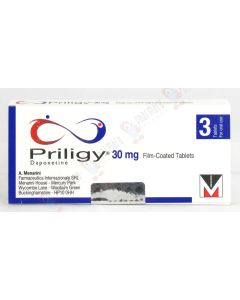
Priligy is used for the temporary treatment of premature ejaculation in men ...
Start your journey with us
Need Help?

Do you have a question about weight loss treatment?
Start your weight loss journey heading in the right direction. Our team are here to help. Whether you’re unsure about which medicine is right for you or need help navigating the world of weight loss drugs, our team are on hand to help you make the right decision. We can put you in touch with one of our experienced weight loss clinicians so you can be sure you’re making the best decision with the most accurate information.
To get in touch, contact our Customer Service team on 0800 978 8956 or email headoffice@pharmacyplanet.com.
Meet the team







Review By
GURDEV SEHMI
Last Updated On : Mar 13 2026
BSc Pharm, MRPharmS, Independent Prescriber, Superintendent Pharmacist, Clinical Lead
GPhC Number: 2050925
Authored By
GURDEV SEHMI
Last Reviewed On : Mar 23 2026
BSc Pharm, MRPharmS, Independent Prescriber, Superintendent Pharmacist, Clinical Lead
GPhC Number: 2050925
Get a free consultation
Speak with one of our clinicians and get personalised advice.
You’re almost there!
It is the prescribers duty to ensure that the medicine is being used safely and appropriately. please answer a few questions about yourself to help us process your request.
- Manesha
Customer Service Team
Confidentiality & Authenticity Assured
- Fully Regulated UK Pharmacy
- Authentic UK sourced medicines only.
- Trading for more than 10 years.
- Information Governance lead ensures all data is confidential
Need Help With Your Questionnaire?
Our customer service team is on hand Monday-Friday to help you with your queries.
Please call us on 08009788956 or
email us at: headoffice@pharmacyplanet.com


