



Bhupinder (Boo) Dhaliwale
KALTOSTAT DRESSING
Kaltostat is a dressing that is suitable for moderately to highly exuding wounds and also for wounds with minor bleeding. The dressing forms a moist gel when it is in contact with exudate, this is high absorbent and creates a moist healing environment aiding in wound healing.

Consult

Select

Checkout
01
Select
the items you wish
to order
02
Order reviewed
by our qualified
prescriber
03
Delivered
to your door step
Your Selection
Please use the options provided to make your final selection.

KALTOSTAT DRESSING
£16.99
Total
Price Comparison
Select your preferred options and see the best price
| Pack | Price (£) | ||
|---|---|---|---|
| - | 15cm x 25cm | 10 | 98.99 |
| - | 10cm x 20cm | 10 | 59.49 |
| - | 7.5cm x 12cm | 10 | 25.49 |
| - | 5cm x 5cm | 10 | 16.99 |
It looks like you missed filling in questions from the last consultation.Click Here to submit your response.

No subscriptions or hidden fees

Secure checkout

UK Regulated online pharmacy

Trusted by over 250,000+ happy customers
Kaltostat Dressing | Calcium Alginate for Moderate to Heavy Exudate Wound Management
Managing wound exudate effectively while maintaining a moist wound contact surface is one of the central challenges of wound care for moderately to heavily exuding wounds. Natural alginate fibres, derived from seaweed, provide one of the established solutions: the fibres absorb wound fluid and convert it into a soft gel that stays at the wound surface and supports the healing environment. Kaltostat Dressing is a calcium sodium alginate wound dressing from ConvaTec. Four sizes. Secondary dressing required. Haemostatic properties. No prescription needed.
What Is Kaltostat Dressing?
Kaltostat Dressing is a calcium sodium alginate dressing, a fibre dressing made from alginate derived from brown seaweed, processed into a calcium sodium mixed salt form. The fibres are formed into a flat dressing pad that is applied directly to the wound surface. When wound exudate contacts the alginate fibres, they absorb the fluid and transform from a dry fibrous structure into a soft, cohesive gel through an ion exchange process.
The calcium sodium salt composition of Kaltostat is clinically significant. The calcium ions within the alginate fibre structure serve two functions. First, the calcium participates in the ion exchange process that drives gel formation. Second, calcium ions released locally at the wound surface support the body's natural coagulation cascade, giving Kaltostat haemostatic properties. This makes Kaltostat particularly useful in moderately bleeding wounds, post-procedural wound sites, and other situations where some local haemostasis alongside exudate management is clinically useful.
Kaltostat Dressing is a primary wound contact material only. It has no outer layer, no adhesive border, and no secondary component. A secondary dressing must always be applied over Kaltostat to hold it in place, provide additional absorbency or wound environment management, and protect the wound from external contamination.
Four sizes are available: 5cm x 5cm, 7.5cm x 12cm, 10cm x 20cm, and 15cm x 25cm. The largest size is suited to extensive wound areas. No active antimicrobial agents are present.
Kaltostat Dressing has no antimicrobial action and should not be used on infected wounds. A secondary dressing must always be applied over Kaltostat immediately after placement. If a Kaltostat dressing has dried significantly at the wound surface during the wear period, irrigate with sterile saline before removal to soften the gel and avoid disrupting healing tissue. Do not remove a fully dried Kaltostat dressing by pulling; saturate first.
How Kaltostat Dressing Works
Ion Exchange and Gel Formation
Alginate is a natural polysaccharide derived from the cell walls of brown seaweed. In its calcium salt form, alginate fibres hold calcium ions within their structure. When wound exudate, which contains a high concentration of sodium ions, contacts the calcium alginate fibre, an ion exchange occurs: sodium ions from the wound fluid enter the fibre and displace the calcium ions. As sodium ions replace calcium in the alginate structure, the rigid calcium alginate fibre absorbs water and transforms into a soft, flexible sodium alginate gel. This gel conforms to the wound surface and holds the absorbed exudate within the gel matrix.
The Calcium Sodium Mixed Salt
Kaltostat uses a mixed calcium sodium alginate formulation rather than pure calcium alginate. The sodium content in the alginate before contact with wound fluid means the fibre begins softening and gelling more readily than pure calcium alginate, improving the handling and conformability of the dressing. The calcium content remains sufficient to support haemostasis and the ion exchange mechanism. This balance is one of the distinguishing formulation characteristics of Kaltostat within the alginate dressing category.
Haemostatic Activity
The calcium ions released from the alginate fibres during ion exchange activate the coagulation cascade locally at the wound surface. Factor X and thrombin, components involved in forming a stable fibrin clot, are activated by calcium. The local release of calcium from Kaltostat in contact with wound fluid contributes to haemostasis in lightly to moderately bleeding wounds. This property makes Kaltostat appropriate for wound types where some local bleeding is present alongside exudate management needs.
Cohesive Gel at Removal
The gel formed by Kaltostat during the wear period holds together as a cohesive mass rather than fragmenting. At dressing removal, the gel separates from the wound surface as one piece when it is properly moistened. If the gel has dried significantly, because the wound exudate output was lower than expected or the dressing was left in place too long, irrigating with sterile saline reconstitutes some moisture and allows separation without significant traction on the wound surface.
How to Apply Kaltostat Dressing
Preparation
- Wash hands and use gloves.
- Clean the wound with sterile saline.
- Prepare the secondary dressing before opening Kaltostat.
Application
- Select the appropriate size: 5cm x 5cm, 7.5cm x 12cm, 10cm x 20cm, or 15cm x 25cm.
- Apply Kaltostat dry, directly to the wound surface.
- For flat wounds, lay the dressing over the wound bed, ensuring full wound coverage.
- For cavity wounds, pack loosely - do not press tightly into the cavity.
- Apply the secondary dressing immediately.
- Label with the date and time.
Removal
- If the dressing is moist with gel, it should separate from the wound without significant resistance.
- If the dressing feels dry or adherent, irrigate thoroughly with sterile saline before attempting removal.
- Assess the wound bed at each change for signs of progress.
Always irrigate with saline before removing a Kaltostat dressing that feels dry or adherent. Do not pull a dried alginate dressing from a wound; this disrupts the healing tissue beneath. Irrigation takes only a moment and prevents unnecessary trauma.
Available Sizes
Kaltostat Dressing 5cm x 5cm
A small square for compact wound areas, minor post-procedural wounds, small bleeding wound surfaces, and wound sites where the 7.5cm x 12cm would be significantly larger than needed.
Kaltostat Dressing 7.5cm x 12cm
A medium rectangular format suited to moderately sized wounds and wound sites where length exceeds width. Useful for elongated wounds, lower limb wounds at intermediate stages, and post-operative wound surfaces in this size range.
Kaltostat Dressing 10cm x 20cm
A larger rectangular format for more extensive wound areas, where the 7.5cm x 12cm does not provide adequate coverage. Suited to moderate to heavily exuding wounds of this dimension range, where alginate gel formation is the appropriate wound management approach.
Kaltostat Dressing 15cm x 25cm
The largest size in the range. For extensive wound areas, including large pressure ulcers, extensive leg ulcer surfaces, and other large wound beds where broad alginate coverage is clinically indicated. Use under clinical supervision for wounds at this scale. The 15cm x 25cm provides a single large dressing covering the wound without the need for multiple overlapping smaller pieces.
All four sizes are flat sheet formats for wound surface application. Kaltostat is also used for loose cavity packing by cutting or folding to the required dimensions. A secondary dressing is always required.
Safety Information and Precautions
Do Not Use Kaltostat If
- The wound is infected - no antimicrobial action.
- The wound is dry or minimally exuding - alginate requires exudate to activate the gel formation mechanism.
- Known sensitivity to alginate or seaweed-derived products.
Precautions
- Single use only.
- Always apply a secondary dressing immediately.
- Pack cavities loosely; do not compress tightly.
- Irrigate with saline before removal if the dressing appears dry or adherent.
- Remove before MRI.
Adverse Effects
- Wound desiccation, if used on a wound with insufficient exudate to activate the gel, the alginate draws some moisture from the wound if exudate is minimal.
- Skin sensitivity to alginate components - rare. Discontinue and seek clinical advice if sensitivity occurs.
Suitability
Wounds Where Kaltostat Is Appropriate
- Moderate to heavily exuding clean wounds, including venous leg ulcers, pressure ulcers, diabetic foot ulcers, and post-operative wounds, where alginate gel formation is the appropriate wound contact approach
- Wound sites where some local haemostasis alongside exudate management is clinically useful - minor post-procedural bleeding, lightly bleeding wound surfaces
- Cavity wounds and pockets where alginate can be loosely packed to maintain wound contact throughout the cavity
- Adults and children where clinically directed
Kaltostat vs DuraFiber vs AQUACEL
All three are gelling fibre dressings for exuding wounds, but from different material bases. Kaltostat (ConvaTec) is calcium sodium alginate - a natural seaweed-derived fibre with haemostatic properties. DuraFiber (Smith & Nephew) is a synthetic gelling fibre without haemostatic activity. AQUACEL (ConvaTec) is a hydrofibre product based on carboxymethylcellulose rather than alginate. All three form a cohesive gel on exudate contact, and all require secondary dressings. The haemostatic property of Kaltostat distinguishes it for situations where local haemostasis is also needed.
Purchasing Kaltostat Dressing
Kaltostat Dressing is a regulated medical device and does not require a prescription. All four sizes are available from Pharmacy Planet without a clinical consultation.
Our pharmacists can advise on size selection and on whether Kaltostat or another gelling fibre dressing is the most appropriate choice for a specific wound type and exudate level.
Moderately to heavily exuding wounds and complex wound management should be reviewed by a tissue viability nurse, district nurse, or GP alongside dressing purchase.
Storage
- Store in a cool, dry place away from direct heat and sunlight.
- Do not store above 25°C.
- Keep in original sealed packaging until immediately before use.
- Do not use if packaging is damaged.
- Check expiry date before use.
- Apply as soon as packaging is opened.
- Keep out of reach of children.
- Dispose of used dressings as clinical waste.
Why Choose Pharmacy Planet?
Pharmacy Planet is a GPhC registered online pharmacy. All four Kaltostat Dressing sizes are genuine ConvaTec products stocked through regulated UK supply chains.
Our pharmacists can advise on Kaltostat and on appropriate secondary dressing selection for different wound types.
References
- ConvaTec. Kaltostat Dressing — Instructions for Use. ConvaTec. https://www.convatec.com. Accessed June 2026.
- National Institute for Health and Care Excellence. Wound care products: selection and prescribing. https://www.nice.org.uk. Accessed June 2026.
- Wounds UK. Best Practice Statement: Wound exudate — effective assessment and management. https://www.wounds-uk.com. Accessed June 2026.
- NHS. Pressure sores (pressure ulcers). https://www.nhs.uk/conditions/pressure-sores. Accessed June 2026.
KALTOSTAT DRESSING
Managing wound exudate effectively while maintaining a moist wound contact surface is one of the central challenges of wound care for moderately to heavily exuding wounds. Natural alginate fibres, derived from seaweed, provide one of the established solutions: the fibres absorb wound fluid and convert it into a soft gel that stays at the wound surface and supports the healing environment. Kaltostat Dressing is a calcium sodium alginate wound dressing from ConvaTec. Four sizes. Secondary dressing required. Haemostatic properties. No prescription needed.
Kaltostat Dressing is a calcium sodium alginate dressing, a fibre dressing made from alginate derived from brown seaweed, processed into a calcium sodium mixed salt form. The fibres are formed into a flat dressing pad that is applied directly to the wound surface. When wound exudate contacts the alginate fibres, they absorb the fluid and transform from a dry fibrous structure into a soft, cohesive gel through an ion exchange process.
The calcium sodium salt composition of Kaltostat is clinically significant. The calcium ions within the alginate fibre structure serve two functions. First, the calcium participates in the ion exchange process that drives gel formation. Second, calcium ions released locally at the wound surface support the body's natural coagulation cascade, giving Kaltostat haemostatic properties. This makes Kaltostat particularly useful in moderately bleeding wounds, post-procedural wound sites, and other situations where some local haemostasis alongside exudate management is clinically useful.
Kaltostat Dressing is a primary wound contact material only. It has no outer layer, no adhesive border, and no secondary component. A secondary dressing must always be applied over Kaltostat to hold it in place, provide additional absorbency or wound environment management, and protect the wound from external contamination.
Four sizes are available: 5cm x 5cm, 7.5cm x 12cm, 10cm x 20cm, and 15cm x 25cm. The largest size is suited to extensive wound areas. No active antimicrobial agents are present.
Kaltostat Dressing has no antimicrobial action and should not be used on infected wounds. A secondary dressing must always be applied over Kaltostat immediately after placement. If a Kaltostat dressing has dried significantly at the wound surface during the wear period, irrigate with sterile saline before removal to soften the gel and avoid disrupting healing tissue. Do not remove a fully dried Kaltostat dressing by pulling; saturate first.
Ion Exchange and Gel Formation
Alginate is a natural polysaccharide derived from the cell walls of brown seaweed. In its calcium salt form, alginate fibres hold calcium ions within their structure. When wound exudate, which contains a high concentration of sodium ions, contacts the calcium alginate fibre, an ion exchange occurs: sodium ions from the wound fluid enter the fibre and displace the calcium ions. As sodium ions replace calcium in the alginate structure, the rigid calcium alginate fibre absorbs water and transforms into a soft, flexible sodium alginate gel. This gel conforms to the wound surface and holds the absorbed exudate within the gel matrix.
The Calcium Sodium Mixed Salt
Kaltostat uses a mixed calcium sodium alginate formulation rather than pure calcium alginate. The sodium content in the alginate before contact with wound fluid means the fibre begins softening and gelling more readily than pure calcium alginate, improving the handling and conformability of the dressing. The calcium content remains sufficient to support haemostasis and the ion exchange mechanism. This balance is one of the distinguishing formulation characteristics of Kaltostat within the alginate dressing category.
Haemostatic Activity
The calcium ions released from the alginate fibres during ion exchange activate the coagulation cascade locally at the wound surface. Factor X and thrombin, components involved in forming a stable fibrin clot, are activated by calcium. The local release of calcium from Kaltostat in contact with wound fluid contributes to haemostasis in lightly to moderately bleeding wounds. This property makes Kaltostat appropriate for wound types where some local bleeding is present alongside exudate management needs.
Cohesive Gel at Removal
The gel formed by Kaltostat during the wear period holds together as a cohesive mass rather than fragmenting. At dressing removal, the gel separates from the wound surface as one piece when it is properly moistened. If the gel has dried significantly, because the wound exudate output was lower than expected or the dressing was left in place too long, irrigating with sterile saline reconstitutes some moisture and allows separation without significant traction on the wound surface.
Preparation
- Wash hands and use gloves.
- Clean the wound with sterile saline.
- Prepare the secondary dressing before opening Kaltostat.
Application
- Select the appropriate size: 5cm x 5cm, 7.5cm x 12cm, 10cm x 20cm, or 15cm x 25cm.
- Apply Kaltostat dry, directly to the wound surface.
- For flat wounds, lay the dressing over the wound bed, ensuring full wound coverage.
- For cavity wounds, pack loosely - do not press tightly into the cavity.
- Apply the secondary dressing immediately.
- Label with the date and time.
Removal
- If the dressing is moist with gel, it should separate from the wound without significant resistance.
- If the dressing feels dry or adherent, irrigate thoroughly with sterile saline before attempting removal.
- Assess the wound bed at each change for signs of progress.
Always irrigate with saline before removing a Kaltostat dressing that feels dry or adherent. Do not pull a dried alginate dressing from a wound; this disrupts the healing tissue beneath. Irrigation takes only a moment and prevents unnecessary trauma.
Kaltostat Dressing 5cm x 5cm
A small square for compact wound areas, minor post-procedural wounds, small bleeding wound surfaces, and wound sites where the 7.5cm x 12cm would be significantly larger than needed.
Kaltostat Dressing 7.5cm x 12cm
A medium rectangular format suited to moderately sized wounds and wound sites where length exceeds width. Useful for elongated wounds, lower limb wounds at intermediate stages, and post-operative wound surfaces in this size range.
Kaltostat Dressing 10cm x 20cm
A larger rectangular format for more extensive wound areas, where the 7.5cm x 12cm does not provide adequate coverage. Suited to moderate to heavily exuding wounds of this dimension range, where alginate gel formation is the appropriate wound management approach.
Kaltostat Dressing 15cm x 25cm
The largest size in the range. For extensive wound areas, including large pressure ulcers, extensive leg ulcer surfaces, and other large wound beds where broad alginate coverage is clinically indicated. Use under clinical supervision for wounds at this scale. The 15cm x 25cm provides a single large dressing covering the wound without the need for multiple overlapping smaller pieces.
All four sizes are flat sheet formats for wound surface application. Kaltostat is also used for loose cavity packing by cutting or folding to the required dimensions. A secondary dressing is always required.
Do Not Use Kaltostat If
- The wound is infected - no antimicrobial action.
- The wound is dry or minimally exuding - alginate requires exudate to activate the gel formation mechanism.
- Known sensitivity to alginate or seaweed-derived products.
Precautions
- Single use only.
- Always apply a secondary dressing immediately.
- Pack cavities loosely; do not compress tightly.
- Irrigate with saline before removal if the dressing appears dry or adherent.
- Remove before MRI.
Adverse Effects
- Wound desiccation, if used on a wound with insufficient exudate to activate the gel, the alginate draws some moisture from the wound if exudate is minimal.
- Skin sensitivity to alginate components - rare. Discontinue and seek clinical advice if sensitivity occurs.
Wounds Where Kaltostat Is Appropriate
- Moderate to heavily exuding clean wounds, including venous leg ulcers, pressure ulcers, diabetic foot ulcers, and post-operative wounds, where alginate gel formation is the appropriate wound contact approach
- Wound sites where some local haemostasis alongside exudate management is clinically useful - minor post-procedural bleeding, lightly bleeding wound surfaces
- Cavity wounds and pockets where alginate can be loosely packed to maintain wound contact throughout the cavity
- Adults and children where clinically directed
Kaltostat vs DuraFiber vs AQUACEL
All three are gelling fibre dressings for exuding wounds, but from different material bases. Kaltostat (ConvaTec) is calcium sodium alginate - a natural seaweed-derived fibre with haemostatic properties. DuraFiber (Smith & Nephew) is a synthetic gelling fibre without haemostatic activity. AQUACEL (ConvaTec) is a hydrofibre product based on carboxymethylcellulose rather than alginate. All three form a cohesive gel on exudate contact, and all require secondary dressings. The haemostatic property of Kaltostat distinguishes it for situations where local haemostasis is also needed.
Kaltostat Dressing is a regulated medical device and does not require a prescription. All four sizes are available from Pharmacy Planet without a clinical consultation.
Our pharmacists can advise on size selection and on whether Kaltostat or another gelling fibre dressing is the most appropriate choice for a specific wound type and exudate level.
Moderately to heavily exuding wounds and complex wound management should be reviewed by a tissue viability nurse, district nurse, or GP alongside dressing purchase.
- Store in a cool, dry place away from direct heat and sunlight.
- Do not store above 25°C.
- Keep in original sealed packaging until immediately before use.
- Do not use if packaging is damaged.
- Check expiry date before use.
- Apply as soon as packaging is opened.
- Keep out of reach of children.
- Dispose of used dressings as clinical waste.
Pharmacy Planet is a GPhC registered online pharmacy. All four Kaltostat Dressing sizes are genuine ConvaTec products stocked through regulated UK supply chains.
Our pharmacists can advise on Kaltostat and on appropriate secondary dressing selection for different wound types.
References
- ConvaTec. Kaltostat Dressing — Instructions for Use. ConvaTec. https://www.convatec.com. Accessed June 2026.
- National Institute for Health and Care Excellence. Wound care products: selection and prescribing. https://www.nice.org.uk. Accessed June 2026.
- Wounds UK. Best Practice Statement: Wound exudate — effective assessment and management. https://www.wounds-uk.com. Accessed June 2026.
- NHS. Pressure sores (pressure ulcers). https://www.nhs.uk/conditions/pressure-sores. Accessed June 2026.
Frequently Asked Questions
Kaltostat Dressing is a calcium sodium alginate wound dressing from ConvaTec for moderate to heavily exuding wounds. Alginate fibres absorb exudate through ion exchange and form a soft gel at the wound surface. Kaltostat has haemostatic properties due to its calcium content, making it also useful where some local haemostasis is needed. Secondary dressing required. Four sizes. No active antimicrobial. No prescription required.
Kaltostat gel forms through ion exchange. The calcium sodium alginate fibres hold calcium ions in their structure. When wound exudate, which is rich in sodium ions, contacts the fibres, sodium ions from the fluid swap with calcium ions in the fibre. As calcium is displaced and sodium enters the alginate structure, the fibre absorbs water and transforms from a dry, stiff structure into a soft gel. This gel conforms to the wound surface and holds absorbed exudate within the gel matrix, maintaining a moist wound environment.
Kaltostat uses a mixed calcium sodium alginate rather than pure calcium alginate. The sodium component helps the dressing soften and conform more readily when first placed on the wound. The calcium component supports haemostasis by activating the coagulation cascade locally; calcium ions released during the ion exchange process contribute to the formation of a fibrin clot. This haemostatic property is one of the clinical distinctions of Kaltostat from synthetic gelling fibre dressings such as DuraFiber, which do not share this property.
The secondary dressing choice depends on the wound type and exudate level. For heavily exuding wounds where Kaltostat is managing the primary exudate burden, an absorbent foam pad, a superabsorbent secondary, or an absorbent island dressing is appropriate. For wounds with moderate exudate, a foam or film secondary provides adequate cover. The secondary must be applied immediately after Kaltostat and must cover the wound fully. For wounds under compression therapy, the compression bandage system serves as the secondary.
If the wound exudate output was lower than expected and Kaltostat has dried significantly during the wear period, do not attempt to pull the dressing from the wound. Irrigate thoroughly with sterile saline to reconstitute moisture in the gel and soften the dressing before removal. Attempting to remove a dried alginate dressing by force disrupts healing tissue and can be painful. After irrigation and a brief wait, the softened dressing should separate more easily from the wound surface.
No. Kaltostat and AQUACEL are different gelling fibre products from ConvaTec. Kaltostat is calcium sodium alginate, a natural seaweed-derived material with haemostatic properties. AQUACEL is a hydrofibre product based on carboxymethylcellulose. Both absorb exudate and form a gel on contact, and both require secondary dressings. AQUACEL does not have the calcium-based haemostatic property of Kaltostat. Both are available in silver-containing and non-silver versions for infected and clean wound management, respectively.
Yes. Kaltostat can be loosely packed into cavity wounds. For a cavity wound, fold or cut the dressing to fit the wound dimensions and introduce it loosely, filling the cavity without tight packing. A secondary dressing covers the wound surface opening. The alginate will gel throughout the cavity as exudate contacts it. At the next change, irrigate before removal to ensure the gel has not dried against the cavity walls.
No. Kaltostat Dressing is a regulated medical device and does not require a prescription. All four sizes: 5cm x 5cm, 7.5cm x 12cm, 10cm x 20cm, and 15cm x 25cm are available from Pharmacy Planet without a clinical consultation. For complex wounds, infected wounds, or wounds not healing as expected, seek clinical assessment from a tissue viability nurse, district nurse, or GP.
How it works

Complete our online
clinical consultation
clinical consultation
Answer a few questions on your health and your fitness goals.

Clinical
assessment
assessment
Our clinicians will review your clinical questionnaire to make sure treatment is right for you.
Welcome
aboard!
aboard!
Once approved, you will access our wealth of experience and resources curated by our team and begin your clinical journey.
Treatment options
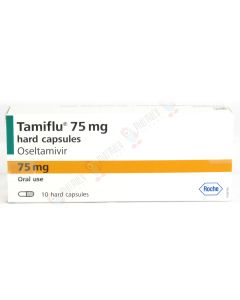
Tamiflu (Oseltamivir) is an antiviral medication that blocks the actions of ...
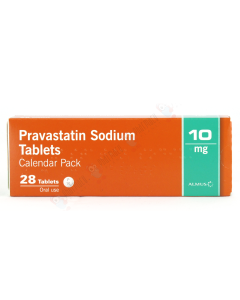
Pravastatin is a high cholesterol treatment in tablet form. This medicine h ...
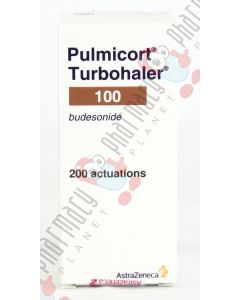
The Pulmicort Turbohaler is an inhaler designed for long-term asthma and CO ...
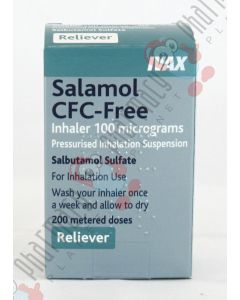
Salamol 100 mcg inhaler is used to relieve breathing difficulties caused by ...
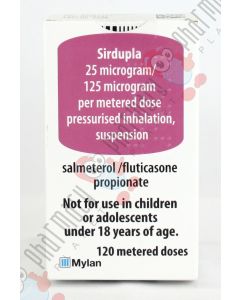
The Sirdupla Inhaler is a prescription combination inhaler that can be used ...
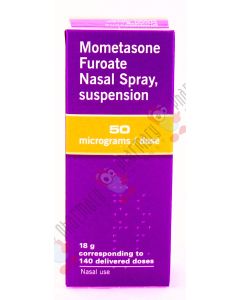
Nasonex nasal spray can effectively treat and prevent the symptoms of aller ...
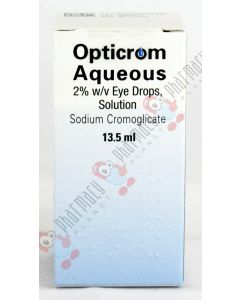
Opticrom aqueous eye drops provide quick relief from allergy symptoms which ...
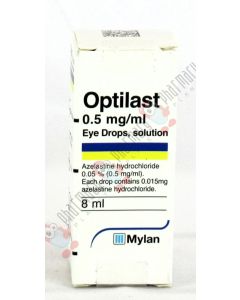
Optilast eye drop solution provides quick relief from allergic conjunctivit ...
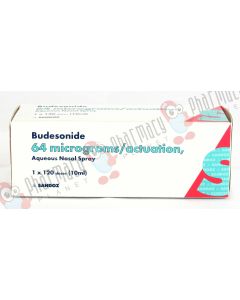
Rhinocort Aqueous nasal spray contains budesonide, which belongs to a group ...
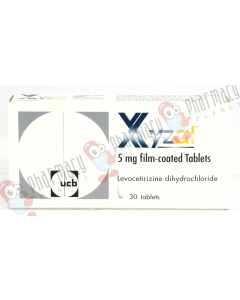
Levocetirizine Xyzal is a third-generation antihistamine derived from cetir ...
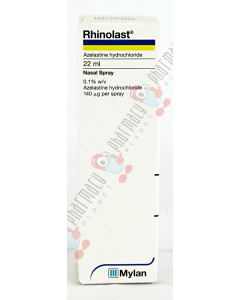
Rhinolast contains the active substance, azelastine hydrochloride, which be ...
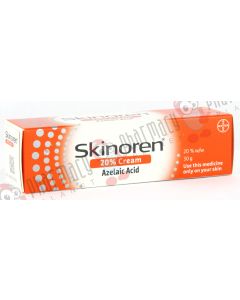
Skinoren is a treatment that works against bacteria to fight acne. It is ap ...
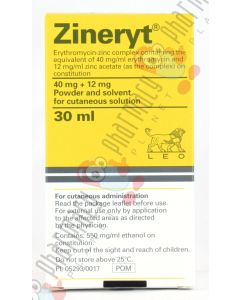
Zineryt Lotion is an excellent choice for individuals suffering from modera ...
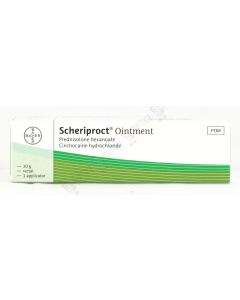
Scheriproct is a treatment for hemorrhoids. It contains two active ingredie ...
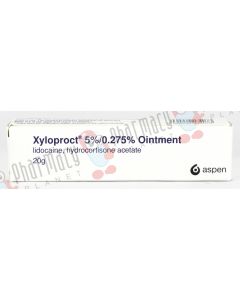
Xyloproct is a treatment for hemorrhoids. It comes in the form of an ointme ...
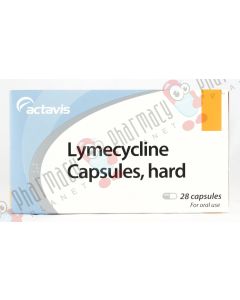
Tetralysal or Lymecycline is an antibacterial medication, well known for it ...
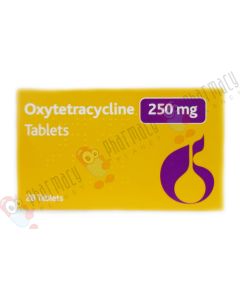
Oxytetracycline is an oral, anti-inflammatory antibiotic used in the proces ...
Salmeterol is an inhaler that is used to help prevent and control asthma an ...
Start your journey with us
Need Help?

Do you have a question about weight loss treatment?
Start your weight loss journey heading in the right direction. Our team are here to help. Whether you’re unsure about which medicine is right for you or need help navigating the world of weight loss drugs, our team are on hand to help you make the right decision. We can put you in touch with one of our experienced weight loss clinicians so you can be sure you’re making the best decision with the most accurate information.
To get in touch, contact our Customer Service team on 0800 978 8956 or email headoffice@pharmacyplanet.com.
Meet the team







Review By
HARMINDER ‘HARMY’ KAUR
Last Updated On : Mar 13 2026
BSc(hons) Pharmacy
GPhC Number: 2061107

Authored By
GURDEV SEHMI
Last Reviewed On : Mar 23 2026
BSc Pharm, MRPharmS, Independent Prescriber, Superintendent Pharmacist, Clinical Lead
GPhC Number: 2050925


