



Bhupinder (Boo) Dhaliwale
KALTOSTAT ROPE
Kaltostat is a dressing that is suitable for moderately to highly exuding wounds and also for wounds with minor bleeding. The dressing forms a moist gel when it is in contact with exudate, this is high absorbent and creates a moist healing environment aiding in wound healing.

Consult

Select

Checkout
01
Select
the items you wish
to order
02
Order reviewed
by our qualified
prescriber
03
Delivered
to your door step
Your Selection
Please use the options provided to make your final selection.

KALTOSTAT ROPE
£28.99
Total
Price Comparison
Select your preferred options and see the best price
| Pack | Price (£) | ||
|---|---|---|---|
| - | 2g | 5 | 28.99 |
It looks like you missed filling in questions from the last consultation.Click Here to submit your response.

No subscriptions or hidden fees

Secure checkout

UK Regulated online pharmacy

Trusted by over 250,000+ happy customers
Kaltostat Rope | Calcium Alginate Rope for Cavity Wound Packing
Cavity wounds, sinus tracts, and deep wound pockets present a specific management challenge: the wound extends below the surface in three dimensions, and a flat sheet dressing cannot follow the wound depth or maintain contact with the wound walls. An alginate rope that can be introduced into the cavity and gel in place throughout the wound space provides wound contact at depth in a way that surface formats cannot. Kaltostat Rope is a calcium sodium alginate rope from ConvaTec for cavity wound packing. 2g. Secondary dressing required. Cavity packing safety rules apply. No prescription needed.
What Is Kaltostat Rope?
Kaltostat Rope is a Class IIb regulated medical device from ConvaTec. It is the rope format of the Kaltostat alginate range, using the same calcium sodium alginate material as Kaltostat Dressing but formed into a continuous rope structure rather than a flat sheet. The rope can be introduced into wound cavities, sinus tracts, and tunnelling wounds where the wound extends beyond the surface opening and requires wound contact material at depth.
The calcium sodium alginate in Kaltostat Rope is identical in composition to that used in the flat Kaltostat Dressing. It carries the same ion exchange gel formation mechanism and the same haemostatic properties. When wound exudate from the cavity walls and wound bed contacts the alginate rope, sodium ions from the wound fluid exchange with calcium ions in the fibre structure. The fibre absorbs water and transforms into a cohesive gel that fills the wound space, maintains moist wound contact throughout the cavity, and supports exudate management from the wound depth.
Kaltostat Rope is a primary wound contact material. It has no outer layer, no adhesive component, and no secondary absorbent layer. A secondary dressing must always be applied over the wound opening after the rope has been introduced into the cavity. The secondary dressing retains the rope in position, protects the wound from external contamination, and manages any exudate that tracks back through the wound opening.
Kaltostat Rope is available in a 2g unit. Cavity wound management should always be carried out under clinical supervision.
Kaltostat Rope must always be packed loosely. Never compress the rope tightly into a wound cavity. Always leave a visible length of rope outside the wound opening at all times. Count the rope in and document the application. At each change, count the rope out and confirm full retrieval before applying a new rope. If the rope cannot be retrieved, do not attempt to remove it by force. Irrigate thoroughly with sterile saline and seek clinical assessment immediately. Apply a secondary dressing over the wound opening after the rope is in place.
How Kaltostat Rope Works
Ion Exchange and Gel Formation in the Cavity
The calcium sodium alginate rope absorbs wound exudate from the cavity walls and wound bed through the same ion exchange mechanism as the flat Kaltostat Dressing. Sodium ions from wound fluid displace calcium ions within the alginate fibre structure. The fibre absorbs water as the ion exchange proceeds and transforms from a dry twisted rope into a soft cohesive gel. This gel fills the wound space, conforms to the cavity dimensions, and maintains a moist wound contact environment throughout the wear period. The gel holds absorbed exudate within its structure rather than allowing it to pool in the cavity.
Wound Contact at Depth
The primary clinical advantage of the rope format over a flat sheet in cavity wounds is the ability to maintain wound contact at depth. A flat sheet dressing applied over the wound opening bridges the cavity and contacts only the wound surface immediately beneath the opening. The cavity walls at depth receive no wound contact material. The rope is introduced into the cavity so that the entire accessible wound length is in contact with alginate. As the rope gels throughout the cavity, the wound contact environment extends to the full depth of the cavity that the rope reaches.
Haemostatic Properties
Kaltostat Rope carries the same calcium-mediated haemostatic activity as Kaltostat Dressing. The calcium ions released during ion exchange at the wound surface activate components of the coagulation cascade locally. For cavity wounds with some minor bleeding from the wound walls, this property supports local haemostasis alongside exudate management. Kaltostat Rope is not a treatment for significant bleeding and is not appropriate as the sole management for heavily bleeding wounds.
Cohesive Retrieval
The alginate rope maintains its cohesive structure as it gels during the wear period. At removal, the gelled rope should separate from the cavity walls and wound bed as one continuous piece when retrieved from the accessible end. Irrigating the wound with sterile saline before removal softens the gel and facilitates separation from the wound surface. The cohesive nature of the gelled rope supports complete retrieval without the rope fragmenting inside the wound cavity.
How to Apply Kaltostat Rope
Before Application
- Wash hands and use gloves.
- Clean the wound cavity with sterile saline.
- Prepare the secondary dressing before opening the Kaltostat Rope packaging.
- Assess the cavity depth and dimensions to determine how much rope is needed.
Packing the Cavity
- Remove the Kaltostat Rope from its packaging.
- Introduce the rope loosely into the wound cavity from the accessible opening.
- Do not press or compress the rope tightly into the cavity.
- Fill the accessible wound depth, leaving a clearly visible length of rope outside the wound opening at all times.
- Never introduce the full rope length inside the cavity. Retrieval access must always be maintained.
- Apply the secondary dressing over the wound opening immediately.
- Document the number of ropes used and confirm the retrieval end is accessible.
Removal
- Irrigate the wound cavity thoroughly with sterile saline before attempting removal.
- Retrieve the rope by the accessible end outside the wound.
- Confirm the full rope has been removed.
- Document successful retrieval.
- If any part of the rope cannot be retrieved, stop immediately. Do not attempt further extraction. Irrigate again and seek clinical assessment before any further dressing application.
Irrigate before every removal. Even when the rope has been packing a heavily exuding cavity, some sections may have dried against cavity walls during the wear period. Saline irrigation throughout the cavity before retrieval is not optional. A dried alginate rope removed without irrigation can disrupt healing cavity walls.
Pack Size
Kaltostat Rope 2g
Kaltostat Rope is available in a 2g unit. The 2g weight describes the amount of calcium sodium alginate in the rope rather than a fixed physical length. For most cavity wounds of moderate depth, one 2g rope provides sufficient material to fill the accessible wound space with retrieval length remaining outside the wound. For deeper or larger cavities, more than one rope may be used per change. Seek clinical guidance on how many ropes to use for a specific wound, as this depends on the cavity dimensions assessed at each change.
Safety Information and Precautions
Cavity Packing Safety Rules: All Apply to Kaltostat Rope
- Always pack loosely. Tight packing interferes with exudate drainage and can cause pressure injury within the cavity.
- Always leave retrieval length outside the wound opening. Never fully insert the rope inside the cavity.
- Count in and document. Count out and confirm retrieval at every single change.
- Irrigate before removal every time.
- If the rope cannot be retrieved, stop, irrigate, and seek clinical assessment immediately.
Do Not Use Kaltostat Rope If
- The wound is infected and requires antimicrobial management as the primary clinical priority. Kaltostat Rope has no antimicrobial action.
- The cavity is dry or minimally exuding. Alginate requires exudate to activate gel formation.
- Known sensitivity to alginate or seaweed derived products.
Adverse Effects
- Wound desiccation if used in a cavity producing insufficient exudate to activate the gel.
- Wound trauma if the rope is removed without prior saline irrigation. Always irrigate first.
Suitability
Wounds Where Kaltostat Rope Is Appropriate
- Moderately to heavily exuding cavity wounds, sinus tracts, and tunnelling wounds where wound contact at depth is the clinical requirement and alginate gel formation is the wound management approach
- Post-surgical cavity wounds with exudate requiring managed packing
- Pressure ulcer cavities at higher grades where the wound has depth requiring wound contact material throughout
- Any cavity wound type where the haemostatic properties of calcium sodium alginate are also clinically useful alongside cavity exudate management
- Adults and children under clinical supervision
Kaltostat Rope vs Kaltostat Dressing
Both products use the same calcium sodium alginate material and share the same ion exchange gel formation and haemostatic properties. The difference is the physical format and the wound type each is designed for. Kaltostat Dressing is a flat sheet for wound surface application, suited to flat or lightly contoured wound beds. Kaltostat Rope is a continuous rope for introduction into wound cavities, sinus tracts, and deep wounds where a flat sheet cannot provide wound contact at depth. Choose the format based on the wound geometry rather than the wound type.
Purchasing Kaltostat Rope
Kaltostat Rope is a regulated medical device and does not require a prescription. The 2g unit is available from Pharmacy Planet without a clinical consultation.
Our pharmacists can advise on Kaltostat Rope and on appropriate secondary dressings for cavity wound management.
Cavity wound management requires clinical supervision. The wound dimensions, the amount of rope to use per change, and the progression of the wound all require regular clinical assessment by a tissue viability nurse, district nurse, or GP.
Storage
- Store in a cool, dry place away from direct heat and sunlight.
- Do not store above 25 degrees C.
- Keep in original sealed packaging until immediately before use.
- Do not use if packaging is damaged.
- Check expiry date before use.
- Apply as soon as the packaging is opened.
- Keep out of reach of children.
- Dispose of used dressings as clinical waste.
Why Choose Pharmacy Planet?
Pharmacy Planet is a GPhC registered online pharmacy. Kaltostat Rope is a genuine ConvaTec product stocked through regulated UK supply chains.
Our pharmacists can advise on cavity wound packing products and on appropriate secondary dressing selection for cavity wound management.
References
- ConvaTec. Kaltostat Rope — Instructions for Use. ConvaTec. https://www.convatec.com. Accessed June 2026.
- National Institute for Health and Care Excellence. Wound care products: selection and prescribing. https://www.nice.org.uk. Accessed June 2026.
- Wounds UK. Best Practice Statement: Wound exudate — effective assessment and management. https://www.wounds-uk.com. Accessed June 2026.
- NHS. Pressure sores (pressure ulcers). https://www.nhs.uk/conditions/pressure-sores. Accessed June 2026.
KALTOSTAT ROPE
Cavity wounds, sinus tracts, and deep wound pockets present a specific management challenge: the wound extends below the surface in three dimensions, and a flat sheet dressing cannot follow the wound depth or maintain contact with the wound walls. An alginate rope that can be introduced into the cavity and gel in place throughout the wound space provides wound contact at depth in a way that surface formats cannot. Kaltostat Rope is a calcium sodium alginate rope from ConvaTec for cavity wound packing. 2g. Secondary dressing required. Cavity packing safety rules apply. No prescription needed.
Kaltostat Rope is a Class IIb regulated medical device from ConvaTec. It is the rope format of the Kaltostat alginate range, using the same calcium sodium alginate material as Kaltostat Dressing but formed into a continuous rope structure rather than a flat sheet. The rope can be introduced into wound cavities, sinus tracts, and tunnelling wounds where the wound extends beyond the surface opening and requires wound contact material at depth.
The calcium sodium alginate in Kaltostat Rope is identical in composition to that used in the flat Kaltostat Dressing. It carries the same ion exchange gel formation mechanism and the same haemostatic properties. When wound exudate from the cavity walls and wound bed contacts the alginate rope, sodium ions from the wound fluid exchange with calcium ions in the fibre structure. The fibre absorbs water and transforms into a cohesive gel that fills the wound space, maintains moist wound contact throughout the cavity, and supports exudate management from the wound depth.
Kaltostat Rope is a primary wound contact material. It has no outer layer, no adhesive component, and no secondary absorbent layer. A secondary dressing must always be applied over the wound opening after the rope has been introduced into the cavity. The secondary dressing retains the rope in position, protects the wound from external contamination, and manages any exudate that tracks back through the wound opening.
Kaltostat Rope is available in a 2g unit. Cavity wound management should always be carried out under clinical supervision.
Kaltostat Rope must always be packed loosely. Never compress the rope tightly into a wound cavity. Always leave a visible length of rope outside the wound opening at all times. Count the rope in and document the application. At each change, count the rope out and confirm full retrieval before applying a new rope. If the rope cannot be retrieved, do not attempt to remove it by force. Irrigate thoroughly with sterile saline and seek clinical assessment immediately. Apply a secondary dressing over the wound opening after the rope is in place.
Ion Exchange and Gel Formation in the Cavity
The calcium sodium alginate rope absorbs wound exudate from the cavity walls and wound bed through the same ion exchange mechanism as the flat Kaltostat Dressing. Sodium ions from wound fluid displace calcium ions within the alginate fibre structure. The fibre absorbs water as the ion exchange proceeds and transforms from a dry twisted rope into a soft cohesive gel. This gel fills the wound space, conforms to the cavity dimensions, and maintains a moist wound contact environment throughout the wear period. The gel holds absorbed exudate within its structure rather than allowing it to pool in the cavity.
Wound Contact at Depth
The primary clinical advantage of the rope format over a flat sheet in cavity wounds is the ability to maintain wound contact at depth. A flat sheet dressing applied over the wound opening bridges the cavity and contacts only the wound surface immediately beneath the opening. The cavity walls at depth receive no wound contact material. The rope is introduced into the cavity so that the entire accessible wound length is in contact with alginate. As the rope gels throughout the cavity, the wound contact environment extends to the full depth of the cavity that the rope reaches.
Haemostatic Properties
Kaltostat Rope carries the same calcium-mediated haemostatic activity as Kaltostat Dressing. The calcium ions released during ion exchange at the wound surface activate components of the coagulation cascade locally. For cavity wounds with some minor bleeding from the wound walls, this property supports local haemostasis alongside exudate management. Kaltostat Rope is not a treatment for significant bleeding and is not appropriate as the sole management for heavily bleeding wounds.
Cohesive Retrieval
The alginate rope maintains its cohesive structure as it gels during the wear period. At removal, the gelled rope should separate from the cavity walls and wound bed as one continuous piece when retrieved from the accessible end. Irrigating the wound with sterile saline before removal softens the gel and facilitates separation from the wound surface. The cohesive nature of the gelled rope supports complete retrieval without the rope fragmenting inside the wound cavity.
Before Application
- Wash hands and use gloves.
- Clean the wound cavity with sterile saline.
- Prepare the secondary dressing before opening the Kaltostat Rope packaging.
- Assess the cavity depth and dimensions to determine how much rope is needed.
Packing the Cavity
- Remove the Kaltostat Rope from its packaging.
- Introduce the rope loosely into the wound cavity from the accessible opening.
- Do not press or compress the rope tightly into the cavity.
- Fill the accessible wound depth, leaving a clearly visible length of rope outside the wound opening at all times.
- Never introduce the full rope length inside the cavity. Retrieval access must always be maintained.
- Apply the secondary dressing over the wound opening immediately.
- Document the number of ropes used and confirm the retrieval end is accessible.
Removal
- Irrigate the wound cavity thoroughly with sterile saline before attempting removal.
- Retrieve the rope by the accessible end outside the wound.
- Confirm the full rope has been removed.
- Document successful retrieval.
- If any part of the rope cannot be retrieved, stop immediately. Do not attempt further extraction. Irrigate again and seek clinical assessment before any further dressing application.
Irrigate before every removal. Even when the rope has been packing a heavily exuding cavity, some sections may have dried against cavity walls during the wear period. Saline irrigation throughout the cavity before retrieval is not optional. A dried alginate rope removed without irrigation can disrupt healing cavity walls.
Kaltostat Rope 2g
Kaltostat Rope is available in a 2g unit. The 2g weight describes the amount of calcium sodium alginate in the rope rather than a fixed physical length. For most cavity wounds of moderate depth, one 2g rope provides sufficient material to fill the accessible wound space with retrieval length remaining outside the wound. For deeper or larger cavities, more than one rope may be used per change. Seek clinical guidance on how many ropes to use for a specific wound, as this depends on the cavity dimensions assessed at each change.
Cavity Packing Safety Rules: All Apply to Kaltostat Rope
- Always pack loosely. Tight packing interferes with exudate drainage and can cause pressure injury within the cavity.
- Always leave retrieval length outside the wound opening. Never fully insert the rope inside the cavity.
- Count in and document. Count out and confirm retrieval at every single change.
- Irrigate before removal every time.
- If the rope cannot be retrieved, stop, irrigate, and seek clinical assessment immediately.
Do Not Use Kaltostat Rope If
- The wound is infected and requires antimicrobial management as the primary clinical priority. Kaltostat Rope has no antimicrobial action.
- The cavity is dry or minimally exuding. Alginate requires exudate to activate gel formation.
- Known sensitivity to alginate or seaweed derived products.
Adverse Effects
- Wound desiccation if used in a cavity producing insufficient exudate to activate the gel.
- Wound trauma if the rope is removed without prior saline irrigation. Always irrigate first.
Wounds Where Kaltostat Rope Is Appropriate
- Moderately to heavily exuding cavity wounds, sinus tracts, and tunnelling wounds where wound contact at depth is the clinical requirement and alginate gel formation is the wound management approach
- Post-surgical cavity wounds with exudate requiring managed packing
- Pressure ulcer cavities at higher grades where the wound has depth requiring wound contact material throughout
- Any cavity wound type where the haemostatic properties of calcium sodium alginate are also clinically useful alongside cavity exudate management
- Adults and children under clinical supervision
Kaltostat Rope vs Kaltostat Dressing
Both products use the same calcium sodium alginate material and share the same ion exchange gel formation and haemostatic properties. The difference is the physical format and the wound type each is designed for. Kaltostat Dressing is a flat sheet for wound surface application, suited to flat or lightly contoured wound beds. Kaltostat Rope is a continuous rope for introduction into wound cavities, sinus tracts, and deep wounds where a flat sheet cannot provide wound contact at depth. Choose the format based on the wound geometry rather than the wound type.
Kaltostat Rope is a regulated medical device and does not require a prescription. The 2g unit is available from Pharmacy Planet without a clinical consultation.
Our pharmacists can advise on Kaltostat Rope and on appropriate secondary dressings for cavity wound management.
Cavity wound management requires clinical supervision. The wound dimensions, the amount of rope to use per change, and the progression of the wound all require regular clinical assessment by a tissue viability nurse, district nurse, or GP.
- Store in a cool, dry place away from direct heat and sunlight.
- Do not store above 25 degrees C.
- Keep in original sealed packaging until immediately before use.
- Do not use if packaging is damaged.
- Check expiry date before use.
- Apply as soon as the packaging is opened.
- Keep out of reach of children.
- Dispose of used dressings as clinical waste.
Pharmacy Planet is a GPhC registered online pharmacy. Kaltostat Rope is a genuine ConvaTec product stocked through regulated UK supply chains.
Our pharmacists can advise on cavity wound packing products and on appropriate secondary dressing selection for cavity wound management.
References
- ConvaTec. Kaltostat Rope — Instructions for Use. ConvaTec. https://www.convatec.com. Accessed June 2026.
- National Institute for Health and Care Excellence. Wound care products: selection and prescribing. https://www.nice.org.uk. Accessed June 2026.
- Wounds UK. Best Practice Statement: Wound exudate — effective assessment and management. https://www.wounds-uk.com. Accessed June 2026.
- NHS. Pressure sores (pressure ulcers). https://www.nhs.uk/conditions/pressure-sores. Accessed June 2026.
Frequently Asked Questions
Kaltostat Rope is a calcium sodium alginate rope from ConvaTec for packing cavity wounds, sinus tracts, and deep wound pockets. The rope is introduced loosely into the wound cavity where it absorbs exudate and gels in place, maintaining wound contact throughout the wound depth. It shares the same alginate material and haemostatic properties as the flat Kaltostat Dressing. Secondary dressing required. Clinical supervision essential. No prescription required.
Both use the same calcium sodium alginate material with the same ion exchange gel formation and haemostatic properties. The difference is the format. Kaltostat Dressing is a flat sheet for wound surface application. Kaltostat Rope is a continuous rope for introduction into wound cavities, sinus tracts, and deep wounds where a flat sheet cannot provide wound contact at depth. Choose Kaltostat Dressing for surface wounds. Choose Kaltostat Rope when the wound has depth that a flat sheet cannot reach.
Introduce the rope loosely into the wound cavity from the accessible opening. Do not compress or pack tightly. Leave a clearly visible length of rope outside the wound opening at all times so retrieval is always accessible. Apply the secondary dressing over the wound opening. Document the number of ropes used. At the next change, irrigate the wound with sterile saline before retrieving the rope. Confirm the full rope has been removed before applying a new rope. Cavity wound packing should always be under clinical supervision.
Stop immediately. Do not attempt to pull or force the rope out. Irrigate the wound cavity thoroughly with sterile saline and wait a few minutes to allow the gel to soften. Then attempt gentle retrieval again. If it still cannot be retrieved, seek clinical assessment before any further management. Do not apply a new rope to the wound until the previous rope has been confirmed out. Retained wound packing material is a clinical concern that requires prompt assessment.
No. Kaltostat Rope contains no antimicrobial agents. It is not appropriate as the sole management for an infected cavity wound. If the cavity wound shows signs of infection, seek clinical assessment. An antimicrobial wound product may need to be incorporated into the management plan. Kaltostat Rope manages exudate and supports haemostasis through its calcium sodium alginate material, but it does not address bacterial burden in the wound.
Tight packing of a wound cavity is clinically harmful. It creates pressure within the wound space, which interferes with the microcirculation in the wound walls and reduces the blood supply to the healing tissue. It also compresses the wound space and prevents normal exudate drainage, which can lead to fluid accumulation in the wound. Loose packing allows the alginate to gel around the wound space without applying pressure, permits exudate to drain toward the secondary dressing, and reduces the risk of trauma to the wound walls when the packing is removed.
Change frequency depends on the wound exudate output. For moderate to heavily exuding cavity wounds, changes are typically needed every one to three days. If exudate is saturating the secondary dressing before the planned change time, increase the change frequency. At each change, irrigate before removal and assess the wound cavity for progress. The decision on change interval should be guided by the tissue viability nurse or district nurse managing the wound, based on the wound response and exudate volume.
No. Kaltostat Rope is a regulated medical device and does not require a prescription. The 2g unit is available from Pharmacy Planet without a clinical consultation. However, cavity wound management requires clinical supervision. The wound dimensions, change frequency, and overall management plan for a cavity wound should be guided by a tissue viability nurse, district nurse, or GP rather than being managed independently without clinical input.
How it works

Complete our online
clinical consultation
clinical consultation
Answer a few questions on your health and your fitness goals.

Clinical
assessment
assessment
Our clinicians will review your clinical questionnaire to make sure treatment is right for you.
Welcome
aboard!
aboard!
Once approved, you will access our wealth of experience and resources curated by our team and begin your clinical journey.
Treatment options
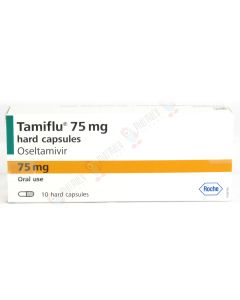
Tamiflu (Oseltamivir) is an antiviral medication that blocks the actions of ...
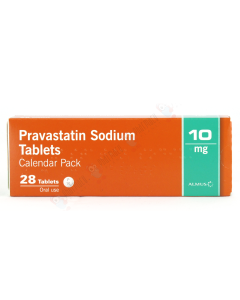
Pravastatin is a high cholesterol treatment in tablet form. This medicine h ...
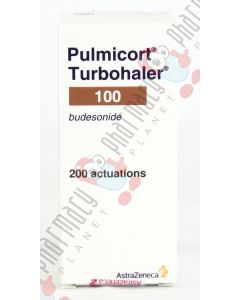
The Pulmicort Turbohaler is an inhaler designed for long-term asthma and CO ...
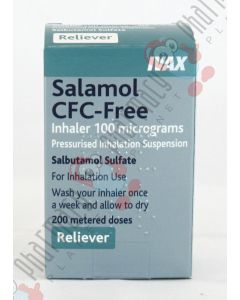
Salamol 100 mcg inhaler is used to relieve breathing difficulties caused by ...
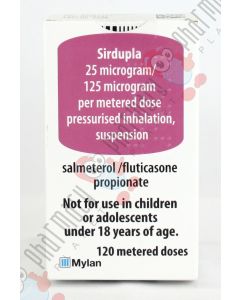
The Sirdupla Inhaler is a prescription combination inhaler that can be used ...
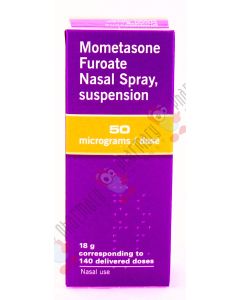
Nasonex nasal spray can effectively treat and prevent the symptoms of aller ...
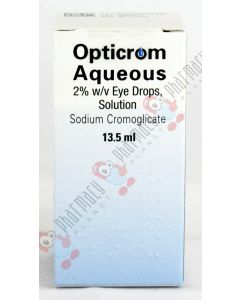
Opticrom aqueous eye drops provide quick relief from allergy symptoms which ...
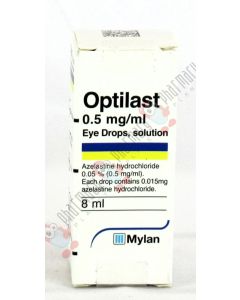
Optilast eye drop solution provides quick relief from allergic conjunctivit ...
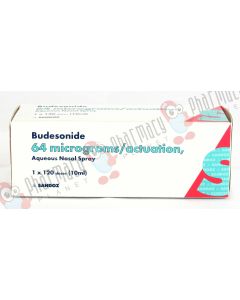
Rhinocort Aqueous nasal spray contains budesonide, which belongs to a group ...
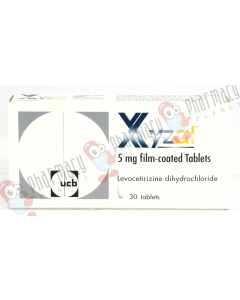
Levocetirizine Xyzal is a third-generation antihistamine derived from cetir ...
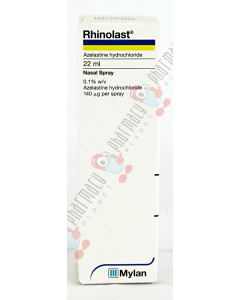
Rhinolast contains the active substance, azelastine hydrochloride, which be ...
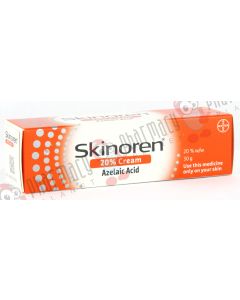
Skinoren is a treatment that works against bacteria to fight acne. It is ap ...
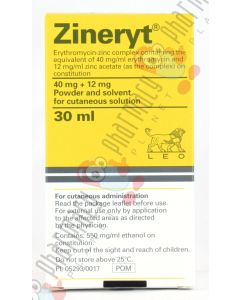
Zineryt Lotion is an excellent choice for individuals suffering from modera ...
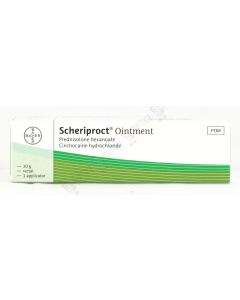
Scheriproct is a treatment for hemorrhoids. It contains two active ingredie ...
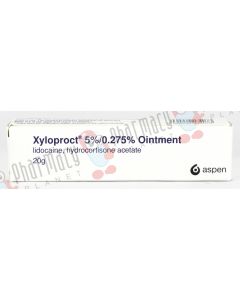
Xyloproct is a treatment for hemorrhoids. It comes in the form of an ointme ...
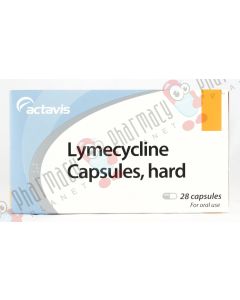
Tetralysal or Lymecycline is an antibacterial medication, well known for it ...
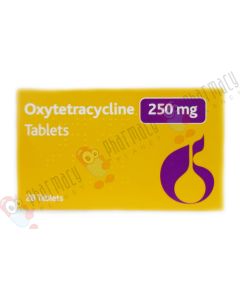
Oxytetracycline is an oral, anti-inflammatory antibiotic used in the proces ...
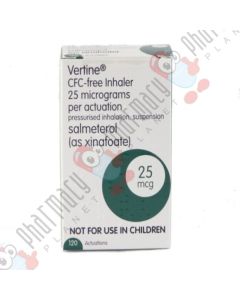
Salmeterol is an inhaler that is used to help prevent and control asthma an ...
Start your journey with us
Need Help?

Do you have a question about weight loss treatment?
Start your weight loss journey heading in the right direction. Our team are here to help. Whether you’re unsure about which medicine is right for you or need help navigating the world of weight loss drugs, our team are on hand to help you make the right decision. We can put you in touch with one of our experienced weight loss clinicians so you can be sure you’re making the best decision with the most accurate information.
To get in touch, contact our Customer Service team on 0800 978 8956 or email headoffice@pharmacyplanet.com.
Meet the team







Review By
HARMINDER ‘HARMY’ KAUR
Last Updated On : Mar 13 2026
BSc(hons) Pharmacy
GPhC Number: 2061107

Authored By
GURDEV SEHMI
Last Reviewed On : Mar 23 2026
BSc Pharm, MRPharmS, Independent Prescriber, Superintendent Pharmacist, Clinical Lead
GPhC Number: 2050925


