



Bhupinder (Boo) Dhaliwale
MELOLITE
Melolite dressings are constructed from an absorbent pad which helps distribute the fluid, thus avoiding the problems of immediate exudate strike-through, covered on both sides with a heat-laminated polyester film. This film acts as a low-adherent wound contact layer by allowing the rapid passage of exudate through its elliptical holed construction into the absorbent pad. This minimises the risk of adherence to the wound and the related trauma on dressing removal. Either side of the dressing can be placed directly onto the wound site.

Consult

Select

Checkout
01
Select
the items you wish
to order
02
Order reviewed
by our qualified
prescriber
03
Delivered
to your door step
Your Selection
Please use the options provided to make your final selection.

MELOLITE
£20.99
Total
Price Comparison
Select your preferred options and see the best price
| Pack | Price (£) | ||
|---|---|---|---|
| - | 5cm x 7.5cm | 100 | 20.99 |
It looks like you missed filling in questions from the last consultation.Click Here to submit your response.

No subscriptions or hidden fees

Secure checkout

UK Regulated online pharmacy

Trusted by over 250,000+ happy customers
Melolite Dressing | Low-Adherent Absorbent Wound Pad for General Wound Care
A wound contact dressing that both absorbs exudate from the wound surface and releases cleanly at dressing change without adhering to healing tissue addresses two of the most practical challenges in routine wound management. Dressings that stick to the wound cause pain and tissue disruption at each change, slowing the healing process and making wound care an unwelcome experience. Melolite Dressing is a low adherent absorbent wound pad from Smith & Nephew. 5cm x 7.5cm. Pack of 100. Requires secondary securing. No prescription required.
What Is Melolite Dressing?
Melolite Dressing is a regulated medical device from Smith & Nephew. It is a sterile low adherent absorbent wound pad comprising two distinct layers: a perforated plastic film wound contact surface and an absorbent cotton and viscose pad above it. The dressing is applied with the perforated film side facing the wound surface and the absorbent pad facing away from the wound.
The perforated plastic film is the feature that gives Melolite its low adherent property. The film forms a smooth surface against the wound bed that does not bond to healing wound tissue or granulation tissue in the way that woven or non-woven dressings can. The perforations in the film allow wound exudate to pass through the film from the wound surface below into the absorbent pad above. The exudate is absorbed and retained within the absorbent pad, keeping the wound surface relatively free of accumulated fluid while the film itself continues to provide a smooth, low resistance interface against the wound.
Melolite is an unmedicated dressing. It contains no paraffin, no antimicrobial agents, and no active substances. This makes it suitable for a wide range of wound types where a low adherent wound contact and absorbent pad is required without the addition of any medicament. It is a practical, versatile dressing for minor wounds, cuts, abrasions, post-surgical wounds, skin donor sites, and other clean or healing wounds where routine wound management is needed.
Melolite is not self-adhesive. It requires a secondary dressing, tape, or fixation bandage to hold it in position over the wound. The pack of 100 pads provides an economical supply for healthcare settings, first aid rooms, district nursing, and general wound management contexts.
Melolite Dressing requires a secondary dressing or fixation method to hold it in place over the wound. Apply tape, a fixation bandage, or an appropriate secondary dressing over the Melolite pad after placement. Do not leave the pad unsecured on the wound, as it will not remain in position without fixation.
How Melolite Dressing Works
Perforated Film Wound Contact Surface
The perforated plastic film on the wound-facing side of Melolite creates a smooth, relatively low adherent interface between the dressing and the wound bed. The film does not bond to wound granulation tissue or healing wound tissue in the way that woven gauze or some non-woven dressings can, reducing the risk of the dressing adhering to the wound surface and causing disruption and pain when it is removed. The smooth film surface lies against the wound with minimal mechanical interlocking between the dressing material and the wound tissue.
Exudate Drainage Through Perforations
The perforations in the wound contact film are small openings that allow wound exudate produced at the wound surface to pass through the film from below and be absorbed by the cotton and viscose pad above. As the wound produces exudate, capillary action and fluid pressure draw the exudate through the perforations and into the absorbent pad. The pad absorbs and retains this fluid. By moving exudate away from the wound surface and into the overlying pad, Melolite helps to keep the wound surface from becoming saturated with accumulated fluid, which would otherwise delay healing and increase the risk of maceration of the surrounding skin.
Absorbent Pad
The cotton and viscose absorbent pad provides the fluid retention capacity of the Melolite dressing. Once exudate has passed through the perforated film it is absorbed into the pad fibres and retained. The absorbent capacity of the pad determines how long the dressing can manage the wound exudate before it reaches saturation and requires changing. For minor wounds with low to moderate exudate, Melolite provides adequate absorption for a standard dressing wear period.
How to Apply Melolite Dressing
Wound Preparation
- Irrigate the wound with sterile saline or clean water before applying.
- Allow the wound area to dry gently before placing the dressing.
Application
- Remove the dressing from its individual sterile packaging immediately before use.
- Identify the perforated film side of the dressing. This is the shiny film covered side that faces the wound.
- Place the dressing with the perforated film side against the wound surface.
- Ensure the dressing covers the full wound surface and extends slightly onto the surrounding skin.
- Secure the dressing in place with suitable tape, a fixation bandage, or a secondary dressing.
Change Frequency
- Change frequency depends on wound exudate level and the condition of the dressing.
- Change when the absorbent pad is saturated or when the dressing is soiled.
- Reassess the wound at each dressing change.
If the Melolite dressing appears to be adhering to the wound surface at dressing change, moisten the dressing with sterile saline and allow it to soften before gentle removal. Do not pull a dressing that is adhering firmly away from the wound surface.
Available Size
Melolite Dressing 5cm x 7.5cm - Pack of 100
Melolite is supplied in packs of 100 sterile individually packaged pads, each 5cm x 7.5cm. This size is suited to minor wounds, cuts, abrasions, small post-surgical sites, and other wounds where a 5cm x 7.5cm pad provides adequate wound coverage. The pack of 100 provides an economical supply for healthcare settings or regular wound management needs. Each pad is individually packaged to maintain sterility until the point of use.
Safety Information and Precautions
When Not to Use Melolite
- Heavily exuding wounds where the absorbent capacity of the 5cm x 7.5cm pad is insufficient for the exudate volume produced. A more absorbent dressing format would be more appropriate.
- Infected wounds where an antimicrobial wound contact dressing is clinically indicated.
- Cavity wounds where a flat pad cannot provide wound contact at depth.
Precautions
- Always secure with tape, fixation bandage, or secondary dressing. Melolite is not self-adhesive.
- Apply with the perforated film side facing the wound.
- Moisten with saline before removal if adherence is suspected.
Adverse Effects
- Film adherence in some cases, particularly on very dry wounds or wounds with minimal exudate.
- Skin irritation from the securing tape or secondary dressing in susceptible individuals.
Suitability
Wound Types Where Melolite Is Appropriate
- Minor acute wounds including cuts, abrasions, grazes, and minor lacerations
- Wounds following surgery during the healing phase
- Skin donor sites during the initial wound healing period
- Superficial burns under clinical guidance
- General wound management where a low adherent absorbent pad is the appropriate dressing choice
Melolite vs Melolin
Melolite and Melolin are both low adherent absorbent wound pads from Smith & Nephew, and they are often confused due to their similar names and shared manufacturer. The key difference is the wound contact surface construction. Melolite has a perforated plastic film wound contact surface over the absorbent pad. Melolin has a perforated aluminium foil wound contact surface over a similar absorbent pad. Both provide low adherent wound contact and exudate absorption. Melolite is the plastic film version and Melolin is the foil version. The choice between them is typically one of clinical preference or availability within a particular setting.
Purchasing Melolite Dressing
Melolite Dressing does not require a prescription. The 5cm x 7.5cm pack of 100 is available from Pharmacy Planet without a clinical consultation.
Our pharmacists can advise on Melolite and on other Smith & Nephew wound contact and absorbent dressings for different wound types and exudate levels.
Storage
- Store in a cool, dry place away from direct heat and sunlight.
- Do not store above 25 degrees C.
- Keep individual pads in their sealed packaging until immediately before use.
- Do not use if the individual pad packaging is damaged.
- Check expiry date before use.
- Keep out of reach of children.
Why Choose Pharmacy Planet?
Pharmacy Planet is a GPhC registered online pharmacy. Melolite Dressing is a genuine Smith & Nephew product stocked through regulated UK supply chains.
Our pharmacists can advise on Melolite and on the wider Smith & Nephew wound dressing range for general wound management.
References
- Smith & Nephew. Melolite Dressing. REF #4811. Smith & Nephew. https://www.smith-nephew.com. Accessed June 2026.
- National Institute for Health and Care Excellence. Wound care products: selection and prescribing. https://www.nice.org.uk. Accessed June 2026.
- NHS. Wound care: dressing selection guidance. NHS England. https://www.england.nhs.uk. Accessed June 2026.
MELOLITE
A wound contact dressing that both absorbs exudate from the wound surface and releases cleanly at dressing change without adhering to healing tissue addresses two of the most practical challenges in routine wound management. Dressings that stick to the wound cause pain and tissue disruption at each change, slowing the healing process and making wound care an unwelcome experience. Melolite Dressing is a low adherent absorbent wound pad from Smith & Nephew. 5cm x 7.5cm. Pack of 100. Requires secondary securing. No prescription required.
Melolite Dressing is a regulated medical device from Smith & Nephew. It is a sterile low adherent absorbent wound pad comprising two distinct layers: a perforated plastic film wound contact surface and an absorbent cotton and viscose pad above it. The dressing is applied with the perforated film side facing the wound surface and the absorbent pad facing away from the wound.
The perforated plastic film is the feature that gives Melolite its low adherent property. The film forms a smooth surface against the wound bed that does not bond to healing wound tissue or granulation tissue in the way that woven or non-woven dressings can. The perforations in the film allow wound exudate to pass through the film from the wound surface below into the absorbent pad above. The exudate is absorbed and retained within the absorbent pad, keeping the wound surface relatively free of accumulated fluid while the film itself continues to provide a smooth, low resistance interface against the wound.
Melolite is an unmedicated dressing. It contains no paraffin, no antimicrobial agents, and no active substances. This makes it suitable for a wide range of wound types where a low adherent wound contact and absorbent pad is required without the addition of any medicament. It is a practical, versatile dressing for minor wounds, cuts, abrasions, post-surgical wounds, skin donor sites, and other clean or healing wounds where routine wound management is needed.
Melolite is not self-adhesive. It requires a secondary dressing, tape, or fixation bandage to hold it in position over the wound. The pack of 100 pads provides an economical supply for healthcare settings, first aid rooms, district nursing, and general wound management contexts.
Melolite Dressing requires a secondary dressing or fixation method to hold it in place over the wound. Apply tape, a fixation bandage, or an appropriate secondary dressing over the Melolite pad after placement. Do not leave the pad unsecured on the wound, as it will not remain in position without fixation.
Perforated Film Wound Contact Surface
The perforated plastic film on the wound-facing side of Melolite creates a smooth, relatively low adherent interface between the dressing and the wound bed. The film does not bond to wound granulation tissue or healing wound tissue in the way that woven gauze or some non-woven dressings can, reducing the risk of the dressing adhering to the wound surface and causing disruption and pain when it is removed. The smooth film surface lies against the wound with minimal mechanical interlocking between the dressing material and the wound tissue.
Exudate Drainage Through Perforations
The perforations in the wound contact film are small openings that allow wound exudate produced at the wound surface to pass through the film from below and be absorbed by the cotton and viscose pad above. As the wound produces exudate, capillary action and fluid pressure draw the exudate through the perforations and into the absorbent pad. The pad absorbs and retains this fluid. By moving exudate away from the wound surface and into the overlying pad, Melolite helps to keep the wound surface from becoming saturated with accumulated fluid, which would otherwise delay healing and increase the risk of maceration of the surrounding skin.
Absorbent Pad
The cotton and viscose absorbent pad provides the fluid retention capacity of the Melolite dressing. Once exudate has passed through the perforated film it is absorbed into the pad fibres and retained. The absorbent capacity of the pad determines how long the dressing can manage the wound exudate before it reaches saturation and requires changing. For minor wounds with low to moderate exudate, Melolite provides adequate absorption for a standard dressing wear period.
Wound Preparation
- Irrigate the wound with sterile saline or clean water before applying.
- Allow the wound area to dry gently before placing the dressing.
Application
- Remove the dressing from its individual sterile packaging immediately before use.
- Identify the perforated film side of the dressing. This is the shiny film covered side that faces the wound.
- Place the dressing with the perforated film side against the wound surface.
- Ensure the dressing covers the full wound surface and extends slightly onto the surrounding skin.
- Secure the dressing in place with suitable tape, a fixation bandage, or a secondary dressing.
Change Frequency
- Change frequency depends on wound exudate level and the condition of the dressing.
- Change when the absorbent pad is saturated or when the dressing is soiled.
- Reassess the wound at each dressing change.
If the Melolite dressing appears to be adhering to the wound surface at dressing change, moisten the dressing with sterile saline and allow it to soften before gentle removal. Do not pull a dressing that is adhering firmly away from the wound surface.
Melolite Dressing 5cm x 7.5cm - Pack of 100
Melolite is supplied in packs of 100 sterile individually packaged pads, each 5cm x 7.5cm. This size is suited to minor wounds, cuts, abrasions, small post-surgical sites, and other wounds where a 5cm x 7.5cm pad provides adequate wound coverage. The pack of 100 provides an economical supply for healthcare settings or regular wound management needs. Each pad is individually packaged to maintain sterility until the point of use.
When Not to Use Melolite
- Heavily exuding wounds where the absorbent capacity of the 5cm x 7.5cm pad is insufficient for the exudate volume produced. A more absorbent dressing format would be more appropriate.
- Infected wounds where an antimicrobial wound contact dressing is clinically indicated.
- Cavity wounds where a flat pad cannot provide wound contact at depth.
Precautions
- Always secure with tape, fixation bandage, or secondary dressing. Melolite is not self-adhesive.
- Apply with the perforated film side facing the wound.
- Moisten with saline before removal if adherence is suspected.
Adverse Effects
- Film adherence in some cases, particularly on very dry wounds or wounds with minimal exudate.
- Skin irritation from the securing tape or secondary dressing in susceptible individuals.
Wound Types Where Melolite Is Appropriate
- Minor acute wounds including cuts, abrasions, grazes, and minor lacerations
- Wounds following surgery during the healing phase
- Skin donor sites during the initial wound healing period
- Superficial burns under clinical guidance
- General wound management where a low adherent absorbent pad is the appropriate dressing choice
Melolite vs Melolin
Melolite and Melolin are both low adherent absorbent wound pads from Smith & Nephew, and they are often confused due to their similar names and shared manufacturer. The key difference is the wound contact surface construction. Melolite has a perforated plastic film wound contact surface over the absorbent pad. Melolin has a perforated aluminium foil wound contact surface over a similar absorbent pad. Both provide low adherent wound contact and exudate absorption. Melolite is the plastic film version and Melolin is the foil version. The choice between them is typically one of clinical preference or availability within a particular setting.
Melolite Dressing does not require a prescription. The 5cm x 7.5cm pack of 100 is available from Pharmacy Planet without a clinical consultation.
Our pharmacists can advise on Melolite and on other Smith & Nephew wound contact and absorbent dressings for different wound types and exudate levels.
- Store in a cool, dry place away from direct heat and sunlight.
- Do not store above 25 degrees C.
- Keep individual pads in their sealed packaging until immediately before use.
- Do not use if the individual pad packaging is damaged.
- Check expiry date before use.
- Keep out of reach of children.
Pharmacy Planet is a GPhC registered online pharmacy. Melolite Dressing is a genuine Smith & Nephew product stocked through regulated UK supply chains.
Our pharmacists can advise on Melolite and on the wider Smith & Nephew wound dressing range for general wound management.
References
- Smith & Nephew. Melolite Dressing. REF #4811. Smith & Nephew. https://www.smith-nephew.com. Accessed June 2026.
- National Institute for Health and Care Excellence. Wound care products: selection and prescribing. https://www.nice.org.uk. Accessed June 2026.
- NHS. Wound care: dressing selection guidance. NHS England. https://www.england.nhs.uk. Accessed June 2026.
Frequently Asked Questions
Melolite Dressing is a low adherent absorbent wound pad from Smith & Nephew for general wound management. The perforated plastic film wound contact surface reduces adherence to the wound bed while allowing exudate to pass through into the absorbent pad above. 5cm x 7.5cm. Pack of 100. Requires secondary securing with tape or bandage. No prescription required.
The perforated plastic film side faces the wound. This is the shiny film covered side of the dressing. The film creates the low adherent wound contact surface and contains the perforations that allow exudate to pass through into the absorbent pad. The absorbent pad faces away from the wound, toward the outer secondary dressing or securing tape. Applying the dressing the wrong way round places the absorbent fibres directly against the wound, which increases the risk of adherence.
Yes. Melolite is not self-adhesive and must be secured in place with tape, a fixation bandage, or a secondary dressing applied over it. Without secondary fixation the pad will not remain in position over the wound during activity or movement. The choice of secondary fixation depends on the wound location, the patient's skin condition, and the overall dressing management plan.
Both Melolite and Melolin are low adherent absorbent wound pads from Smith & Nephew. The difference is the wound contact surface material. Melolite has a perforated plastic film wound contact layer. Melolin has a perforated aluminium foil wound contact layer. Both function in the same way: the perforated surface reduces adherence while allowing exudate to drain into the absorbent pad above. The choice between them is typically one of clinical preference or availability.
Melolite is an unmedicated low adherent absorbent pad. It does not contain any antimicrobial agent and is not specifically indicated for infected wounds. For wounds with confirmed or suspected infection, seek clinical assessment. An antimicrobial wound contact dressing may be more appropriate for infected wounds. Melolite is suited to clean or healing wounds where a low adherent wound contact and general absorbency is the appropriate dressing choice.
If the dressing appears to be adhering to the wound at change, moisten it thoroughly with sterile saline or clean water and allow a few minutes for the saline to soak through and soften any adherence between the film and the wound surface before gently removing. Do not pull a dressing away from a wound surface where resistance is felt. Gentle removal after moistening reduces the risk of disrupting healing tissue at the wound surface.
Change frequency depends on the wound exudate level and the condition of the dressing. Change the dressing when the absorbent pad is saturated, when the dressing is soiled, or at the interval recommended by the clinician managing the wound. For minor wounds with low exudate, a daily or every-other-day change is common. Reassess the wound at each change. If the wound is not progressing as expected, seek clinical review.
No. Melolite Dressing is a regulated medical device and does not require a prescription. The 5cm x 7.5cm pack of 100 is available from Pharmacy Planet without a clinical consultation.
How it works

Complete our online
clinical consultation
clinical consultation
Answer a few questions on your health and your fitness goals.

Clinical
assessment
assessment
Our clinicians will review your clinical questionnaire to make sure treatment is right for you.
Welcome
aboard!
aboard!
Once approved, you will access our wealth of experience and resources curated by our team and begin your clinical journey.
Treatment options
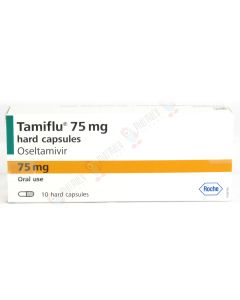
Tamiflu (Oseltamivir) is an antiviral medication that blocks the actions of ...
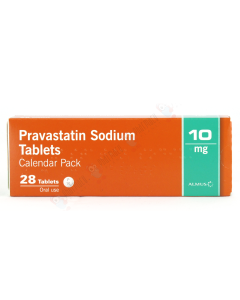
Pravastatin is a high cholesterol treatment in tablet form. This medicine h ...
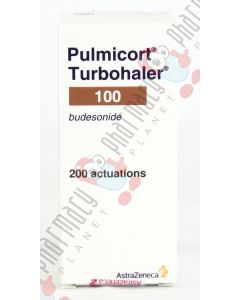
The Pulmicort Turbohaler is an inhaler designed for long-term asthma and CO ...
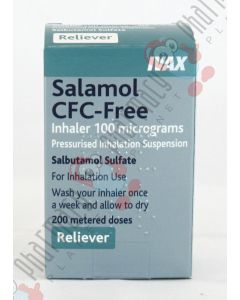
Salamol 100 mcg inhaler is used to relieve breathing difficulties caused by ...
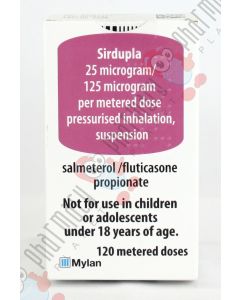
The Sirdupla Inhaler is a prescription combination inhaler that can be used ...
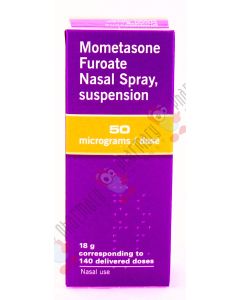
Nasonex nasal spray can effectively treat and prevent the symptoms of aller ...
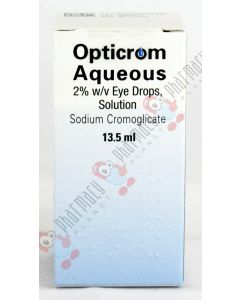
Opticrom aqueous eye drops provide quick relief from allergy symptoms which ...
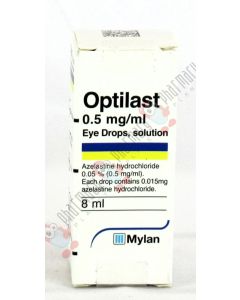
Optilast eye drop solution provides quick relief from allergic conjunctivit ...
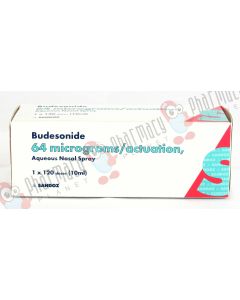
Rhinocort Aqueous nasal spray contains budesonide, which belongs to a group ...
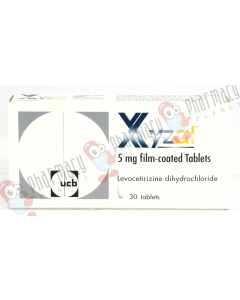
Levocetirizine Xyzal is a third-generation antihistamine derived from cetir ...
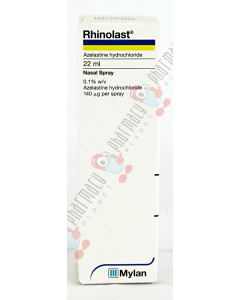
Rhinolast contains the active substance, azelastine hydrochloride, which be ...
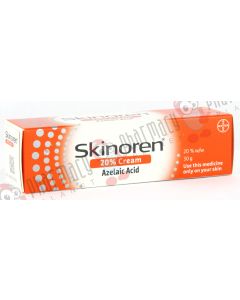
Skinoren is a treatment that works against bacteria to fight acne. It is ap ...
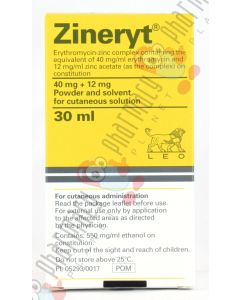
Zineryt Lotion is an excellent choice for individuals suffering from modera ...
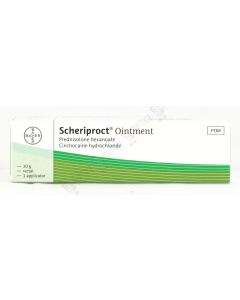
Scheriproct is a treatment for hemorrhoids. It contains two active ingredie ...
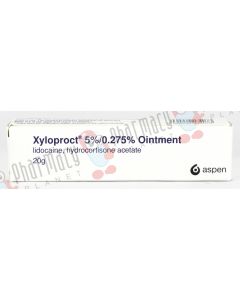
Xyloproct is a treatment for hemorrhoids. It comes in the form of an ointme ...
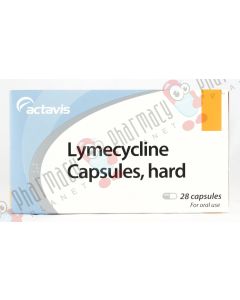
Tetralysal or Lymecycline is an antibacterial medication, well known for it ...
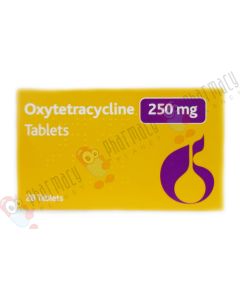
Oxytetracycline is an oral, anti-inflammatory antibiotic used in the proces ...
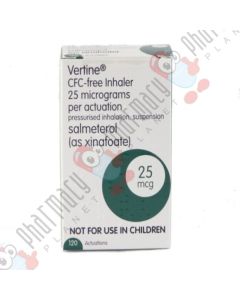
Salmeterol is an inhaler that is used to help prevent and control asthma an ...
Start your journey with us
Need Help?

Do you have a question about weight loss treatment?
Start your weight loss journey heading in the right direction. Our team are here to help. Whether you’re unsure about which medicine is right for you or need help navigating the world of weight loss drugs, our team are on hand to help you make the right decision. We can put you in touch with one of our experienced weight loss clinicians so you can be sure you’re making the best decision with the most accurate information.
To get in touch, contact our Customer Service team on 0800 978 8956 or email headoffice@pharmacyplanet.com.
Meet the team







Review By
HARMINDER ‘HARMY’ KAUR
Last Updated On : Mar 13 2026
BSc(hons) Pharmacy
GPhC Number: 2061107

Authored By
GURDEV SEHMI
Last Reviewed On : Mar 23 2026
BSc Pharm, MRPharmS, Independent Prescriber, Superintendent Pharmacist, Clinical Lead
GPhC Number: 2050925


