



Bhupinder (Boo) Dhaliwale
PURILON GEL
Purilon Gel is a sterile hydrogel with absorbing and hydrating properties for fast, effective autolytic debridement. This helps to maintain a most wound environment. The unique applicator makes the wound dressing more convenient. Purilon promotes wound healing by gentle and effective debridement.

Consult

Select

Checkout
01
Select
the items you wish
to order
02
Order reviewed
by our qualified
prescriber
03
Delivered
to your door step
Your Selection
Please use the options provided to make your final selection.
PURILON GEL
£36.99
Total
Price Comparison
Select your preferred options and see the best price
| Pack | Price (£) | ||
|---|---|---|---|
| - | 8g | 10 | 36.99 |
| - | 15g | 10 | 50.99 |
It looks like you missed filling in questions from the last consultation.Click Here to submit your response.

No subscriptions or hidden fees

Secure checkout

UK Regulated online pharmacy

Trusted by over 250,000+ happy customers
Purilon Gel | Hydrogel for Autolytic Debridement and Moist Wound Healing
Wounds covered in dry necrotic tissue or slough cannot heal effectively until that devitalised material is removed. Autolytic debridement uses the body's own enzymes to break down necrotic and sloughy tissue, but only if the wound environment contains sufficient moisture for those enzymes to work. Applying a hydrogel to a dry wound donates the water content that activates autolytic debridement and creates the moist wound environment that supports tissue repair. Purilon Gel is an amorphous hydrogel from Coloplast for autolytic debridement and moist wound healing. Two sizes: 8g and 15g. Requires a secondary dressing. No prescription required.
What Is Purilon Gel?
Purilon Gel is a regulated medical device from Coloplast. It is an amorphous hydrogel: a water-based gel in a tube that is applied directly to the wound surface in its gel form. The word amorphous indicates that the gel has no fixed shape and conforms to the wound contour as it is applied, in contrast to hydrogel sheet dressings, which are supplied in a fixed pre-cut shape. Purilon Gel fills the wound bed, donates moisture to the wound surface, and is covered by an appropriate secondary dressing.
The gel is composed of water, propylene glycol, carboxymethylcellulose (CMC), and calcium alginate. The water content is the primary active component for wound rehydration. The CMC and calcium alginate provide the gel structure that holds the water in contact with the wound surface during the wear period. Propylene glycol supports the gel consistency and contributes to the moist wound environment.
The primary clinical action of Purilon Gel is autolytic debridement. When a hydrogel donates moisture to dry necrotic or sloughy wound tissue, the devitalised tissue rehydrates and softens. The body's own enzymes, including proteases naturally present in wound fluid, can then break down the softened devitalised tissue without the need for sharp debridement or the application of chemical debriding agents. This process is gentle, selective, and typically painless. It acts on devitalised tissue without damaging the healthy granulating or epithelialising tissue present alongside it.
Purilon Gel also maintains moist wound healing conditions in wounds that are granulating but require moisture balance to continue healing. Dry wound surfaces slow epithelialisation. A moist environment maintained by Purilon Gel supports the migration of epithelial cells across the wound surface and the formation of granulation tissue.
Two tube sizes are available: 8g for smaller wounds and limited exudate situations, and 15g for larger wounds or applications requiring a greater gel volume. A secondary dressing is always required over Purilon Gel.
Purilon Gel must always be covered by a secondary dressing after application. Do not leave Purilon Gel exposed to the air without a secondary dressing. The gel will dry out and lose its rehydrating properties. The choice of secondary dressing depends on the wound exudate level. A film dressing is appropriate for dry or minimally exuding wounds. A foam or hydrofibre dressing is more appropriate when exudate levels increase, as the gel softens and releases slough.
How Purilon Gel Works
Moisture Donation and Rehydration
Dry necrotic wound tissue has lost the moisture content needed for cellular activity and enzymatic breakdown. Purilon Gel has a high water content that it donates to the dry wound surface on contact. The gel remains in contact with the wound under the secondary dressing during the wear period, continuously providing moisture to the tissue beneath. As the devitalised tissue rehydrates, it becomes softer and more amenable to the autolytic process. In very dry wounds, the initial application of Purilon Gel visibly softens hard necrotic tissue within the first dressing change interval.
Autolytic Debridement
Autolytic debridement is the process by which the body's own proteolytic enzymes break down devitalised tissue. These enzymes are present in wound fluid and in the wound surface itself, but they require a moist environment to function. When Purilon Gel provides this moisture, the enzymes become active and begin to digest necrotic and sloughy material. The gel acts as the enabler of a process the wound is capable of performing itself. The selectivity of autolytic debridement is an important property: the enzymes act preferentially on devitalised tissue and do not damage healthy granulation tissue or intact surrounding skin.
Moist Wound Healing
In wounds that are granulating rather than necrotic, Purilon Gel maintains the moist wound environment that supports continued healing. A moist wound surface allows epithelial cells to migrate more readily across the healing wound bed. It supports the formation of granulation tissue and reduces the formation of a dry eschar that would impede healing. For wounds that are dry due to their anatomical position, low exudate output, or the type of secondary dressing previously used, Purilon Gel restores the moisture balance that supports the healing process.
Gel Structure and Wound Contact
The carboxymethylcellulose and calcium alginate in the gel formulation provide structural integrity that keeps the water content in contact with the wound surface during the dressing wear period. Without this structure, applied water would drain away from the wound bed before it could exert a therapeutic effect. The gel structure holds the water in position against the wound and releases it gradually into the wound tissue during wear.
How to Apply Purilon Gel
Wound Preparation
- Irrigate the wound with sterile saline before applying Purilon Gel.
- Remove any loose debris from the wound surface.
- Do not apply to a wound that has not been assessed. Confirm the wound type and depth before use.
Application
- Apply Purilon Gel directly from the tube to the wound surface.
- Fill the wound bed to a depth of approximately 3 to 5mm or to the level of the wound edges.
- Do not overfill. Excess gel that extends significantly beyond the wound margins onto intact skin can cause maceration of the periwound skin.
- Cover immediately with an appropriate secondary dressing.
Secondary Dressing Selection
- Dry or minimally exuding wounds: use a film dressing to retain moisture at the wound surface.
- Moderately exuding wounds: use a foam or hydrocolloid dressing to manage exudate as the gel softens devitalised tissue.
- Heavily exuding wounds or cavity wounds with significant slough: seek clinical assessment before selecting a secondary dressing.
Change Frequency
- Purilon Gel is typically changed every one to three days in the early debridement phase.
- As debridement progresses and the wound transitions to granulation, change frequency may reduce.
- Change earlier if the secondary dressing is saturated.
Do not apply Purilon Gel to the periwound skin surrounding the wound. Excess gel on intact periwound skin will macerate the skin over time. Apply only within the wound margins and cover promptly with a secondary dressing.
Available Sizes
Purilon Gel 8g
An 8g tube suited to smaller wounds, superficial wound surfaces, and applications where a limited volume of gel is needed per change. Suited to minor ulcers, small pressure injuries, and wound sites where the wound bed area is limited. A single 8g tube may provide enough gel for one or two applications on a small wound.
Purilon Gel 15g
A 15g tube suited to larger wounds, deeper wound beds, and applications where a greater gel volume is needed to fill the wound cavity. Suited to larger leg ulcers, pressure injuries with a larger wound area, and deep wound beds where the 8g tube does not provide sufficient gel volume per change.
Both sizes contain the same gel formulation. Size selection is based on wound dimensions and the estimated gel volume needed per application.
Safety Information and Precautions
When Not to Use Purilon Gel
- Infected wounds without concurrent antimicrobial treatment and clinical supervision.
- Wounds with sinus tracts, tunnelling, or undermining without clinical assessment of the depth and extent.
- Wounds with heavy exudate where the additional moisture of the gel would create excess fluid.
- Known sensitivity to any component of the formulation, including propylene glycol or CMC.
Precautions
- Apply only within the wound margins.
- Always cover with a secondary dressing.
- Monitor the periwound skin for signs of maceration at each change.
- Reassess the wound at each change and review the need for continued hydrogel if the wound condition changes.
- Single use per application. Do not contaminate the tube tip by touching the wound.
Adverse Effects
- Periwound skin maceration if gel is applied beyond the wound margins or if the secondary dressing does not manage exudate adequately.
- Increased wound exudate as necrotic tissue softens and autolytic debridement proceeds. This is an expected clinical response, not an adverse event.
- Skin reaction to propylene glycol in sensitive individuals.
Suitability
Wound Types Where Purilon Gel Is Appropriate
- Dry necrotic wounds where rehydration and autolytic debridement are the clinical objectives
- Sloughy wounds where the moist environment of the gel supports autolytic removal of slough
- Granulating wounds requiring moisture balance to continue healing
- Venous leg ulcers, pressure ulcers (category 2 and above with necrotic or sloughy tissue), diabetic foot wounds, and surgical wounds where hydrogel is clinically indicated
- Cavity wounds where the gel can fill the wound space, with clinical assessment of depth before use
Purilon Gel vs INTRASITE Gel
Purilon Gel (Coloplast) and INTRASITE Gel (Smith & Nephew) are both amorphous hydrogels for autolytic debridement and moist wound healing. Both are applied directly to the wound surface, require a secondary dressing, and work through moisture donation to support autolytic debridement. Purilon Gel contains calcium alginate in its formulation alongside CMC, while INTRASITE Gel uses CMC and water as its primary components. Both are widely used in UK wound care practice. Clinical selection between amorphous hydrogels is typically based on local formulary, availability, and clinician preference rather than a significant clinical distinction between the products.
Purchasing Purilon Gel
Purilon Gel does not require a prescription. Both the 8g and 15g sizes are available from Pharmacy Planet without a clinical consultation.
Our pharmacists can advise on size selection and on when Purilon Gel or another wound management product is the most appropriate choice for a specific wound type and clinical situation.
For infected wounds, deep wounds with unknown extent, or wounds not responding to treatment, seek clinical assessment alongside product purchase.
Storage
- Store in a cool, dry place away from direct heat and sunlight.
- Do not store above 25 degrees C.
- Do not freeze.
- Keep in original packaging until use.
- Once opened, use the tube within the period stated on the packaging.
- Do not use if the packaging is damaged or the tube seal is broken.
- Keep out of reach of children.
Why Choose Pharmacy Planet?
Pharmacy Planet is a GPhC registered online pharmacy. Both Purilon Gel sizes are genuine Coloplast products stocked through regulated UK supply chains.
Our pharmacists can advise on Purilon Gel and on the full range of wound debridement and moist wound healing products for different wound types and healing stages.
References
- Coloplast. Purilon Gel — Product Information. Coloplast. https://www.coloplast.co.uk. Accessed June 2026.
- National Institute for Health and Care Excellence. Wound care products: selection and prescribing. https://www.nice.org.uk. Accessed June 2026.
- NHS. Types of wound debridement. NHS England. https://www.england.nhs.uk. Accessed June 2026.
- Wounds UK. Wound debridement: principles and practice. https://www.wounds-uk.com. Accessed June 2026.
PURILON GEL
Wounds covered in dry necrotic tissue or slough cannot heal effectively until that devitalised material is removed. Autolytic debridement uses the body's own enzymes to break down necrotic and sloughy tissue, but only if the wound environment contains sufficient moisture for those enzymes to work. Applying a hydrogel to a dry wound donates the water content that activates autolytic debridement and creates the moist wound environment that supports tissue repair. Purilon Gel is an amorphous hydrogel from Coloplast for autolytic debridement and moist wound healing. Two sizes: 8g and 15g. Requires a secondary dressing. No prescription required.
Purilon Gel is a regulated medical device from Coloplast. It is an amorphous hydrogel: a water-based gel in a tube that is applied directly to the wound surface in its gel form. The word amorphous indicates that the gel has no fixed shape and conforms to the wound contour as it is applied, in contrast to hydrogel sheet dressings, which are supplied in a fixed pre-cut shape. Purilon Gel fills the wound bed, donates moisture to the wound surface, and is covered by an appropriate secondary dressing.
The gel is composed of water, propylene glycol, carboxymethylcellulose (CMC), and calcium alginate. The water content is the primary active component for wound rehydration. The CMC and calcium alginate provide the gel structure that holds the water in contact with the wound surface during the wear period. Propylene glycol supports the gel consistency and contributes to the moist wound environment.
The primary clinical action of Purilon Gel is autolytic debridement. When a hydrogel donates moisture to dry necrotic or sloughy wound tissue, the devitalised tissue rehydrates and softens. The body's own enzymes, including proteases naturally present in wound fluid, can then break down the softened devitalised tissue without the need for sharp debridement or the application of chemical debriding agents. This process is gentle, selective, and typically painless. It acts on devitalised tissue without damaging the healthy granulating or epithelialising tissue present alongside it.
Purilon Gel also maintains moist wound healing conditions in wounds that are granulating but require moisture balance to continue healing. Dry wound surfaces slow epithelialisation. A moist environment maintained by Purilon Gel supports the migration of epithelial cells across the wound surface and the formation of granulation tissue.
Two tube sizes are available: 8g for smaller wounds and limited exudate situations, and 15g for larger wounds or applications requiring a greater gel volume. A secondary dressing is always required over Purilon Gel.
Purilon Gel must always be covered by a secondary dressing after application. Do not leave Purilon Gel exposed to the air without a secondary dressing. The gel will dry out and lose its rehydrating properties. The choice of secondary dressing depends on the wound exudate level. A film dressing is appropriate for dry or minimally exuding wounds. A foam or hydrofibre dressing is more appropriate when exudate levels increase, as the gel softens and releases slough.
Moisture Donation and Rehydration
Dry necrotic wound tissue has lost the moisture content needed for cellular activity and enzymatic breakdown. Purilon Gel has a high water content that it donates to the dry wound surface on contact. The gel remains in contact with the wound under the secondary dressing during the wear period, continuously providing moisture to the tissue beneath. As the devitalised tissue rehydrates, it becomes softer and more amenable to the autolytic process. In very dry wounds, the initial application of Purilon Gel visibly softens hard necrotic tissue within the first dressing change interval.
Autolytic Debridement
Autolytic debridement is the process by which the body's own proteolytic enzymes break down devitalised tissue. These enzymes are present in wound fluid and in the wound surface itself, but they require a moist environment to function. When Purilon Gel provides this moisture, the enzymes become active and begin to digest necrotic and sloughy material. The gel acts as the enabler of a process the wound is capable of performing itself. The selectivity of autolytic debridement is an important property: the enzymes act preferentially on devitalised tissue and do not damage healthy granulation tissue or intact surrounding skin.
Moist Wound Healing
In wounds that are granulating rather than necrotic, Purilon Gel maintains the moist wound environment that supports continued healing. A moist wound surface allows epithelial cells to migrate more readily across the healing wound bed. It supports the formation of granulation tissue and reduces the formation of a dry eschar that would impede healing. For wounds that are dry due to their anatomical position, low exudate output, or the type of secondary dressing previously used, Purilon Gel restores the moisture balance that supports the healing process.
Gel Structure and Wound Contact
The carboxymethylcellulose and calcium alginate in the gel formulation provide structural integrity that keeps the water content in contact with the wound surface during the dressing wear period. Without this structure, applied water would drain away from the wound bed before it could exert a therapeutic effect. The gel structure holds the water in position against the wound and releases it gradually into the wound tissue during wear.
Wound Preparation
- Irrigate the wound with sterile saline before applying Purilon Gel.
- Remove any loose debris from the wound surface.
- Do not apply to a wound that has not been assessed. Confirm the wound type and depth before use.
Application
- Apply Purilon Gel directly from the tube to the wound surface.
- Fill the wound bed to a depth of approximately 3 to 5mm or to the level of the wound edges.
- Do not overfill. Excess gel that extends significantly beyond the wound margins onto intact skin can cause maceration of the periwound skin.
- Cover immediately with an appropriate secondary dressing.
Secondary Dressing Selection
- Dry or minimally exuding wounds: use a film dressing to retain moisture at the wound surface.
- Moderately exuding wounds: use a foam or hydrocolloid dressing to manage exudate as the gel softens devitalised tissue.
- Heavily exuding wounds or cavity wounds with significant slough: seek clinical assessment before selecting a secondary dressing.
Change Frequency
- Purilon Gel is typically changed every one to three days in the early debridement phase.
- As debridement progresses and the wound transitions to granulation, change frequency may reduce.
- Change earlier if the secondary dressing is saturated.
Do not apply Purilon Gel to the periwound skin surrounding the wound. Excess gel on intact periwound skin will macerate the skin over time. Apply only within the wound margins and cover promptly with a secondary dressing.
Purilon Gel 8g
An 8g tube suited to smaller wounds, superficial wound surfaces, and applications where a limited volume of gel is needed per change. Suited to minor ulcers, small pressure injuries, and wound sites where the wound bed area is limited. A single 8g tube may provide enough gel for one or two applications on a small wound.
Purilon Gel 15g
A 15g tube suited to larger wounds, deeper wound beds, and applications where a greater gel volume is needed to fill the wound cavity. Suited to larger leg ulcers, pressure injuries with a larger wound area, and deep wound beds where the 8g tube does not provide sufficient gel volume per change.
Both sizes contain the same gel formulation. Size selection is based on wound dimensions and the estimated gel volume needed per application.
When Not to Use Purilon Gel
- Infected wounds without concurrent antimicrobial treatment and clinical supervision.
- Wounds with sinus tracts, tunnelling, or undermining without clinical assessment of the depth and extent.
- Wounds with heavy exudate where the additional moisture of the gel would create excess fluid.
- Known sensitivity to any component of the formulation, including propylene glycol or CMC.
Precautions
- Apply only within the wound margins.
- Always cover with a secondary dressing.
- Monitor the periwound skin for signs of maceration at each change.
- Reassess the wound at each change and review the need for continued hydrogel if the wound condition changes.
- Single use per application. Do not contaminate the tube tip by touching the wound.
Adverse Effects
- Periwound skin maceration if gel is applied beyond the wound margins or if the secondary dressing does not manage exudate adequately.
- Increased wound exudate as necrotic tissue softens and autolytic debridement proceeds. This is an expected clinical response, not an adverse event.
- Skin reaction to propylene glycol in sensitive individuals.
Wound Types Where Purilon Gel Is Appropriate
- Dry necrotic wounds where rehydration and autolytic debridement are the clinical objectives
- Sloughy wounds where the moist environment of the gel supports autolytic removal of slough
- Granulating wounds requiring moisture balance to continue healing
- Venous leg ulcers, pressure ulcers (category 2 and above with necrotic or sloughy tissue), diabetic foot wounds, and surgical wounds where hydrogel is clinically indicated
- Cavity wounds where the gel can fill the wound space, with clinical assessment of depth before use
Purilon Gel vs INTRASITE Gel
Purilon Gel (Coloplast) and INTRASITE Gel (Smith & Nephew) are both amorphous hydrogels for autolytic debridement and moist wound healing. Both are applied directly to the wound surface, require a secondary dressing, and work through moisture donation to support autolytic debridement. Purilon Gel contains calcium alginate in its formulation alongside CMC, while INTRASITE Gel uses CMC and water as its primary components. Both are widely used in UK wound care practice. Clinical selection between amorphous hydrogels is typically based on local formulary, availability, and clinician preference rather than a significant clinical distinction between the products.
Purilon Gel does not require a prescription. Both the 8g and 15g sizes are available from Pharmacy Planet without a clinical consultation.
Our pharmacists can advise on size selection and on when Purilon Gel or another wound management product is the most appropriate choice for a specific wound type and clinical situation.
For infected wounds, deep wounds with unknown extent, or wounds not responding to treatment, seek clinical assessment alongside product purchase.
- Store in a cool, dry place away from direct heat and sunlight.
- Do not store above 25 degrees C.
- Do not freeze.
- Keep in original packaging until use.
- Once opened, use the tube within the period stated on the packaging.
- Do not use if the packaging is damaged or the tube seal is broken.
- Keep out of reach of children.
Pharmacy Planet is a GPhC registered online pharmacy. Both Purilon Gel sizes are genuine Coloplast products stocked through regulated UK supply chains.
Our pharmacists can advise on Purilon Gel and on the full range of wound debridement and moist wound healing products for different wound types and healing stages.
References
- Coloplast. Purilon Gel — Product Information. Coloplast. https://www.coloplast.co.uk. Accessed June 2026.
- National Institute for Health and Care Excellence. Wound care products: selection and prescribing. https://www.nice.org.uk. Accessed June 2026.
- NHS. Types of wound debridement. NHS England. https://www.england.nhs.uk. Accessed June 2026.
- Wounds UK. Wound debridement: principles and practice. https://www.wounds-uk.com. Accessed June 2026.
Frequently Asked Questions
Purilon Gel is an amorphous hydrogel from Coloplast for autolytic debridement and moist wound healing. Applied directly to the wound surface, the gel donates moisture to dry necrotic or sloughy tissue, softening it and allowing the body's own enzymes to break it down. Also maintains moist wound healing conditions in granulating wounds. Two sizes: 8g and 15g. Requires a secondary dressing. No prescription required.
Autolytic debridement is the process by which the body's own enzymes break down and remove devitalised tissue from a wound. These enzymes are naturally present in wound fluid but require a moist environment to be active. When Purilon Gel provides moisture to a dry wound, it activates this natural process. The enzymes act on necrotic and sloughy tissue selectively, leaving healthy granulation tissue and surrounding skin intact. Autolytic debridement is a gentle and painless debridement method suited to most chronic wounds with necrotic or sloughy tissue.
The secondary dressing depends on the wound exudate level. For dry or minimally exuding wounds, a transparent film dressing retains the moisture at the wound surface and allows the wound to be observed without removal. For moderately exuding wounds, a foam dressing or hydrocolloid manages the exudate as the gel softens devitalised tissue. As debridement progresses and exudate levels increase, the secondary dressing choice may need to change. Always cover Purilon Gel with a secondary dressing to prevent the gel drying out.
Purilon Gel is typically changed every one to three days during the active debridement phase. Change frequency depends on the wound condition, the rate of debridement, and the state of the secondary dressing. Change earlier if the secondary dressing is saturated or the gel has dried out. As the wound progresses from necrotic or sloughy to granulating, the change frequency may reduce. Follow the guidance of the clinical team managing the wound.
Purilon Gel is not recommended for infected wounds without concurrent antimicrobial treatment and clinical supervision. A moist wound environment can support bacterial growth in an infected wound if the infection is not being treated simultaneously. If a wound shows signs of infection, such as increasing redness, warmth, swelling, pain, or purulent discharge, seek clinical assessment before applying or continuing Purilon Gel. The clinical team may prescribe an antimicrobial dressing or systemic treatment alongside any hydrogel.
Both are amorphous hydrogels for autolytic debridement and moist wound healing, applied directly to the wound and requiring a secondary dressing. Purilon Gel is from Coloplast and contains water, propylene glycol, CMC, and calcium alginate. INTRASITE Gel is from Smith & Nephew and uses CMC and water as its primary components. Both are used widely in UK wound care. Clinical selection between the two is typically based on local formulary or clinician preference rather than a significant clinical difference between the products.
Apply enough gel to fill the wound bed to approximately 3 to 5mm depth, or to the level of the wound edges. The wound surface should be covered but not overfilled. Excess gel that spreads significantly onto the periwound skin can cause skin maceration over time. For cavity wounds, fill the cavity, but be careful not to pack too tightly. Apply only within the wound margins and cover immediately with a secondary dressing. The 8g tube suits smaller wounds, and the 15g tube suits larger wounds where more gel is needed per application.
No. Purilon Gel is a regulated medical device and does not require a prescription. Both the 8g and 15g sizes are available from Pharmacy Planet without a clinical consultation. For infected wounds, deep wounds, or wounds not responding to treatment, seek clinical assessment alongside product purchase.
How it works

Complete our online
clinical consultation
clinical consultation
Answer a few questions on your health and your fitness goals.

Clinical
assessment
assessment
Our clinicians will review your clinical questionnaire to make sure treatment is right for you.
Welcome
aboard!
aboard!
Once approved, you will access our wealth of experience and resources curated by our team and begin your clinical journey.
Treatment options
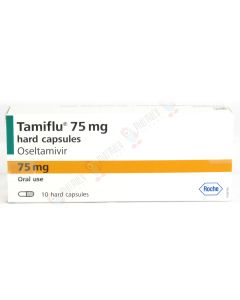
Tamiflu (Oseltamivir) is an antiviral medication that blocks the actions of ...
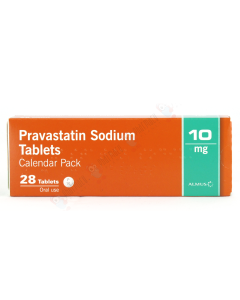
Pravastatin is a high cholesterol treatment in tablet form. This medicine h ...
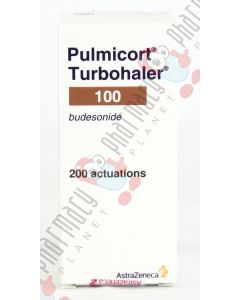
The Pulmicort Turbohaler is an inhaler designed for long-term asthma and CO ...
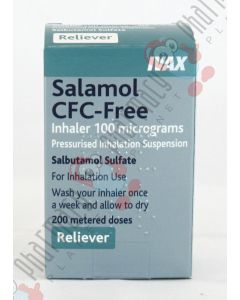
Salamol 100 mcg inhaler is used to relieve breathing difficulties caused by ...
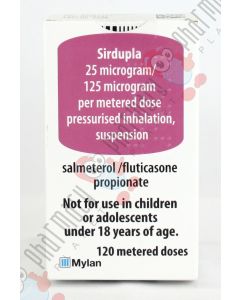
The Sirdupla Inhaler is a prescription combination inhaler that can be used ...
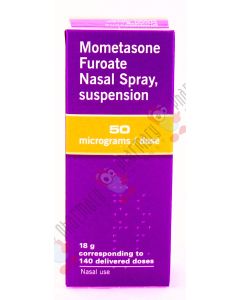
Nasonex nasal spray can effectively treat and prevent the symptoms of aller ...
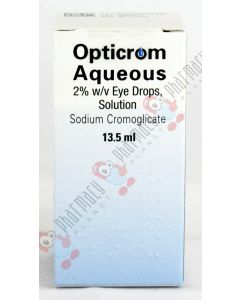
Opticrom aqueous eye drops provide quick relief from allergy symptoms which ...
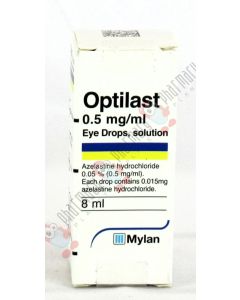
Optilast eye drop solution provides quick relief from allergic conjunctivit ...
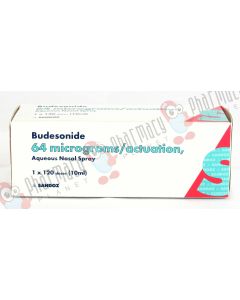
Rhinocort Aqueous nasal spray contains budesonide, which belongs to a group ...
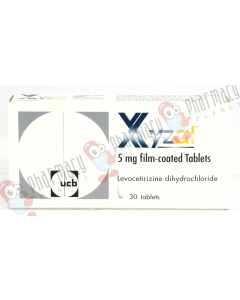
Levocetirizine Xyzal is a third-generation antihistamine derived from cetir ...
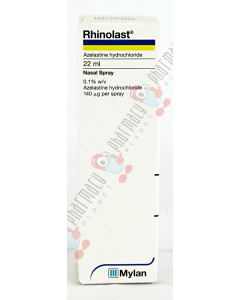
Rhinolast contains the active substance, azelastine hydrochloride, which be ...
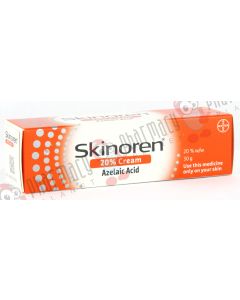
Skinoren is a treatment that works against bacteria to fight acne. It is ap ...
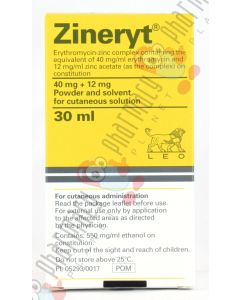
Zineryt Lotion is an excellent choice for individuals suffering from modera ...
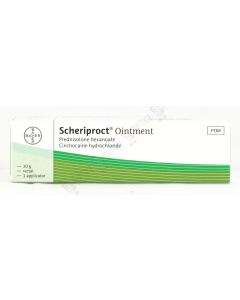
Scheriproct is a treatment for hemorrhoids. It contains two active ingredie ...
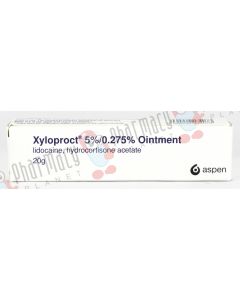
Xyloproct is a treatment for hemorrhoids. It comes in the form of an ointme ...
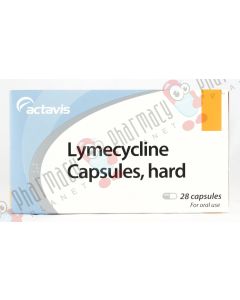
Tetralysal or Lymecycline is an antibacterial medication, well known for it ...
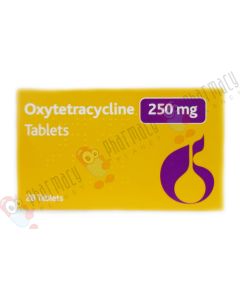
Oxytetracycline is an oral, anti-inflammatory antibiotic used in the proces ...
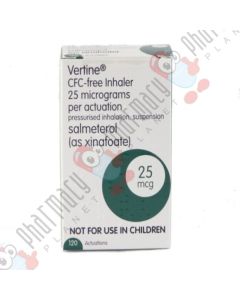
Salmeterol is an inhaler that is used to help prevent and control asthma an ...
Start your journey with us
Need Help?

Do you have a question about weight loss treatment?
Start your weight loss journey heading in the right direction. Our team are here to help. Whether you’re unsure about which medicine is right for you or need help navigating the world of weight loss drugs, our team are on hand to help you make the right decision. We can put you in touch with one of our experienced weight loss clinicians so you can be sure you’re making the best decision with the most accurate information.
To get in touch, contact our Customer Service team on 0800 978 8956 or email headoffice@pharmacyplanet.com.
Meet the team







Review By
HARMINDER ‘HARMY’ KAUR
Last Updated On : Mar 13 2026
BSc(hons) Pharmacy
GPhC Number: 2061107

Authored By
GURDEV SEHMI
Last Reviewed On : Mar 23 2026
BSc Pharm, MRPharmS, Independent Prescriber, Superintendent Pharmacist, Clinical Lead
GPhC Number: 2050925


