



Bhupinder (Boo) Dhaliwale
SORBSAN Ribbon
Sorbsan Ribbon is a sterile, non-woven, calcium alginate cavity wound dressing, high in Mannuronic acid and low in Guluronic acid.

Consult

Select

Checkout
01
Select
the items you wish
to order
02
Order reviewed
by our qualified
prescriber
03
Delivered
to your door step
Your Selection
Please use the options provided to make your final selection.

SORBSAN Ribbon
£16.99
Total
Price Comparison
Select your preferred options and see the best price
| Pack | Price (£) | ||
|---|---|---|---|
| - | 40cm | 5 | 16.99 |
It looks like you missed filling in questions from the last consultation.Click Here to submit your response.

No subscriptions or hidden fees

Secure checkout

UK Regulated online pharmacy

Trusted by over 250,000+ happy customers
Sorbsan Ribbon | Calcium Alginate Ribbon Dressing for Cavity Wound Management
IMPORTANT: Sorbsan Ribbon must always be introduced loosely into the wound space. Never pack tightly. Overpacking prevents wound contraction and can damage granulation tissue. Always leave a visible tail of the ribbon extending beyond the wound entrance for safe retrieval. Full retrieval must be confirmed and documented at every dressing change.
Some wound cavities are wider or more elongated than can be managed with a round rope packing material but are not large enough to accommodate a flat pad dressing. A flat ribbon of calcium alginate can be folded and introduced into a broader cavity space, laying flat against the wound walls and providing wider contact coverage than a rope while still fitting into wound spaces inaccessible to a full-size dressing pad. Sorbsan Ribbon is a calcium alginate ribbon dressing from Aspen Medical Europe for cavity and wound margin management. 40cm. Requires secondary dressing. No prescription required.
What Is Sorbsan Ribbon?
Sorbsan Ribbon is a regulated medical device from Aspen Medical Europe. It is a flat ribbon of calcium alginate fibres, 40cm in length, forming a wider but still flexible format that can be introduced into wound cavities, wound margin areas, and wound spaces where a broader contact surface than a round rope provides better clinical coverage. Sorbsan Ribbon uses the same calcium alginate ion exchange mechanism as the Sorbsan Dressing flat pad and the Sorbsan Packing rope: on contact with wound exudate, calcium ions in the alginate fibres are exchanged for sodium ions from the exudate, converting the ribbon from a dry fibrous material into a soft, conformable gel within the wound space.
The flat ribbon format sits differently within a wound cavity compared with a round rope. A rope packing material sits as a cylinder within the cavity, touching the wound walls at limited contact points. A ribbon, when loosely introduced, lies flat and drapes along the wound cavity, providing broader contact between the alginate material and the wound walls and base. This broader contact can be advantageous in shallower or wider cavities where the round rope format might not conform as well to the wound geometry.
At 40cm, Sorbsan Ribbon is 10cm longer than Sorbsan Packing (30cm), providing additional length for managing longer cavity dimensions or for situations where the wound space requires a greater length of alginate material to be adequately packed. The 40cm ribbon can be cut to a shorter length where the wound cavity requires less material, with the cut length documented for retrieval confirmation at the next change.
Sorbsan Ribbon shares the mild haemostatic properties of the calcium alginate range through the release of calcium ions during the ion exchange process. A secondary dressing must always be applied over the wound entrance after the ribbon has been introduced into the cavity.
Sorbsan Ribbon must always be covered by an appropriate secondary dressing after the wound entrance is packed. Do not leave the packed wound open between changes. Document the length of ribbon introduced at each dressing change so that full retrieval can be confirmed. If a dry wound cavity requires packing, moisten the ribbon with sterile saline before introduction to initiate gel formation.
How Sorbsan Ribbon Works
Calcium Alginate Ion Exchange
The calcium alginate fibres in Sorbsan Ribbon contain calcium ions at their binding sites. Wound exudate is rich in sodium ions. When the ribbon contacts exudate within the wound cavity, sodium ions from the exudate displace the calcium ions from the alginate binding sites. The calcium ions are released into the wound environment, and the resulting sodium alginate is water-soluble and absorbs moisture, converting the dry fibrous ribbon into a soft gel. This gel forms progressively along the ribbon length as wound fluid contacts it during the wear period.
Broad Contact Within the Wound Space
The flat ribbon format allows Sorbsan Ribbon to drape along the wound cavity surface. In a wider or shallower cavity, the ribbon can be folded or layered to fill the wound space while maintaining the same loose packing principle. The broader surface contact of the flat ribbon compared with a round rope means more alginate fibre area is in contact with the wound walls per unit length of material, potentially supporting more even exudate absorption and more consistent gel formation across the wound cavity surface.
Exudate Absorption and Moist Wound Environment
As the ribbon gels within the wound space, it absorbs wound exudate produced within the cavity. This absorption prevents exudate accumulation within the wound, which would otherwise create a bacterial growth environment and delay healing. The gel that forms maintains a moist wound healing environment throughout the depth and width of the cavity, supporting granulation tissue formation and progressive wound contraction from the wound base upward through the wound volume.
Retrieval as a Gel Mass
At dressing change, the gelled ribbon can be retrieved from the wound space by gently pulling the accessible tail. The gel state of the ribbon at removal reduces adherence to the wound walls and granulation tissue, allowing atraumatic retrieval in most cases. Any residual gel within the wound space after removal is irrigated away with sterile saline before fresh ribbon is introduced. If the ribbon has not fully gelled and is beginning to adhere, moistening with sterile saline before retrieval facilitates removal without trauma.
How to Apply Sorbsan Ribbon
Assessment and Preparation
- Assess the wound cavity dimensions, including width, depth, and length, before selecting and cutting the ribbon to the appropriate length.
- Irrigate the wound cavity with sterile saline before introducing the ribbon.
- If the wound cavity is dry, moisten the Sorbsan Ribbon with sterile saline before introduction.
Introducing the Ribbon
- Guide the ribbon loosely into the wound cavity.
- In wider cavities, the ribbon may be folded or gently layered to fill the cavity space without compression.
- Pack LOOSELY at all times. Do not compress or fill the cavity tightly.
- Leave a visible tail of the ribbon extending clearly beyond the wound entrance.
- Document the length and configuration of the ribbon introduced at each dressing change.
CRITICAL: Pack loosely. Leave a tail outside the wound at all times. Confirm and document full retrieval at every dressing change before introducing new ribbon. Retained wound dressing material is a clinical incident.
Secondary Dressing and Completion
- Apply an appropriate secondary dressing over the wound entrance.
- Secure the secondary dressing in place.
Removal
- Remove the secondary dressing first.
- Gently pull the accessible tail to retrieve the ribbon from the wound space.
- If the ribbon is adhering, moisten with sterile saline before retrieval.
- Confirm full retrieval against the length documented at the previous change.
- Irrigate the wound cavity with sterile saline before applying fresh dressing.
Pack Size
Sorbsan Ribbon 40cm
Each Sorbsan Ribbon is supplied as a 40cm length of calcium alginate ribbon in individual sterile packaging. The 40cm length accommodates most wound cavity dimensions that benefit from a ribbon format, with excess trimmed where a shorter length is more appropriate. Cut lengths must be documented. Where the full cavity volume requires more than 40cm of ribbon material, additional ribbons may be used, each counted, documented, and confirmed as fully retrieved at the next dressing change.
Safety Information and Precautions
Critical Safety Requirements
- Pack loosely at all times.
- Leave a visible tail outside the wound entrance.
- Document the length and number of pieces introduced at each change.
- Confirm full retrieval at every dressing change before introducing new material.
When Not to Use Sorbsan Ribbon
- Dry wound cavities without exudate, where the ribbon cannot gel. Moisten with saline if the wound is beginning to produce exudate.
- Wound spaces where full retrieval cannot be guaranteed.
- Third degree burns without specialist clinical direction.
- Known sensitivity to alginates or materials derived from seaweed.
Adverse Effects
- Retained ribbon if retrieval is not confirmed at each change.
- Pressure damage to cavity walls if the wound is packed too tightly.
- Skin sensitivity to alginate material in susceptible individuals.
Suitability
Wound Situations Where Sorbsan Ribbon Is Appropriate
- Wider or shallower wound cavities, where the flat ribbon format provides better cavity coverage than a round rope packing
- Elongated wound spaces where the 40cm ribbon length accommodates the wound dimensions
- Wound margin areas and undermined wound edges, where a flat ribbon can be folded into the undermined space
- Any exuding wound cavity where a clinician has selected a ribbon format as part of the wound management plan
Comparing the Three Sorbsan Formats
Aspen Medical Europe produces three Sorbsan formats for different wound types and anatomies. Sorbsan Dressing (flat pad) is for surface wounds where the dressing lies against the wound bed. Sorbsan Packing (rope, 30cm) is for deep narrow cavities, sinuses, and tunnels where the round rope can be introduced into tight-wound spaces. Sorbsan Ribbon (flat ribbon, 40cm) is for wider or shallower cavities where a flat ribbon provides broader wound wall contact than a rope. Both the rope and ribbon require the same loose packing technique and retrieval safety procedures.
Purchasing Sorbsan Ribbon
Sorbsan Ribbon does not require a prescription. The 40cm ribbon is available from Pharmacy Planet without a clinical consultation.
Cavity wound management with alginate ribbon requires assessment of wound dimensions and carries specific packing and retrieval safety requirements. Our pharmacists can advise on Sorbsan Ribbon and on selecting between the Sorbsan Packing and Ribbon formats.
For infected cavity wounds, wounds of unknown extent, or wounds not responding to packing treatment, seek clinical assessment from a tissue viability nurse or wound care specialist.
Storage
- Store in a cool, dry place away from direct heat and sunlight.
- Do not store above 25 degrees C.
- Keep in original sealed sterile packaging until immediately before use.
- Do not use if the packaging seal is broken.
- Check expiry date before use.
- Keep out of reach of children.
Why Choose Pharmacy Planet?
Pharmacy Planet is a GPhC registered online pharmacy. Sorbsan Ribbon is a genuine Aspen Medical Europe product stocked through regulated UK supply chains.
Our pharmacists can advise on the full Sorbsan range, including the flat pad dressing, packing rope, and ribbon for different wound presentations.
References
- Aspen Medical Europe. Sorbsan Ribbon — Product Information. Aspen Medical Europe. https://www.aspenmedicaleurope.com. Accessed June 2026.
- National Institute for Health and Care Excellence. Wound care products: selection and prescribing. https://www.nice.org.uk. Accessed June 2026.
- NHS. Wound management: cavity wounds and packing. NHS England. https://www.england.nhs.uk. Accessed June 2026.
- Wounds UK. Best Practice Statement: Wound bed preparation. https://www.wounds-uk.com. Accessed June 2026.
Sorbsan Ribbon
IMPORTANT: Sorbsan Ribbon must always be introduced loosely into the wound space. Never pack tightly. Overpacking prevents wound contraction and can damage granulation tissue. Always leave a visible tail of the ribbon extending beyond the wound entrance for safe retrieval. Full retrieval must be confirmed and documented at every dressing change.
Some wound cavities are wider or more elongated than can be managed with a round rope packing material but are not large enough to accommodate a flat pad dressing. A flat ribbon of calcium alginate can be folded and introduced into a broader cavity space, laying flat against the wound walls and providing wider contact coverage than a rope while still fitting into wound spaces inaccessible to a full-size dressing pad. Sorbsan Ribbon is a calcium alginate ribbon dressing from Aspen Medical Europe for cavity and wound margin management. 40cm. Requires secondary dressing. No prescription required.
Sorbsan Ribbon is a regulated medical device from Aspen Medical Europe. It is a flat ribbon of calcium alginate fibres, 40cm in length, forming a wider but still flexible format that can be introduced into wound cavities, wound margin areas, and wound spaces where a broader contact surface than a round rope provides better clinical coverage. Sorbsan Ribbon uses the same calcium alginate ion exchange mechanism as the Sorbsan Dressing flat pad and the Sorbsan Packing rope: on contact with wound exudate, calcium ions in the alginate fibres are exchanged for sodium ions from the exudate, converting the ribbon from a dry fibrous material into a soft, conformable gel within the wound space.
The flat ribbon format sits differently within a wound cavity compared with a round rope. A rope packing material sits as a cylinder within the cavity, touching the wound walls at limited contact points. A ribbon, when loosely introduced, lies flat and drapes along the wound cavity, providing broader contact between the alginate material and the wound walls and base. This broader contact can be advantageous in shallower or wider cavities where the round rope format might not conform as well to the wound geometry.
At 40cm, Sorbsan Ribbon is 10cm longer than Sorbsan Packing (30cm), providing additional length for managing longer cavity dimensions or for situations where the wound space requires a greater length of alginate material to be adequately packed. The 40cm ribbon can be cut to a shorter length where the wound cavity requires less material, with the cut length documented for retrieval confirmation at the next change.
Sorbsan Ribbon shares the mild haemostatic properties of the calcium alginate range through the release of calcium ions during the ion exchange process. A secondary dressing must always be applied over the wound entrance after the ribbon has been introduced into the cavity.
Sorbsan Ribbon must always be covered by an appropriate secondary dressing after the wound entrance is packed. Do not leave the packed wound open between changes. Document the length of ribbon introduced at each dressing change so that full retrieval can be confirmed. If a dry wound cavity requires packing, moisten the ribbon with sterile saline before introduction to initiate gel formation.
Calcium Alginate Ion Exchange
The calcium alginate fibres in Sorbsan Ribbon contain calcium ions at their binding sites. Wound exudate is rich in sodium ions. When the ribbon contacts exudate within the wound cavity, sodium ions from the exudate displace the calcium ions from the alginate binding sites. The calcium ions are released into the wound environment, and the resulting sodium alginate is water-soluble and absorbs moisture, converting the dry fibrous ribbon into a soft gel. This gel forms progressively along the ribbon length as wound fluid contacts it during the wear period.
Broad Contact Within the Wound Space
The flat ribbon format allows Sorbsan Ribbon to drape along the wound cavity surface. In a wider or shallower cavity, the ribbon can be folded or layered to fill the wound space while maintaining the same loose packing principle. The broader surface contact of the flat ribbon compared with a round rope means more alginate fibre area is in contact with the wound walls per unit length of material, potentially supporting more even exudate absorption and more consistent gel formation across the wound cavity surface.
Exudate Absorption and Moist Wound Environment
As the ribbon gels within the wound space, it absorbs wound exudate produced within the cavity. This absorption prevents exudate accumulation within the wound, which would otherwise create a bacterial growth environment and delay healing. The gel that forms maintains a moist wound healing environment throughout the depth and width of the cavity, supporting granulation tissue formation and progressive wound contraction from the wound base upward through the wound volume.
Retrieval as a Gel Mass
At dressing change, the gelled ribbon can be retrieved from the wound space by gently pulling the accessible tail. The gel state of the ribbon at removal reduces adherence to the wound walls and granulation tissue, allowing atraumatic retrieval in most cases. Any residual gel within the wound space after removal is irrigated away with sterile saline before fresh ribbon is introduced. If the ribbon has not fully gelled and is beginning to adhere, moistening with sterile saline before retrieval facilitates removal without trauma.
Assessment and Preparation
- Assess the wound cavity dimensions, including width, depth, and length, before selecting and cutting the ribbon to the appropriate length.
- Irrigate the wound cavity with sterile saline before introducing the ribbon.
- If the wound cavity is dry, moisten the Sorbsan Ribbon with sterile saline before introduction.
Introducing the Ribbon
- Guide the ribbon loosely into the wound cavity.
- In wider cavities, the ribbon may be folded or gently layered to fill the cavity space without compression.
- Pack LOOSELY at all times. Do not compress or fill the cavity tightly.
- Leave a visible tail of the ribbon extending clearly beyond the wound entrance.
- Document the length and configuration of the ribbon introduced at each dressing change.
CRITICAL: Pack loosely. Leave a tail outside the wound at all times. Confirm and document full retrieval at every dressing change before introducing new ribbon. Retained wound dressing material is a clinical incident.
Secondary Dressing and Completion
- Apply an appropriate secondary dressing over the wound entrance.
- Secure the secondary dressing in place.
Removal
- Remove the secondary dressing first.
- Gently pull the accessible tail to retrieve the ribbon from the wound space.
- If the ribbon is adhering, moisten with sterile saline before retrieval.
- Confirm full retrieval against the length documented at the previous change.
- Irrigate the wound cavity with sterile saline before applying fresh dressing.
Sorbsan Ribbon 40cm
Each Sorbsan Ribbon is supplied as a 40cm length of calcium alginate ribbon in individual sterile packaging. The 40cm length accommodates most wound cavity dimensions that benefit from a ribbon format, with excess trimmed where a shorter length is more appropriate. Cut lengths must be documented. Where the full cavity volume requires more than 40cm of ribbon material, additional ribbons may be used, each counted, documented, and confirmed as fully retrieved at the next dressing change.
Critical Safety Requirements
- Pack loosely at all times.
- Leave a visible tail outside the wound entrance.
- Document the length and number of pieces introduced at each change.
- Confirm full retrieval at every dressing change before introducing new material.
When Not to Use Sorbsan Ribbon
- Dry wound cavities without exudate, where the ribbon cannot gel. Moisten with saline if the wound is beginning to produce exudate.
- Wound spaces where full retrieval cannot be guaranteed.
- Third degree burns without specialist clinical direction.
- Known sensitivity to alginates or materials derived from seaweed.
Adverse Effects
- Retained ribbon if retrieval is not confirmed at each change.
- Pressure damage to cavity walls if the wound is packed too tightly.
- Skin sensitivity to alginate material in susceptible individuals.
Wound Situations Where Sorbsan Ribbon Is Appropriate
- Wider or shallower wound cavities, where the flat ribbon format provides better cavity coverage than a round rope packing
- Elongated wound spaces where the 40cm ribbon length accommodates the wound dimensions
- Wound margin areas and undermined wound edges, where a flat ribbon can be folded into the undermined space
- Any exuding wound cavity where a clinician has selected a ribbon format as part of the wound management plan
Comparing the Three Sorbsan Formats
Aspen Medical Europe produces three Sorbsan formats for different wound types and anatomies. Sorbsan Dressing (flat pad) is for surface wounds where the dressing lies against the wound bed. Sorbsan Packing (rope, 30cm) is for deep narrow cavities, sinuses, and tunnels where the round rope can be introduced into tight-wound spaces. Sorbsan Ribbon (flat ribbon, 40cm) is for wider or shallower cavities where a flat ribbon provides broader wound wall contact than a rope. Both the rope and ribbon require the same loose packing technique and retrieval safety procedures.
Sorbsan Ribbon does not require a prescription. The 40cm ribbon is available from Pharmacy Planet without a clinical consultation.
Cavity wound management with alginate ribbon requires assessment of wound dimensions and carries specific packing and retrieval safety requirements. Our pharmacists can advise on Sorbsan Ribbon and on selecting between the Sorbsan Packing and Ribbon formats.
For infected cavity wounds, wounds of unknown extent, or wounds not responding to packing treatment, seek clinical assessment from a tissue viability nurse or wound care specialist.
- Store in a cool, dry place away from direct heat and sunlight.
- Do not store above 25 degrees C.
- Keep in original sealed sterile packaging until immediately before use.
- Do not use if the packaging seal is broken.
- Check expiry date before use.
- Keep out of reach of children.
Pharmacy Planet is a GPhC registered online pharmacy. Sorbsan Ribbon is a genuine Aspen Medical Europe product stocked through regulated UK supply chains.
Our pharmacists can advise on the full Sorbsan range, including the flat pad dressing, packing rope, and ribbon for different wound presentations.
References
- Aspen Medical Europe. Sorbsan Ribbon — Product Information. Aspen Medical Europe. https://www.aspenmedicaleurope.com. Accessed June 2026.
- National Institute for Health and Care Excellence. Wound care products: selection and prescribing. https://www.nice.org.uk. Accessed June 2026.
- NHS. Wound management: cavity wounds and packing. NHS England. https://www.england.nhs.uk. Accessed June 2026.
- Wounds UK. Best Practice Statement: Wound bed preparation. https://www.wounds-uk.com. Accessed June 2026.
Frequently Asked Questions
Sorbsan Ribbon is a 40cm flat calcium alginate ribbon from Aspen Medical Europe for managing wider or shallower wound cavities, elongated wound spaces, and undermined wound areas. The flat ribbon format provides broader contact with the wound walls than a round rope. Same calcium alginate gel forming mechanism as Sorbsan Packing and Sorbsan Dressing. Loose packing and retrieval tail required. Secondary dressing required. No prescription.
Both are calcium alginate cavity wound dressings from Aspen Medical Europe using the same ion exchange gel forming mechanism. Sorbsan Packing is a round rope format (30cm) suited to deep narrow cavities, sinuses, and tunnel wounds. Sorbsan Ribbon is a flat ribbon format (40cm) suited to wider or shallower cavities, where the flat format provides better coverage. Both require loose packing and a retrieval tail left outside the wound. The choice depends on the wound cavity shape and depth.
Cavity wounds heal by contracting progressively from the wound base upward. Tight packing fills the wound space with material and physically blocks the wound from contracting, stopping the healing process. Tight packing also compresses the granulation tissue forming on the cavity walls, which can cause pressure damage. Loose packing contacts the wound walls without compressing them, absorbs exudate, maintains a moist healing environment, and allows normal wound contraction to proceed.
The tail provides the means to retrieve the full length of ribbon from the wound at each change. Without a visible tail, ribbon introduced into a deep or irregular wound cavity cannot be reliably retrieved, creating a risk of retained dressing material in the wound. Retained wound packing causes infection and delays healing and is a clinical incident. Document the length introduced, leave the tail, and confirm full retrieval at every change before introducing new ribbon.
Yes. If the wound cavity requires less than 40cm of ribbon, the ribbon can be cut to the appropriate length before introduction. The cut length must be documented at the dressing change so that the same length can be confirmed as fully retrieved at the next change. If the wound requires more than 40cm, additional ribbons may be used, with each piece counted, documented, and confirmed at retrieval.
Sorbsan Dressing is a flat pad dressing for surface wounds where the dressing lies against the wound bed and a secondary dressing is applied over it. Sorbsan Ribbon is a long flat ribbon introduced into wound cavities, wound margins, or undermined areas that a flat pad cannot reach. Both are calcium alginate products from Aspen Medical Europe. Choose the flat pad for surface wounds and the ribbon for wound spaces that require packing.
No. Sorbsan Ribbon requires wound exudate to activate the ion exchange and gel forming process. In a dry cavity, the ribbon cannot gel and may adhere to the wound walls, causing trauma on removal. If a cavity wound is very dry or just beginning to produce exudate, moisten the ribbon with sterile saline before introduction to initiate gel formation. For primarily dry wounds, a hydrogel dressing is more appropriate as a first step before transitioning to an alginate once exudate levels increase.
No. Sorbsan Ribbon is a regulated medical device and does not require a prescription. The 40cm ribbon is available from Pharmacy Planet without a clinical consultation. For infected cavity wounds, wounds of unknown depth or extent, or wounds not responding to packing, seek clinical assessment from a tissue viability nurse or wound care specialist.
How it works

Complete our online
clinical consultation
clinical consultation
Answer a few questions on your health and your fitness goals.

Clinical
assessment
assessment
Our clinicians will review your clinical questionnaire to make sure treatment is right for you.
Welcome
aboard!
aboard!
Once approved, you will access our wealth of experience and resources curated by our team and begin your clinical journey.
Treatment options
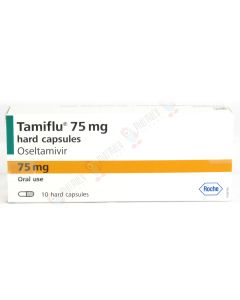
Tamiflu (Oseltamivir) is an antiviral medication that blocks the actions of ...
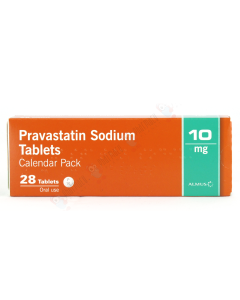
Pravastatin is a high cholesterol treatment in tablet form. This medicine h ...
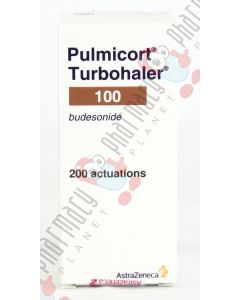
The Pulmicort Turbohaler is an inhaler designed for long-term asthma and CO ...
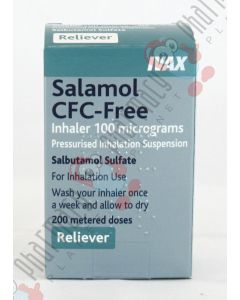
Salamol 100 mcg inhaler is used to relieve breathing difficulties caused by ...
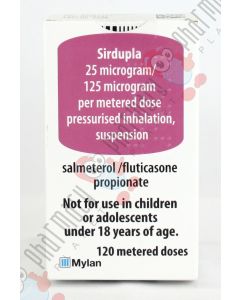
The Sirdupla Inhaler is a prescription combination inhaler that can be used ...
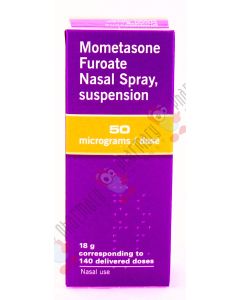
Nasonex nasal spray can effectively treat and prevent the symptoms of aller ...
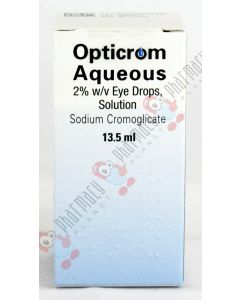
Opticrom aqueous eye drops provide quick relief from allergy symptoms which ...
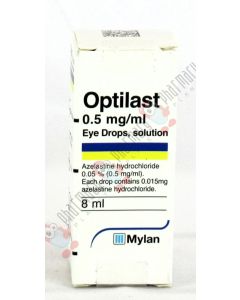
Optilast eye drop solution provides quick relief from allergic conjunctivit ...
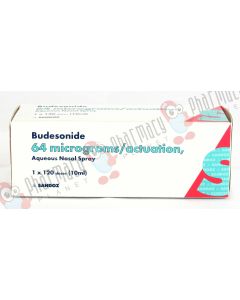
Rhinocort Aqueous nasal spray contains budesonide, which belongs to a group ...
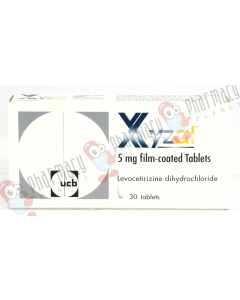
Levocetirizine Xyzal is a third-generation antihistamine derived from cetir ...
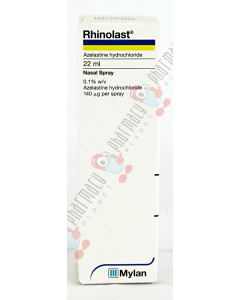
Rhinolast contains the active substance, azelastine hydrochloride, which be ...
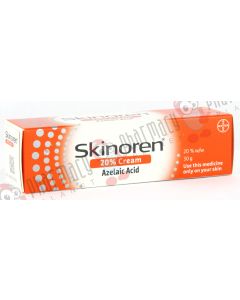
Skinoren is a treatment that works against bacteria to fight acne. It is ap ...
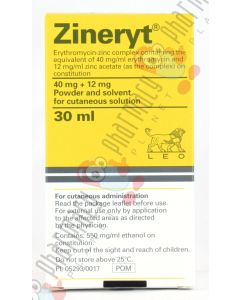
Zineryt Lotion is an excellent choice for individuals suffering from modera ...
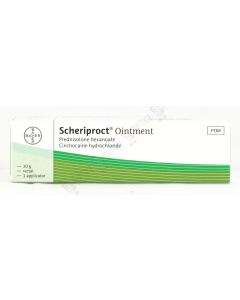
Scheriproct is a treatment for hemorrhoids. It contains two active ingredie ...
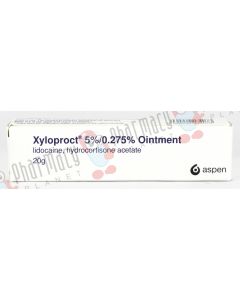
Xyloproct is a treatment for hemorrhoids. It comes in the form of an ointme ...
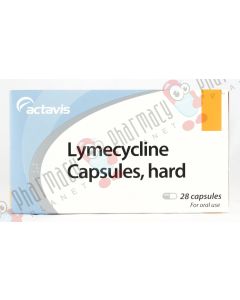
Tetralysal or Lymecycline is an antibacterial medication, well known for it ...
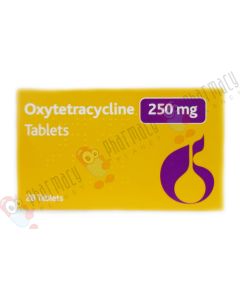
Oxytetracycline is an oral, anti-inflammatory antibiotic used in the proces ...
Salmeterol is an inhaler that is used to help prevent and control asthma an ...
Start your journey with us
Need Help?

Do you have a question about weight loss treatment?
Start your weight loss journey heading in the right direction. Our team are here to help. Whether you’re unsure about which medicine is right for you or need help navigating the world of weight loss drugs, our team are on hand to help you make the right decision. We can put you in touch with one of our experienced weight loss clinicians so you can be sure you’re making the best decision with the most accurate information.
To get in touch, contact our Customer Service team on 0800 978 8956 or email headoffice@pharmacyplanet.com.
Meet the team







Review By
HARMINDER ‘HARMY’ KAUR
Last Updated On : Mar 13 2026
BSc(hons) Pharmacy
GPhC Number: 2061107

Authored By
GURDEV SEHMI
Last Reviewed On : Mar 23 2026
BSc Pharm, MRPharmS, Independent Prescriber, Superintendent Pharmacist, Clinical Lead
GPhC Number: 2050925


