



Bhupinder (Boo) Dhaliwale
TRICOTEX DRESSING
Tricotex dressings are constructed from knitted viscose rayon and are designed to act as an interface between ulcerating or granulating wounds and conventional absorptive dressings. The open knitted construction allows exudate to pass freely from the wound site. Disruption of the wound and its healing tissue is avoided by leaving Tricotex in place while the absorbent pads are changed as required. Being non-medicated, Tricotex dressings are unlikely to elicit any tissue reaction so are ideal for use on their own but can be used in conjunction with a medicament of choice. Tricotex dressings can be removed from the wound at any stage by gently stretching diagonal corners and lifting upwards from the edges.

TRICOTEX DRESSING
£39.49
Total
Starts at
£39.49
Price Comparison
Select your preferred options and see the best price
| Pack | Price (£) | ||
|---|---|---|---|
| - | 9.5m x 9.5m | 50 | 39.49 |
It looks like you missed filling in questions from the last consultation.Click Here to submit your response.
Notify me once available
Enter your email to get notified
Out of Stock

No subscriptions or hidden fees

Secure checkout

UK Regulated online pharmacy

Trusted by over 250,000+ happy customers
Tricotex Dressing | Knitted Viscose Wound Contact Dressing for General Wound Care
A wound contact dressing placed directly against the wound surface should allow exudate to pass through into the secondary dressing above while offering minimal resistance to removal. A dressing that adheres to the wound surface causes pain and disruption to the healing tissue when changed, delaying recovery and making routine dressing changes more difficult for both patient and clinician. A knitted open weave fabric provides a smooth, low-resistance surface against the wound bed through which exudate can drain freely. Tricotex Dressing is a knitted viscose wound contact dressing from Smith & Nephew. 9.5cm x 9.5cm. Requires secondary dressing. No prescription required.
What Is Tricotex Dressing?
Tricotex Dressing is a regulated medical device from Smith & Nephew. It is a wound contact layer made from knitted viscose fabric, applied directly to the wound surface as the innermost layer of a dressing system. The knitted open weave construction creates a smooth, relatively low adherent surface that sits against the wound bed, through which wound exudate passes upward into the secondary absorbent dressing applied over it.
Tricotex is a plain, unmedicated dressing. It does not contain paraffin, chlorhexidine, or any other impregnating substance. This distinguishes it from other knitted wound contact dressings in the Smith & Nephew range, such as Jelonet (paraffin-impregnated) and Bactigras (chlorhexidine-impregnated). Tricotex is the plain viscose option for situations where a low adherent wound contact layer is needed without the addition of any medicament. This makes it suitable for patients with sensitivity to paraffin or chlorhexidine, and for wound types where medicament-free contact is preferred.
The open weave structure of the knitted fabric allows wound fluid to move through the dressing. Exudate produced at the wound surface passes through the open knit and is absorbed by the secondary dressing above. This drainage reduces the accumulation of fluid at the wound surface, which if left would macerate the surrounding skin and delay healing. The secondary dressing absorbs and manages the exudate while Tricotex maintains a consistent low adherent interface with the wound bed.
Tricotex Dressing is supplied as a sterile 9.5cm x 9.5cm square pad, individually packaged. The square format is suited to a wide range of minor wound shapes and sizes. The dressing can be cut to fit if the wound shape requires a modified dimension.
Tricotex Dressing must always be covered by an appropriate secondary dressing. Do not leave Tricotex in place without secondary dressing cover. The secondary dressing absorbs the exudate that passes through the Tricotex and holds the wound contact layer in position. The choice of secondary dressing depends on the wound exudate level and the wound management objectives.
How Tricotex Dressing Works
Knitted Open Weave Construction
The knitted viscose fabric of Tricotex is constructed with an open weave pattern that creates a mesh-like structure across the dressing surface. The individual viscose fibres form smooth loops that lie flat against the wound surface. The smooth surface texture of the viscose loops reduces the mechanical interlocking between the dressing fibres and the wound tissue that causes wound contact dressings to adhere. The open spaces in the knit allow exudate to pass through the dressing plane without accumulating on the wound surface.
Low Adherent Wound Interface
The low adherent properties of Tricotex come from the combination of smooth viscose fibre surface and the open weave structure. Viscose has a naturally smooth fibre surface that does not readily interlock with wound granulation tissue or fibrin. The open weave means the dressing has a limited contact area against the wound surface compared with a dense woven or non-woven dressing, further reducing the overall adhesion between the dressing and the wound bed. At dressing change, the combination of smooth fibre and open weave allows the dressing to be lifted away from the wound with less resistance than a more densely constructed wound contact layer.
Exudate Drainage
Wound exudate produced at the wound surface passes upward through the open weave of Tricotex by capillary action and pressure from the wound. The open channels in the knitted structure allow this movement without obstruction. The exudate then reaches the secondary dressing above, which absorbs and manages it. This through-drainage prevents exudate pooling at the wound surface, maintaining the wound environment and reducing the risk of maceration of the periwound skin from exudate contact.
Unmedicated for Flexible Use
Because Tricotex contains no paraffin, chlorhexidine, or other active substance, its use is not restricted by the considerations that apply to medicated wound contact dressings. It can be used across a wide range of wound types without concerns about paraffin affecting secondary dressing performance or chlorhexidine sensitivity. The choice of Tricotex over a medicated alternative is straightforward for clinicians who prefer a plain low adherent contact layer.
How to Apply Tricotex Dressing
Wound Preparation
- Irrigate the wound with sterile saline before applying Tricotex.
- Remove any loose debris from the wound surface.
Application
- Open the sterile package immediately before use.
- Apply Tricotex directly to the wound surface, ensuring complete coverage of the wound.
- The dressing can be cut to size if the wound shape requires a modified dimension.
- Apply an appropriate secondary dressing over the Tricotex immediately.
- Secure the secondary dressing in place.
Change Frequency
- Change frequency depends on wound exudate level and the secondary dressing used.
- At each change, remove the secondary dressing first, then gently lift the Tricotex from the wound surface.
- If the Tricotex has adhered to the wound surface, moisten with sterile saline before removal.
Although Tricotex is designed as a low adherent wound contact dressing, it may adhere to a dry wound or to a wound with very low exudate. If the dressing feels as though it is adhering at change, moisten with sterile saline and allow it to soften before gentle removal. Do not pull forcefully on an adhering dressing.
Available Size
Tricotex Dressing 9.5cm x 9.5cm
Tricotex Dressing is available as a sterile 9.5cm x 9.5cm square wound contact pad. The square format suits minor wounds, post-surgical wound sites, abrasions, and superficial ulcer surfaces within the 9.5cm dimension. The dressing can be cut to a smaller dimension where the wound surface requires a modified size. Tricotex is supplied sterile in individual packaging.
Safety Information and Precautions
When Not to Use Tricotex
- Deep cavity wounds where a flat pad dressing cannot provide adequate wound contact at depth. A cavity wound dressing format is more appropriate.
- Heavily exuding wounds where a more absorbent primary dressing is clinically indicated.
- Known sensitivity to viscose or any component of the dressing.
Precautions
- Always cover with an appropriate secondary dressing.
- Moisten with saline before removal if the dressing has adhered.
- Reassess the wound at each change.
Adverse Effects
- Dressing adherence to the wound surface on dry or very low exudate wounds, potentially causing trauma on removal if not moistened first.
- Skin sensitivity to viscose fibre in susceptible individuals.
Suitability
Wound Types Where Tricotex Is Appropriate
- Minor acute wounds, including cuts, abrasions, and superficial lacerations, where a low adherent wound contact layer is needed
- Wounds following surgery where a plain wound contact layer is preferred over a medicated alternative
- Skin donor sites where a low adherent wound contact layer reduces pain and trauma at dressing changes
- Leg ulcers and other chronic wounds where the clinician has selected a plain knitted wound contact layer for the wound contact level
- Wounds where paraffin or chlorhexidine is not desired, either due to patient sensitivity or clinical preference for an unmedicated wound contact
Tricotex vs Other Knitted Wound Contact Dressings
Smith & Nephew produces three knitted wound contact dressings in this range. Tricotex is the plain unmedicated knitted viscose dressing for situations where a low adherent contact layer without any active substance is appropriate. Jelonet is the paraffin-impregnated version, where the paraffin provides additional low adherence and is suited to wounds where additional moisture at the wound interface is beneficial. Bactigras is the chlorhexidine-impregnated version for wounds where antimicrobial activity at the wound contact level is indicated. Select between the three based on whether the wound requires a plain contact layer, additional paraffin moisture, or antimicrobial activity.
Purchasing Tricotex Dressing
Tricotex Dressing does not require a prescription. The sterile 9.5cm x 9.5cm pad is available from Pharmacy Planet without a clinical consultation.
Our pharmacists can advise on Tricotex and on selecting between the Smith & Nephew knitted wound contact dressing range for different wound presentations.
For infected wounds, deep wounds, or wounds not responding to dressing treatment, seek clinical assessment alongside product purchase.
Storage
- Store in a cool, dry place away from direct heat and sunlight.
- Do not store above 25 degrees C.
- Keep in original sealed sterile packaging until immediately before use.
- Do not use if the packaging seal is broken.
- Check expiry date before use.
- Keep out of reach of children.
Why Choose Pharmacy Planet?
Pharmacy Planet is a GPhC registered online pharmacy. Tricotex Dressing is a genuine Smith & Nephew product stocked through regulated UK supply chains.
Our pharmacists can advise on Tricotex and on the full Smith & Nephew knitted wound contact dressing range, including Jelonet and Bactigras.
References
- Smith & Nephew. Tricotex Dressing — Product Information. Smith & Nephew. https://www.smith-nephew.com. Accessed June 2026.
- National Institute for Health and Care Excellence. Wound care products: selection and prescribing. https://www.nice.org.uk. Accessed June 2026.
- NHS. Wound management: dressing selection. NHS England. https://www.england.nhs.uk. Accessed June 2026.
Tricotex Dressing
A wound contact dressing placed directly against the wound surface should allow exudate to pass through into the secondary dressing above while offering minimal resistance to removal. A dressing that adheres to the wound surface causes pain and disruption to the healing tissue when changed, delaying recovery and making routine dressing changes more difficult for both patient and clinician. A knitted open weave fabric provides a smooth, low-resistance surface against the wound bed through which exudate can drain freely. Tricotex Dressing is a knitted viscose wound contact dressing from Smith & Nephew. 9.5cm x 9.5cm. Requires secondary dressing. No prescription required.
Tricotex Dressing is a regulated medical device from Smith & Nephew. It is a wound contact layer made from knitted viscose fabric, applied directly to the wound surface as the innermost layer of a dressing system. The knitted open weave construction creates a smooth, relatively low adherent surface that sits against the wound bed, through which wound exudate passes upward into the secondary absorbent dressing applied over it.
Tricotex is a plain, unmedicated dressing. It does not contain paraffin, chlorhexidine, or any other impregnating substance. This distinguishes it from other knitted wound contact dressings in the Smith & Nephew range, such as Jelonet (paraffin-impregnated) and Bactigras (chlorhexidine-impregnated). Tricotex is the plain viscose option for situations where a low adherent wound contact layer is needed without the addition of any medicament. This makes it suitable for patients with sensitivity to paraffin or chlorhexidine, and for wound types where medicament-free contact is preferred.
The open weave structure of the knitted fabric allows wound fluid to move through the dressing. Exudate produced at the wound surface passes through the open knit and is absorbed by the secondary dressing above. This drainage reduces the accumulation of fluid at the wound surface, which if left would macerate the surrounding skin and delay healing. The secondary dressing absorbs and manages the exudate while Tricotex maintains a consistent low adherent interface with the wound bed.
Tricotex Dressing is supplied as a sterile 9.5cm x 9.5cm square pad, individually packaged. The square format is suited to a wide range of minor wound shapes and sizes. The dressing can be cut to fit if the wound shape requires a modified dimension.
Tricotex Dressing must always be covered by an appropriate secondary dressing. Do not leave Tricotex in place without secondary dressing cover. The secondary dressing absorbs the exudate that passes through the Tricotex and holds the wound contact layer in position. The choice of secondary dressing depends on the wound exudate level and the wound management objectives.
Knitted Open Weave Construction
The knitted viscose fabric of Tricotex is constructed with an open weave pattern that creates a mesh-like structure across the dressing surface. The individual viscose fibres form smooth loops that lie flat against the wound surface. The smooth surface texture of the viscose loops reduces the mechanical interlocking between the dressing fibres and the wound tissue that causes wound contact dressings to adhere. The open spaces in the knit allow exudate to pass through the dressing plane without accumulating on the wound surface.
Low Adherent Wound Interface
The low adherent properties of Tricotex come from the combination of smooth viscose fibre surface and the open weave structure. Viscose has a naturally smooth fibre surface that does not readily interlock with wound granulation tissue or fibrin. The open weave means the dressing has a limited contact area against the wound surface compared with a dense woven or non-woven dressing, further reducing the overall adhesion between the dressing and the wound bed. At dressing change, the combination of smooth fibre and open weave allows the dressing to be lifted away from the wound with less resistance than a more densely constructed wound contact layer.
Exudate Drainage
Wound exudate produced at the wound surface passes upward through the open weave of Tricotex by capillary action and pressure from the wound. The open channels in the knitted structure allow this movement without obstruction. The exudate then reaches the secondary dressing above, which absorbs and manages it. This through-drainage prevents exudate pooling at the wound surface, maintaining the wound environment and reducing the risk of maceration of the periwound skin from exudate contact.
Unmedicated for Flexible Use
Because Tricotex contains no paraffin, chlorhexidine, or other active substance, its use is not restricted by the considerations that apply to medicated wound contact dressings. It can be used across a wide range of wound types without concerns about paraffin affecting secondary dressing performance or chlorhexidine sensitivity. The choice of Tricotex over a medicated alternative is straightforward for clinicians who prefer a plain low adherent contact layer.
Wound Preparation
- Irrigate the wound with sterile saline before applying Tricotex.
- Remove any loose debris from the wound surface.
Application
- Open the sterile package immediately before use.
- Apply Tricotex directly to the wound surface, ensuring complete coverage of the wound.
- The dressing can be cut to size if the wound shape requires a modified dimension.
- Apply an appropriate secondary dressing over the Tricotex immediately.
- Secure the secondary dressing in place.
Change Frequency
- Change frequency depends on wound exudate level and the secondary dressing used.
- At each change, remove the secondary dressing first, then gently lift the Tricotex from the wound surface.
- If the Tricotex has adhered to the wound surface, moisten with sterile saline before removal.
Although Tricotex is designed as a low adherent wound contact dressing, it may adhere to a dry wound or to a wound with very low exudate. If the dressing feels as though it is adhering at change, moisten with sterile saline and allow it to soften before gentle removal. Do not pull forcefully on an adhering dressing.
Tricotex Dressing 9.5cm x 9.5cm
Tricotex Dressing is available as a sterile 9.5cm x 9.5cm square wound contact pad. The square format suits minor wounds, post-surgical wound sites, abrasions, and superficial ulcer surfaces within the 9.5cm dimension. The dressing can be cut to a smaller dimension where the wound surface requires a modified size. Tricotex is supplied sterile in individual packaging.
When Not to Use Tricotex
- Deep cavity wounds where a flat pad dressing cannot provide adequate wound contact at depth. A cavity wound dressing format is more appropriate.
- Heavily exuding wounds where a more absorbent primary dressing is clinically indicated.
- Known sensitivity to viscose or any component of the dressing.
Precautions
- Always cover with an appropriate secondary dressing.
- Moisten with saline before removal if the dressing has adhered.
- Reassess the wound at each change.
Adverse Effects
- Dressing adherence to the wound surface on dry or very low exudate wounds, potentially causing trauma on removal if not moistened first.
- Skin sensitivity to viscose fibre in susceptible individuals.
Wound Types Where Tricotex Is Appropriate
- Minor acute wounds, including cuts, abrasions, and superficial lacerations, where a low adherent wound contact layer is needed
- Wounds following surgery where a plain wound contact layer is preferred over a medicated alternative
- Skin donor sites where a low adherent wound contact layer reduces pain and trauma at dressing changes
- Leg ulcers and other chronic wounds where the clinician has selected a plain knitted wound contact layer for the wound contact level
- Wounds where paraffin or chlorhexidine is not desired, either due to patient sensitivity or clinical preference for an unmedicated wound contact
Tricotex vs Other Knitted Wound Contact Dressings
Smith & Nephew produces three knitted wound contact dressings in this range. Tricotex is the plain unmedicated knitted viscose dressing for situations where a low adherent contact layer without any active substance is appropriate. Jelonet is the paraffin-impregnated version, where the paraffin provides additional low adherence and is suited to wounds where additional moisture at the wound interface is beneficial. Bactigras is the chlorhexidine-impregnated version for wounds where antimicrobial activity at the wound contact level is indicated. Select between the three based on whether the wound requires a plain contact layer, additional paraffin moisture, or antimicrobial activity.
Tricotex Dressing does not require a prescription. The sterile 9.5cm x 9.5cm pad is available from Pharmacy Planet without a clinical consultation.
Our pharmacists can advise on Tricotex and on selecting between the Smith & Nephew knitted wound contact dressing range for different wound presentations.
For infected wounds, deep wounds, or wounds not responding to dressing treatment, seek clinical assessment alongside product purchase.
- Store in a cool, dry place away from direct heat and sunlight.
- Do not store above 25 degrees C.
- Keep in original sealed sterile packaging until immediately before use.
- Do not use if the packaging seal is broken.
- Check expiry date before use.
- Keep out of reach of children.
Pharmacy Planet is a GPhC registered online pharmacy. Tricotex Dressing is a genuine Smith & Nephew product stocked through regulated UK supply chains.
Our pharmacists can advise on Tricotex and on the full Smith & Nephew knitted wound contact dressing range, including Jelonet and Bactigras.
References
- Smith & Nephew. Tricotex Dressing — Product Information. Smith & Nephew. https://www.smith-nephew.com. Accessed June 2026.
- National Institute for Health and Care Excellence. Wound care products: selection and prescribing. https://www.nice.org.uk. Accessed June 2026.
- NHS. Wound management: dressing selection. NHS England. https://www.england.nhs.uk. Accessed June 2026.
Frequently Asked Questions
Tricotex Dressing is a knitted viscose wound contact dressing from Smith & Nephew. Applied directly to the wound surface as the innermost layer of a dressing system, it provides a low adherent interface that allows exudate to drain through into the secondary dressing. Suitable for minor acute wounds, post-surgical sites, skin donor sites, and chronic wounds. 9.5cm x 9.5cm. Requires secondary dressing. No prescription required.
No. Both are knitted wound contact dressings from Smith & Nephew but they are different formulations. Tricotex is a plain unmedicated knitted viscose dressing. Jelonet is impregnated with paraffin, which provides additional moisture at the wound surface and enhances low adherence. Choose Tricotex for a plain wound contact layer without paraffin. Choose Jelonet where paraffin impregnation is clinically indicated or preferred. A third option, Bactigras, provides chlorhexidine antimicrobial activity at the wound contact level.
Yes. Tricotex is a wound contact layer and must always be covered by an appropriate secondary dressing. The secondary dressing absorbs the exudate that passes through the Tricotex knitted fabric from the wound below, holds the Tricotex in position, and provides cushioning and protection. Without a secondary dressing, exudate would not be managed and the Tricotex would not stay in place on the wound. The choice of secondary dressing depends on the wound exudate level.
A low adherent dressing is one that is designed to reduce or minimise sticking to the wound surface. Dressings that adhere to healing wounds pull on the wound bed when removed, causing pain and disrupting the granulation tissue and new skin cells that have formed. Tricotex achieves low adherence through its smooth knitted viscose fibre surface and open weave structure, both of which reduce the mechanical contact between the dressing fibres and the wound tissue. At dressing change, a low adherent dressing can be removed with less discomfort and less tissue disruption than an adherent dressing.
Yes. Tricotex can be cut to a smaller size where the wound shape requires a modified dimension. The dressing should be cut with clean scissors to the required size before application. Ensure the cut dressing still covers the full wound surface. For wounds larger than 9.5cm x 9.5cm, more than one dressing may be needed to provide complete coverage, or a larger dressing format may be more appropriate.
Although Tricotex is a low adherent dressing, it may adhere to a very dry wound or a wound with minimal exudate. If the dressing feels as though it is sticking at change, apply sterile saline to the dressing surface and allow a few minutes for the saline to soak through and soften any adherence before attempting removal. Do not pull the dressing away from an adhering wound surface. Gentle removal after moistening with saline is the appropriate approach.
Tricotex is an unmedicated wound contact dressing without antimicrobial properties. It is not specifically indicated for infected wounds. For wounds with confirmed or suspected infection, seek clinical assessment. An antimicrobial wound contact dressing, such as Bactigras (chlorhexidine-impregnated), or a separate antimicrobial dressing may be more appropriate for infected wounds. Tricotex is suited to clean or healing wounds where a plain low adherent contact layer is the appropriate choice.
No. Tricotex Dressing is a regulated medical device and does not require a prescription. The sterile 9.5cm x 9.5cm pad is available from Pharmacy Planet without a clinical consultation. For infected wounds, deep wounds, or wounds not responding to standard dressing treatment, seek clinical assessment.
How it works

Complete our online
clinical consultation
clinical consultation
Answer a few questions on your health and your fitness goals.

Clinical
assessment
assessment
Our clinicians will review your clinical questionnaire to make sure treatment is right for you.
Welcome
aboard!
aboard!
Once approved, you will access our wealth of experience and resources curated by our team and begin your clinical journey.
Treatment options
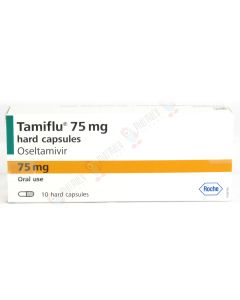
Tamiflu (Oseltamivir) is an antiviral medication that blocks the actions of ...
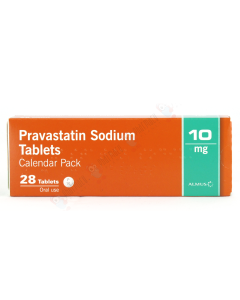
Pravastatin is a high cholesterol treatment in tablet form. This medicine h ...
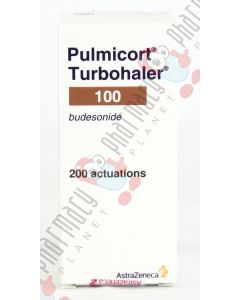
The Pulmicort Turbohaler is an inhaler designed for long-term asthma and CO ...
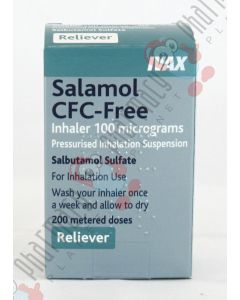
Salamol 100 mcg inhaler is used to relieve breathing difficulties caused by ...
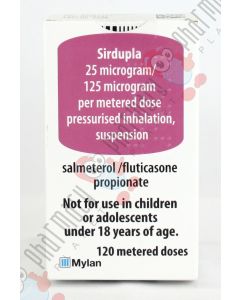
The Sirdupla Inhaler is a prescription combination inhaler that can be used ...
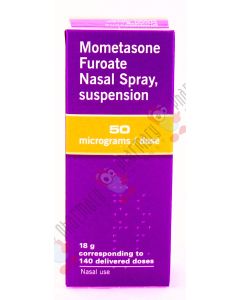
Nasonex nasal spray can effectively treat and prevent the symptoms of aller ...
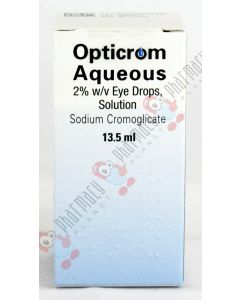
Opticrom aqueous eye drops provide quick relief from allergy symptoms which ...
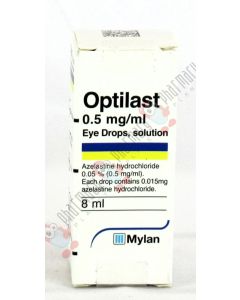
Optilast eye drop solution provides quick relief from allergic conjunctivit ...
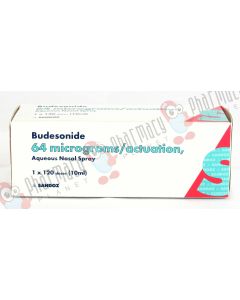
Rhinocort Aqueous nasal spray contains budesonide, which belongs to a group ...
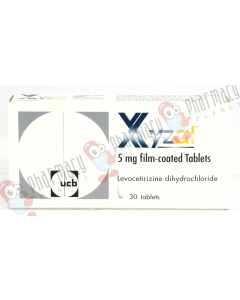
Levocetirizine Xyzal is a third-generation antihistamine derived from cetir ...
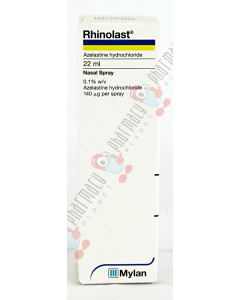
Rhinolast contains the active substance, azelastine hydrochloride, which be ...
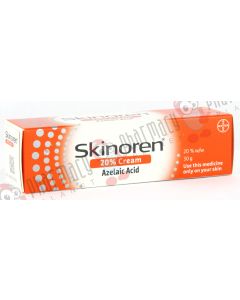
Skinoren is a treatment that works against bacteria to fight acne. It is ap ...
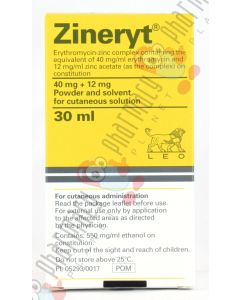
Zineryt Lotion is an excellent choice for individuals suffering from modera ...
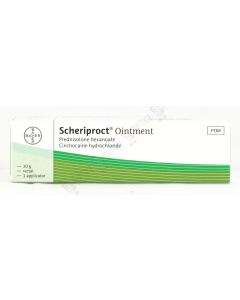
Scheriproct is a treatment for hemorrhoids. It contains two active ingredie ...
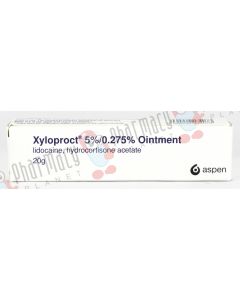
Xyloproct is a treatment for hemorrhoids. It comes in the form of an ointme ...
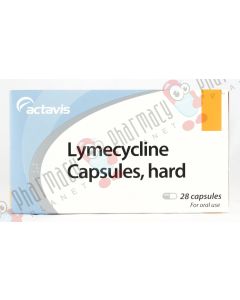
Tetralysal or Lymecycline is an antibacterial medication, well known for it ...
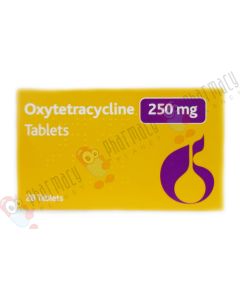
Oxytetracycline is an oral, anti-inflammatory antibiotic used in the proces ...
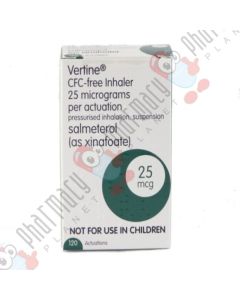
Salmeterol is an inhaler that is used to help prevent and control asthma an ...
Need Help?

Do you have a question about weight loss treatment?
Start your weight loss journey heading in the right direction. Our team are here to help. Whether you’re unsure about which medicine is right for you or need help navigating the world of weight loss drugs, our team are on hand to help you make the right decision. We can put you in touch with one of our experienced weight loss clinicians so you can be sure you’re making the best decision with the most accurate information.
To get in touch, contact our Customer Service team on 0800 978 8956 or email headoffice@pharmacyplanet.com.
Meet the team







Review By
HARMINDER ‘HARMY’ KAUR
Last Updated On : Mar 13 2026
BSc(hons) Pharmacy
GPhC Number: 2061107

Authored By
GURDEV SEHMI
Last Reviewed On : Mar 23 2026
BSc Pharm, MRPharmS, Independent Prescriber, Superintendent Pharmacist, Clinical Lead
GPhC Number: 2050925


