



Bhupinder (Boo) Dhaliwale
Apidra
Apidra is a rapid-acting insulin used to help manage blood sugar levels in people with type 1 and type 2 diabetes. It is commonly used in combination with long-acting insulin to provide all-day blood sugar management. Apidra should be injected just before or immediately after meals to ensure optimal effectiveness.

Consult

Select

Checkout
01
Select
the items you wish
to order
02
Order reviewed
by our qualified
prescriber
03
Delivered
to your door step
Your Selection
Please use the options provided to make your final selection.
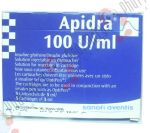
Apidra
£92
Total

You’re almost there!
It is the prescribers duty to ensure that the medicine is being used safely and appropriately. please answer a few questions about yourself to help us process your request.
- Manesha
Customer Service Team
Confidentiality & Authenticity Assured
- Fully Regulated UK Pharmacy
- Authentic UK sourced medicines only.
- Trading for more than 10 years.
- Information Governance lead ensures all data is confidential
Need Help With Your Questionnaire?
Our customer service team is on hand Monday-Friday to help you with your queries.
Please call us on 08009788956 or
email us at: headoffice@pharmacyplanet.com
Price Comparison
Select your preferred options and see the best price
| Pack | Price (£) | ||
|---|---|---|---|
| Cartridge 3ml | - | 10 | 173.00 |
| Cartridge 3ml | - | 5 | 92.00 |
| Solostar Prefilled Pens | - | 10 | 173.00 |
| Solostar Prefilled Pens | - | 5 | 92.00 |
It looks like you missed filling in questions from the last consultation.Click Here to submit your response.

No subscriptions or hidden fees

Secure checkout

UK Regulated online pharmacy

Trusted by over 250,000+ happy customers
What is Apidra?
Apidra is an antidiabetic agent, used to reduce the high blood sugar level in patients with diabetes mellitus. It can be administered to adults, adolescents and children from 6 years. Diabetes mellitus is a disease in which your body does not make enough insulin to control your blood sugar level.
How does it work?
Insulin glulisine is a recombinant human insulin analogue that is equipped to regular human insulin. Insulin glulisine has a faster onset of action and a shorter duration of action than regular human insulin.
The main activity of insulins and insulin analogues, where insulin glulisine is included, is the regulation of glucose metabolism. Insulins reduce blood glucose levels by stimulating peripheral glucose uptake, especially from skeletal muscle and fat, and by inhibiting hepatic glucose production. Insulin inhibits lipolysis in the adipocyte, inhibits proteolysis, and increases protein synthesis.
Studies in healthy volunteers and in patients with diabetes showed that insulin glulisine has a faster onset of action and a shorter duration of action than regular human insulin when administered subcutaneously. When insulin glulisine is injected subcutaneously, the glucose-lowering activity would begin in 10-20 minutes. After intravenous administration, faster onset and shorter duration of action, as well as a higher peak response compared to subcutaneous administration, were observed. The glucose-lowering activities of insulin glulisine and regular human insulin are equipotent when administered intravenously.
An insulin glulisine unit has the same glucose-lowering activity as a regular human insulin unit.
What are the benefits of taking it?
Apidra is obtained by biotechnology. It has a fast onset of action in 10-20 minutes and a short duration of action, around 4 hours.
How do I use it and its dosage?
Always use this medicine exactly as your doctor has told you. If in doubt, consult your doctor or pharmacist again.
Your doctor will also determine the dose of Apidra you need based on your lifestyle and the results of your blood sugar (glucose) checks and your previous insulin treatment.
Apidra is a short-acting insulin. Your doctor may direct you to use it in combination with an intermediate-acting, long-acting insulin, basal insulin, or with tablets used to treat high blood sugar levels.
If you switch from another insulin to insulin glulisine, your dose may need to be adjusted by your doctor.
Many factors can influence your blood sugar level. You should be aware of these factors as this will allow you to react correctly to changes in your blood sugar level, and to prevent it from rising or falling too low.
Administration form
Apidra is injected under the skin (subcutaneously).
Your doctor will show you in which area of the skin you should inject Apidra. Apidra can be injected into the abdominal wall, thigh, or upper arm, or by continuous perfusion into the abdominal wall. The effect will be slightly faster if insulin is injected into your abdomen. As with other insulins, injection, and infusion sites within an injection area (abdomen, thigh, or upper arm) should rotate from injection to injection.
Administration frequency
Apidra should be administered shortly (0-15 min) before or shortly after meals.
Side effects & precautions
Like all medicines, this diabetes medication can cause side effects, although not everybody gets them.
Serious side effects
Hypoglycemia (low blood sugar levels) can be very serious. Hypoglycemia is a very frequently observed side effect (it can affect more than 1 in 10 patients).
Hypoglycemia (low blood sugar levels) means that you do not have enough blood sugar. If your blood sugar level drops too low, you may lose consciousness. Severe hypoglycemia can damage the brain and can be life-threatening. If you have symptoms of low blood sugar, take immediate action to raise your blood sugar.
If you experience the following symptoms, contact your doctor immediately:
Systemic allergic reactions are uncommonly observed side effects (may affect up to 1 in 100 patients).
Generalized insulin allergy: Related symptoms may include large-scale skin reactions (rash and itching throughout the body), severe swelling of the skin or mucous membranes (angioedema), difficulty breathing, decreased blood pressure with fast heartbeat and sweating. These can be the symptoms of severe cases of generalized insulin allergy, including a life-threatening anaphylactic reaction.
Hyperglycemia (high blood sugar levels) means there is too much sugar in the blood.
The frequency of hyperglycemia cannot be estimated. If your blood sugar level is too high, this tells you that you may need more insulin than you have injected. This can be serious if your blood sugar level becomes too high.
Common side effects (may affect up to 1 in 10 people)
Allergic and skin reactions at the injection site
Injection site reactions (such as redness, unusual severe pain when injecting, itching, hives, swelling, or inflammation) may be experienced. These reactions can also spread around the injection site. Most minor insulin reactions usually resolve within a few days to a few weeks.
Rare side effects (may affect up to 1 in 1,000 patients)
Skin changes at the injection site (lipodystrophy)
If insulin is injected too frequently at the same point on the skin, the fatty tissue below this point may shrink or thicken. The insulin you inject at that location may not work well. Changing the injection site with each injection will help prevent these skin changes.
Adverse effects whose frequency cannot be estimated from the available data
Eye reactions
A significant change (improvement or worsening) in your blood sugar control can cause a temporary worsening of your vision. If you have proliferative retinopathy (a diabetes-related eye disease), severe hypoglycemic attacks can cause temporary loss of vision.
Buying Apidra online.
You can buy the Apidra Insulin Injection online through one of the UK’s leading online pharmacies, Pharmacy Planet. It's easy and convenient. You will need to fill out a short assessment and the item will be delivered directly to your door. If you want to buy this diabetes Insulin treatment online, use Pharmacy Planet, a UK pharmacy you can trust.
LINKS
Apidra is an antidiabetic agent, used to reduce the high blood sugar level in patients with diabetes mellitus. It can be administered to adults, adolescents and children from 6 years. Diabetes mellitus is a disease in which your body does not make enough insulin to control your blood sugar level.
Insulin glulisine is a recombinant human insulin analogue that is equipped to regular human insulin. Insulin glulisine has a faster onset of action and a shorter duration of action than regular human insulin.
The main activity of insulins and insulin analogues, where insulin glulisine is included, is the regulation of glucose metabolism. Insulins reduce blood glucose levels by stimulating peripheral glucose uptake, especially from skeletal muscle and fat, and by inhibiting hepatic glucose production. Insulin inhibits lipolysis in the adipocyte, inhibits proteolysis, and increases protein synthesis.
Studies in healthy volunteers and in patients with diabetes showed that insulin glulisine has a faster onset of action and a shorter duration of action than regular human insulin when administered subcutaneously. When insulin glulisine is injected subcutaneously, the glucose-lowering activity would begin in 10-20 minutes. After intravenous administration, faster onset and shorter duration of action, as well as a higher peak response compared to subcutaneous administration, were observed. The glucose-lowering activities of insulin glulisine and regular human insulin are equipotent when administered intravenously.
An insulin glulisine unit has the same glucose-lowering activity as a regular human insulin unit.
Apidra is obtained by biotechnology. It has a fast onset of action in 10-20 minutes and a short duration of action, around 4 hours.
Always use this medicine exactly as your doctor has told you. If in doubt, consult your doctor or pharmacist again.
Your doctor will also determine the dose of Apidra you need based on your lifestyle and the results of your blood sugar (glucose) checks and your previous insulin treatment.
Apidra is a short-acting insulin. Your doctor may direct you to use it in combination with an intermediate-acting, long-acting insulin, basal insulin, or with tablets used to treat high blood sugar levels.
If you switch from another insulin to insulin glulisine, your dose may need to be adjusted by your doctor.
Many factors can influence your blood sugar level. You should be aware of these factors as this will allow you to react correctly to changes in your blood sugar level, and to prevent it from rising or falling too low.
Administration form
Apidra is injected under the skin (subcutaneously).
Your doctor will show you in which area of the skin you should inject Apidra. Apidra can be injected into the abdominal wall, thigh, or upper arm, or by continuous perfusion into the abdominal wall. The effect will be slightly faster if insulin is injected into your abdomen. As with other insulins, injection, and infusion sites within an injection area (abdomen, thigh, or upper arm) should rotate from injection to injection.
Administration frequency
Apidra should be administered shortly (0-15 min) before or shortly after meals.
Like all medicines, this diabetes medication can cause side effects, although not everybody gets them.
Serious side effects
Hypoglycemia (low blood sugar levels) can be very serious. Hypoglycemia is a very frequently observed side effect (it can affect more than 1 in 10 patients).
Hypoglycemia (low blood sugar levels) means that you do not have enough blood sugar. If your blood sugar level drops too low, you may lose consciousness. Severe hypoglycemia can damage the brain and can be life-threatening. If you have symptoms of low blood sugar, take immediate action to raise your blood sugar.
If you experience the following symptoms, contact your doctor immediately:
Systemic allergic reactions are uncommonly observed side effects (may affect up to 1 in 100 patients).
Generalized insulin allergy: Related symptoms may include large-scale skin reactions (rash and itching throughout the body), severe swelling of the skin or mucous membranes (angioedema), difficulty breathing, decreased blood pressure with fast heartbeat and sweating. These can be the symptoms of severe cases of generalized insulin allergy, including a life-threatening anaphylactic reaction.
Hyperglycemia (high blood sugar levels) means there is too much sugar in the blood.
The frequency of hyperglycemia cannot be estimated. If your blood sugar level is too high, this tells you that you may need more insulin than you have injected. This can be serious if your blood sugar level becomes too high.
Common side effects (may affect up to 1 in 10 people)
Allergic and skin reactions at the injection site
Injection site reactions (such as redness, unusual severe pain when injecting, itching, hives, swelling, or inflammation) may be experienced. These reactions can also spread around the injection site. Most minor insulin reactions usually resolve within a few days to a few weeks.
Rare side effects (may affect up to 1 in 1,000 patients)
Skin changes at the injection site (lipodystrophy)
If insulin is injected too frequently at the same point on the skin, the fatty tissue below this point may shrink or thicken. The insulin you inject at that location may not work well. Changing the injection site with each injection will help prevent these skin changes.
Adverse effects whose frequency cannot be estimated from the available data
Eye reactions
A significant change (improvement or worsening) in your blood sugar control can cause a temporary worsening of your vision. If you have proliferative retinopathy (a diabetes-related eye disease), severe hypoglycemic attacks can cause temporary loss of vision.
You can buy the Apidra Insulin Injection online through one of the UK’s leading online pharmacies, Pharmacy Planet. It's easy and convenient. You will need to fill out a short assessment and the item will be delivered directly to your door. If you want to buy this diabetes Insulin treatment online, use Pharmacy Planet, a UK pharmacy you can trust.
Frequently Asked Questions
It starts working within 10–20 minutes after injection, making it ideal for mealtime. The peak effect occurs around one hour after injection, which means it starts to work quickly. However, its effects typically last for 4–5 hours, which is shorter than some other rapid-acting insulins. Due to its fast action, Apidra should be injected just before or immediately after a meal to help prevent high blood sugar levels. Unlike long-acting insulin, it does not provide all-day blood sugar control, so it is often prescribed alongside long-acting insulin for type 1 diabetes or in combination with oral antidiabetic medication for type 2 diabetes.
Apidra is approved for use in children aged 6 years and older with type 1 diabetes, as well as in adults with type 1 or type 2 diabetes. However, the dosage and administration must be carefully prescribed to each individual’s needs by a healthcare professional.
No, this medication should not be mixed with other insulins, as this may alter the insulin’s absorption and effectiveness. However, it is often prescribed alongside long-acting (basal) insulins, such as Lantus or Levemir, to provide all-day blood sugar control. If you are using multiple types of insulin, it’s important to inject Apidra separately from long-acting insulin, following your healthcare provider’s instructions. Mixing insulins incorrectly can lead to unpredictable blood sugar levels and increase the risk of hypoglycaemia or hyperglycaemia.
Apidra should be stored properly to maintain its effectiveness. Unopened pens or vials of Apidra should be kept in the fridge at 2–8°C, away from direct sunlight and heat. Once opened, it can be stored at room temperature below 25°C for up to 4 weeks. Do not freeze the medication or expose it to excessive heat above 30°C, such as leaving it in a hot car or near a radiator, as this can destroy the medication’s effectiveness and make it unsafe to use.
If your blood sugar remains high after taking Apidra, there could be several reasons affecting its effectiveness:
- Incorrect dosage – Your insulin dose may need to be adjusted based on your meal size, carbohydrate intake, or activity levels. If high blood sugar persists, speak to your healthcare provider about a dose review.
- Timing of injection – Apidra works best when taken before or immediately after a meal. Injecting too late may cause post-meal blood sugar spikes.
- Expired or improperly stored insulin – If Apidra has been exposed to high temperatures or is past its expiry date, it may lose effectiveness. Always store insulin correctly to maintain potency.
- Illness, stress or hormonal changes – Factors such as infection, stress, or hormonal fluctuations can raise blood sugar levels. In such cases, a temporary insulin adjustment may be needed under medical supervision.
- Insulin resistance – Some individuals with type 2 diabetes may develop insulin resistance, meaning their body requires higher doses of insulin to manage blood sugar. Combining Apidra with other diabetes medications, such as metformin or GLP-1 receptor agonists, may help.
During pregnancy or breastfeeding, it is important to manage your blood sugar levels to avoid complications for both mother and baby. Apidra is sometimes prescribed to pregnant women with diabetes, but it must be carefully monitored by a healthcare professional. Insulin is considered safe while breastfeeding, as it does not pass into breast milk in significant amounts. Stable blood sugar levels are essential for postpartum recovery and for ensuring a healthy milk supply.
How it works

Complete our online
clinical consultation
clinical consultation
Answer a few questions on your health and your fitness goals.

Clinical
assessment
assessment
Our clinicians will review your clinical questionnaire to make sure treatment is right for you.

Welcome
aboard!
aboard!
Once approved, you will access our wealth of experience and resources curated by our team and begin your clinical journey.
Treatment options
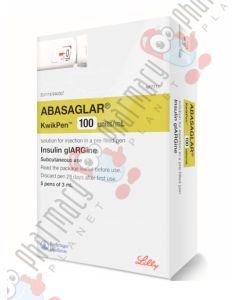
Abasaglar is a long-acting insulin glargine that provides consistent blood ...
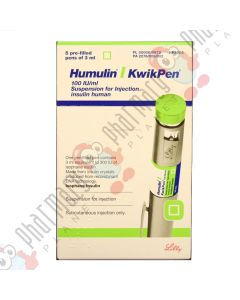
Humulin S contains human insulin as the active ingredient, which is used to ...
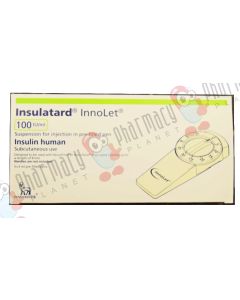
Insulatard injection solution is used to reduce high blood sugar levels in ...
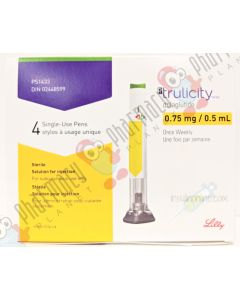
Trulicity is a once-weekly injectable treatment designed to help control b ...
Start your journey with us
Need Help?

Do you have a question about weight loss treatment?
Start your weight loss journey heading in the right direction. Our team are here to help. Whether you’re unsure about which medicine is right for you or need help navigating the world of weight loss drugs, our team are on hand to help you make the right decision. We can put you in touch with one of our experienced weight loss clinicians so you can be sure you’re making the best decision with the most accurate information.
To get in touch, contact our Customer Service team on 0800 978 8956 or email headoffice@pharmacyplanet.com.
Meet the team







Review By
HARMINDER ‘HARMY’ KAUR
Last Updated On : Mar 13 2026
BSc(hons) Pharmacy
GPhC Number: 2061107

Authored By
GURDEV SEHMI
Last Reviewed On : Mar 23 2026
BSc Pharm, MRPharmS, Independent Prescriber, Superintendent Pharmacist, Clinical Lead
GPhC Number: 2050925
Get a free consultation
Speak with one of our clinicians and get personalised advice.
You’re almost there!
It is the prescribers duty to ensure that the medicine is being used safely and appropriately. please answer a few questions about yourself to help us process your request.
- Manesha
Customer Service Team
Confidentiality & Authenticity Assured
- Fully Regulated UK Pharmacy
- Authentic UK sourced medicines only.
- Trading for more than 10 years.
- Information Governance lead ensures all data is confidential
Need Help With Your Questionnaire?
Our customer service team is on hand Monday-Friday to help you with your queries.
Please call us on 08009788956 or
email us at: headoffice@pharmacyplanet.com


