



Bhupinder (Boo) Dhaliwale
Actonel/Risedronate Once Weekly
Osteoporosis Treatment Medication
Actonel (Risedronate Sodium) is an osteoporosis medication that is used to prevent the dissolution of bone tissue by blocking the action of osteoclasts in the body.

Consult

Select

Checkout
01
Select
the items you wish
to order
02
Order reviewed
by our qualified
prescriber
03
Delivered
to your door step
Your Selection
Please use the options provided to make your final selection.

Actonel/Risedronate Once Weekly
£39
Total

You’re almost there!
It is the prescribers duty to ensure that the medicine is being used safely and appropriately. please answer a few questions about yourself to help us process your request.
- Manesha
Customer Service Team
Confidentiality & Authenticity Assured
- Fully Regulated UK Pharmacy
- Authentic UK sourced medicines only.
- Trading for more than 10 years.
- Information Governance lead ensures all data is confidential
Need Help With Your Questionnaire?
Our customer service team is on hand Monday-Friday to help you with your queries.
Please call us on 08009788956 or
email us at: headoffice@pharmacyplanet.com
Price Comparison
Select your preferred options and see the best price
| Pack | Price (£) | ||
|---|---|---|---|
| Actonel Once Weekly | 35mg | 12 Tablets | 135.00 |
| Actonel Once Weekly | 35mg | 4 Tablets | 51.00 |
| Actonel Once Weekly | 35mg | 8 Tablets | 91.00 |
| Risedronate (Generic) Once Weekly | 35mg | 12 Tablets | 89.00 |
| Risedronate (Generic) Once Weekly | 35mg | 4 Tablets | 39.00 |
| Risedronate (Generic) Once Weekly | 35mg | 8 Tablets | 72.00 |
It looks like you missed filling in questions from the last consultation.Click Here to submit your response.

No subscriptions or hidden fees

Secure checkout

UK Regulated online pharmacy

Trusted by over 250,000+ happy customers
Actonel/Risedronate Once Weekly 35mg | Prescription Osteoporosis Tablet for Weekly Use
For many people living with osteoporosis, the challenge of managing a long-term condition is as much about fitting treatment into daily life as it is about the medicine itself. Dosing frequency matters. Research into how patients take long-term oral medicines consistently shows that simpler schedules – those that require fewer discrete actions each week – support better adherence over time. Actonel/Risedronate Once Weekly 35mg Tablets are prescribed specifically on a once-weekly basis, offering the same active ingredient as the daily 5mg formulation but at a higher single dose taken on just one day per week.
Risedronate 35mg once weekly is licensed in the UK for the treatment of osteoporosis in postmenopausal women to reduce the risk of vertebral fractures. It is a Prescription Only Medicine. A clinical consultation with a registered prescriber is required before any supply can take place, and a prescription will only be issued where the prescriber determines the medicine is clinically appropriate for that individual.
What Is Actonel/Risedronate Once Weekly?
Actonel Once Weekly is the branded form of risedronate sodium 35mg, formulated as a film-coated tablet taken once every seven days. Risedronate sodium is the active ingredient – a bisphosphonate that inhibits the cells responsible for breaking down bone. The once-weekly 35mg dose delivers a higher amount of active ingredient in a single administration than the 5mg daily formulation, but the total weekly exposure to the medicine is equivalent across both schedules.
The once-weekly regimen was developed in response to evidence that reducing the number of doses required per week improves treatment adherence without compromising clinical efficacy. For many postmenopausal women managing multiple prescriptions and conditions, a medicine taken once per week on a named day is easier to integrate into a consistent routine than one requiring daily attention.
The 35mg once-weekly formulation is specifically licensed for the treatment of osteoporosis in postmenopausal women to reduce the risk of vertebral fractures. This is a narrower indication than the daily 5mg formulation, which additionally covers men and patients on long-term corticosteroids. The prescriber will determine which risedronate formulation, strength, and schedule is appropriate based on the patient's diagnosis, fracture risk, and clinical history.
Generic risedronate sodium 35mg tablets are widely available as bioequivalent alternatives to branded Actonel. Both contain the same active ingredient at the same dose and are dispensed interchangeably within the licensed indication.
How Does Actonel/Risedronate Once Weekly Work?
Bone remodelling is a continuous biological process. Throughout adulthood, osteoclast cells dissolve and remove small sections of ageing or damaged bone in a process called resorption. Osteoblast cells then deposit new mineralised tissue to fill the space. This cycle renews the skeleton progressively over years. In osteoporosis, the cycle becomes unbalanced: osteoclasts remove bone faster than osteoblasts can replace it.
After swallowing, risedronate is absorbed from the gut and transported to bone surfaces. It has a high affinity for hydroxyapatite, the mineral compound that gives bone its density and rigidity. Risedronate is taken up preferentially at sites where bone resorption is actively occurring. Within the osteoclast, it disrupts a cellular enzyme pathway – the mevalonate pathway – causing the osteoclast to lose its normal architecture and become functionally inactive.
A key feature of bisphosphonate pharmacokinetics is that the medicine does not simply circulate in the blood and wash out. Once incorporated into bone mineral, it remains embedded at that site until osteoclasts attempt to resorb that portion of bone. This means that individual doses continue to exert their effect over extended periods even though the medicine is only taken once weekly. The pharmacological effect on bone resorption is therefore sustained between doses.
Clinical studies of risedronate in postmenopausal women with osteoporosis have demonstrated statistically significant reductions in new vertebral fracture incidence. Changes in bone mineral density at the lumbar spine and hip are measurable from the early months of treatment and increase progressively with continued use. These changes underpin the medicine's licensed indication for fracture risk reduction.
How to Take Actonel/Risedronate Once Weekly
Choose one day of the week that suits your routine and take one risedronate 35mg tablet on that day each week, at the same time of day. Consistency in choosing the same day each week is important. Some patients find it helpful to link the dose to a regular weekly activity – a set appointment or a weekly routine – to make it easier to remember.
Take the tablet first thing in the morning, before any food, any drink other than plain tap water, or any other oral medicine. Swallow the tablet whole with a full glass of plain tap water, at least 200ml. Do not use mineral water, fruit juice, dairy drinks, or any other beverage. These all reduce the absorption of risedronate, sometimes to a clinically significant degree.
Remain upright – sitting or standing – for at least thirty minutes after taking the tablet. Do not lie down or return to bed during this period. The tablet must not be taken at bedtime or before rising for the day. These precautions exist because risedronate can cause irritation of the oesophageal lining if it remains in contact with it for a prolonged period. Remaining upright and taking the tablet with adequate water significantly reduces this risk.
Do not eat, drink anything other than plain water, or take other oral medicines for at least thirty minutes after taking risedronate. Calcium supplements, antacids, iron tablets, and any product containing magnesium or aluminium must be taken at a different time of day – at least two hours should separate risedronate from these products.
If you forget your weekly dose, take it on the morning of the following day. After that, return to your usual weekly day. Never take two doses on the same day. If you vomit shortly after taking the tablet, do not repeat the dose. Continue your usual schedule the following week and inform your prescriber if vomiting is a recurring issue.
Dosage and Strengths Available
The Once-Weekly Formulation
Risedronate Once Weekly is available as a single 35mg film-coated tablet taken once every seven days. The table below summarises the licensed dosing schedule for this formulation.
| Active Ingredient | Strength | Frequency | Administration |
|---|---|---|---|
| Risedronate sodium | 35mg | Once weekly | Oral, on empty stomach, upright for 30 min after |
How the Weekly 35mg Relates to Other Risedronate Formulations
The 35mg once-weekly tablet and the 5mg daily tablet deliver an equivalent total weekly dose of risedronate sodium. However, they have different licensed indications and are prescribed in different clinical contexts. The once-weekly 35mg formulation is licensed specifically for the treatment of osteoporosis in postmenopausal women to reduce vertebral fracture risk. The 5mg daily formulation carries additional licences covering men and glucocorticoid-induced bone loss.
Clinical note for the prescriber section: the once-weekly 35mg formulation should not be substituted for the daily 5mg formulation without clinical review, as their licensed indications differ. Patients who have been prescribed the daily formulation for glucocorticoid-induced osteoporosis should remain on that regimen unless their prescriber advises otherwise.
Vitamin D and Calcium
Prescribers often advise patients on risedronate to take a calcium and vitamin D supplement alongside their bisphosphonate treatment. Adequate calcium and vitamin D intake supports the mineralisation of new bone tissue and maximises the benefit of treatment. Supplements must always be taken at a separate time from risedronate – preferably several hours later – to avoid interference with absorption.
Take risedronate exactly as your prescriber has directed. Do not change your dosing schedule without first speaking to your prescriber.
Side Effects and Safety Information
Risedronate 35mg once weekly shares a broadly similar side effect profile to other risedronate formulations, with upper gastrointestinal effects being the most commonly reported. The following information is based on the current UK Summary of Product Characteristics.
Common Side Effects (may affect up to 1 in 10 people)
- Abdominal pain, bloating, or discomfort
- Nausea or feeling sick
- Constipation or diarrhoea
- Indigestion or heartburn
- Bone, joint, or muscle pain
- Headache
Uncommon Side Effects (may affect up to 1 in 100 people)
- Oesophageal inflammation, erosion, or ulceration
- Gastric or duodenal ulceration
- Skin rash or itching
- Eye inflammation, including uveitis or scleritis
- Low blood calcium, particularly in patients with vitamin D deficiency
Rare and Serious Adverse Effects
The following serious adverse effects have been associated with bisphosphonate use, including risedronate. They are uncommon, but all patients should be aware of them.
- Osteonecrosis of the jaw (ONJ): a rare but serious deterioration of jaw bone. The risk is elevated following invasive dental procedures. All patients taking risedronate should inform their dentist of their treatment before undergoing any dental work, including extractions and implant placement.
- Atypical femoral fractures: stress fractures at unusual sites in the thigh bone, associated with prolonged bisphosphonate use. Patients who develop new, gradually worsening pain in the thigh, hip, or groin should report this to their prescriber promptly, as early identification is important.
- Severe musculoskeletal pain: occasionally debilitating bone, joint, or muscle pain has been reported. This may resolve on discontinuation of treatment.
- Severe skin reactions including Stevens-Johnson syndrome (very rare)
If you develop any new or worsening symptoms after starting risedronate, contact your prescriber. Do not stop taking the tablets without medical advice.
Report any side effects directly to the MHRA via the Yellow Card scheme at yellowcard.mhra.gov.uk, or through your prescriber or pharmacist.
Who Can Take Actonel/Risedronate Once Weekly?
Licensed Patient Group
The 35mg once-weekly formulation of risedronate is licensed specifically for the treatment of osteoporosis in postmenopausal women to reduce the risk of vertebral fractures. This is a defined patient group, and prescribing decisions will reflect the individual patient's fracture risk, bone density measurements, menopausal history, and any relevant comorbidities.
Postmenopausal women are particularly vulnerable to bone loss because oestrogen, which plays a central role in maintaining bone density, falls sharply after the menopause. This hormonal shift accelerates bone resorption and increases the risk of osteoporosis and associated fractures, particularly at the spine and hip. Age-related bone loss is a natural process, but for women whose bone density has declined to a clinically significant degree, prescription treatment may be warranted.
Who Should Not Take This Medicine
Risedronate 35mg once weekly should not be taken by patients with any of the following.
- Uncorrected hypocalcaemia (low blood calcium) at the time of starting treatment
- Severe renal impairment, defined as creatinine clearance below 30ml per minute
- Known hypersensitivity to risedronate sodium or any excipient in the tablet formulation
- Inability to remain upright for at least thirty minutes after taking the dose
- Conditions affecting the oesophagus that impair its ability to empty normally, such as oesophageal stricture or achalasia
Risedronate is not licensed for use in men at the 35mg once-weekly dose, for children, or for the prevention or treatment of glucocorticoid-induced osteoporosis at this dose. Women who are pregnant or breastfeeding should not take risedronate.
Patients with mild to moderate renal impairment can generally take risedronate, but their prescriber should be aware of their renal function so that it can be factored into the prescribing decision. Patients with conditions affecting calcium metabolism, including vitamin D deficiency, should have these addressed before commencing bisphosphonate therapy.
Consultation and Prescribing Process
A clinical consultation is the essential first step in obtaining risedronate 35mg once weekly. This medicine is a Prescription Only Medicine and cannot be supplied without a prescription issued by a registered prescriber. The consultation exists to establish whether this treatment is clinically appropriate for you. A prescription is a possible outcome of the consultation, not a predetermined one.
Through Pharmacy Planet's online consultation, you will be asked to provide information about your diagnosis, your menopausal status and history, any previous fractures, your current and recent medicines, and relevant medical conditions. A UK registered prescriber will review this information and make a clinical determination about whether risedronate 35mg once weekly is appropriate for you at this time.
Women seeking treatment for osteoporosis through an online pharmacy are often those already established on a prescribed regimen who require a convenient route for ongoing supply. In these circumstances, the prescriber will confirm that continued treatment remains appropriate and that no new clinical concerns have arisen since the original diagnosis and prescribing decision.
If the prescriber requires additional clinical information – for example, confirmation of a recent DEXA scan result or clarification of a medical history point – you will be informed and guided on how to provide it. Pharmacy Planet's pharmacy team is available to assist with any queries about the consultation process.
Storage and Handling
Store risedronate 35mg tablets in a dry place below 25 degrees Celsius. Keep the tablets in their original blister packaging. Blister strips protect each tablet individually from moisture and light, which can degrade the film coating and affect tablet integrity over time.
Once-weekly dosing means that a single pack of risedronate covers a longer period than most daily oral medicines. This makes it all the more important to check the expiry date on the blister strip and packaging regularly. Expired tablets should not be taken. The date printed on the packaging refers to the last day of the month shown.
Keep all medicines, including risedronate, out of the sight and reach of children. Return any unused or out-of-date tablets to a pharmacy for safe disposal. Medicines must not be placed in household refuse or flushed into drains.
Comparing Oral Osteoporosis Treatments: What You Need to Know
All seven medicines listed below are oral tablets or capsules prescribed for osteoporosis, the same therapeutic category and the same form factor, making direct comparison appropriate. They differ in their active ingredient, dosing frequency, licensed indication, and mechanism of action.
The table below compares commonly prescribed oral bisphosphonate treatments available through Pharmacy Planet's osteoporosis service. Products are listed in order of dosing frequency, from daily to monthly, so you can quickly identify how each medicine fits into a patient's routine.
| Product | Form | How Often Taken | Dose | Main Licensed Use | Effect Timeline | Key Patient Note |
|---|---|---|---|---|---|---|
| Alendronic Acid SF Oral Solution | Oral liquid (sugar-free) | Once daily | 70mg / 100ml | Osteoporosis in postmenopausal women and men | Bone density change measurable from 6 months | Sugar-free liquid for patients unable to swallow tablets. Suitable for diabetics. Take with plain water; remain upright 30 min after dose. |
| Alendronic Acid / Fosamax Daily | Film-coated tablet | Once daily | 10mg | Osteoporosis in postmenopausal women and men | Bone density change measurable from 6 months | Original daily alendronate. Same total weekly dose as the 70mg weekly tablet. Daily GI exposure – some patients tolerate weekly schedule better. Upright 30 min after. |
| Actonel / Risedronate Daily | Film-coated tablet | Once daily | 5mg | Osteoporosis in postmenopausal women; men; and glucocorticoid-induced osteoporosis | Bone density change measurable from 6 months | Only product in this catalogue with a specific licence for glucocorticoid (steroid)-induced bone loss. Upright 30 min after dose. |
| Bonefos / Sodium Clodronate | Capsule (400mg) or Tablet (800mg) | Once daily | 800mg–1600mg daily | Osteoporosis; also osteolysis and hypercalcaemia in malignant disease | Bone turnover marker reduction from weeks; density change from months | Only non-nitrogen bisphosphonate here – different cellular mechanism to all others. Food-free window required 2 hrs BEFORE and AFTER dose. Requires renal monitoring. Avoid concurrent NSAIDs. |
| Actonel / Risedronate Once Weekly | Film-coated tablet | Once weekly | 35mg | Osteoporosis in postmenopausal women to reduce vertebral fracture risk | Bone density change measurable from 6 months | Licensed specifically for postmenopausal women at this dose – not men. One dose per week on a fixed chosen day. Upright 30 min after dose. |
Important: This comparison is for general information only and does not replace medical advice. A prescriber will decide which treatment is suitable for you following an online consultation. All medicines listed are Prescription Only Medicines (POMs). Suitability depends on individual clinical circumstances including diagnosis, renal function, medical history, and concurrent medicines.
Why Choose Pharmacy Planet?
Pharmacy Planet is a GPhC-registered online pharmacy providing regulated prescription services to patients across the UK. We work to the clinical and operational standards expected of a registered pharmacy, and every prescription we dispense is reviewed by a qualified pharmacist before it leaves our dispensary.
We recognise that for patients managing osteoporosis over years or decades, reliable access to ongoing prescriptions matters. Our consultation and repeat dispensing service is designed to be straightforward, private, and clinically rigorous – giving patients a dependable route to the medicines they need without unnecessary disruption to their care.
Our pharmacy team is on hand to answer medication-related questions, to explain your treatment, and to raise any concerns about your medicine with the prescribing team where needed. Patient safety and accurate dispensing are at the heart of everything we do.
References
- electronic Medicines Compendium (emc). Actonel 35mg Film-Coated Tablets / Risedronate Sodium 35mg Tablets – Summary of Product Characteristics. www.medicines.org.uk/emc. Accessed June 2026.
- British National Formulary (BNF). Risedronate sodium. bnf.nice.org.uk/drugs/risedronate-sodium. Accessed June 2026.
- NHS. Risedronate. www.nhs.uk/medicines/risedronate. Accessed June 2026.
- National Osteoporosis Guideline Group (NOGG). Clinical Guideline for the Prevention and Treatment of Osteoporosis. www.nogg.org.uk. Accessed June 2026.
- Siris ES, et al. Adherence to bisphosphonate therapy and fracture rates in osteoporotic women. Mayo Clinic Proceedings. 2006;81(8):1013-1022. Published reference for adherence evidence.
Actonel/Risedronate Once Weekly
For many people living with osteoporosis, the challenge of managing a long-term condition is as much about fitting treatment into daily life as it is about the medicine itself. Dosing frequency matters. Research into how patients take long-term oral medicines consistently shows that simpler schedules – those that require fewer discrete actions each week – support better adherence over time. Actonel/Risedronate Once Weekly 35mg Tablets are prescribed specifically on a once-weekly basis, offering the same active ingredient as the daily 5mg formulation but at a higher single dose taken on just one day per week.
Risedronate 35mg once weekly is licensed in the UK for the treatment of osteoporosis in postmenopausal women to reduce the risk of vertebral fractures. It is a Prescription Only Medicine. A clinical consultation with a registered prescriber is required before any supply can take place, and a prescription will only be issued where the prescriber determines the medicine is clinically appropriate for that individual.
Actonel Once Weekly is the branded form of risedronate sodium 35mg, formulated as a film-coated tablet taken once every seven days. Risedronate sodium is the active ingredient – a bisphosphonate that inhibits the cells responsible for breaking down bone. The once-weekly 35mg dose delivers a higher amount of active ingredient in a single administration than the 5mg daily formulation, but the total weekly exposure to the medicine is equivalent across both schedules.
The once-weekly regimen was developed in response to evidence that reducing the number of doses required per week improves treatment adherence without compromising clinical efficacy. For many postmenopausal women managing multiple prescriptions and conditions, a medicine taken once per week on a named day is easier to integrate into a consistent routine than one requiring daily attention.
The 35mg once-weekly formulation is specifically licensed for the treatment of osteoporosis in postmenopausal women to reduce the risk of vertebral fractures. This is a narrower indication than the daily 5mg formulation, which additionally covers men and patients on long-term corticosteroids. The prescriber will determine which risedronate formulation, strength, and schedule is appropriate based on the patient's diagnosis, fracture risk, and clinical history.
Generic risedronate sodium 35mg tablets are widely available as bioequivalent alternatives to branded Actonel. Both contain the same active ingredient at the same dose and are dispensed interchangeably within the licensed indication.
Bone remodelling is a continuous biological process. Throughout adulthood, osteoclast cells dissolve and remove small sections of ageing or damaged bone in a process called resorption. Osteoblast cells then deposit new mineralised tissue to fill the space. This cycle renews the skeleton progressively over years. In osteoporosis, the cycle becomes unbalanced: osteoclasts remove bone faster than osteoblasts can replace it.
After swallowing, risedronate is absorbed from the gut and transported to bone surfaces. It has a high affinity for hydroxyapatite, the mineral compound that gives bone its density and rigidity. Risedronate is taken up preferentially at sites where bone resorption is actively occurring. Within the osteoclast, it disrupts a cellular enzyme pathway – the mevalonate pathway – causing the osteoclast to lose its normal architecture and become functionally inactive.
A key feature of bisphosphonate pharmacokinetics is that the medicine does not simply circulate in the blood and wash out. Once incorporated into bone mineral, it remains embedded at that site until osteoclasts attempt to resorb that portion of bone. This means that individual doses continue to exert their effect over extended periods even though the medicine is only taken once weekly. The pharmacological effect on bone resorption is therefore sustained between doses.
Clinical studies of risedronate in postmenopausal women with osteoporosis have demonstrated statistically significant reductions in new vertebral fracture incidence. Changes in bone mineral density at the lumbar spine and hip are measurable from the early months of treatment and increase progressively with continued use. These changes underpin the medicine's licensed indication for fracture risk reduction.
Choose one day of the week that suits your routine and take one risedronate 35mg tablet on that day each week, at the same time of day. Consistency in choosing the same day each week is important. Some patients find it helpful to link the dose to a regular weekly activity – a set appointment or a weekly routine – to make it easier to remember.
Take the tablet first thing in the morning, before any food, any drink other than plain tap water, or any other oral medicine. Swallow the tablet whole with a full glass of plain tap water, at least 200ml. Do not use mineral water, fruit juice, dairy drinks, or any other beverage. These all reduce the absorption of risedronate, sometimes to a clinically significant degree.
Remain upright – sitting or standing – for at least thirty minutes after taking the tablet. Do not lie down or return to bed during this period. The tablet must not be taken at bedtime or before rising for the day. These precautions exist because risedronate can cause irritation of the oesophageal lining if it remains in contact with it for a prolonged period. Remaining upright and taking the tablet with adequate water significantly reduces this risk.
Do not eat, drink anything other than plain water, or take other oral medicines for at least thirty minutes after taking risedronate. Calcium supplements, antacids, iron tablets, and any product containing magnesium or aluminium must be taken at a different time of day – at least two hours should separate risedronate from these products.
If you forget your weekly dose, take it on the morning of the following day. After that, return to your usual weekly day. Never take two doses on the same day. If you vomit shortly after taking the tablet, do not repeat the dose. Continue your usual schedule the following week and inform your prescriber if vomiting is a recurring issue.
The Once-Weekly Formulation
Risedronate Once Weekly is available as a single 35mg film-coated tablet taken once every seven days. The table below summarises the licensed dosing schedule for this formulation.
| Active Ingredient | Strength | Frequency | Administration |
|---|---|---|---|
| Risedronate sodium | 35mg | Once weekly | Oral, on empty stomach, upright for 30 min after |
How the Weekly 35mg Relates to Other Risedronate Formulations
The 35mg once-weekly tablet and the 5mg daily tablet deliver an equivalent total weekly dose of risedronate sodium. However, they have different licensed indications and are prescribed in different clinical contexts. The once-weekly 35mg formulation is licensed specifically for the treatment of osteoporosis in postmenopausal women to reduce vertebral fracture risk. The 5mg daily formulation carries additional licences covering men and glucocorticoid-induced bone loss.
Clinical note for the prescriber section: the once-weekly 35mg formulation should not be substituted for the daily 5mg formulation without clinical review, as their licensed indications differ. Patients who have been prescribed the daily formulation for glucocorticoid-induced osteoporosis should remain on that regimen unless their prescriber advises otherwise.
Vitamin D and Calcium
Prescribers often advise patients on risedronate to take a calcium and vitamin D supplement alongside their bisphosphonate treatment. Adequate calcium and vitamin D intake supports the mineralisation of new bone tissue and maximises the benefit of treatment. Supplements must always be taken at a separate time from risedronate – preferably several hours later – to avoid interference with absorption.
Take risedronate exactly as your prescriber has directed. Do not change your dosing schedule without first speaking to your prescriber.
Risedronate 35mg once weekly shares a broadly similar side effect profile to other risedronate formulations, with upper gastrointestinal effects being the most commonly reported. The following information is based on the current UK Summary of Product Characteristics.
Common Side Effects (may affect up to 1 in 10 people)
- Abdominal pain, bloating, or discomfort
- Nausea or feeling sick
- Constipation or diarrhoea
- Indigestion or heartburn
- Bone, joint, or muscle pain
- Headache
Uncommon Side Effects (may affect up to 1 in 100 people)
- Oesophageal inflammation, erosion, or ulceration
- Gastric or duodenal ulceration
- Skin rash or itching
- Eye inflammation, including uveitis or scleritis
- Low blood calcium, particularly in patients with vitamin D deficiency
Rare and Serious Adverse Effects
The following serious adverse effects have been associated with bisphosphonate use, including risedronate. They are uncommon, but all patients should be aware of them.
- Osteonecrosis of the jaw (ONJ): a rare but serious deterioration of jaw bone. The risk is elevated following invasive dental procedures. All patients taking risedronate should inform their dentist of their treatment before undergoing any dental work, including extractions and implant placement.
- Atypical femoral fractures: stress fractures at unusual sites in the thigh bone, associated with prolonged bisphosphonate use. Patients who develop new, gradually worsening pain in the thigh, hip, or groin should report this to their prescriber promptly, as early identification is important.
- Severe musculoskeletal pain: occasionally debilitating bone, joint, or muscle pain has been reported. This may resolve on discontinuation of treatment.
- Severe skin reactions including Stevens-Johnson syndrome (very rare)
If you develop any new or worsening symptoms after starting risedronate, contact your prescriber. Do not stop taking the tablets without medical advice.
Report any side effects directly to the MHRA via the Yellow Card scheme at yellowcard.mhra.gov.uk, or through your prescriber or pharmacist.
Licensed Patient Group
The 35mg once-weekly formulation of risedronate is licensed specifically for the treatment of osteoporosis in postmenopausal women to reduce the risk of vertebral fractures. This is a defined patient group, and prescribing decisions will reflect the individual patient's fracture risk, bone density measurements, menopausal history, and any relevant comorbidities.
Postmenopausal women are particularly vulnerable to bone loss because oestrogen, which plays a central role in maintaining bone density, falls sharply after the menopause. This hormonal shift accelerates bone resorption and increases the risk of osteoporosis and associated fractures, particularly at the spine and hip. Age-related bone loss is a natural process, but for women whose bone density has declined to a clinically significant degree, prescription treatment may be warranted.
Who Should Not Take This Medicine
Risedronate 35mg once weekly should not be taken by patients with any of the following.
- Uncorrected hypocalcaemia (low blood calcium) at the time of starting treatment
- Severe renal impairment, defined as creatinine clearance below 30ml per minute
- Known hypersensitivity to risedronate sodium or any excipient in the tablet formulation
- Inability to remain upright for at least thirty minutes after taking the dose
- Conditions affecting the oesophagus that impair its ability to empty normally, such as oesophageal stricture or achalasia
Risedronate is not licensed for use in men at the 35mg once-weekly dose, for children, or for the prevention or treatment of glucocorticoid-induced osteoporosis at this dose. Women who are pregnant or breastfeeding should not take risedronate.
Patients with mild to moderate renal impairment can generally take risedronate, but their prescriber should be aware of their renal function so that it can be factored into the prescribing decision. Patients with conditions affecting calcium metabolism, including vitamin D deficiency, should have these addressed before commencing bisphosphonate therapy.
A clinical consultation is the essential first step in obtaining risedronate 35mg once weekly. This medicine is a Prescription Only Medicine and cannot be supplied without a prescription issued by a registered prescriber. The consultation exists to establish whether this treatment is clinically appropriate for you. A prescription is a possible outcome of the consultation, not a predetermined one.
Through Pharmacy Planet's online consultation, you will be asked to provide information about your diagnosis, your menopausal status and history, any previous fractures, your current and recent medicines, and relevant medical conditions. A UK registered prescriber will review this information and make a clinical determination about whether risedronate 35mg once weekly is appropriate for you at this time.
Women seeking treatment for osteoporosis through an online pharmacy are often those already established on a prescribed regimen who require a convenient route for ongoing supply. In these circumstances, the prescriber will confirm that continued treatment remains appropriate and that no new clinical concerns have arisen since the original diagnosis and prescribing decision.
If the prescriber requires additional clinical information – for example, confirmation of a recent DEXA scan result or clarification of a medical history point – you will be informed and guided on how to provide it. Pharmacy Planet's pharmacy team is available to assist with any queries about the consultation process.
Store risedronate 35mg tablets in a dry place below 25 degrees Celsius. Keep the tablets in their original blister packaging. Blister strips protect each tablet individually from moisture and light, which can degrade the film coating and affect tablet integrity over time.
Once-weekly dosing means that a single pack of risedronate covers a longer period than most daily oral medicines. This makes it all the more important to check the expiry date on the blister strip and packaging regularly. Expired tablets should not be taken. The date printed on the packaging refers to the last day of the month shown.
Keep all medicines, including risedronate, out of the sight and reach of children. Return any unused or out-of-date tablets to a pharmacy for safe disposal. Medicines must not be placed in household refuse or flushed into drains.
All seven medicines listed below are oral tablets or capsules prescribed for osteoporosis, the same therapeutic category and the same form factor, making direct comparison appropriate. They differ in their active ingredient, dosing frequency, licensed indication, and mechanism of action.
The table below compares commonly prescribed oral bisphosphonate treatments available through Pharmacy Planet's osteoporosis service. Products are listed in order of dosing frequency, from daily to monthly, so you can quickly identify how each medicine fits into a patient's routine.
| Product | Form | How Often Taken | Dose | Main Licensed Use | Effect Timeline | Key Patient Note |
|---|---|---|---|---|---|---|
| Alendronic Acid SF Oral Solution | Oral liquid (sugar-free) | Once daily | 70mg / 100ml | Osteoporosis in postmenopausal women and men | Bone density change measurable from 6 months | Sugar-free liquid for patients unable to swallow tablets. Suitable for diabetics. Take with plain water; remain upright 30 min after dose. |
| Alendronic Acid / Fosamax Daily | Film-coated tablet | Once daily | 10mg | Osteoporosis in postmenopausal women and men | Bone density change measurable from 6 months | Original daily alendronate. Same total weekly dose as the 70mg weekly tablet. Daily GI exposure – some patients tolerate weekly schedule better. Upright 30 min after. |
| Actonel / Risedronate Daily | Film-coated tablet | Once daily | 5mg | Osteoporosis in postmenopausal women; men; and glucocorticoid-induced osteoporosis | Bone density change measurable from 6 months | Only product in this catalogue with a specific licence for glucocorticoid (steroid)-induced bone loss. Upright 30 min after dose. |
| Bonefos / Sodium Clodronate | Capsule (400mg) or Tablet (800mg) | Once daily | 800mg–1600mg daily | Osteoporosis; also osteolysis and hypercalcaemia in malignant disease | Bone turnover marker reduction from weeks; density change from months | Only non-nitrogen bisphosphonate here – different cellular mechanism to all others. Food-free window required 2 hrs BEFORE and AFTER dose. Requires renal monitoring. Avoid concurrent NSAIDs. |
| Actonel / Risedronate Once Weekly | Film-coated tablet | Once weekly | 35mg | Osteoporosis in postmenopausal women to reduce vertebral fracture risk | Bone density change measurable from 6 months | Licensed specifically for postmenopausal women at this dose – not men. One dose per week on a fixed chosen day. Upright 30 min after dose. |
Important: This comparison is for general information only and does not replace medical advice. A prescriber will decide which treatment is suitable for you following an online consultation. All medicines listed are Prescription Only Medicines (POMs). Suitability depends on individual clinical circumstances including diagnosis, renal function, medical history, and concurrent medicines.
Pharmacy Planet is a GPhC-registered online pharmacy providing regulated prescription services to patients across the UK. We work to the clinical and operational standards expected of a registered pharmacy, and every prescription we dispense is reviewed by a qualified pharmacist before it leaves our dispensary.
We recognise that for patients managing osteoporosis over years or decades, reliable access to ongoing prescriptions matters. Our consultation and repeat dispensing service is designed to be straightforward, private, and clinically rigorous – giving patients a dependable route to the medicines they need without unnecessary disruption to their care.
Our pharmacy team is on hand to answer medication-related questions, to explain your treatment, and to raise any concerns about your medicine with the prescribing team where needed. Patient safety and accurate dispensing are at the heart of everything we do.
- electronic Medicines Compendium (emc). Actonel 35mg Film-Coated Tablets / Risedronate Sodium 35mg Tablets – Summary of Product Characteristics. www.medicines.org.uk/emc. Accessed June 2026.
- British National Formulary (BNF). Risedronate sodium. bnf.nice.org.uk/drugs/risedronate-sodium. Accessed June 2026.
- NHS. Risedronate. www.nhs.uk/medicines/risedronate. Accessed June 2026.
- National Osteoporosis Guideline Group (NOGG). Clinical Guideline for the Prevention and Treatment of Osteoporosis. www.nogg.org.uk. Accessed June 2026.
- Siris ES, et al. Adherence to bisphosphonate therapy and fracture rates in osteoporotic women. Mayo Clinic Proceedings. 2006;81(8):1013-1022. Published reference for adherence evidence.
Frequently Asked Questions
Risedronate 35mg once weekly is licensed for the treatment of osteoporosis in postmenopausal women to reduce the risk of vertebral fractures. Vertebral fractures – breaks in the bones of the spine – are one of the most common and consequential fractures associated with osteoporosis. Risedronate works by slowing the rate at which bone is broken down, helping to stabilise and gradually improve bone density at key sites, including the lumbar spine. It is not licensed for men or for glucocorticoid-induced bone loss at this dose and schedule.
The 35mg once-weekly dose delivers the same total weekly amount of active ingredient as the 5mg daily tablet, but in a single administration. The once-weekly schedule was developed because evidence consistently shows that patients are more likely to adhere to a long-term oral medicine when it is taken less frequently. Bisphosphonates are particularly important to take consistently, as the treatment benefit – fracture risk reduction – depends on sustained use over time. Once-weekly dosing reduces the number of days per week on which the patient must follow the fasting and posture precautions required for all oral bisphosphonate administration.
If you miss your usual weekly dose, take one tablet on the morning of the following day, as long as it is taken correctly – first thing in the morning, on an empty stomach, with a full glass of plain water, and with the usual thirty-minute upright period observed. After taking the missed dose, return to your original weekly day schedule the following week. Do not take two doses within the same day to compensate. If you are unsure what to do, speak to your pharmacist before taking the next dose.
Some patients who have experienced gastrointestinal side effects with alendronic acid are switched to risedronate, as the two medicines have somewhat different gastrointestinal tolerability profiles in clinical practice. However, both are bisphosphonates and carry similar categories of risk. A change from one bisphosphonate to another requires a clinical assessment by a prescriber. You should inform your prescriber fully about any previous side effects, including the type of symptom, how soon it developed, and whether it resolved after stopping treatment. The prescriber will then determine whether risedronate is a suitable alternative for you.
The most clinically relevant interactions with risedronate involve medicines or supplements that impair its absorption from the gut. Calcium, magnesium, aluminium, and iron all reduce risedronate absorption if taken at the same time or within two hours. This includes antacids, calcium supplements, vitamin and mineral preparations, and certain phosphate binders. NSAIDs (anti-inflammatory medicines) taken concurrently may increase the risk of gastrointestinal adverse effects. Always inform your prescriber of all medicines, supplements, and herbal products you are taking, so that timing and compatibility can be properly assessed.
Risedronate for osteoporosis is generally prescribed as a long-term treatment, often continuing for several years. The protective effect on bone is maintained during active treatment but wanes after stopping. Most clinical guidelines recommend periodic review, typically every three to five years, to reassess whether the benefit of continuing treatment outweighs any evolving risks. This review may include follow-up bone density measurement and a reassessment of fracture risk. Do not stop taking risedronate without first discussing it with your prescriber, as the consequences of stopping bisphosphonate therapy require individual clinical consideration.
Routine dental treatment, including hygienist appointments and non-invasive procedures, is generally safe during risedronate therapy. The concern relates specifically to invasive dental procedures that involve the bone of the jaw, such as tooth extractions, dental implants, or oral surgery. These procedures are associated with a small increased risk of osteonecrosis of the jaw in patients taking bisphosphonates. Inform your dentist that you are taking risedronate before any planned dental procedure. Your dentist and prescriber may wish to discuss the timing of any planned invasive dental work in relation to your bisphosphonate treatment.
For most patients, risedronate does not produce any perceptible day-to-day sensation of change. Its effect – slowing bone loss and gradually improving bone density – occurs at a cellular and structural level that is not directly felt. Any benefit is established through clinical monitoring, typically bone density scanning over time, rather than through symptoms the patient would notice. Some patients do experience side effects such as gastrointestinal discomfort or musculoskeletal pain after starting treatment. If any new symptom develops after commencing risedronate, it should be reported to the prescriber.
Yes, in many cases risedronate is prescribed precisely because a fracture has already occurred, as previous fracture is one of the strongest predictors of future fracture risk. A history of vertebral or hip fracture would typically be part of the clinical information considered during your consultation. Your prescriber will review your fracture history alongside your bone density measurements and overall risk profile to determine whether risedronate is appropriate and, if so, which formulation and schedule best suits your needs.
Actonel is the original branded formulation of risedronate sodium, developed and licensed by the originator company. Generic risedronate sodium 35mg tablets contain the same active ingredient at the same dose and are required by the MHRA to demonstrate bioequivalence to the branded product before they can be marketed. In practice, generic and branded versions are considered therapeutically interchangeable for the licensed indication. Your pharmacy may dispense either, depending on availability and formulary. If you have any concerns about switching between branded and generic forms, speak to your pharmacist.
How it works

Complete our online
clinical consultation
clinical consultation
Answer a few questions on your health and your fitness goals.

Clinical
assessment
assessment
Our clinicians will review your clinical questionnaire to make sure treatment is right for you.

Welcome
aboard!
aboard!
Once approved, you will access our wealth of experience and resources curated by our team and begin your clinical journey.
Treatment options
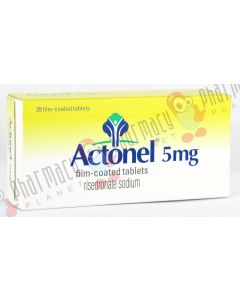
Osteoporosis Treatment Medication
Actonel (Risedronate Sodium) is an osteo ...
Alendronic tablets belong to a group of non-hormonal medicines called bisph ...
Alendronic tablets belong to a group of non-hormonal medicines called bisph ...
Bonviva is used for the treatment of osteoporosis (a disease that weakens b ...
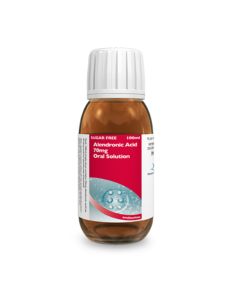
Alendronic Acid Sugar Free Oral Solution belong to a group of non-hormonal ...

Each capsule of Bonefos Sodium Clodronate contains a disodium clodronate te ...
Need Help?

Do you have a question about weight loss treatment?
Start your weight loss journey heading in the right direction. Our team are here to help. Whether you’re unsure about which medicine is right for you or need help navigating the world of weight loss drugs, our team are on hand to help you make the right decision. We can put you in touch with one of our experienced weight loss clinicians so you can be sure you’re making the best decision with the most accurate information.
To get in touch, contact our Customer Service team on 0800 978 8956 or email headoffice@pharmacyplanet.com.
Meet the team







Review By
GURDEV SEHMI
Last Updated On : Mar 13 2026
BSc Pharm, MRPharmS, Independent Prescriber, Superintendent Pharmacist, Clinical Lead
GPhC Number: 2050925
Authored By
GURDEV SEHMI
Last Reviewed On : Mar 23 2026
BSc Pharm, MRPharmS, Independent Prescriber, Superintendent Pharmacist, Clinical Lead
GPhC Number: 2050925
Get a free consultation
Speak with one of our clinicians and get personalised advice.
You’re almost there!
It is the prescribers duty to ensure that the medicine is being used safely and appropriately. please answer a few questions about yourself to help us process your request.
- Manesha
Customer Service Team
Confidentiality & Authenticity Assured
- Fully Regulated UK Pharmacy
- Authentic UK sourced medicines only.
- Trading for more than 10 years.
- Information Governance lead ensures all data is confidential
Need Help With Your Questionnaire?
Our customer service team is on hand Monday-Friday to help you with your queries.
Please call us on 08009788956 or
email us at: headoffice@pharmacyplanet.com


