



Bhupinder (Boo) Dhaliwale
Alendronic Acid/Fosamax Weekly
Alendronic tablets belong to a group of non-hormonal medicines called bisphosphonates. Alendronate prevents bone loss that occurs in women after menopause and helps regenerate bone. The active substance in weekly alendronic acid, alendronate sodium trihydrate, is a bisphosphonate that inhibits osteoclastic resorption of bone without a direct effect on bone formation. Take one Alendronic Acid 70 mg tablet once a week.

Consult

Select

Checkout
01
Select
the items you wish
to order
02
Order reviewed
by our qualified
prescriber
03
Delivered
to your door step
Your Selection
Please use the options provided to make your final selection.

Alendronic Acid/Fosamax Weekly
£29
Total

You’re almost there!
It is the prescribers duty to ensure that the medicine is being used safely and appropriately. please answer a few questions about yourself to help us process your request.
- Manesha
Customer Service Team
Confidentiality & Authenticity Assured
- Fully Regulated UK Pharmacy
- Authentic UK sourced medicines only.
- Trading for more than 10 years.
- Information Governance lead ensures all data is confidential
Need Help With Your Questionnaire?
Our customer service team is on hand Monday-Friday to help you with your queries.
Please call us on 08009788956 or
email us at: headoffice@pharmacyplanet.com
Price Comparison
Select your preferred options and see the best price
| Pack | Price (£) | ||
|---|---|---|---|
| Alendronic Acid (Generic) Weekly | 70mg | 12 Tablets | 54.00 |
| Alendronic Acid (Generic) Weekly | 70mg | 4 Tablets | 29.00 |
| Alendronic Acid (Generic) Weekly | 70mg | 8 Tablets | 45.00 |
| Fosamax Weekly | 70mg | 12 Tablets | 156.00 |
| Fosamax Weekly | 70mg | 4 Tablets | 65.00 |
| Fosamax Weekly | 70mg | 8 Tablets | 117.00 |
It looks like you missed filling in questions from the last consultation.Click Here to submit your response.

No subscriptions or hidden fees

Secure checkout

UK Regulated online pharmacy

Trusted by over 250,000+ happy customers
Alendronic Acid/Fosamax Weekly 70mg | Once-Weekly Prescription Tablet for Osteoporosis
Alendronic acid 70mg is the most widely prescribed bisphosphonate for osteoporosis in the UK. Its once-weekly dosing schedule is now the default formulation in the majority of clinical settings, recommended in NHS guidance and supported by a large body of real-world prescribing evidence. Alendronic Acid/Fosamax Weekly 70mg Tablets deliver a single oral dose of alendronate once every seven days for the treatment of osteoporosis in postmenopausal women and in men, and for the prevention of osteoporosis in postmenopausal women at risk of fracture.
The once-weekly regimen was introduced following published evidence that reducing dosing frequency from daily to weekly improved patient adherence to bisphosphonate therapy without any reduction in clinical efficacy. Adherence to long-term preventive medicines is a recognised challenge across all therapeutic areas; in osteoporosis, where the benefit of treatment is measured in fractures avoided over years, gaps in treatment can have lasting consequences. This medicine is a Prescription Only Medicine. A clinical consultation with a registered prescriber is the required first step before any supply.
What Is Alendronic Acid/Fosamax Weekly?
Fosamax Once Weekly is the branded originator product containing alendronic acid 70mg as a film-coated tablet. Generic alendronic acid 70mg once-weekly tablets are bioequivalent alternatives that contain the same active ingredient at the same dose and are therapeutically interchangeable within the licensed indication. Both are referred to on this page as alendronic acid 70mg weekly.
Alendronic acid is a nitrogen-containing bisphosphonate. Within this class, individual medicines differ in their molecular structure, binding affinity to bone mineral, potency within the osteoclast, and their pharmacokinetic behaviour following absorption. Alendronate has been studied more extensively than any other bisphosphonate in large-scale, long-term clinical trials and has the most extensive real-world evidence base for fracture prevention in postmenopausal osteoporosis.
The 70mg once-weekly formulation is licensed in the UK for three distinct indications. It is licensed for the treatment of osteoporosis in postmenopausal women to reduce the risk of vertebral and hip fractures. It is also licensed for the prevention of osteoporosis in postmenopausal women at risk, and for the treatment of osteoporosis in men. The breadth of its licensed indications reflects the depth of clinical evidence that has accumulated across each of these patient populations over decades of use.
The weekly tablet was purposefully designed with an effervescent version (Binosto 70mg effervescent tablet) available as an alternative for patients who have difficulty swallowing conventional film-coated tablets, though that formulation is not the subject of this page.
How Does Alendronic Acid/Fosamax Weekly Work?
Bone mineral density in an adult represents the cumulative product of years of bone remodelling – cycles of resorption and formation that renew approximately ten per cent of the adult skeleton each year. The rate at which bone turns over varies by site, with trabecular bone in the spine and femoral neck being metabolically more active than cortical bone in the shafts of long bones. This higher metabolic activity makes these sites more responsive to bisphosphonate therapy, and also more vulnerable to bone loss in osteoporosis.
Following oral ingestion on an empty stomach, approximately one per cent of the 70mg dose is absorbed from the small intestine – a figure that reflects the inherently low oral bioavailability of all bisphosphonates. Once in the circulation, alendronate is taken up rapidly by bone surfaces, concentrating at sites where bone remodelling is most active. It incorporates into bone mineral and remains there until osteoclasts attempt to resorb that section of bone.
The weekly 70mg dose, like the daily 10mg regimen, inhibits farnesyl pyrophosphate synthase within the osteoclast. This enzyme sits at a pivotal point in the mevalonate pathway, controlling the production of isoprenoid lipid molecules that osteoclasts require to maintain their internal cytoskeletal organisation and function. Without these lipids, osteoclasts cannot attach to bone surfaces effectively and lose their capacity to resorb mineral. The cell eventually undergoes apoptosis, and the local rate of bone resorption falls substantially.
Over time – typically measurable from six months onward – the reduced rate of bone resorption allows the balance between resorption and formation to shift. Bone mineral density increases at the lumbar spine, femoral neck, and total hip. This measurable increase in density corresponds to a clinically relevant reduction in the incidence of both vertebral and hip fractures in postmenopausal women, as established in the pivotal Fracture Intervention Trial and subsequent studies.
How to Take Alendronic Acid/Fosamax Weekly
Select one day of the week as your alendronate day and take one 70mg tablet on that morning every week. The choice of day is yours to make, but once chosen, consistency matters. Many patients choose a day that anchors easily to another weekly activity – a regular appointment, a shopping routine, or simply the same day each week chosen for convenience.
Take the tablet on that chosen morning before anything else – before eating, before drinking anything other than plain tap water, and before taking any other oral medicine. The fasting window is not a preference; it is a pharmacokinetic requirement. Bisphosphonate absorption is acutely sensitive to the presence of food and other drinks in the stomach. Even small quantities of food, coffee, tea, milk, orange juice, or mineral water at the time of dosing substantially impair absorption. The only acceptable liquid for swallowing the tablet is plain tap water.
Use a full glass of water – at least 200ml – to swallow the tablet whole. Do not crush or chew the tablet. After taking it, remain fully upright: standing or sitting in a chair. Do not return to bed. Maintain this upright posture for a minimum of thirty minutes. The tablet should not be taken at bedtime under any circumstances.
The purpose of the thirty-minute upright period is mechanical: it ensures the tablet passes efficiently through the oesophagus into the stomach and does not linger against the oesophageal mucosa. Alendronate is capable of causing localised mucosal damage if it remains in contact with the oesophageal lining for a prolonged period. Correct technique – adequate water volume, upright posture, morning timing before food – makes this risk very low in practice.
After the thirty-minute window has passed, eat breakfast and take any other medicines or supplements at that point. Calcium supplements, antacids, iron preparations, and products containing magnesium or aluminium must not be taken within thirty minutes of alendronate; in practice, taking them with or after breakfast keeps them well separated. If you miss your weekly dose, take it on the morning of the following day and then return to your usual weekly schedule. Do not take two tablets within the same seven-day period.
Dosage and Strengths Available
Licensed Strength and Schedule
Alendronic Acid/Fosamax Weekly is available as a single 70mg tablet taken once every seven days. This is the only dose and schedule covered by this product page.
| Product | Strength | Frequency | Fasting Required | Formulation |
|---|---|---|---|---|
| Alendronic Acid / Fosamax | 70mg | Once weekly | Yes – 30 min before food | Film-coated tablet |
Why the Shift From Daily to Weekly
When alendronate was first widely prescribed in the UK, the standard formulation was a 10mg tablet taken every morning. This daily schedule required patients to observe the fasting and posture requirements seven mornings per week, every week of the year. Research into how patients actually took their prescribed bisphosphonates found that a significant proportion struggled to maintain this daily routine over the long term.
The development of the 70mg once-weekly tablet arose directly from this evidence. By compressing the weekly dose into a single larger tablet taken on one chosen morning, the treatment achieved two goals simultaneously: the total weekly exposure to alendronate remained identical to the daily regimen, and the number of mornings per week on which patients needed to observe the fasting and posture requirements reduced from seven to one.
Supplementation with Calcium and Vitamin D
Prescribers frequently advise patients on alendronate to take calcium and vitamin D supplements alongside their bisphosphonate therapy. Calcium provides the mineral substrate for new bone formation, and vitamin D is essential for calcium absorption from the gut. Both are needed for alendronate to produce its optimal effect on bone density. Any supplementation should be taken at a separate time from alendronate – ideally with or after a meal, to avoid any reduction in alendronate absorption.
Side Effects and Safety Information
Concentrating the weekly dose into a single 70mg tablet means that any gastrointestinal effects, if they occur, arise on one morning per week rather than every morning. For some patients this makes the weekly formulation meaningfully easier to tolerate than the daily 10mg tablet, as any discomfort is confined to the dosing day rather than recurring daily. The following information reflects the current UK Summary of Product Characteristics for alendronic acid 70mg.
Common Side Effects (may affect up to 1 in 10 people)
- Abdominal pain, bloating, or discomfort
- Nausea
- Heartburn or acid reflux
- Constipation or diarrhoea
- Musculoskeletal pain, including pain in the bones, joints, or muscles
- Headache
Uncommon Side Effects (may affect up to 1 in 100 people)
- Oesophageal ulceration or erosion – most commonly associated with incorrect administration technique
- Gastric or duodenal ulceration
- Skin rash, itching, or redness
- Transient flu-like symptoms following the first dose (acute phase reaction), including fever, muscle aches, and fatigue – these typically resolve within a few days and do not recur
- Eye inflammation, including uveitis or episcleritis
- Low blood calcium, particularly in patients with vitamin D deficiency
Rare and Serious Adverse Effects
The following adverse effects are rare but associated with long-term bisphosphonate use. Patients should be aware of them throughout the course of treatment.
- Osteonecrosis of the jaw (ONJ): rare deterioration of jaw bone, most commonly triggered by invasive dental procedures in patients taking bisphosphonates. Inform your dentist that you are taking alendronate before any dental treatment that involves the jaw bone, including extractions, implants, and surgery. Good oral hygiene and regular dental check-ups are recommended.
- Atypical femoral fractures: stress fractures at unusual locations in the shaft of the thigh bone, associated with prolonged bisphosphonate therapy. These often present first as a dull, aching pain in the thigh, hip, or groin. New or worsening pain of this nature should be reported to a prescriber promptly, without waiting for a scheduled review. Bilateral symptoms should also be investigated.
- Severe or incapacitating musculoskeletal pain, which may resolve on stopping the medicine
- Severe cutaneous reactions including Stevens-Johnson syndrome (very rare)
Who Can Take Alendronic Acid/Fosamax Weekly?
Three Licensed Patient Groups
The 70mg once-weekly formulation is licensed for a broader range of patients than some other bisphosphonate formulations in the catalogue. It is licensed for the treatment of osteoporosis in postmenopausal women to reduce the risk of both vertebral and hip fractures, for the prevention of osteoporosis in postmenopausal women at elevated fracture risk, and for the treatment of osteoporosis in men to reduce the risk of fractures.
This breadth of licensed indications means that both postmenopausal women and men presenting with a confirmed osteoporosis diagnosis or a significant fracture risk profile may be considered for this formulation. Prescribing decisions will be based on each individual's bone density measurements, fracture history, relevant comorbidities, concurrent medicines, and the clinical judgement of their prescriber.
Clinical Circumstances Where Alendronate May Not Be Appropriate
Alendronic acid 70mg weekly is not suitable for all patients. The following represent absolute contraindications.
- Uncorrected hypocalcaemia at the time of starting treatment – calcium levels must be corrected before bisphosphonate therapy begins
- Severe renal impairment with creatinine clearance below 35ml per minute
- Oesophageal conditions that impair normal oesophageal emptying, such as stricture, achalasia, or other motility disorders
- Inability to stand or sit upright for at least thirty minutes after taking the dose
- Known hypersensitivity to alendronic acid or any excipient in the tablet
Active upper gastrointestinal conditions – including oesophagitis, Barrett's oesophagus, active gastric ulcer, or recent upper gastrointestinal surgery – should be disclosed to the prescriber. These may represent relative contraindications or require careful clinical evaluation before alendronate is initiated.
Alendronate is not licensed for children or adolescents and is not recommended during pregnancy or breastfeeding. Patients with a known history of atypical femoral fractures on previous bisphosphonate therapy should inform their prescriber, as the decision to continue or restart therapy requires individual clinical assessment.
Consultation and Prescribing Process
Alendronic acid 70mg weekly is a Prescription Only Medicine. A clinical consultation is the first and mandatory step. The purpose of the consultation is to establish your individual clinical suitability for this medicine. A prescription is a possible outcome of the consultation, not a predetermined result. It will be issued only if the prescriber determines that alendronate 70mg weekly is clinically appropriate for you at this time.
During your consultation through Pharmacy Planet, a UK registered prescriber will review the information you provide about your diagnosis, bone density history, any fractures you have experienced, your current medicines, relevant medical conditions, and any previous experience with bisphosphonate therapy. This information informs the clinical decision about whether to prescribe.
For patients newly presenting with osteoporosis, the prescriber will assess whether the diagnosis is supported by appropriate investigation – typically a DEXA scan result or a validated fracture risk score such as FRAX or QFracture. For patients transferring an existing prescription for ongoing supply, the prescriber will confirm that continued treatment remains clinically appropriate and that no new circumstances have arisen that would warrant a change in treatment.
If additional clinical information is needed before a prescribing decision can be made, you will be informed clearly and guided on how to provide it. Our pharmacy team remains available throughout the process to answer questions and to assist with any aspect of your consultation or ongoing supply.
Storage and Handling
Store alendronic acid 70mg tablets at room temperature, below 25 degrees Celsius. Keep the tablets in their original blister packaging. Blisters protect individual tablets from moisture and light between doses; once-weekly dosing means that each strip covers many weeks, making appropriate storage over that longer period important.
Mark your chosen dosing day on a calendar, on your phone, or using a pill organiser with a weekly compartment. Because the tablet is taken only once per week, it is easy to lose track of whether a dose has been taken. Establishing a reliable visual or alert reminder from the outset reduces the likelihood of missed or accidental double doses.
Check the expiry date on each blister strip before taking a dose. The date printed on the packaging refers to the last day of the month shown. Do not take expired tablets. Return any unused or out-of-date tablets to a pharmacy for safe and environmentally responsible disposal. Medicines should not enter household waste bins or drains.
Comparing Oral Osteoporosis Treatments: What You Need to Know
All seven medicines listed below are oral tablets or capsules prescribed for osteoporosis, the same therapeutic category and the same form factor, making direct comparison appropriate. They differ in their active ingredient, dosing frequency, licensed indication, and mechanism of action.
The table below compares commonly prescribed oral bisphosphonate treatments available through Pharmacy Planet's osteoporosis service. Products are listed in order of dosing frequency, from daily to monthly, so you can quickly identify how each medicine fits into a patient's routine.
| Product | Form | How Often Taken | Dose | Main Licensed Use | Effect Timeline | Key Patient Note |
|---|---|---|---|---|---|---|
| Alendronic Acid SF Oral Solution | Oral liquid (sugar-free) | Once daily | 70mg / 100ml | Osteoporosis in postmenopausal women and men | Bone density change measurable from 6 months | Sugar-free liquid for patients unable to swallow tablets. Suitable for diabetics. Take with plain water; remain upright 30 min after dose. |
| Alendronic Acid / Fosamax Daily | Film-coated tablet | Once daily | 10mg | Osteoporosis in postmenopausal women and men | Bone density change measurable from 6 months | Original daily alendronate. Same total weekly dose as the 70mg weekly tablet. Daily GI exposure – some patients tolerate weekly schedule better. Upright 30 min after. |
| Actonel / Risedronate Daily | Film-coated tablet | Once daily | 5mg | Osteoporosis in postmenopausal women; men; and glucocorticoid-induced osteoporosis | Bone density change measurable from 6 months | Only product in this catalogue with a specific licence for glucocorticoid (steroid)-induced bone loss. Upright 30 min after dose. |
| Bonefos / Sodium Clodronate | Capsule (400mg) or Tablet (800mg) | Once daily | 800mg–1600mg daily | Osteoporosis; also osteolysis and hypercalcaemia in malignant disease | Bone turnover marker reduction from weeks; density change from months | Only non-nitrogen bisphosphonate here – different cellular mechanism to all others. Food-free window required 2 hrs BEFORE and AFTER dose. Requires renal monitoring. Avoid concurrent NSAIDs. |
| Actonel / Risedronate Once Weekly | Film-coated tablet | Once weekly | 35mg | Osteoporosis in postmenopausal women to reduce vertebral fracture risk | Bone density change measurable from 6 months | Licensed specifically for postmenopausal women at this dose – not men. One dose per week on a fixed chosen day. Upright 30 min after dose. |
Important: This comparison is for general information only and does not replace medical advice. A prescriber will decide which treatment is suitable for you following an online consultation. All medicines listed are Prescription Only Medicines (POMs). Suitability depends on individual clinical circumstances including diagnosis, renal function, medical history, and concurrent medicines.
Why Choose Pharmacy Planet?
Pharmacy Planet is a GPhC-registered online pharmacy that provides safe, regulated, and clinically governed prescription services to patients across the UK. Our dispensing processes operate under the supervision of a qualified superintendent pharmacist, and every prescription we fulfil is checked by a qualified pharmacist before dispatch.
Alendronic acid 70mg weekly is one of the most commonly prescribed medicines in the UK for long-term osteoporosis management. For patients who have been on this treatment for years, reliable repeat prescribing is as important as the medicine itself. Our consultation and dispensing service is designed to give established patients a straightforward, clinically safe route to their ongoing prescription without disruption to their treatment continuity.
Our pharmacy team is available to answer clinical questions about your alendronate treatment, to clarify administration guidance, and to liaise with the prescribing team on your behalf where needed. Patient safety, accurate dispensing, and consistent access to treatment are the principles that guide everything we do.
References
- electronic Medicines Compendium (emc). Fosamax Once Weekly 70mg Tablets / Alendronic Acid 70mg Tablets – Summary of Product Characteristics. www.medicines.org.uk/emc. Accessed June 2026.
- British National Formulary (BNF). Alendronic acid. bnf.nice.org.uk/drugs/alendronic-acid. Accessed June 2026.
- NHS. Alendronic acid. www.nhs.uk/medicines/alendronic-acid. Accessed June 2026.
- National Osteoporosis Guideline Group (NOGG). Clinical Guideline for the Prevention and Treatment of Osteoporosis. www.nogg.org.uk. Accessed June 2026.
- Cramer JA, et al. Medication compliance and persistence: terminology and definitions. Value in Health. 2008;11(1):44-47. Cited for adherence terminology in bisphosphonate prescribing literature.
- Black DM, et al. Randomised trial of effect of alendronate on risk of fracture in women with existing vertebral fractures (Fracture Intervention Trial). Lancet. 1996;348(9041):1535-1541.
Alendronic Acid/Fosamax Weekly
Alendronic acid 70mg is the most widely prescribed bisphosphonate for osteoporosis in the UK. Its once-weekly dosing schedule is now the default formulation in the majority of clinical settings, recommended in NHS guidance and supported by a large body of real-world prescribing evidence. Alendronic Acid/Fosamax Weekly 70mg Tablets deliver a single oral dose of alendronate once every seven days for the treatment of osteoporosis in postmenopausal women and in men, and for the prevention of osteoporosis in postmenopausal women at risk of fracture.
The once-weekly regimen was introduced following published evidence that reducing dosing frequency from daily to weekly improved patient adherence to bisphosphonate therapy without any reduction in clinical efficacy. Adherence to long-term preventive medicines is a recognised challenge across all therapeutic areas; in osteoporosis, where the benefit of treatment is measured in fractures avoided over years, gaps in treatment can have lasting consequences. This medicine is a Prescription Only Medicine. A clinical consultation with a registered prescriber is the required first step before any supply.
Fosamax Once Weekly is the branded originator product containing alendronic acid 70mg as a film-coated tablet. Generic alendronic acid 70mg once-weekly tablets are bioequivalent alternatives that contain the same active ingredient at the same dose and are therapeutically interchangeable within the licensed indication. Both are referred to on this page as alendronic acid 70mg weekly.
Alendronic acid is a nitrogen-containing bisphosphonate. Within this class, individual medicines differ in their molecular structure, binding affinity to bone mineral, potency within the osteoclast, and their pharmacokinetic behaviour following absorption. Alendronate has been studied more extensively than any other bisphosphonate in large-scale, long-term clinical trials and has the most extensive real-world evidence base for fracture prevention in postmenopausal osteoporosis.
The 70mg once-weekly formulation is licensed in the UK for three distinct indications. It is licensed for the treatment of osteoporosis in postmenopausal women to reduce the risk of vertebral and hip fractures. It is also licensed for the prevention of osteoporosis in postmenopausal women at risk, and for the treatment of osteoporosis in men. The breadth of its licensed indications reflects the depth of clinical evidence that has accumulated across each of these patient populations over decades of use.
The weekly tablet was purposefully designed with an effervescent version (Binosto 70mg effervescent tablet) available as an alternative for patients who have difficulty swallowing conventional film-coated tablets, though that formulation is not the subject of this page.
Bone mineral density in an adult represents the cumulative product of years of bone remodelling – cycles of resorption and formation that renew approximately ten per cent of the adult skeleton each year. The rate at which bone turns over varies by site, with trabecular bone in the spine and femoral neck being metabolically more active than cortical bone in the shafts of long bones. This higher metabolic activity makes these sites more responsive to bisphosphonate therapy, and also more vulnerable to bone loss in osteoporosis.
Following oral ingestion on an empty stomach, approximately one per cent of the 70mg dose is absorbed from the small intestine – a figure that reflects the inherently low oral bioavailability of all bisphosphonates. Once in the circulation, alendronate is taken up rapidly by bone surfaces, concentrating at sites where bone remodelling is most active. It incorporates into bone mineral and remains there until osteoclasts attempt to resorb that section of bone.
The weekly 70mg dose, like the daily 10mg regimen, inhibits farnesyl pyrophosphate synthase within the osteoclast. This enzyme sits at a pivotal point in the mevalonate pathway, controlling the production of isoprenoid lipid molecules that osteoclasts require to maintain their internal cytoskeletal organisation and function. Without these lipids, osteoclasts cannot attach to bone surfaces effectively and lose their capacity to resorb mineral. The cell eventually undergoes apoptosis, and the local rate of bone resorption falls substantially.
Over time – typically measurable from six months onward – the reduced rate of bone resorption allows the balance between resorption and formation to shift. Bone mineral density increases at the lumbar spine, femoral neck, and total hip. This measurable increase in density corresponds to a clinically relevant reduction in the incidence of both vertebral and hip fractures in postmenopausal women, as established in the pivotal Fracture Intervention Trial and subsequent studies.
Select one day of the week as your alendronate day and take one 70mg tablet on that morning every week. The choice of day is yours to make, but once chosen, consistency matters. Many patients choose a day that anchors easily to another weekly activity – a regular appointment, a shopping routine, or simply the same day each week chosen for convenience.
Take the tablet on that chosen morning before anything else – before eating, before drinking anything other than plain tap water, and before taking any other oral medicine. The fasting window is not a preference; it is a pharmacokinetic requirement. Bisphosphonate absorption is acutely sensitive to the presence of food and other drinks in the stomach. Even small quantities of food, coffee, tea, milk, orange juice, or mineral water at the time of dosing substantially impair absorption. The only acceptable liquid for swallowing the tablet is plain tap water.
Use a full glass of water – at least 200ml – to swallow the tablet whole. Do not crush or chew the tablet. After taking it, remain fully upright: standing or sitting in a chair. Do not return to bed. Maintain this upright posture for a minimum of thirty minutes. The tablet should not be taken at bedtime under any circumstances.
The purpose of the thirty-minute upright period is mechanical: it ensures the tablet passes efficiently through the oesophagus into the stomach and does not linger against the oesophageal mucosa. Alendronate is capable of causing localised mucosal damage if it remains in contact with the oesophageal lining for a prolonged period. Correct technique – adequate water volume, upright posture, morning timing before food – makes this risk very low in practice.
After the thirty-minute window has passed, eat breakfast and take any other medicines or supplements at that point. Calcium supplements, antacids, iron preparations, and products containing magnesium or aluminium must not be taken within thirty minutes of alendronate; in practice, taking them with or after breakfast keeps them well separated. If you miss your weekly dose, take it on the morning of the following day and then return to your usual weekly schedule. Do not take two tablets within the same seven-day period.
Licensed Strength and Schedule
Alendronic Acid/Fosamax Weekly is available as a single 70mg tablet taken once every seven days. This is the only dose and schedule covered by this product page.
| Product | Strength | Frequency | Fasting Required | Formulation |
|---|---|---|---|---|
| Alendronic Acid / Fosamax | 70mg | Once weekly | Yes – 30 min before food | Film-coated tablet |
Why the Shift From Daily to Weekly
When alendronate was first widely prescribed in the UK, the standard formulation was a 10mg tablet taken every morning. This daily schedule required patients to observe the fasting and posture requirements seven mornings per week, every week of the year. Research into how patients actually took their prescribed bisphosphonates found that a significant proportion struggled to maintain this daily routine over the long term.
The development of the 70mg once-weekly tablet arose directly from this evidence. By compressing the weekly dose into a single larger tablet taken on one chosen morning, the treatment achieved two goals simultaneously: the total weekly exposure to alendronate remained identical to the daily regimen, and the number of mornings per week on which patients needed to observe the fasting and posture requirements reduced from seven to one.
Supplementation with Calcium and Vitamin D
Prescribers frequently advise patients on alendronate to take calcium and vitamin D supplements alongside their bisphosphonate therapy. Calcium provides the mineral substrate for new bone formation, and vitamin D is essential for calcium absorption from the gut. Both are needed for alendronate to produce its optimal effect on bone density. Any supplementation should be taken at a separate time from alendronate – ideally with or after a meal, to avoid any reduction in alendronate absorption.
Concentrating the weekly dose into a single 70mg tablet means that any gastrointestinal effects, if they occur, arise on one morning per week rather than every morning. For some patients this makes the weekly formulation meaningfully easier to tolerate than the daily 10mg tablet, as any discomfort is confined to the dosing day rather than recurring daily. The following information reflects the current UK Summary of Product Characteristics for alendronic acid 70mg.
Common Side Effects (may affect up to 1 in 10 people)
- Abdominal pain, bloating, or discomfort
- Nausea
- Heartburn or acid reflux
- Constipation or diarrhoea
- Musculoskeletal pain, including pain in the bones, joints, or muscles
- Headache
Uncommon Side Effects (may affect up to 1 in 100 people)
- Oesophageal ulceration or erosion – most commonly associated with incorrect administration technique
- Gastric or duodenal ulceration
- Skin rash, itching, or redness
- Transient flu-like symptoms following the first dose (acute phase reaction), including fever, muscle aches, and fatigue – these typically resolve within a few days and do not recur
- Eye inflammation, including uveitis or episcleritis
- Low blood calcium, particularly in patients with vitamin D deficiency
Rare and Serious Adverse Effects
The following adverse effects are rare but associated with long-term bisphosphonate use. Patients should be aware of them throughout the course of treatment.
- Osteonecrosis of the jaw (ONJ): rare deterioration of jaw bone, most commonly triggered by invasive dental procedures in patients taking bisphosphonates. Inform your dentist that you are taking alendronate before any dental treatment that involves the jaw bone, including extractions, implants, and surgery. Good oral hygiene and regular dental check-ups are recommended.
- Atypical femoral fractures: stress fractures at unusual locations in the shaft of the thigh bone, associated with prolonged bisphosphonate therapy. These often present first as a dull, aching pain in the thigh, hip, or groin. New or worsening pain of this nature should be reported to a prescriber promptly, without waiting for a scheduled review. Bilateral symptoms should also be investigated.
- Severe or incapacitating musculoskeletal pain, which may resolve on stopping the medicine
- Severe cutaneous reactions including Stevens-Johnson syndrome (very rare)
Three Licensed Patient Groups
The 70mg once-weekly formulation is licensed for a broader range of patients than some other bisphosphonate formulations in the catalogue. It is licensed for the treatment of osteoporosis in postmenopausal women to reduce the risk of both vertebral and hip fractures, for the prevention of osteoporosis in postmenopausal women at elevated fracture risk, and for the treatment of osteoporosis in men to reduce the risk of fractures.
This breadth of licensed indications means that both postmenopausal women and men presenting with a confirmed osteoporosis diagnosis or a significant fracture risk profile may be considered for this formulation. Prescribing decisions will be based on each individual's bone density measurements, fracture history, relevant comorbidities, concurrent medicines, and the clinical judgement of their prescriber.
Clinical Circumstances Where Alendronate May Not Be Appropriate
Alendronic acid 70mg weekly is not suitable for all patients. The following represent absolute contraindications.
- Uncorrected hypocalcaemia at the time of starting treatment – calcium levels must be corrected before bisphosphonate therapy begins
- Severe renal impairment with creatinine clearance below 35ml per minute
- Oesophageal conditions that impair normal oesophageal emptying, such as stricture, achalasia, or other motility disorders
- Inability to stand or sit upright for at least thirty minutes after taking the dose
- Known hypersensitivity to alendronic acid or any excipient in the tablet
Active upper gastrointestinal conditions – including oesophagitis, Barrett's oesophagus, active gastric ulcer, or recent upper gastrointestinal surgery – should be disclosed to the prescriber. These may represent relative contraindications or require careful clinical evaluation before alendronate is initiated.
Alendronate is not licensed for children or adolescents and is not recommended during pregnancy or breastfeeding. Patients with a known history of atypical femoral fractures on previous bisphosphonate therapy should inform their prescriber, as the decision to continue or restart therapy requires individual clinical assessment.
Alendronic acid 70mg weekly is a Prescription Only Medicine. A clinical consultation is the first and mandatory step. The purpose of the consultation is to establish your individual clinical suitability for this medicine. A prescription is a possible outcome of the consultation, not a predetermined result. It will be issued only if the prescriber determines that alendronate 70mg weekly is clinically appropriate for you at this time.
During your consultation through Pharmacy Planet, a UK registered prescriber will review the information you provide about your diagnosis, bone density history, any fractures you have experienced, your current medicines, relevant medical conditions, and any previous experience with bisphosphonate therapy. This information informs the clinical decision about whether to prescribe.
For patients newly presenting with osteoporosis, the prescriber will assess whether the diagnosis is supported by appropriate investigation – typically a DEXA scan result or a validated fracture risk score such as FRAX or QFracture. For patients transferring an existing prescription for ongoing supply, the prescriber will confirm that continued treatment remains clinically appropriate and that no new circumstances have arisen that would warrant a change in treatment.
If additional clinical information is needed before a prescribing decision can be made, you will be informed clearly and guided on how to provide it. Our pharmacy team remains available throughout the process to answer questions and to assist with any aspect of your consultation or ongoing supply.
Store alendronic acid 70mg tablets at room temperature, below 25 degrees Celsius. Keep the tablets in their original blister packaging. Blisters protect individual tablets from moisture and light between doses; once-weekly dosing means that each strip covers many weeks, making appropriate storage over that longer period important.
Mark your chosen dosing day on a calendar, on your phone, or using a pill organiser with a weekly compartment. Because the tablet is taken only once per week, it is easy to lose track of whether a dose has been taken. Establishing a reliable visual or alert reminder from the outset reduces the likelihood of missed or accidental double doses.
Check the expiry date on each blister strip before taking a dose. The date printed on the packaging refers to the last day of the month shown. Do not take expired tablets. Return any unused or out-of-date tablets to a pharmacy for safe and environmentally responsible disposal. Medicines should not enter household waste bins or drains.
All seven medicines listed below are oral tablets or capsules prescribed for osteoporosis, the same therapeutic category and the same form factor, making direct comparison appropriate. They differ in their active ingredient, dosing frequency, licensed indication, and mechanism of action.
The table below compares commonly prescribed oral bisphosphonate treatments available through Pharmacy Planet's osteoporosis service. Products are listed in order of dosing frequency, from daily to monthly, so you can quickly identify how each medicine fits into a patient's routine.
| Product | Form | How Often Taken | Dose | Main Licensed Use | Effect Timeline | Key Patient Note |
|---|---|---|---|---|---|---|
| Alendronic Acid SF Oral Solution | Oral liquid (sugar-free) | Once daily | 70mg / 100ml | Osteoporosis in postmenopausal women and men | Bone density change measurable from 6 months | Sugar-free liquid for patients unable to swallow tablets. Suitable for diabetics. Take with plain water; remain upright 30 min after dose. |
| Alendronic Acid / Fosamax Daily | Film-coated tablet | Once daily | 10mg | Osteoporosis in postmenopausal women and men | Bone density change measurable from 6 months | Original daily alendronate. Same total weekly dose as the 70mg weekly tablet. Daily GI exposure – some patients tolerate weekly schedule better. Upright 30 min after. |
| Actonel / Risedronate Daily | Film-coated tablet | Once daily | 5mg | Osteoporosis in postmenopausal women; men; and glucocorticoid-induced osteoporosis | Bone density change measurable from 6 months | Only product in this catalogue with a specific licence for glucocorticoid (steroid)-induced bone loss. Upright 30 min after dose. |
| Bonefos / Sodium Clodronate | Capsule (400mg) or Tablet (800mg) | Once daily | 800mg–1600mg daily | Osteoporosis; also osteolysis and hypercalcaemia in malignant disease | Bone turnover marker reduction from weeks; density change from months | Only non-nitrogen bisphosphonate here – different cellular mechanism to all others. Food-free window required 2 hrs BEFORE and AFTER dose. Requires renal monitoring. Avoid concurrent NSAIDs. |
| Actonel / Risedronate Once Weekly | Film-coated tablet | Once weekly | 35mg | Osteoporosis in postmenopausal women to reduce vertebral fracture risk | Bone density change measurable from 6 months | Licensed specifically for postmenopausal women at this dose – not men. One dose per week on a fixed chosen day. Upright 30 min after dose. |
Important: This comparison is for general information only and does not replace medical advice. A prescriber will decide which treatment is suitable for you following an online consultation. All medicines listed are Prescription Only Medicines (POMs). Suitability depends on individual clinical circumstances including diagnosis, renal function, medical history, and concurrent medicines.
Pharmacy Planet is a GPhC-registered online pharmacy that provides safe, regulated, and clinically governed prescription services to patients across the UK. Our dispensing processes operate under the supervision of a qualified superintendent pharmacist, and every prescription we fulfil is checked by a qualified pharmacist before dispatch.
Alendronic acid 70mg weekly is one of the most commonly prescribed medicines in the UK for long-term osteoporosis management. For patients who have been on this treatment for years, reliable repeat prescribing is as important as the medicine itself. Our consultation and dispensing service is designed to give established patients a straightforward, clinically safe route to their ongoing prescription without disruption to their treatment continuity.
Our pharmacy team is available to answer clinical questions about your alendronate treatment, to clarify administration guidance, and to liaise with the prescribing team on your behalf where needed. Patient safety, accurate dispensing, and consistent access to treatment are the principles that guide everything we do.
- electronic Medicines Compendium (emc). Fosamax Once Weekly 70mg Tablets / Alendronic Acid 70mg Tablets – Summary of Product Characteristics. www.medicines.org.uk/emc. Accessed June 2026.
- British National Formulary (BNF). Alendronic acid. bnf.nice.org.uk/drugs/alendronic-acid. Accessed June 2026.
- NHS. Alendronic acid. www.nhs.uk/medicines/alendronic-acid. Accessed June 2026.
- National Osteoporosis Guideline Group (NOGG). Clinical Guideline for the Prevention and Treatment of Osteoporosis. www.nogg.org.uk. Accessed June 2026.
- Cramer JA, et al. Medication compliance and persistence: terminology and definitions. Value in Health. 2008;11(1):44-47. Cited for adherence terminology in bisphosphonate prescribing literature.
- Black DM, et al. Randomised trial of effect of alendronate on risk of fracture in women with existing vertebral fractures (Fracture Intervention Trial). Lancet. 1996;348(9041):1535-1541.
Frequently Asked Questions
Alendronic acid 70mg once weekly is a prescription bisphosphonate tablet used to treat osteoporosis in postmenopausal women and men, and to prevent osteoporosis in postmenopausal women at elevated fracture risk. It reduces the risk of vertebral and hip fractures by slowing the rate at which bone is broken down. It is the most widely prescribed bisphosphonate for osteoporosis in the UK and is taken once every seven days on the same chosen morning each week, before any food, drink other than water, or other medicines.
The 70mg once-weekly tablet was developed to deliver the same total weekly amount of alendronate as the original 10mg daily regimen – 70mg per week – but in a single dose taken on one morning rather than seven. Clinical evidence and real-world prescribing data showed that patients were significantly more likely to remain on long-term bisphosphonate therapy when dosing was required less frequently. Consistent treatment is essential to achieving the fracture prevention benefit of alendronate over time, so improving adherence has a direct clinical value.
Lying down after taking alendronate significantly increases the time the tablet spends in contact with the oesophageal lining before passing into the stomach. Alendronate can cause localised mucosal irritation, erosion, or ulceration if it remains in prolonged contact with the oesophagus. This is why remaining upright for at least thirty minutes after the dose is a clinical instruction, not optional guidance. If you have accidentally lain down too soon after taking a dose and develop any pain on swallowing, chest discomfort, or new heartburn, contact your prescriber before taking any further doses.
Yes. A small number of patients experience a transient acute phase reaction after their first bisphosphonate dose. This can produce flu-like symptoms including fever, muscle aches, joint pain, or fatigue, typically beginning within the first day or two of the initial dose and resolving within a few days. This reaction does not usually recur with subsequent weekly doses. It reflects the immune system's initial response to the bisphosphonate and is not a sign of a serious allergic reaction. However, if symptoms are severe or persist beyond a few days, you should inform your prescriber.
This is one of the pharmacologically distinctive features of bisphosphonates as a drug class. Because alendronate binds tightly to bone mineral and becomes embedded in the bone matrix, it is not eliminated from the body quickly when treatment is stopped. The medicine is gradually released as bone resorption occurs at sites where it is stored, and some pharmacological effect on bone may persist for months to years after the last dose. This is why prescribers sometimes consider planned 'treatment breaks' – periods of pausing bisphosphonate therapy – for patients on very long-term treatment, after clinical review.
Alendronate and hormone replacement therapy (HRT) can be used together; they are not contraindicated in combination. Both treatments affect bone turnover but through different mechanisms, and clinical evidence suggests they can be used concurrently in postmenopausal women where both are clinically indicated. However, the decision to combine them must involve a prescriber assessment of the individual benefit-to-risk balance, taking into account the patient's fracture risk, menopausal symptoms, and personal and family medical history. Always inform your prescriber of all medicines and treatments you are receiving.
Yes, directly and significantly. Tea, coffee, and most other hot drinks contain compounds that bind to alendronate in the gut and prevent it from being absorbed into the bloodstream. Even a small amount of tea or coffee taken at the time of dosing can reduce absorption to clinically insufficient levels. Only plain tap water should be used to take the tablet, and no food or other drinks should be consumed until at least thirty minutes after the dose. This is not a minor caveat – it is central to whether the medicine works at all on any given dosing day.
Yes. Generic alendronic acid 70mg tablets contain the same active ingredient at the same dose as branded Fosamax. Generic medicines marketed in the UK are required by the MHRA to demonstrate bioequivalence to the originator product, meaning they deliver the same amount of active ingredient into the bloodstream in the same timeframe. Generic alendronate is considered therapeutically interchangeable with Fosamax for the licensed indication. If you have any concerns about a change from branded to generic, your pharmacist can explain the regulatory basis for the switch.
The frequency of DEXA scanning during bisphosphonate therapy varies according to individual clinical circumstances, local NHS protocols, and prescriber practice. There is no universally fixed interval, but many patients have a follow-up scan after approximately three to five years of treatment to assess whether bone density has responded to therapy. The result of this scan, alongside fracture risk recalculation, typically informs the decision about whether to continue treatment, take a planned break, or switch to an alternative. Your GP or specialist will advise on the monitoring schedule appropriate for your situation.
Tell your dentist that you are taking alendronate before any dental procedure is planned, particularly invasive procedures involving the jaw bone – such as tooth extractions, implant placement, or oral surgery. Osteonecrosis of the jaw is a rare but serious adverse effect associated with bisphosphonate use, and its risk is concentrated around invasive dental procedures that disrupt the jaw bone. Your dentist should be aware of your medication so they can factor it into clinical planning. Maintaining good oral hygiene and attending regular dental check-ups throughout treatment is strongly advisable.
How it works

Complete our online
clinical consultation
clinical consultation
Answer a few questions on your health and your fitness goals.

Clinical
assessment
assessment
Our clinicians will review your clinical questionnaire to make sure treatment is right for you.

Welcome
aboard!
aboard!
Once approved, you will access our wealth of experience and resources curated by our team and begin your clinical journey.
Treatment options
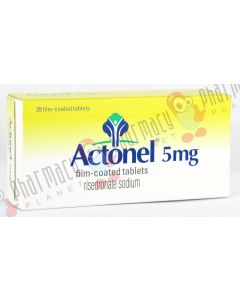
Osteoporosis Treatment Medication
Actonel (Risedronate Sodium) is an osteo ...
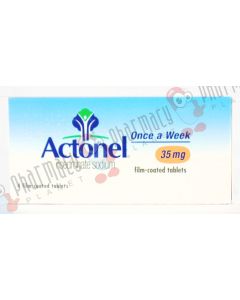
Osteoporosis Treatment Medication
Actonel (Risedronate Sodium) is an osteo ...
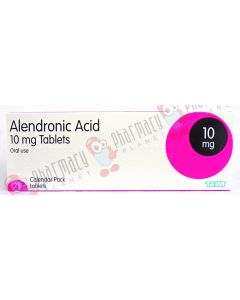
Alendronic tablets belong to a group of non-hormonal medicines called bisph ...
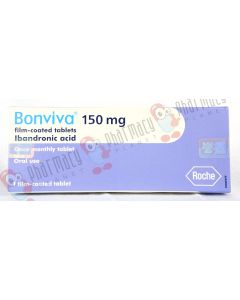
Bonviva is used for the treatment of osteoporosis (a disease that weakens b ...
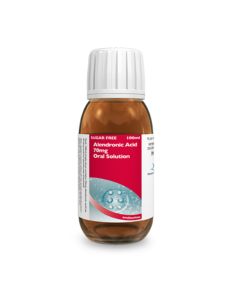
Alendronic Acid Sugar Free Oral Solution belong to a group of non-hormonal ...

Each capsule of Bonefos Sodium Clodronate contains a disodium clodronate te ...
Start your journey with us
Need Help?

Do you have a question about weight loss treatment?
Start your weight loss journey heading in the right direction. Our team are here to help. Whether you’re unsure about which medicine is right for you or need help navigating the world of weight loss drugs, our team are on hand to help you make the right decision. We can put you in touch with one of our experienced weight loss clinicians so you can be sure you’re making the best decision with the most accurate information.
To get in touch, contact our Customer Service team on 0800 978 8956 or email headoffice@pharmacyplanet.com.
Meet the team







Review By
GURDEV SEHMI
Last Updated On : Mar 13 2026
BSc Pharm, MRPharmS, Independent Prescriber, Superintendent Pharmacist, Clinical Lead
GPhC Number: 2050925
Authored By
GURDEV SEHMI
Last Reviewed On : Mar 23 2026
BSc Pharm, MRPharmS, Independent Prescriber, Superintendent Pharmacist, Clinical Lead
GPhC Number: 2050925
Get a free consultation
Speak with one of our clinicians and get personalised advice.
You’re almost there!
It is the prescribers duty to ensure that the medicine is being used safely and appropriately. please answer a few questions about yourself to help us process your request.
- Manesha
Customer Service Team
Confidentiality & Authenticity Assured
- Fully Regulated UK Pharmacy
- Authentic UK sourced medicines only.
- Trading for more than 10 years.
- Information Governance lead ensures all data is confidential
Need Help With Your Questionnaire?
Our customer service team is on hand Monday-Friday to help you with your queries.
Please call us on 08009788956 or
email us at: headoffice@pharmacyplanet.com


