



Bhupinder (Boo) Dhaliwale
Bonefos/Sodium clodronate
Each capsule of Bonefos Sodium Clodronate contains a disodium clodronate tetrahydrate corresponding to 400 mg of anhydrous disodium clodronate. Each ml of solution for injection contains disodium clodronate tetrahydrate corresponding to 60 mg of anhydrous disodium clodronate. Each 5 ml ampoule contains 300 mg of anhydrous disodium clodronate. 400 mg capsules of disodium clodronate tetrahydrate; Excipients q.s.p. Solution for injection 60 mg/ml of anhydrous disodium clodronate; Excipients q.s.p. Bottle with 20 capsules at 400 mg of disodium clodronate tetrahydrate. Box with 5 ampoules of 5 ml to 60 mg/ml of anhydrous disodium clodronate

Bonefos/Sodium clodronate
£239
Total
Starts at
£239
Price Comparison
Select your preferred options and see the best price
| Pack | Price (£) | ||
|---|---|---|---|
| - | 400mg | 120 Caps | 239.00 |
| - | 800mg | 60 Tabs | 245.00 |
It looks like you missed filling in questions from the last consultation.Click Here to submit your response.
Notify me once available
Enter your email to get notified
Out of Stock

No subscriptions or hidden fees

Secure checkout

UK Regulated online pharmacy

Trusted by over 250,000+ happy customers
Bonefos/Sodium Clodronate 400mg & 800mg | Prescription Bisphosphonate for Osteoporosis
Not every patient with osteoporosis is suited to the same bisphosphonate. Individual medical histories, tolerance profiles, renal function, and prescriber assessment can all point toward a medicine that sits outside the most commonly prescribed options. Bonefos/Sodium Clodronate belongs to the bisphosphonate class but occupies a distinct pharmacological position within it. Unlike alendronate and risedronate, sodium clodronate is a non-nitrogen-containing bisphosphonate – a structural and mechanistic distinction that gives it a different profile of action within bone and a different set of clinical applications.
Sodium clodronate is licensed in the UK for the management of osteolysis and hypercalcaemia in patients with malignant disease, and for the treatment of osteoporosis. This page covers its use in osteoporosis and bone preservation. Both the 400mg and 800mg strengths are available, and the daily dose is titrated to the patient's clinical circumstances by the prescriber. This is a Prescription Only Medicine. A clinical consultation is required before any supply can take place.
What Is Bonefos/Sodium Clodronate?
Bonefos is the principal branded name under which sodium clodronate has been prescribed in the UK. Sodium clodronate is available as both 400mg capsules and 800mg tablets. The two strengths allow prescribers to build a daily dosing regimen that suits each patient's clinical needs and tolerability, as the licensed dose range for osteoporosis spans from 800mg to 1600mg daily.
Sodium clodronate belongs to the first generation of bisphosphonates – the non-nitrogen-containing subclass. This subclass also includes etidronate and clodronate's intravenous relative, disodium clodronate. The distinction between nitrogen-containing and non-nitrogen-containing bisphosphonates is not simply taxonomic. It reflects a genuine difference in how these medicines interact with osteoclasts at the cellular level, which has downstream implications for potency, tolerability, and clinical application.
In the context of osteoporosis, sodium clodronate is used for skeletal support and bone preservation, particularly where the nitrogen-containing bisphosphonates such as alendronate and risedronate are not appropriate or tolerated. The prescribing decision is highly individual. Factors including renal function, gastrointestinal history, concurrent medicines, and the patient's overall clinical profile will all inform whether sodium clodronate is the appropriate treatment choice.
Generic sodium clodronate 400mg capsules and 800mg tablets are available alongside branded Bonefos. Both contain the same active ingredient and are subject to UK regulatory requirements for therapeutic equivalence before they can be marketed.
A Different Mechanism: How Sodium Clodronate Acts on Bone
Sodium clodronate and the nitrogen-containing bisphosphonates – alendronate, risedronate, and their relatives – are all members of the bisphosphonate family. They share the same fundamental affinity for bone mineral. All bisphosphonates bind to hydroxyapatite at sites of active bone resorption and are taken up by osteoclast cells as those cells attempt to dissolve bone. Beyond this shared entry point, however, the two classes diverge significantly in their intracellular actions.
Nitrogen-containing bisphosphonates inhibit farnesyl pyrophosphate synthase – an enzyme in the mevalonate pathway – disrupting the production of lipids essential to osteoclast survival. Sodium clodronate works through an entirely different mechanism. Within the osteoclast, clodronate is metabolised into a cytotoxic compound called AppCCl2p – a non-hydrolysable analogue of ATP. This compound accumulates inside the osteoclast and interferes with ATP-dependent processes within the cell, ultimately causing osteoclast dysfunction and programmed cell death.
The practical outcome – reduced osteoclast activity and a slowing of bone resorption – is shared between the two classes. The pathway to that outcome is different. This mechanistic distinction is clinically relevant because it means that patients who have not tolerated or responded to nitrogen-containing bisphosphonates are not necessarily contraindicated to sodium clodronate, as the molecular target within the osteoclast is different.
Because sodium clodronate acts through osteoclast suppression rather than through the mevalonate pathway, it does not carry the acute phase reaction associated with first-dose nitrogen-containing bisphosphonate therapy. It also does not produce the same potential for musculoskeletal pain seen occasionally with the nitrogen-containing class. These differences contribute to the tolerability profile that makes sodium clodronate a meaningful option in selected patient populations.
Taking Sodium Clodronate Correctly: Timing, Food, and Fluid
Sodium clodronate capsules and tablets should be swallowed whole with a full glass of plain water. The precise timing of doses relative to food is an important aspect of administration and differs in its requirements from the nitrogen-containing bisphosphonates covered elsewhere in the Pharmacy Planet osteoporosis catalogue.
The 400mg capsules and 800mg tablets should not be taken within two hours either side of food, dairy products, calcium-containing supplements, antacids, or iron preparations. This two-hour separation on both sides of the dose – not simply before – distinguishes the administration guidance for sodium clodronate from that of alendronate or risedronate, which require only a pre-dose fasting window. The reason is consistent: food and calcium-containing products bind to the medicine in the gut and reduce the amount absorbed into the bloodstream to a clinically significant degree.
Many patients on sodium clodronate find it most practical to take the dose in the middle of the morning, at least two hours after breakfast and at least two hours before a midday meal, or to take it at another time of day when food is reliably absent for the required period. The exact timing should be discussed with the prescriber or pharmacist, who can advise on the most workable schedule for each individual's daily routine.
The daily dose is taken as a single dose or divided into two doses, as directed by the prescriber. Where the total daily dose is 800mg, this may be taken as a single 800mg tablet or as two 400mg capsules together. Where the prescriber has directed a 1600mg daily dose, this may be taken as a single 1600mg dose or split into two 800mg doses taken at separate times, each observing the two-hour food-free window. Follow your prescriber's specific instructions precisely.
Do not take sodium clodronate with milk or calcium-fortified drinks. Avoid iron supplements and most multivitamins containing mineral compounds within the two-hour window. If you are unsure whether a specific product interacts, ask your pharmacist before taking it.
Available Strengths and Prescribed Dose Ranges
The 400mg and 800mg Formulations
Sodium clodronate is available in two strengths. The 400mg strength is formulated as a capsule; the 800mg strength is formulated as a tablet. The prescriber will specify which strength or combination of strengths to use and the total daily dose to take.
Renal Function and Dose Adjustment
Sodium clodronate is renally cleared. Patients with impaired kidney function require careful prescriber assessment before commencing treatment, and dose adjustment may be necessary depending on the degree of renal impairment. The medicine is generally contraindicated in patients with severe renal impairment. Renal function should be assessed before starting treatment and monitored periodically during treatment, as the accumulation of clodronate in the presence of declining renal function can increase the risk of adverse effects.
This monitoring requirement distinguishes sodium clodronate from some other bisphosphonates in the catalogue and makes accurate reporting of kidney disease, previous kidney problems, or medicines that affect renal function particularly important during the prescribing consultation.
Duration of Treatment
Sodium clodronate for osteoporosis is typically prescribed as a long-term treatment. The prescriber will review the clinical benefit periodically and will reassess whether continuing, adjusting, or changing therapy remains appropriate. Do not stop taking sodium clodronate without speaking to your prescriber first.
Side Effects, Safety Signals, and What to Watch For
Sodium clodronate is generally well tolerated. Its tolerability profile differs in meaningful ways from the nitrogen-containing bisphosphonates: it does not cause the acute phase reaction seen with first-dose alendronate, and severe musculoskeletal pain is not a recognised characteristic of this class. The most commonly reported side effects are gastrointestinal in nature.
Common Side Effects (may affect up to 1 in 10 people)
- Diarrhoea
- Nausea
- Abdominal discomfort or cramping
- Vomiting
Uncommon and Clinically Important Side Effects
- Skin reactions, including rash and pruritus
- Elevated liver enzymes on blood tests – typically transient and asymptomatic, but should be monitored
- Renal impairment – particularly relevant in patients with pre-existing kidney disease or those taking NSAIDs concurrently
- Low calcium levels in the blood (hypocalcaemia), particularly where calcium and vitamin D intake is insufficient
Serious Adverse Effects Requiring Prompt Medical Attention
The following serious adverse effects have been associated with sodium clodronate and with the bisphosphonate class more broadly. Patients should be aware of them and report any relevant new symptoms to their prescriber without delay.
- Osteonecrosis of the jaw (ONJ): rare deterioration of jaw bone tissue, particularly following invasive dental procedures. Patients taking sodium clodronate should inform their dentist of their treatment before undergoing any planned dental surgery, extraction, or implant procedure. Regular oral hygiene review is advisable throughout treatment.
- Renal toxicity: in susceptible patients, particularly those with pre-existing kidney impairment or those taking concurrent NSAIDs, sodium clodronate can adversely affect renal function. Any new symptoms suggesting worsening renal function – reduced urine output, ankle swelling, or unexplained fatigue – should be reported to the prescriber.
- Severe hypocalcaemia: low blood calcium can cause muscle cramps, tingling in the fingers and around the mouth, and in severe cases cardiac arrhythmia. This risk is particularly relevant in patients with vitamin D deficiency.
Atypical femoral fractures, which are associated with nitrogen-containing bisphosphonates in long-term use, have not been consistently reported with sodium clodronate in the same way. However, any new or unusual thigh or hip pain developing during treatment should be reported to the prescriber for clinical assessment.
Assessing Suitability: Who Sodium Clodronate Is and Is Not For
Patients for Whom Sodium Clodronate May Be Appropriate
Sodium clodronate is prescribed for adults with osteoporosis where the prescriber determines it to be clinically appropriate, having considered the full range of available treatment options. It may be particularly relevant for patients who have not tolerated nitrogen-containing bisphosphonates, who have oesophageal conditions that make the strict upright posture requirements of alendronate or risedronate impractical, or whose prescribing history and clinical context makes a non-nitrogen-containing bisphosphonate preferable.
It is also used in the management of malignant bone disease – a distinct licensed indication not covered on this page. Patients should be clear about which indication their prescription relates to, and this will be addressed during the clinical consultation.
Contraindications and Cautions
Sodium clodronate should not be used in patients with any of the following conditions.
- Severe renal impairment – the prescriber will assess renal function and determine whether treatment is safe
- Pregnancy – bisphosphonates cross the placental barrier and are not recommended during pregnancy
- Breastfeeding – the safety of sodium clodronate during breastfeeding has not been established
- Known hypersensitivity to sodium clodronate or any excipient in the capsule or tablet formulation
- Uncorrected hypocalcaemia at the start of treatment
Patients with mild to moderate renal impairment may use sodium clodronate under careful medical supervision, with dose adjustment as directed by the prescriber and regular monitoring of renal function throughout treatment. Patients currently taking NSAIDs must disclose this during their consultation, as this combination carries a recognised risk of renal toxicity and requires clinical evaluation before prescribing.
Concurrent administration of aminoglycoside antibiotics with sodium clodronate is not recommended, as this combination may increase the risk of hypocalcaemia. Inform your prescriber of all medicines you are taking, including antibiotics prescribed by other clinicians, before starting sodium clodronate.
Your Consultation at Pharmacy Planet: What to Expect
Sodium clodronate is a Prescription Only Medicine. A clinical consultation is the essential first step. The consultation exists to determine whether this specific treatment is appropriate for you as an individual. A prescription is a possible outcome of that consultation, not a guaranteed one. It will be issued only where the prescriber is satisfied that sodium clodronate is clinically suitable for you.
Because sodium clodronate is associated with specific safety considerations – particularly around renal function and concurrent NSAID use – the prescribing consultation will place particular emphasis on your kidney health history and your current medication list. Patients with any history of kidney disease, reduced kidney function, or regular NSAID use should ensure they disclose this clearly and fully during the consultation. The clinical safety of sodium clodronate in your individual case depends on this information being accurate and complete.
If you are being prescribed sodium clodronate for the first time, the prescriber will review your bone health diagnosis, bone density history, your previous experience of bisphosphonate therapy if applicable, and your overall clinical profile. If you are seeking an ongoing supply of an existing prescription, the prescriber will confirm that continued treatment remains appropriate and that no new clinical factors have emerged that would warrant a change.
If additional clinical information is required before a prescribing decision can be made – for example, a recent renal function blood test result – you will be informed and guided accordingly. Our pharmacy team is available to assist with any queries about the consultation or the prescribing process.
Keeping Your Medicine Safe: Storage and Disposal
Store sodium clodronate capsules and tablets below 25 degrees Celsius in a dry location. Keep them in their original packaging. The 400mg capsule and 800mg tablet formulations have different physical presentations and must not be mixed or confused when organising a daily regimen that uses both strengths. Label any pill organiser clearly to avoid errors.
Check the expiry date printed on each pack before use. Do not take capsules or tablets beyond the expiry date; the date refers to the last day of the month printed on the packaging. Sodium clodronate is taken daily, so supply management is straightforward – check the remaining quantity regularly to avoid an unplanned gap in treatment.
Keep all medicines, including sodium clodronate, out of the reach and sight of children. Return any unused or expired medicine to a pharmacy for safe disposal. Do not dispose of medicines in household waste or via drains, in line with UK environmental guidance.
Comparing Oral Osteoporosis Treatments: What You Need to Know
All seven medicines listed below are oral tablets or capsules prescribed for osteoporosis, the same therapeutic category and the same form factor, making direct comparison appropriate. They differ in their active ingredient, dosing frequency, licensed indication, and mechanism of action.
The table below compares commonly prescribed oral bisphosphonate treatments available through Pharmacy Planet's osteoporosis service. Products are listed in order of dosing frequency, from daily to monthly, so you can quickly identify how each medicine fits into a patient's routine.
| Product | Form | How Often Taken | Dose | Main Licensed Use | Effect Timeline | Key Patient Note |
|---|---|---|---|---|---|---|
| Alendronic Acid SF Oral Solution | Oral liquid (sugar-free) | Once daily | 70mg / 100ml | Osteoporosis in postmenopausal women and men | Bone density change measurable from 6 months | Sugar-free liquid for patients unable to swallow tablets. Suitable for diabetics. Take with plain water; remain upright 30 min after dose. |
| Alendronic Acid / Fosamax Daily | Film-coated tablet | Once daily | 10mg | Osteoporosis in postmenopausal women and men | Bone density change measurable from 6 months | Original daily alendronate. Same total weekly dose as the 70mg weekly tablet. Daily GI exposure – some patients tolerate weekly schedule better. Upright 30 min after. |
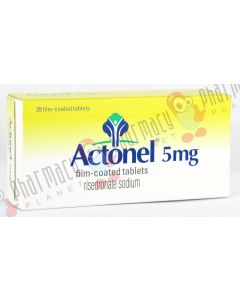
| Actonel / Risedronate Daily | Film-coated tablet | Once daily | 5mg | Osteoporosis in postmenopausal women; men; and glucocorticoid-induced osteoporosis | Bone density change measurable from 6 months | Only product in this catalogue with a specific licence for glucocorticoid (steroid)-induced bone loss. Upright 30 min after dose. |
| Bonefos / Sodium Clodronate | Capsule (400mg) or Tablet (800mg) | Once daily | 800mg–1600mg daily | Osteoporosis; also osteolysis and hypercalcaemia in malignant disease | Bone turnover marker reduction from weeks; density change from months | Only non-nitrogen bisphosphonate here – different cellular mechanism to all others. Food-free window required 2 hrs BEFORE and AFTER dose. Requires renal monitoring. Avoid concurrent NSAIDs. |
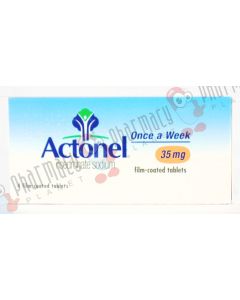
| Actonel / Risedronate Once Weekly | Film-coated tablet | Once weekly | 35mg | Osteoporosis in postmenopausal women to reduce vertebral fracture risk | Bone density change measurable from 6 months | Licensed specifically for postmenopausal women at this dose – not men. One dose per week on a fixed chosen day. Upright 30 min after dose. |
Important: This comparison is for general information only and does not replace medical advice. A prescriber will decide which treatment is suitable for you following an online consultation. All medicines listed are Prescription Only Medicines (POMs). Suitability depends on individual clinical circumstances including diagnosis, renal function, medical history, and concurrent medicines.
Pharmacy Planet: Regulated, Patient-Centred Care
Pharmacy Planet is a GPhC-registered online pharmacy providing regulated prescription medicines to patients across the UK. All medicines we dispense are reviewed by a qualified pharmacist before dispatch, and our clinical consultation service is operated in full compliance with GPhC standards for online prescribing.
Sodium clodronate is a medicine that requires careful clinical oversight – particularly in relation to renal monitoring and drug interactions. Our consultation process is designed to capture the clinical information necessary for a safe prescribing decision, and our pharmacist team is available to answer questions about your treatment, including guidance on administration timing, supplement management, and what to monitor during ongoing use.
We are committed to providing safe access to prescribed medicines for patients who need them, and to ensuring that every prescription dispensed through our pharmacy reflects a genuine clinical assessment of that individual patient's needs and circumstances.
References
- electronic Medicines Compendium (emc). Bonefos 400mg Capsules / Bonefos 800mg Tablets / Sodium Clodronate 400mg and 800mg – Summary of Product Characteristics. www.medicines.org.uk/emc. Accessed June 2026.
- British National Formulary (BNF). Sodium clodronate. bnf.nice.org.uk/drugs/sodium-clodronate. Accessed June 2026.
- NHS. Sodium clodronate. www.nhs.uk/medicines/sodium-clodronate. Accessed June 2026.
- National Osteoporosis Guideline Group (NOGG). Clinical Guideline for the Prevention and Treatment of Osteoporosis. www.nogg.org.uk. Accessed June 2026.
- Fleisch H. Bisphosphonates: mechanisms of action. Endocrine Reviews. 1998;19(1):80-100. Historical reference for non-nitrogen bisphosphonate mechanism including AppCCl2p.
Bonefos/Sodium Clodronate
Not every patient with osteoporosis is suited to the same bisphosphonate. Individual medical histories, tolerance profiles, renal function, and prescriber assessment can all point toward a medicine that sits outside the most commonly prescribed options. Bonefos/Sodium Clodronate belongs to the bisphosphonate class but occupies a distinct pharmacological position within it. Unlike alendronate and risedronate, sodium clodronate is a non-nitrogen-containing bisphosphonate – a structural and mechanistic distinction that gives it a different profile of action within bone and a different set of clinical applications.
Sodium clodronate is licensed in the UK for the management of osteolysis and hypercalcaemia in patients with malignant disease, and for the treatment of osteoporosis. This page covers its use in osteoporosis and bone preservation. Both the 400mg and 800mg strengths are available, and the daily dose is titrated to the patient's clinical circumstances by the prescriber. This is a Prescription Only Medicine. A clinical consultation is required before any supply can take place.
Bonefos is the principal branded name under which sodium clodronate has been prescribed in the UK. Sodium clodronate is available as both 400mg capsules and 800mg tablets. The two strengths allow prescribers to build a daily dosing regimen that suits each patient's clinical needs and tolerability, as the licensed dose range for osteoporosis spans from 800mg to 1600mg daily.
Sodium clodronate belongs to the first generation of bisphosphonates – the non-nitrogen-containing subclass. This subclass also includes etidronate and clodronate's intravenous relative, disodium clodronate. The distinction between nitrogen-containing and non-nitrogen-containing bisphosphonates is not simply taxonomic. It reflects a genuine difference in how these medicines interact with osteoclasts at the cellular level, which has downstream implications for potency, tolerability, and clinical application.
In the context of osteoporosis, sodium clodronate is used for skeletal support and bone preservation, particularly where the nitrogen-containing bisphosphonates such as alendronate and risedronate are not appropriate or tolerated. The prescribing decision is highly individual. Factors including renal function, gastrointestinal history, concurrent medicines, and the patient's overall clinical profile will all inform whether sodium clodronate is the appropriate treatment choice.
Generic sodium clodronate 400mg capsules and 800mg tablets are available alongside branded Bonefos. Both contain the same active ingredient and are subject to UK regulatory requirements for therapeutic equivalence before they can be marketed.
Sodium clodronate and the nitrogen-containing bisphosphonates – alendronate, risedronate, and their relatives – are all members of the bisphosphonate family. They share the same fundamental affinity for bone mineral. All bisphosphonates bind to hydroxyapatite at sites of active bone resorption and are taken up by osteoclast cells as those cells attempt to dissolve bone. Beyond this shared entry point, however, the two classes diverge significantly in their intracellular actions.
Nitrogen-containing bisphosphonates inhibit farnesyl pyrophosphate synthase – an enzyme in the mevalonate pathway – disrupting the production of lipids essential to osteoclast survival. Sodium clodronate works through an entirely different mechanism. Within the osteoclast, clodronate is metabolised into a cytotoxic compound called AppCCl2p – a non-hydrolysable analogue of ATP. This compound accumulates inside the osteoclast and interferes with ATP-dependent processes within the cell, ultimately causing osteoclast dysfunction and programmed cell death.
The practical outcome – reduced osteoclast activity and a slowing of bone resorption – is shared between the two classes. The pathway to that outcome is different. This mechanistic distinction is clinically relevant because it means that patients who have not tolerated or responded to nitrogen-containing bisphosphonates are not necessarily contraindicated to sodium clodronate, as the molecular target within the osteoclast is different.
Because sodium clodronate acts through osteoclast suppression rather than through the mevalonate pathway, it does not carry the acute phase reaction associated with first-dose nitrogen-containing bisphosphonate therapy. It also does not produce the same potential for musculoskeletal pain seen occasionally with the nitrogen-containing class. These differences contribute to the tolerability profile that makes sodium clodronate a meaningful option in selected patient populations.
Sodium clodronate capsules and tablets should be swallowed whole with a full glass of plain water. The precise timing of doses relative to food is an important aspect of administration and differs in its requirements from the nitrogen-containing bisphosphonates covered elsewhere in the Pharmacy Planet osteoporosis catalogue.
The 400mg capsules and 800mg tablets should not be taken within two hours either side of food, dairy products, calcium-containing supplements, antacids, or iron preparations. This two-hour separation on both sides of the dose – not simply before – distinguishes the administration guidance for sodium clodronate from that of alendronate or risedronate, which require only a pre-dose fasting window. The reason is consistent: food and calcium-containing products bind to the medicine in the gut and reduce the amount absorbed into the bloodstream to a clinically significant degree.
Many patients on sodium clodronate find it most practical to take the dose in the middle of the morning, at least two hours after breakfast and at least two hours before a midday meal, or to take it at another time of day when food is reliably absent for the required period. The exact timing should be discussed with the prescriber or pharmacist, who can advise on the most workable schedule for each individual's daily routine.
The daily dose is taken as a single dose or divided into two doses, as directed by the prescriber. Where the total daily dose is 800mg, this may be taken as a single 800mg tablet or as two 400mg capsules together. Where the prescriber has directed a 1600mg daily dose, this may be taken as a single 1600mg dose or split into two 800mg doses taken at separate times, each observing the two-hour food-free window. Follow your prescriber's specific instructions precisely.
Do not take sodium clodronate with milk or calcium-fortified drinks. Avoid iron supplements and most multivitamins containing mineral compounds within the two-hour window. If you are unsure whether a specific product interacts, ask your pharmacist before taking it.
The 400mg and 800mg Formulations
Sodium clodronate is available in two strengths. The 400mg strength is formulated as a capsule; the 800mg strength is formulated as a tablet. The prescriber will specify which strength or combination of strengths to use and the total daily dose to take.
Renal Function and Dose Adjustment
Sodium clodronate is renally cleared. Patients with impaired kidney function require careful prescriber assessment before commencing treatment, and dose adjustment may be necessary depending on the degree of renal impairment. The medicine is generally contraindicated in patients with severe renal impairment. Renal function should be assessed before starting treatment and monitored periodically during treatment, as the accumulation of clodronate in the presence of declining renal function can increase the risk of adverse effects.
This monitoring requirement distinguishes sodium clodronate from some other bisphosphonates in the catalogue and makes accurate reporting of kidney disease, previous kidney problems, or medicines that affect renal function particularly important during the prescribing consultation.
Duration of Treatment
Sodium clodronate for osteoporosis is typically prescribed as a long-term treatment. The prescriber will review the clinical benefit periodically and will reassess whether continuing, adjusting, or changing therapy remains appropriate. Do not stop taking sodium clodronate without speaking to your prescriber first.
Sodium clodronate is generally well tolerated. Its tolerability profile differs in meaningful ways from the nitrogen-containing bisphosphonates: it does not cause the acute phase reaction seen with first-dose alendronate, and severe musculoskeletal pain is not a recognised characteristic of this class. The most commonly reported side effects are gastrointestinal in nature.
Common Side Effects (may affect up to 1 in 10 people)
- Diarrhoea
- Nausea
- Abdominal discomfort or cramping
- Vomiting
Uncommon and Clinically Important Side Effects
- Skin reactions, including rash and pruritus
- Elevated liver enzymes on blood tests – typically transient and asymptomatic, but should be monitored
- Renal impairment – particularly relevant in patients with pre-existing kidney disease or those taking NSAIDs concurrently
- Low calcium levels in the blood (hypocalcaemia), particularly where calcium and vitamin D intake is insufficient
Serious Adverse Effects Requiring Prompt Medical Attention
The following serious adverse effects have been associated with sodium clodronate and with the bisphosphonate class more broadly. Patients should be aware of them and report any relevant new symptoms to their prescriber without delay.
- Osteonecrosis of the jaw (ONJ): rare deterioration of jaw bone tissue, particularly following invasive dental procedures. Patients taking sodium clodronate should inform their dentist of their treatment before undergoing any planned dental surgery, extraction, or implant procedure. Regular oral hygiene review is advisable throughout treatment.
- Renal toxicity: in susceptible patients, particularly those with pre-existing kidney impairment or those taking concurrent NSAIDs, sodium clodronate can adversely affect renal function. Any new symptoms suggesting worsening renal function – reduced urine output, ankle swelling, or unexplained fatigue – should be reported to the prescriber.
- Severe hypocalcaemia: low blood calcium can cause muscle cramps, tingling in the fingers and around the mouth, and in severe cases cardiac arrhythmia. This risk is particularly relevant in patients with vitamin D deficiency.
Atypical femoral fractures, which are associated with nitrogen-containing bisphosphonates in long-term use, have not been consistently reported with sodium clodronate in the same way. However, any new or unusual thigh or hip pain developing during treatment should be reported to the prescriber for clinical assessment.
Patients for Whom Sodium Clodronate May Be Appropriate
Sodium clodronate is prescribed for adults with osteoporosis where the prescriber determines it to be clinically appropriate, having considered the full range of available treatment options. It may be particularly relevant for patients who have not tolerated nitrogen-containing bisphosphonates, who have oesophageal conditions that make the strict upright posture requirements of alendronate or risedronate impractical, or whose prescribing history and clinical context makes a non-nitrogen-containing bisphosphonate preferable.
It is also used in the management of malignant bone disease – a distinct licensed indication not covered on this page. Patients should be clear about which indication their prescription relates to, and this will be addressed during the clinical consultation.
Contraindications and Cautions
Sodium clodronate should not be used in patients with any of the following conditions.
- Severe renal impairment – the prescriber will assess renal function and determine whether treatment is safe
- Pregnancy – bisphosphonates cross the placental barrier and are not recommended during pregnancy
- Breastfeeding – the safety of sodium clodronate during breastfeeding has not been established
- Known hypersensitivity to sodium clodronate or any excipient in the capsule or tablet formulation
- Uncorrected hypocalcaemia at the start of treatment
Patients with mild to moderate renal impairment may use sodium clodronate under careful medical supervision, with dose adjustment as directed by the prescriber and regular monitoring of renal function throughout treatment. Patients currently taking NSAIDs must disclose this during their consultation, as this combination carries a recognised risk of renal toxicity and requires clinical evaluation before prescribing.
Concurrent administration of aminoglycoside antibiotics with sodium clodronate is not recommended, as this combination may increase the risk of hypocalcaemia. Inform your prescriber of all medicines you are taking, including antibiotics prescribed by other clinicians, before starting sodium clodronate.
Sodium clodronate is a Prescription Only Medicine. A clinical consultation is the essential first step. The consultation exists to determine whether this specific treatment is appropriate for you as an individual. A prescription is a possible outcome of that consultation, not a guaranteed one. It will be issued only where the prescriber is satisfied that sodium clodronate is clinically suitable for you.
Because sodium clodronate is associated with specific safety considerations – particularly around renal function and concurrent NSAID use – the prescribing consultation will place particular emphasis on your kidney health history and your current medication list. Patients with any history of kidney disease, reduced kidney function, or regular NSAID use should ensure they disclose this clearly and fully during the consultation. The clinical safety of sodium clodronate in your individual case depends on this information being accurate and complete.
If you are being prescribed sodium clodronate for the first time, the prescriber will review your bone health diagnosis, bone density history, your previous experience of bisphosphonate therapy if applicable, and your overall clinical profile. If you are seeking an ongoing supply of an existing prescription, the prescriber will confirm that continued treatment remains appropriate and that no new clinical factors have emerged that would warrant a change.
If additional clinical information is required before a prescribing decision can be made – for example, a recent renal function blood test result – you will be informed and guided accordingly. Our pharmacy team is available to assist with any queries about the consultation or the prescribing process.
Store sodium clodronate capsules and tablets below 25 degrees Celsius in a dry location. Keep them in their original packaging. The 400mg capsule and 800mg tablet formulations have different physical presentations and must not be mixed or confused when organising a daily regimen that uses both strengths. Label any pill organiser clearly to avoid errors.
Check the expiry date printed on each pack before use. Do not take capsules or tablets beyond the expiry date; the date refers to the last day of the month printed on the packaging. Sodium clodronate is taken daily, so supply management is straightforward – check the remaining quantity regularly to avoid an unplanned gap in treatment.
Keep all medicines, including sodium clodronate, out of the reach and sight of children. Return any unused or expired medicine to a pharmacy for safe disposal. Do not dispose of medicines in household waste or via drains, in line with UK environmental guidance.
All seven medicines listed below are oral tablets or capsules prescribed for osteoporosis, the same therapeutic category and the same form factor, making direct comparison appropriate. They differ in their active ingredient, dosing frequency, licensed indication, and mechanism of action.
The table below compares commonly prescribed oral bisphosphonate treatments available through Pharmacy Planet's osteoporosis service. Products are listed in order of dosing frequency, from daily to monthly, so you can quickly identify how each medicine fits into a patient's routine.
| Product | Form | How Often Taken | Dose | Main Licensed Use | Effect Timeline | Key Patient Note |
|---|---|---|---|---|---|---|
| Alendronic Acid SF Oral Solution | Oral liquid (sugar-free) | Once daily | 70mg / 100ml | Osteoporosis in postmenopausal women and men | Bone density change measurable from 6 months | Sugar-free liquid for patients unable to swallow tablets. Suitable for diabetics. Take with plain water; remain upright 30 min after dose. |
| Alendronic Acid / Fosamax Daily | Film-coated tablet | Once daily | 10mg | Osteoporosis in postmenopausal women and men | Bone density change measurable from 6 months | Original daily alendronate. Same total weekly dose as the 70mg weekly tablet. Daily GI exposure – some patients tolerate weekly schedule better. Upright 30 min after. |
| Actonel / Risedronate Daily | Film-coated tablet | Once daily | 5mg | Osteoporosis in postmenopausal women; men; and glucocorticoid-induced osteoporosis | Bone density change measurable from 6 months | Only product in this catalogue with a specific licence for glucocorticoid (steroid)-induced bone loss. Upright 30 min after dose. |
| Bonefos / Sodium Clodronate | Capsule (400mg) or Tablet (800mg) | Once daily | 800mg–1600mg daily | Osteoporosis; also osteolysis and hypercalcaemia in malignant disease | Bone turnover marker reduction from weeks; density change from months | Only non-nitrogen bisphosphonate here – different cellular mechanism to all others. Food-free window required 2 hrs BEFORE and AFTER dose. Requires renal monitoring. Avoid concurrent NSAIDs. |
| Actonel / Risedronate Once Weekly | Film-coated tablet | Once weekly | 35mg | Osteoporosis in postmenopausal women to reduce vertebral fracture risk | Bone density change measurable from 6 months | Licensed specifically for postmenopausal women at this dose – not men. One dose per week on a fixed chosen day. Upright 30 min after dose. |
Important: This comparison is for general information only and does not replace medical advice. A prescriber will decide which treatment is suitable for you following an online consultation. All medicines listed are Prescription Only Medicines (POMs). Suitability depends on individual clinical circumstances including diagnosis, renal function, medical history, and concurrent medicines.
Pharmacy Planet is a GPhC-registered online pharmacy providing regulated prescription medicines to patients across the UK. All medicines we dispense are reviewed by a qualified pharmacist before dispatch, and our clinical consultation service is operated in full compliance with GPhC standards for online prescribing.
Sodium clodronate is a medicine that requires careful clinical oversight – particularly in relation to renal monitoring and drug interactions. Our consultation process is designed to capture the clinical information necessary for a safe prescribing decision, and our pharmacist team is available to answer questions about your treatment, including guidance on administration timing, supplement management, and what to monitor during ongoing use.
We are committed to providing safe access to prescribed medicines for patients who need them, and to ensuring that every prescription dispensed through our pharmacy reflects a genuine clinical assessment of that individual patient's needs and circumstances.
- electronic Medicines Compendium (emc). Bonefos 400mg Capsules / Bonefos 800mg Tablets / Sodium Clodronate 400mg and 800mg – Summary of Product Characteristics. www.medicines.org.uk/emc. Accessed June 2026.
- British National Formulary (BNF). Sodium clodronate. bnf.nice.org.uk/drugs/sodium-clodronate. Accessed June 2026.
- NHS. Sodium clodronate. www.nhs.uk/medicines/sodium-clodronate. Accessed June 2026.
- National Osteoporosis Guideline Group (NOGG). Clinical Guideline for the Prevention and Treatment of Osteoporosis. www.nogg.org.uk. Accessed June 2026.
- Fleisch H. Bisphosphonates: mechanisms of action. Endocrine Reviews. 1998;19(1):80-100. Historical reference for non-nitrogen bisphosphonate mechanism including AppCCl2p.
Frequently Asked Questions
Bonefos, containing sodium clodronate, is prescribed for the treatment of osteoporosis and for the management of bone complications in patients with malignant disease, including osteolysis and hypercalcaemia. This product page covers the osteoporosis indication only. In the context of bone health, sodium clodronate slows the rate at which osteoclasts break down bone, helping to preserve bone density and reduce fracture risk. It is available in 400mg capsules and 800mg tablets. It is a Prescription Only Medicine and cannot be obtained without a valid prescription from a registered prescriber.
Both are bisphosphonates and both slow bone resorption by acting on osteoclasts, but they do so through different molecular mechanisms. Alendronic acid is a nitrogen-containing bisphosphonate that inhibits the mevalonate pathway within the osteoclast. Sodium clodronate is a non-nitrogen-containing bisphosphonate that is metabolised inside the osteoclast into a cytotoxic ATP analogue, causing cell dysfunction through a completely different route. This mechanistic difference means the two medicines have different potency profiles, different tolerability characteristics, and different clinical positioning. The prescriber will determine which is more appropriate for each individual patient.
Unlike alendronate and risedronate, which require only a pre-dose fasting period, sodium clodronate requires a two-hour food-free window before and after the dose. Food, dairy products, calcium supplements, antacids, and iron preparations all bind to sodium clodronate in the gut and impair its absorption. Because absorption of sodium clodronate is already low under the best conditions, allowing food or calcium-containing products to further reduce it would compromise the clinical effectiveness of the medicine. Maintaining the two-hour window on both sides of the dose is therefore an essential part of taking it correctly.
Sodium clodronate is cleared from the body by the kidneys, and it can affect renal function in susceptible patients. The risk is higher in patients with pre-existing kidney disease and in those taking NSAIDs concurrently. Before starting sodium clodronate, your prescriber will assess your renal function, and ongoing monitoring of kidney health is advisable during long-term treatment. Report any symptoms suggesting declining kidney function – such as reduced urine output, ankle swelling, or unexplained fatigue – to your prescriber promptly. This is an important safety consideration specific to sodium clodronate that does not apply in the same way to alendronate or risedronate.
You should not take NSAIDs such as ibuprofen, naproxen, or diclofenac concurrently with sodium clodronate without first discussing it with your prescriber. The combination carries a recognised risk of renal toxicity, because both NSAIDs and clodronate can individually place stress on the kidneys, and their combined use can amplify this risk. If you need pain relief during treatment with sodium clodronate, speak to your prescriber or pharmacist about the safest option for you. Do not self-medicate with anti-inflammatory painkillers without confirming that it is safe to do so in the context of your clodronate treatment.
Sodium clodronate and alendronate share some gastrointestinal side effects – nausea, diarrhoea, and abdominal discomfort are common to both. However, there are meaningful differences in the two profiles. Sodium clodronate does not typically cause the acute phase reaction – fever, muscle aches, and fatigue – that can follow a first dose of a nitrogen-containing bisphosphonate. Severe musculoskeletal pain, which is a recognised adverse effect category for nitrogen-containing bisphosphonates, is not prominently associated with sodium clodronate. The renal monitoring requirement is more prominent with sodium clodronate than with standard alendronate therapy.
Yes, in most cases. Because sodium clodronate requires intact renal function for safe use, and because pre-existing hypocalcaemia is a contraindication to starting bisphosphonate therapy, prescribers will typically want to confirm renal function and calcium levels before initiating treatment. If you have not had recent blood tests, the prescribing consultation is the appropriate point at which to discuss what tests are required before treatment can begin. Ongoing monitoring of renal function during treatment is also recommended, particularly for patients with any degree of pre-existing kidney impairment.
Yes. Osteonecrosis of the jaw is a rare but serious adverse effect associated with the bisphosphonate class, including sodium clodronate. The risk is concentrated around invasive dental procedures that disturb jaw bone – such as extractions, dental implant placement, and oral surgery. Inform your dentist that you are taking sodium clodronate before any dental procedure is planned, not only those involving the jaw bone. Your dentist and prescriber can then communicate about the most appropriate timing and approach for any planned dental work. Maintaining good dental hygiene throughout your treatment reduces the background risk.
If you eat or drink something other than plain water within the two-hour window around your sodium clodronate dose, the absorption of that dose will be reduced. The degree of reduction depends on what was consumed and how soon before or after the dose it was taken. Do not take a replacement dose to compensate. Simply take your next scheduled dose at the correct time, ensuring the two-hour food-free window is properly observed. If you find it difficult to consistently maintain the two-hour window around your dose timing, discuss this with your pharmacist, who can help you find a practical routine that minimises the risk of accidental food interference.
Calcium and vitamin D supplements are commonly prescribed alongside bisphosphonate therapy, including sodium clodronate, to support bone mineralisation and ensure adequate nutritional support for bone health. However, calcium supplements must not be taken within two hours of a sodium clodronate dose, as calcium directly impairs its absorption. Take your calcium and vitamin D supplement at a different time of day, ensuring the two-hour separation from your clodronate dose is maintained. Your prescriber will advise whether supplementation is appropriate for your individual nutritional and clinical circumstances.
How it works

Complete our online
clinical consultation
clinical consultation
Answer a few questions on your health and your fitness goals.

Clinical
assessment
assessment
Our clinicians will review your clinical questionnaire to make sure treatment is right for you.

Welcome
aboard!
aboard!
Once approved, you will access our wealth of experience and resources curated by our team and begin your clinical journey.
Treatment options
Osteoporosis Treatment Medication
Actonel (Risedronate Sodium) is an osteo ...
Osteoporosis Treatment Medication
Actonel (Risedronate Sodium) is an osteo ...
Alendronic tablets belong to a group of non-hormonal medicines called bisph ...
Alendronic tablets belong to a group of non-hormonal medicines called bisph ...
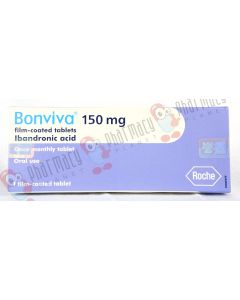
Bonviva is used for the treatment of osteoporosis (a disease that weakens b ...
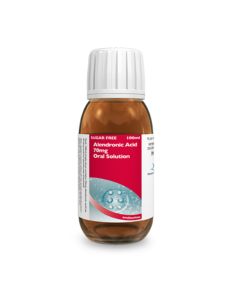
Alendronic Acid Sugar Free Oral Solution belong to a group of non-hormonal ...
Need Help?

Do you have a question about weight loss treatment?
Start your weight loss journey heading in the right direction. Our team are here to help. Whether you’re unsure about which medicine is right for you or need help navigating the world of weight loss drugs, our team are on hand to help you make the right decision. We can put you in touch with one of our experienced weight loss clinicians so you can be sure you’re making the best decision with the most accurate information.
To get in touch, contact our Customer Service team on 0800 978 8956 or email headoffice@pharmacyplanet.com.
Meet the team







Review By
HARMINDER ‘HARMY’ KAUR
Last Updated On : Mar 13 2026
BSc(hons) Pharmacy
GPhC Number: 2061107

Authored By
GURDEV SEHMI
Last Reviewed On : Mar 23 2026
BSc Pharm, MRPharmS, Independent Prescriber, Superintendent Pharmacist, Clinical Lead
GPhC Number: 2050925


