



Bhupinder (Boo) Dhaliwale
Nuvaring
NuvaRing is a flexible, soft vaginal ring designed for monthly use as a method of birth control. It is inserted once a month and left in place for three weeks, followed by a one-week break. During this time, it releases hormones that work to prevent ovulation and alter cervical mucus, making it more difficult for sperm to reach an egg. Many users appreciate the ease of use and the fact that it does not require daily attention like some other contraceptive options.

Consult

Select

Checkout
01
Select
the items you wish
to order
02
Order reviewed
by our qualified
prescriber
03
Delivered
to your door step
Your Selection
Please use the options provided to make your final selection.

Nuvaring
£52
Total

You’re almost there!
It is the prescribers duty to ensure that the medicine is being used safely and appropriately. please answer a few questions about yourself to help us process your request.
- Manesha
Customer Service Team
Confidentiality & Authenticity Assured
- Fully Regulated UK Pharmacy
- Authentic UK sourced medicines only.
- Trading for more than 10 years.
- Information Governance lead ensures all data is confidential
Need Help With Your Questionnaire?
Our customer service team is on hand Monday-Friday to help you with your queries.
Please call us on 08009788956 or
email us at: headoffice@pharmacyplanet.com
Price Comparison
Select your preferred options and see the best price
| Pack | Price (£) | ||
|---|---|---|---|
| - | - | 3 Months | 52.00 |
It looks like you missed filling in questions from the last consultation.Click Here to submit your response.

No subscriptions or hidden fees

Secure checkout

UK Regulated online pharmacy

Trusted by over 250,000+ happy customers
NuvaRing | Monthly Vaginal Ring for Combined Hormonal Contraception
NuvaRing is a combined hormonal contraceptive vaginal ring containing etonogestrel 11.7 milligrams and ethinylestradiol 2.7 milligrams per ring. It is licensed in the United Kingdom for the prevention of pregnancy in adult women. NuvaRing belongs to the combined hormonal contraceptive group of medicines. It delivers a continuous, steady hormone release directly through the vaginal wall, releasing approximately 120 micrograms of etonogestrel and 15 micrograms of ethinylestradiol per 24 hours. NuvaRing is worn as a flexible vaginal ring for three weeks, then removed for one week to allow a withdrawal bleed. This page provides information about how NuvaRing works, how to insert and use it correctly, what to expect, and important safety information.
For women who find daily pill-taking difficult to sustain, or who experience gastrointestinal side effects on oral contraception, NuvaRing offers a different approach. Because hormones are absorbed through the vaginal wall rather than the gut, NuvaRing is not affected by vomiting or diarrhoea in the way that oral pills can be. This makes it a practical alternative to the combined pill for eligible women. A prescription from a registered clinician is required before NuvaRing can be supplied.
Key Facts About NuvaRing
NuvaRing is a flexible, transparent plastic ring approximately 54 millimetres in diameter. You insert it yourself into the vagina, where it sits comfortably and delivers hormones continuously throughout the three-week wearing period. You do not need to think about contraception again until you remove it on day 22.
The ring contains two active hormones:
- Etonogestrel: a synthetic third-generation progestogen and the active metabolite of desogestrel
- Ethinylestradiol: a synthetic oestrogen
These are the same hormones found in many combined oral contraceptive pills, but at lower delivered daily doses. The transmucosal delivery route bypasses first-pass liver metabolism, so effective circulating hormone levels are achieved with less total hormone input than equivalent oral preparations.
NuvaRing is manufactured by Organon Pharma UK Limited. Each ring is for single use only. One ring covers one complete monthly contraception cycle.
How NuvaRing Compares to the Pill
The combined pill requires a tablet taken at roughly the same time every day. A missed or late tablet can compromise contraceptive protection. NuvaRing removes that daily requirement. Once inserted, steady hormone release continues automatically for three weeks. This means that for most women, NuvaRing's real-world effectiveness more closely reflects its theoretical effectiveness compared with a daily pill, where human compliance is the main variable.
NuvaRing is also unaffected by gastrointestinal illness. Vomiting or diarrhoea reduces the absorption of oral hormones. Transvaginal delivery is not subject to this risk, so stomach upset does not compromise your contraceptive protection.
How NuvaRing Works
NuvaRing works through three mechanisms, all driven by its steady release of etonogestrel and ethinylestradiol.
Stopping Ovulation
The hormones suppress the pituitary signals that would normally trigger an egg to be released from the ovary. Without the luteinising hormone surge, ovulation does not occur. This is the primary and dominant contraceptive mechanism. When NuvaRing is used correctly throughout the cycle, ovulation suppression is consistent and reliable.
Thickening Cervical Mucus
Etonogestrel increases the thickness of cervical mucus, making it significantly harder for sperm to travel through. This secondary mechanism provides added protection during periods of hormonal transition, such as at the start of a new ring cycle.
Altering the Uterine Lining
The combined hormonal environment changes the endometrial lining, reducing its readiness for implantation. This is a third layer of contraceptive protection. In practice, ovulation suppression is so consistent with correct ring use that this mechanism rarely becomes relevant.
Why Steady Hormone Release Matters
Standard combined pills produce a daily peak in circulating hormones shortly after ingestion, followed by a gradual fall before the next dose. NuvaRing's transmucosal delivery produces a much flatter and more stable hormone profile. This steady state is maintained throughout the wearing period. Some women find that the absence of daily hormonal peaks and troughs results in a more consistent experience across the cycle, though individual responses vary.
Using NuvaRing
Inserting the Ring
Compress the ring between your fingers and gently push it into the vagina. The exact position inside the vagina does not affect how well it works. Push it back as far as is comfortable. Most women cannot feel NuvaRing once it is in place. If you can feel it and find it uncomfortable, push it a little further in.
Insert the ring on the correct starting day and leave it in place for exactly 21 days. Remove it on the same day of the week it was inserted, three weeks later. After the seven-day ring-free interval, insert a new ring on day 29.
When to Start
- No previous hormonal contraception: insert on day one of your period for immediate protection. Starting between days two and five is possible but requires barrier contraception for the first seven days.
- Switching from a combined pill: insert NuvaRing no later than the day after your pill-free interval ends, or after the last inactive tablet if your pill had placebo days.
- Switching from a progestogen-only pill: insert on any day and use a barrier method for seven days.
- Switching from an injectable: insert when the next injection would have been due.
The Ring-Free Week
Remove the ring on day 22. During the following seven days, hormone levels fall and a withdrawal bleed typically occurs. This bleed is not a true menstrual period. It is a response to the hormone withdrawal. Insert a new ring on day 29, whether or not the bleed has finished. The ring-free interval must never exceed seven days. If it does, ovarian activity may resume before the new ring re-establishes hormonal suppression.
If the Ring Comes Out
If NuvaRing slips out and has been outside the vagina for fewer than three hours, rinse it with cool or lukewarm water and reinsert it straight away. Your protection is maintained.
If the ring has been out for more than three hours, the next step depends on which week of the cycle you are in. In weeks one and two, reinsert immediately and use barrier contraception for the following seven days. In week three, discard the ring: either start a new ring at once, skipping the ring-free week, or begin the ring-free interval now and insert a new ring after seven days. If unprotected sex occurred while the ring was out, seek advice about emergency contraception without delay.
Three-hour rule: if NuvaRing has been out of the vagina for more than three hours, contraceptive protection may be reduced. Reinsert it and use a barrier method for seven days. Contact your prescriber or pharmacist if you are unsure what to do.
Strength and Delivery Information
Each NuvaRing contains etonogestrel 11.7 milligrams and ethinylestradiol 2.7 milligrams in total. During the three-week wearing period, it releases approximately 120 micrograms of etonogestrel and 15 micrograms of ethinylestradiol per 24 hours.
The ethinylestradiol delivery rate of approximately 15 micrograms per day is lower than the oestrogen dose in most combined oral contraceptives, which typically contain between 20 and 35 micrograms of ethinylestradiol per tablet. Effective contraceptive circulating levels are achieved at this lower dose because transmucosal delivery bypasses the liver.
One Ring, One Cycle
Each ring is designed for a single 21-day use. One ring covers one complete monthly contraception cycle: three weeks in, one week out. After removal, the ring is discarded. A new ring begins the next cycle. NuvaRing is for monthly contraception; there is no long-acting format and no generic equivalent available in the UK.
Side Effects and Safety
The following information is based on the current UK SmPC for NuvaRing. Not everyone experiences side effects. Read the Patient Information Leaflet in full before using NuvaRing.
Common Side Effects
Common side effects include headache, nausea, mood changes, reduced libido, and vaginal discomfort or increased discharge. Some women and their partners notice the ring during intercourse. Irregular spotting or changes to the withdrawal bleed pattern, particularly in the first cycle, are also common and usually settle.
Less Common Side Effects
- Weight changes
- Breast tenderness
- Contact lens intolerance
- Chloasma: patches of darker skin on the face, made worse by sun exposure
Serious Signs to Act on Immediately
Stop using NuvaRing and seek urgent medical help if you experience:
- Sudden chest pain, breathlessness, or coughing up blood
- Swelling, pain, redness, or warmth in one leg only
- Sudden severe headache, visual disturbance, speech difficulty, or weakness down one side of your body
- Severe abdominal pain
- Yellowing of your skin or the whites of your eyes
These may indicate a blood clot, stroke, or liver problem.
Blood Clot Risk
All combined hormonal contraceptives carry a small increased risk of venous thromboembolism compared with women not using hormonal contraception. Etonogestrel is a third-generation progestogen. NuvaRing sits in the same VTE risk category as desogestrel and gestodene-containing combined pills, which is somewhat higher than levonorgestrel-based pills, according to MHRA guidance. Your prescriber assesses your individual risk factors before recommending NuvaRing.
Medicines That Affect NuvaRing
Enzyme-inducing medicines speed up the breakdown of etonogestrel and ethinylestradiol, reducing their circulating levels. These include rifampicin, certain antiepileptic medicines such as phenytoin, carbamazepine, phenobarbital, and topiramate, some HIV antiretrovirals, and St John's Wort. Tell your prescriber about every medicine, supplement, and herbal product you take.
Is NuvaRing Suitable for You?
NuvaRing Is Not Suitable If You:
- Have ever had a blood clot: deep vein thrombosis, pulmonary embolism, stroke, or heart attack
- Have migraine with aura
- Have uncontrolled high blood pressure
- Have active or past liver disease or liver tumours
- Have or have had breast cancer or another hormone-sensitive cancer
- Are pregnant
- Are breastfeeding a baby under six weeks old
- Smoke and are 35 or older
- Have diabetes with established vascular complications
- Have conditions affecting the vagina that may make ring use impractical, such as significant uterovaginal prolapse
NuvaRing May Be Appropriate If You:
- Are a healthy adult woman with no contraindications to combined hormonal contraception
- Find daily pill-taking difficult to maintain consistently
- Have experienced nausea or other gastrointestinal side effects on oral combined pills, as NuvaRing bypasses the gut
- Are comfortable with self-insertion of a vaginal device
- Are looking for a monthly contraception method as a pill alternative with steady hormone release
- Have no personal or family history of blood clots, stroke, or cardiovascular disease
Talk to Your Prescriber First If You:
- Smoke and are under 35
- Have a BMI above 30
- Have a first-degree family member who had a blood clot before the age of 50
- Have migraines without aura
- Are planning long-haul travel or face extended immobility
- Have recurrent vaginal infections or conditions affecting vaginal health
Starting a Consultation for NuvaRing
Pharmacy Planet is a GPhC registered UK online pharmacy. Every NuvaRing prescription is issued following a clinical consultation reviewed individually by a registered prescriber. The consultation is the primary step in the process. A prescription is the possible outcome, not a guaranteed result.
Because NuvaRing is a vaginally inserted device rather than an oral tablet, your prescriber assesses both your general suitability for combined hormonal contraception and your suitability for the ring format specifically. Your health history, current medicines, VTE risk factors, any gynaecological history, and your comfort with self-insertion all form part of that assessment.
The outcome may be a prescription for NuvaRing, a recommendation for a different hormonal method, a referral for an in-person review, or a suggestion that a different approach to contraception is more appropriate for your individual circumstances. Completing the questionnaire opens the clinical conversation. It does not determine the outcome. Repeat prescriptions follow the same individual review with no automatic renewal.
Storing NuvaRing
NuvaRing is stored by the pharmacy at 2°C to 8°C before you receive it. Once in your possession, store it at room temperature not exceeding 30°C, in its original sealed foil pouch, away from direct sunlight and heat. It can be kept at room temperature for up to four months or until the expiry date on the packaging, whichever comes first.
After removal, place the used ring back in the resealable foil pouch and dispose of it in your household waste. Do not flush it down the toilet. Each ring contains residual hormones after use. If you have questions about safe disposal, your pharmacist can advise.
Contraceptive Product Comparison | Pharmacy Planet
This reference guide compares the contraceptive preparations available at Pharmacy Planet, grouped by delivery method and formulation type. Every preparation is a Prescription Only Medicine. A registered prescriber will review your individual health profile, contraceptive history, and risk factors before recommending any preparation. This table is a clinical reference, not a recommendation.
The table below compares the vaginal ring and transdermal patch available at Pharmacy Planet. Both deliver combined hormonal contraception without daily tablet-taking, using different delivery routes and dose profiles.
| Product | Form | Active hormones | Cycle format | Key clinical note |
|---|---|---|---|---|
| NuvaRing | Vaginal ring | Etonogestrel 11.7 mg + EE 2.7 mg per ring | 21 days in, 7 days out | Transmucosal delivery; not affected by vomiting or diarrhoea; 3-hour expulsion rule; requires self-insertion |
| Evra Patch | Transdermal patch | Norelgestromin ~6 mg + EE ~0.75 mg per patch | 3 weeks on, 1 week off | Patch changed weekly for 3 weeks; transdermal delivery; not affected by GI illness; higher oestrogen systemic exposure than low-dose pills |
Important: This comparison is for general information only and does not replace medical advice. A prescriber will decide which treatment is suitable for you following an online consultation.
Why Pharmacy Planet?
NuvaRing is a different category of contraception from the pills covered elsewhere on our site. Prescribing it requires a prescriber to consider the vaginal delivery route, patient suitability for self-insertion, the absence of daily compliance requirements, and the specific VTE risk classification of etonogestrel as a third-generation progestogen. These are not boxes to tick quickly. At Pharmacy Planet, our prescribers give every NuvaRing consultation the individual attention it requires.
If NuvaRing is not clinically appropriate for you at this point, the prescriber will explain why and discuss alternatives. We do not issue prescriptions to meet supply targets. The clinical assessment exists to protect you, and we take that seriously.
References
- Organon Pharma UK Limited. NuvaRing 11.7 mg/2.7 mg vaginal delivery system – Summary of Product Characteristics. Available at: www.medicines.org.uk/emc. Accessed May 2026.
- Faculty of Sexual and Reproductive Healthcare (FSRH). Combined Hormonal Contraception – Clinical Guidance. Available at: www.fsrh.org. Accessed May 2026.
- NHS. Contraceptive vaginal ring. Available at: www.nhs.uk/conditions/contraception/contraceptive-vaginal-ring. Accessed May 2026.
- British National Formulary (BNF). Etonogestrel with ethinylestradiol. Available at: bnf.nice.org.uk. Accessed May 2026.
- MHRA. Combined hormonal contraceptives and venous thromboembolism – updated guidance. Available at: www.gov.uk/government/organisations/medicines-and-healthcare-products-regulatory-agency. Accessed May 2026.
Nuvaring
NuvaRing is a combined hormonal contraceptive vaginal ring containing etonogestrel 11.7 milligrams and ethinylestradiol 2.7 milligrams per ring. It is licensed in the United Kingdom for the prevention of pregnancy in adult women. NuvaRing belongs to the combined hormonal contraceptive group of medicines. It delivers a continuous, steady hormone release directly through the vaginal wall, releasing approximately 120 micrograms of etonogestrel and 15 micrograms of ethinylestradiol per 24 hours. NuvaRing is worn as a flexible vaginal ring for three weeks, then removed for one week to allow a withdrawal bleed. This page provides information about how NuvaRing works, how to insert and use it correctly, what to expect, and important safety information.
For women who find daily pill-taking difficult to sustain, or who experience gastrointestinal side effects on oral contraception, NuvaRing offers a different approach. Because hormones are absorbed through the vaginal wall rather than the gut, NuvaRing is not affected by vomiting or diarrhoea in the way that oral pills can be. This makes it a practical alternative to the combined pill for eligible women. A prescription from a registered clinician is required before NuvaRing can be supplied.
NuvaRing is a flexible, transparent plastic ring approximately 54 millimetres in diameter. You insert it yourself into the vagina, where it sits comfortably and delivers hormones continuously throughout the three-week wearing period. You do not need to think about contraception again until you remove it on day 22.
The ring contains two active hormones:
- Etonogestrel: a synthetic third-generation progestogen and the active metabolite of desogestrel
- Ethinylestradiol: a synthetic oestrogen
These are the same hormones found in many combined oral contraceptive pills, but at lower delivered daily doses. The transmucosal delivery route bypasses first-pass liver metabolism, so effective circulating hormone levels are achieved with less total hormone input than equivalent oral preparations.
NuvaRing is manufactured by Organon Pharma UK Limited. Each ring is for single use only. One ring covers one complete monthly contraception cycle.
How NuvaRing Compares to the Pill
The combined pill requires a tablet taken at roughly the same time every day. A missed or late tablet can compromise contraceptive protection. NuvaRing removes that daily requirement. Once inserted, steady hormone release continues automatically for three weeks. This means that for most women, NuvaRing's real-world effectiveness more closely reflects its theoretical effectiveness compared with a daily pill, where human compliance is the main variable.
NuvaRing is also unaffected by gastrointestinal illness. Vomiting or diarrhoea reduces the absorption of oral hormones. Transvaginal delivery is not subject to this risk, so stomach upset does not compromise your contraceptive protection.
NuvaRing works through three mechanisms, all driven by its steady release of etonogestrel and ethinylestradiol.
Stopping Ovulation
The hormones suppress the pituitary signals that would normally trigger an egg to be released from the ovary. Without the luteinising hormone surge, ovulation does not occur. This is the primary and dominant contraceptive mechanism. When NuvaRing is used correctly throughout the cycle, ovulation suppression is consistent and reliable.
Thickening Cervical Mucus
Etonogestrel increases the thickness of cervical mucus, making it significantly harder for sperm to travel through. This secondary mechanism provides added protection during periods of hormonal transition, such as at the start of a new ring cycle.
Altering the Uterine Lining
The combined hormonal environment changes the endometrial lining, reducing its readiness for implantation. This is a third layer of contraceptive protection. In practice, ovulation suppression is so consistent with correct ring use that this mechanism rarely becomes relevant.
Why Steady Hormone Release Matters
Standard combined pills produce a daily peak in circulating hormones shortly after ingestion, followed by a gradual fall before the next dose. NuvaRing's transmucosal delivery produces a much flatter and more stable hormone profile. This steady state is maintained throughout the wearing period. Some women find that the absence of daily hormonal peaks and troughs results in a more consistent experience across the cycle, though individual responses vary.
Inserting the Ring
Compress the ring between your fingers and gently push it into the vagina. The exact position inside the vagina does not affect how well it works. Push it back as far as is comfortable. Most women cannot feel NuvaRing once it is in place. If you can feel it and find it uncomfortable, push it a little further in.
Insert the ring on the correct starting day and leave it in place for exactly 21 days. Remove it on the same day of the week it was inserted, three weeks later. After the seven-day ring-free interval, insert a new ring on day 29.
When to Start
- No previous hormonal contraception: insert on day one of your period for immediate protection. Starting between days two and five is possible but requires barrier contraception for the first seven days.
- Switching from a combined pill: insert NuvaRing no later than the day after your pill-free interval ends, or after the last inactive tablet if your pill had placebo days.
- Switching from a progestogen-only pill: insert on any day and use a barrier method for seven days.
- Switching from an injectable: insert when the next injection would have been due.
The Ring-Free Week
Remove the ring on day 22. During the following seven days, hormone levels fall and a withdrawal bleed typically occurs. This bleed is not a true menstrual period. It is a response to the hormone withdrawal. Insert a new ring on day 29, whether or not the bleed has finished. The ring-free interval must never exceed seven days. If it does, ovarian activity may resume before the new ring re-establishes hormonal suppression.
If the Ring Comes Out
If NuvaRing slips out and has been outside the vagina for fewer than three hours, rinse it with cool or lukewarm water and reinsert it straight away. Your protection is maintained.
If the ring has been out for more than three hours, the next step depends on which week of the cycle you are in. In weeks one and two, reinsert immediately and use barrier contraception for the following seven days. In week three, discard the ring: either start a new ring at once, skipping the ring-free week, or begin the ring-free interval now and insert a new ring after seven days. If unprotected sex occurred while the ring was out, seek advice about emergency contraception without delay.
Three-hour rule: if NuvaRing has been out of the vagina for more than three hours, contraceptive protection may be reduced. Reinsert it and use a barrier method for seven days. Contact your prescriber or pharmacist if you are unsure what to do.
Each NuvaRing contains etonogestrel 11.7 milligrams and ethinylestradiol 2.7 milligrams in total. During the three-week wearing period, it releases approximately 120 micrograms of etonogestrel and 15 micrograms of ethinylestradiol per 24 hours.
The ethinylestradiol delivery rate of approximately 15 micrograms per day is lower than the oestrogen dose in most combined oral contraceptives, which typically contain between 20 and 35 micrograms of ethinylestradiol per tablet. Effective contraceptive circulating levels are achieved at this lower dose because transmucosal delivery bypasses the liver.
One Ring, One Cycle
Each ring is designed for a single 21-day use. One ring covers one complete monthly contraception cycle: three weeks in, one week out. After removal, the ring is discarded. A new ring begins the next cycle. NuvaRing is for monthly contraception; there is no long-acting format and no generic equivalent available in the UK.
The following information is based on the current UK SmPC for NuvaRing. Not everyone experiences side effects. Read the Patient Information Leaflet in full before using NuvaRing.
Common Side Effects
Common side effects include headache, nausea, mood changes, reduced libido, and vaginal discomfort or increased discharge. Some women and their partners notice the ring during intercourse. Irregular spotting or changes to the withdrawal bleed pattern, particularly in the first cycle, are also common and usually settle.
Less Common Side Effects
- Weight changes
- Breast tenderness
- Contact lens intolerance
- Chloasma: patches of darker skin on the face, made worse by sun exposure
Serious Signs to Act on Immediately
Stop using NuvaRing and seek urgent medical help if you experience:
- Sudden chest pain, breathlessness, or coughing up blood
- Swelling, pain, redness, or warmth in one leg only
- Sudden severe headache, visual disturbance, speech difficulty, or weakness down one side of your body
- Severe abdominal pain
- Yellowing of your skin or the whites of your eyes
These may indicate a blood clot, stroke, or liver problem.
Blood Clot Risk
All combined hormonal contraceptives carry a small increased risk of venous thromboembolism compared with women not using hormonal contraception. Etonogestrel is a third-generation progestogen. NuvaRing sits in the same VTE risk category as desogestrel and gestodene-containing combined pills, which is somewhat higher than levonorgestrel-based pills, according to MHRA guidance. Your prescriber assesses your individual risk factors before recommending NuvaRing.
Medicines That Affect NuvaRing
Enzyme-inducing medicines speed up the breakdown of etonogestrel and ethinylestradiol, reducing their circulating levels. These include rifampicin, certain antiepileptic medicines such as phenytoin, carbamazepine, phenobarbital, and topiramate, some HIV antiretrovirals, and St John's Wort. Tell your prescriber about every medicine, supplement, and herbal product you take.
NuvaRing Is Not Suitable If You:
- Have ever had a blood clot: deep vein thrombosis, pulmonary embolism, stroke, or heart attack
- Have migraine with aura
- Have uncontrolled high blood pressure
- Have active or past liver disease or liver tumours
- Have or have had breast cancer or another hormone-sensitive cancer
- Are pregnant
- Are breastfeeding a baby under six weeks old
- Smoke and are 35 or older
- Have diabetes with established vascular complications
- Have conditions affecting the vagina that may make ring use impractical, such as significant uterovaginal prolapse
NuvaRing May Be Appropriate If You:
- Are a healthy adult woman with no contraindications to combined hormonal contraception
- Find daily pill-taking difficult to maintain consistently
- Have experienced nausea or other gastrointestinal side effects on oral combined pills, as NuvaRing bypasses the gut
- Are comfortable with self-insertion of a vaginal device
- Are looking for a monthly contraception method as a pill alternative with steady hormone release
- Have no personal or family history of blood clots, stroke, or cardiovascular disease
Talk to Your Prescriber First If You:
- Smoke and are under 35
- Have a BMI above 30
- Have a first-degree family member who had a blood clot before the age of 50
- Have migraines without aura
- Are planning long-haul travel or face extended immobility
- Have recurrent vaginal infections or conditions affecting vaginal health
Pharmacy Planet is a GPhC registered UK online pharmacy. Every NuvaRing prescription is issued following a clinical consultation reviewed individually by a registered prescriber. The consultation is the primary step in the process. A prescription is the possible outcome, not a guaranteed result.
Because NuvaRing is a vaginally inserted device rather than an oral tablet, your prescriber assesses both your general suitability for combined hormonal contraception and your suitability for the ring format specifically. Your health history, current medicines, VTE risk factors, any gynaecological history, and your comfort with self-insertion all form part of that assessment.
The outcome may be a prescription for NuvaRing, a recommendation for a different hormonal method, a referral for an in-person review, or a suggestion that a different approach to contraception is more appropriate for your individual circumstances. Completing the questionnaire opens the clinical conversation. It does not determine the outcome. Repeat prescriptions follow the same individual review with no automatic renewal.
NuvaRing is stored by the pharmacy at 2°C to 8°C before you receive it. Once in your possession, store it at room temperature not exceeding 30°C, in its original sealed foil pouch, away from direct sunlight and heat. It can be kept at room temperature for up to four months or until the expiry date on the packaging, whichever comes first.
After removal, place the used ring back in the resealable foil pouch and dispose of it in your household waste. Do not flush it down the toilet. Each ring contains residual hormones after use. If you have questions about safe disposal, your pharmacist can advise.
This reference guide compares the contraceptive preparations available at Pharmacy Planet, grouped by delivery method and formulation type. Every preparation is a Prescription Only Medicine. A registered prescriber will review your individual health profile, contraceptive history, and risk factors before recommending any preparation. This table is a clinical reference, not a recommendation.
The table below compares the vaginal ring and transdermal patch available at Pharmacy Planet. Both deliver combined hormonal contraception without daily tablet-taking, using different delivery routes and dose profiles.
| Product | Form | Active hormones | Cycle format | Key clinical note |
|---|---|---|---|---|
| NuvaRing | Vaginal ring | Etonogestrel 11.7 mg + EE 2.7 mg per ring | 21 days in, 7 days out | Transmucosal delivery; not affected by vomiting or diarrhoea; 3-hour expulsion rule; requires self-insertion |
| Evra Patch | Transdermal patch | Norelgestromin ~6 mg + EE ~0.75 mg per patch | 3 weeks on, 1 week off | Patch changed weekly for 3 weeks; transdermal delivery; not affected by GI illness; higher oestrogen systemic exposure than low-dose pills |
Important: This comparison is for general information only and does not replace medical advice. A prescriber will decide which treatment is suitable for you following an online consultation.
NuvaRing is a different category of contraception from the pills covered elsewhere on our site. Prescribing it requires a prescriber to consider the vaginal delivery route, patient suitability for self-insertion, the absence of daily compliance requirements, and the specific VTE risk classification of etonogestrel as a third-generation progestogen. These are not boxes to tick quickly. At Pharmacy Planet, our prescribers give every NuvaRing consultation the individual attention it requires.
If NuvaRing is not clinically appropriate for you at this point, the prescriber will explain why and discuss alternatives. We do not issue prescriptions to meet supply targets. The clinical assessment exists to protect you, and we take that seriously.
- Organon Pharma UK Limited. NuvaRing 11.7 mg/2.7 mg vaginal delivery system – Summary of Product Characteristics. Available at: www.medicines.org.uk/emc. Accessed May 2026.
- Faculty of Sexual and Reproductive Healthcare (FSRH). Combined Hormonal Contraception – Clinical Guidance. Available at: www.fsrh.org. Accessed May 2026.
- NHS. Contraceptive vaginal ring. Available at: www.nhs.uk/conditions/contraception/contraceptive-vaginal-ring. Accessed May 2026.
- British National Formulary (BNF). Etonogestrel with ethinylestradiol. Available at: bnf.nice.org.uk. Accessed May 2026.
- MHRA. Combined hormonal contraceptives and venous thromboembolism – updated guidance. Available at: www.gov.uk/government/organisations/medicines-and-healthcare-products-regulatory-agency. Accessed May 2026.
Frequently Asked Questions
NuvaRing is a flexible vaginal ring that delivers combined hormonal contraception through the vaginal wall rather than through a daily tablet. It contains etonogestrel and ethinylestradiol and releases hormones continuously at a steady rate throughout the three-week wearing period. Unlike the combined pill, NuvaRing does not require daily action once inserted. It is also not affected by vomiting or diarrhoea, which can reduce the absorption of oral contraceptive pills. For women who find daily pill-taking inconsistent or who experience gut-related side effects, NuvaRing offers a practical monthly contraception alternative.
Compress the ring between your fingers, separate the labia, and gently push the ring into the vagina as far as is comfortable. The exact position inside the vagina does not affect how well NuvaRing works. Most women cannot feel it once it is correctly placed. If it feels uncomfortable, push it a little further in. If you have never used a vaginal device before, your prescriber or pharmacist can explain what to expect. The Patient Information Leaflet also contains step-by-step guidance with illustrations.
No. NuvaRing can stay in place during intercourse. Some women or their partners choose to remove it for comfort, which is acceptable provided the ring is reinserted within three hours. Leaving NuvaRing out for more than three hours during the active wearing period may reduce contraceptive protection. If this happens, reinsert the ring and use a barrier method for seven days. The three-hour limit applies regardless of which week of the cycle you are in.
If the ring has been out for fewer than three hours, rinse it with cool water and reinsert it. Protection is maintained. If it has been out for more than three hours in weeks one or two of the cycle, reinsert immediately and use condoms for seven days. If the ring came out in week three, discard it: either start a new ring straight away, skipping the ring-free week, or begin the ring-free interval now and insert a new ring after seven days. If unprotected sex occurred while the ring was out, contact your prescriber or pharmacist about emergency contraception.
When used correctly, NuvaRing is over 99% effective at preventing pregnancy, in line with other combined hormonal contraceptives used as directed. Because NuvaRing does not require daily user action once inserted, its real-world effectiveness tends to be closer to its theoretical effectiveness compared with daily pills, where missed doses are the main cause of reduced protection. The most common cause of failure with NuvaRing is not replacing the ring on time after the ring-free week, which allows ovarian activity to resume.
Yes. Like all combined hormonal contraceptives, NuvaRing carries a small increased risk of venous thromboembolism compared with women not using any hormonal contraception. Etonogestrel is a third-generation progestogen and NuvaRing sits in the same VTE risk category as combined pills containing desogestrel or gestodene, which is somewhat higher than levonorgestrel-based pills according to MHRA guidance. Your prescriber assesses your individual VTE risk factors before recommending NuvaRing.
Not if you have migraine with aura. Aura-type migraine is an absolute contraindication to all oestrogen-containing combined hormonal contraceptives, including NuvaRing. The stroke risk associated with oestrogen and aura applies regardless of the delivery route. If you have migraines without aura, your prescriber will assess your individual circumstances before recommending any combined hormonal method. Describe your migraines in full during your consultation, including any visual, sensory, or speech symptoms that occur before or during the headache.
During the ring-free week, hormone levels fall and a withdrawal bleed typically occurs. This is not a true menstrual period but is a predictable hormonal response to removing the ring. Withdrawal bleeds on NuvaRing are usually lighter and more regular than natural periods. Some women experience spotting during the first cycle of ring use, which usually settles. If you prefer to skip a withdrawal bleed, inserting a new ring immediately after removing the old one, without a ring-free week, can delay the bleed. Discuss continuous use with your prescriber before trying it.
NuvaRing may be worth discussing with your prescriber if you find daily pill-taking difficult to maintain. Because it is inserted once per cycle and works for three weeks without further action, the daily compliance burden is removed. Most women find it easier to remember one monthly insertion and removal than a daily tablet. However, NuvaRing is only appropriate if you are comfortable with vaginal self-insertion and have no contraindications to combined hormonal contraception. A prescriber will assess whether it is clinically suitable for you.
Before dispensing, NuvaRing is refrigerated at 2°C to 8°C. Once you receive it, you can store it at room temperature up to 30°C for up to four months or until the expiry date, in its original sealed foil pouch and away from direct sunlight. After use, return the ring to the resealable foil pouch and dispose of it in household waste. Do not flush it down the toilet; used rings contain residual hormones. Each ring is for single use only. A new ring is needed for each monthly contraception cycle.
How it works

Complete our online
clinical consultation
clinical consultation
Answer a few questions on your health and your fitness goals.

Clinical
assessment
assessment
Our clinicians will review your clinical questionnaire to make sure treatment is right for you.

Welcome
aboard!
aboard!
Once approved, you will access our wealth of experience and resources curated by our team and begin your clinical journey.
Treatment options
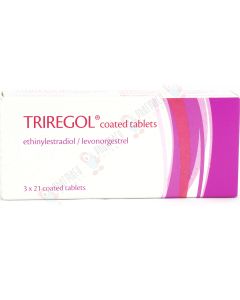
Triregol Tablets are a form of oral contraceptive taken in a specific seque ...
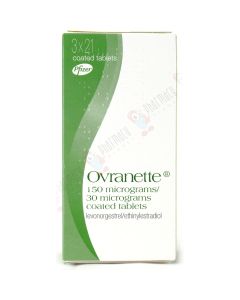
Ovranette is a daily oral tablet used to prevent pregnancy by regulating ho ...
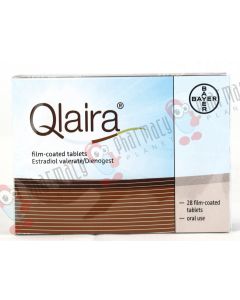
Qlaira is a contraceptive that is used to prevent pregnancy. Qlaira is used ...
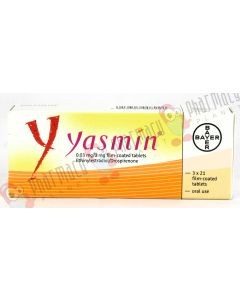
Yasmin is a contraceptive and is used to prevent pregnancy. Each tablet con ...

Norimin is a type of combined hormonal contraceptive (CHC) known as ‘the pi ...
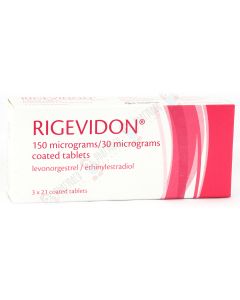
Rigevidon is a combined oral contraceptive pill, also known as a birth cont ...
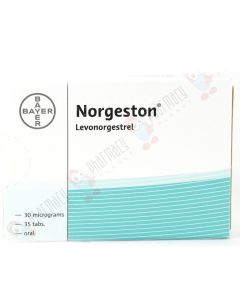
Norgeston Tablets are a daily oral medication designed to help reduce the r ...
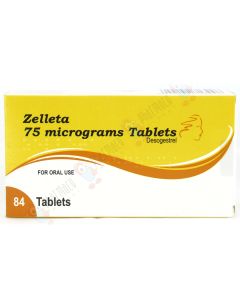
Zelleta is a synthetic progestogen, just like the body's pure progestogen h ...

Brevinor is a widely used medication designed to prevent pregnancy by alter ...
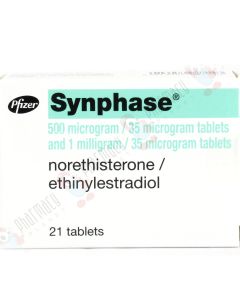
Synphase is a combined hormonal contraceptive pill, so it uses the hormones ...
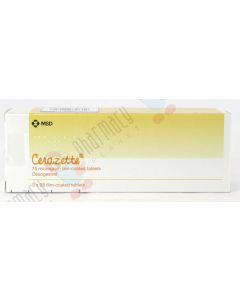
Cerazette is a widely used contraceptive pill designed for those who prefer ...
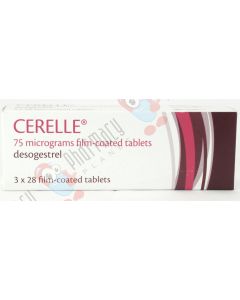
Cerelle is a type of progestogen-only pill (POP) that contains desogestrel, ...
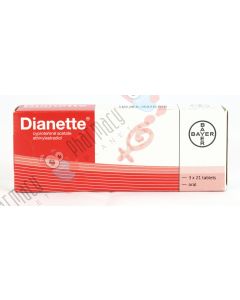
Co-Cyprindiol is a hormonal treatment commonly prescribed for specific cond ...
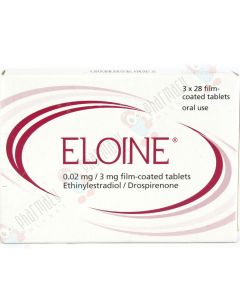
Eloine Tablets are a type of combined oral medication containing drospireno ...
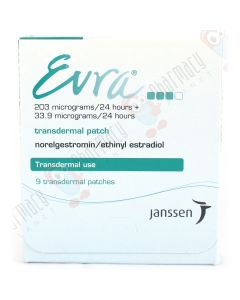
Evra patches are very similar to that of combined oral contraceptives, but ...
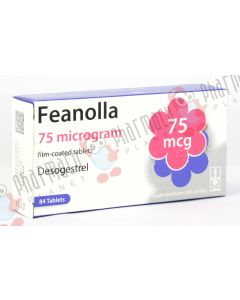
Feanolla is an oral contraceptive pill based on a progestogen hormone. This ...
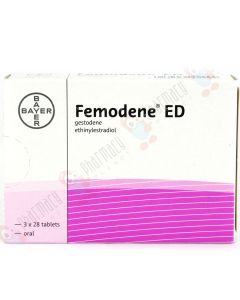
Femodene ED is an oral contraceptive. When used correctly, it will provide ...
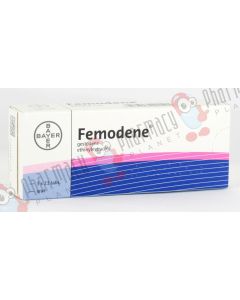
Femodene is an oral contraceptive. When used correctly, it will provide nea ...

Femodette tablets are taken daily and work by altering hormone levels to re ...
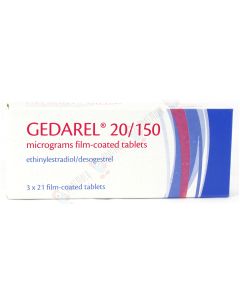
Gedarel Tablets are a form of oral contraception designed to help prevent p ...
Start your journey with us
Need Help?

Do you have a question about weight loss treatment?
Start your weight loss journey heading in the right direction. Our team are here to help. Whether you’re unsure about which medicine is right for you or need help navigating the world of weight loss drugs, our team are on hand to help you make the right decision. We can put you in touch with one of our experienced weight loss clinicians so you can be sure you’re making the best decision with the most accurate information.
To get in touch, contact our Customer Service team on 0800 978 8956 or email headoffice@pharmacyplanet.com.
Meet the team







Review By
GURDEV SEHMI
Last Updated On : Mar 13 2026
BSc Pharm, MRPharmS, Independent Prescriber, Superintendent Pharmacist, Clinical Lead
GPhC Number: 2050925
Authored By
GURDEV SEHMI
Last Reviewed On : Mar 23 2026
BSc Pharm, MRPharmS, Independent Prescriber, Superintendent Pharmacist, Clinical Lead
GPhC Number: 2050925
Get a free consultation
Speak with one of our clinicians and get personalised advice.
You’re almost there!
It is the prescribers duty to ensure that the medicine is being used safely and appropriately. please answer a few questions about yourself to help us process your request.
- Manesha
Customer Service Team
Confidentiality & Authenticity Assured
- Fully Regulated UK Pharmacy
- Authentic UK sourced medicines only.
- Trading for more than 10 years.
- Information Governance lead ensures all data is confidential
Need Help With Your Questionnaire?
Our customer service team is on hand Monday-Friday to help you with your queries.
Please call us on 08009788956 or
email us at: headoffice@pharmacyplanet.com


