



Bhupinder (Boo) Dhaliwale
Zelleta Tablets
Zelleta is a synthetic progestogen, just like the body's pure progestogen hormones. It also increases the depth of natural mucus in the cervix, making it difficult for sperm to pass from the vagina to the uterus, and thins the lining of the uterus (endometrium), making it difficult to implant fertilized eggs in women who use them. Zelleta contains 75 micrograms of desogestrel. The Zelleta blister contains 28 tablets. There are arrows printed on the front of the blister, between the tablets. If you flip the blister and look on the back, you will see the days of the week printed on the foil. Each day corresponds to one tablet.

Consult

Select

Checkout
01
Select
the items you wish
to order
02
Order reviewed
by our qualified
prescriber
03
Delivered
to your door step
Your Selection
Please use the options provided to make your final selection.
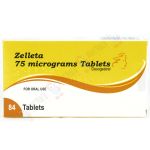
Zelleta Tablets
£15
Total

You’re almost there!
It is the prescribers duty to ensure that the medicine is being used safely and appropriately. please answer a few questions about yourself to help us process your request.
- Manesha
Customer Service Team
Confidentiality & Authenticity Assured
- Fully Regulated UK Pharmacy
- Authentic UK sourced medicines only.
- Trading for more than 10 years.
- Information Governance lead ensures all data is confidential
Need Help With Your Questionnaire?
Our customer service team is on hand Monday-Friday to help you with your queries.
Please call us on 08009788956 or
email us at: headoffice@pharmacyplanet.com
Price Comparison
Select your preferred options and see the best price
| Pack | Price (£) | ||
|---|---|---|---|
| - | - | 168 Tablets (6 Months) | 20.00 |
| - | - | 84 Tablets (3 months) | 15.00 |
It looks like you missed filling in questions from the last consultation.Click Here to submit your response.

No subscriptions or hidden fees

Secure checkout

UK Regulated online pharmacy

Trusted by over 250,000+ happy customers
Zelleta Tablets | Desogestrel 75 mcg Progestogen-Only Contraceptive Pill
Desogestrel progestogen-only pills represent one of the most significant developments in oral contraception of the past three decades. Before desogestrel, every progestogen-only pill worked almost entirely through cervical mucus thickening, required tablet-taking within a strict 3-hour daily window, and did not consistently prevent ovulation. Desogestrel changed all three of those parameters simultaneously.
Zelleta is a desogestrel progestogen-only pill containing 75 micrograms per tablet. It is licensed in the United Kingdom for the prevention of pregnancy, manufactured by Morningside Healthcare Ltd, and taken as one tablet daily with no breaks between packs. It suppresses ovulation in approximately 97% of cycles according to the UK SmPC, carries a 12-hour missed pill window, and contains no oestrogen. This page covers what desogestrel at 75 mcg means in practice, who Zelleta suits, and what the prescribing process looks like.
Zelleta and the Desogestrel Mini Pill Family
Four desogestrel 75 mcg progestogen-only pills are currently licensed and available in the UK: Cerazette (Organon), Cerelle (Consilient Health), Feanolla (Gedeon Richter), and Zelleta (Morningside Healthcare). All four contain identical active ingredients at identical doses. All four follow the same continuous daily schedule. All four suppress ovulation in approximately 97% of cycles and carry a 12-hour missed pill window. FSRH guidance treats them as clinically interchangeable, and pharmacies dispense whichever version is in stock.
Knowing this matters practically. If your previous prescription was for Cerelle and your pharmacy supplies Zelleta, nothing clinically has changed. If your pack looks different from last time, it is the manufacturer that has changed, not the medicine.
What separates the desogestrel group as a whole from older norethisterone-based and levonorgestrel-based progestogen-only pills is significant. Norethisterone pills such as Noriday, and levonorgestrel pills such as Norgeston, both work primarily by thickening cervical mucus. They do not reliably suppress ovulation. Desogestrel at 75 mcg consistently inhibits the ovulatory cycle in the vast majority of cycles, making it pharmacologically closer in mechanism to a combined pill – but without oestrogen. This is why the 12-hour window is achievable: the contraceptive protection comes from ovulation suppression, not just from a time-sensitive mucus effect.
The Pharmacology Behind Daily Desogestrel
Desogestrel is a prodrug. After you take a Zelleta tablet, the digestive system converts desogestrel to its active form, etonogestrel. This is the same active compound delivered transdermally by the Evra contraceptive patch and released locally by the Nexplanon implant. Desogestrel tablets, the patch, and the implant all ultimately rely on etonogestrel to produce their contraceptive effect – they simply deliver it by different routes and at different doses.
How Etonogestrel Suppresses Ovulation
Etonogestrel acts on the hypothalamic-pituitary axis, suppressing the production of follicle-stimulating hormone and luteinising hormone. The luteinising hormone surge is the trigger for egg release. Without it, the ovary does not ovulate. In approximately 97% of cycles, this suppression is complete. In the remaining 3%, an egg may be released despite the progestogen exposure.
The 12-Hour Window: Why It Exists
Because the primary contraceptive mechanism is ovulation suppression rather than a time-sensitive cervical mucus effect, Zelleta does not require the strict 3-hour daily window that applies to Noriday and Norgeston. Etonogestrel levels in the bloodstream remain sufficient to maintain follicular suppression for a longer period than the threshold window for mucus-based contraception. The 12-hour window is therefore not a concession or a safety margin. It is a direct consequence of how desogestrel works.
Cervical Mucus and Endometrial Effects
Even in cycles where ovulation suppression is not complete, etonogestrel maintains a secondary contraceptive effect by thickening cervical mucus and altering the endometrial lining. The mucus effect creates an additional barrier to sperm penetration. The endometrial effect reduces the likelihood of implantation. Together, these secondary mechanisms provide contraceptive protection that extends beyond the 97% ovulation suppression rate.
Taking Zelleta Day by Day
One of the practical advantages of the desogestrel mini pill is the absence of a schedule. There are no 21-day active phases, no seven-day breaks, no phase sequences to follow. One tablet every day, continuously, starting the next pack immediately after the last tablet of the previous one. The schedule repeats indefinitely until you stop.
Getting Started
Starting on day 1 of your period provides immediate protection from the first tablet. Starting between days 2 and 5 of your cycle also works, but requires barrier contraception for the first two days.
Switching from a combined pill: take the first Zelleta tablet the day after the last active tablet from the previous pack. If your combined pill had inactive placebo tablets, take the first Zelleta after the last placebo. Use barrier contraception for two days.
Switching from another progestogen-only pill: start the day after the last tablet from the previous pack. No gap. Use barrier contraception for two days.
After childbirth: Zelleta can be started from day 21 post-delivery with immediate protection. Starting before day 21 requires barrier contraception for the first two days.
The Daily Habit
Take one Zelleta tablet at the same time every day. There are no colour changes, phase changes, or sequences to track. All tablets are identical. Swallow each tablet whole with water. If you vomit within two hours of taking a tablet or have a significant episode of diarrhoea, absorption may be incomplete. Treat this as a missed tablet.
If You Take a Tablet More Than 12 Hours Late
Under 12 hours late: take the tablet as soon as you notice. Continue at your usual time. Protection is maintained.
More than 12 hours late: take the missed tablet immediately. Take the next one at the usual time, even if two fall on the same day. Use a barrier method for the next two days.
If unprotected sex occurred during a period when Zelleta protection may have been reduced, contact your prescriber or pharmacist about emergency contraception. The sooner you seek advice, the more options are available.
Dose, Delivery, and the Desogestrel-to-Etonogestrel Pathway
Each Zelleta tablet contains desogestrel 75 micrograms. There is one strength. Every tablet is identical. One tablet taken daily, without breaks, provides the continuous etonogestrel exposure that suppresses ovulation.
Understanding 75 mcg Desogestrel in Context
The 75 mcg desogestrel dose in Zelleta is calibrated to produce circulating etonogestrel levels sufficient for consistent ovulation suppression. Compare this to other etonogestrel-based contraceptives:
- Zelleta (and Cerazette, Cerelle, Feanolla): desogestrel 75 mcg orally, releasing etonogestrel after conversion
- Nexplanon subdermal implant: delivers etonogestrel directly at approximately 60 to 70 mcg per day initially, declining over three years
- Evra transdermal patch: delivers etonogestrel (as norelgestromin, a related compound) dermally alongside ethinylestradiol
These products use etonogestrel by different routes at different doses. What they share is the same active progestogen achieving ovulation suppression as the primary contraceptive mechanism. Zelleta provides the oral route at a dose established to deliver consistent suppression in clinical studies.
Supply and Interchangeability
Zelleta does not need to be treated as a unique supply line. If your pharmacy cannot supply Zelleta, Cerazette, Cerelle, or Feanolla are clinically equivalent substitutes. Switching between them requires no prescriber review and no adjustment to how or when you take the pill.
Side Effects and What to Expect
The most clinically relevant side effect conversation for anyone considering Zelleta is about bleeding. Not headache, not mood, not the list of possibilities. Bleeding. Because no other side effect of the desogestrel mini pill is as likely to affect whether a woman continues or stops taking it.
Bleeding Pattern: The Honest Picture
Desogestrel at 75 mcg suppresses ovulation and alters the endometrium. Both of these actions affect bleeding. What the endometrium does on Zelleta is unpredictable and highly individual. Some women stop having periods altogether within a few months. Some experience lighter, shorter bleeds. Some experience frequent irregular spotting, particularly in the first three to six months. There is no way to predict which category any individual woman will fall into before she starts. All of these outcomes are documented in the Zelleta SmPC and are considered expected responses to the preparation, not signs of a problem.
If you experience very heavy bleeding, bleeding that does not settle after the first few months, or bleeding that returns after an extended period of no bleeds, contact your prescriber to rule out other causes.
Etonogestrel and Androgen Receptors
One notable characteristic of etonogestrel is its very low androgenic activity. Unlike norethisterone, which binds weakly to androgen receptors, etonogestrel has high selectivity for the progesterone receptor with minimal androgenic effect. For women who have experienced acne or oily skin on norethisterone-based progestogen-only pills, this is clinically relevant. Zelleta is less likely to contribute to androgenic skin effects than norethisterone-based alternatives.
Other Reported Effects
- Mood changes, including low mood or irritability
- Reduced libido
- Breast tenderness
- Nausea
- Headache
- Ovarian cysts: follicular development may occur and produce temporary cysts, usually resolving without treatment
Signs Needing Urgent Attention
Contact emergency services or go to A&E immediately if you experience severe one-sided abdominal pain alongside a missed period or unusual bleeding – this may indicate an ectopic pregnancy. Also seek urgent help for sudden chest pain, difficulty breathing, severe headache, visual disturbance, or one-sided weakness.
Drug Interactions
Enzyme-inducing medicines reduce etonogestrel circulating levels, lowering contraceptive effectiveness. These include rifampicin, certain antiepileptics including phenytoin, carbamazepine, phenobarbital, and topiramate, some HIV antiretrovirals, and St John's Wort. Always declare every medicine and supplement to your prescriber at each consultation.
Who Is a Good Candidate for Zelleta?
Progestogen-only pills are often the contraceptive conversation that begins when combined pills are no longer the right answer. Zelleta fits a wide range of circumstances where oestrogen is contraindicated, inconvenient, or simply not preferred.
Zelleta Is Not Suitable If You:
- Have a current or previous diagnosis of breast cancer or any sex-hormone-sensitive malignancy
- Have unexplained vaginal bleeding that has not been assessed by a clinician
- Have severe liver disease or active liver tumours
- Have a condition that significantly impairs oral medication absorption
- Are allergic to desogestrel or to any of the tablet excipients
Zelleta Is Often the Right Choice If You:
- Cannot use oestrogen-containing contraception for any clinical reason: migraine with aura, cardiovascular risk factors, a personal history of VTE, or breastfeeding a baby over six weeks old
- Are a smoker aged 35 or over, for whom combined pills are contraindicated
- Find the 3-hour timing requirement of norethisterone or levonorgestrel mini pills difficult to maintain and prefer the flexibility of a 12-hour window
- Have experienced androgen-related skin effects on norethisterone-based pills and want to try a progestogen with lower androgenic activity
- Prefer a simpler schedule with no phase changes, no breaks, and identical tablets throughout
A Note on Ectopic Pregnancy History
Women with a history of ectopic pregnancy should discuss this with their prescriber before starting Zelleta. While Zelleta suppresses ovulation in the majority of cycles, fertilisation remains possible in cycles where ovulation occurs. If a pregnancy does occur on Zelleta, there is a risk it could be ectopic. Your prescriber will weigh your personal history carefully and confirm whether Zelleta or a different contraceptive method is more appropriate for your circumstances.
Starting a Consultation for Zelleta
At Pharmacy Planet, every prescription begins with a clinical consultation read by a registered prescriber. For Zelleta, the prescriber is assessing three things.
First: whether any of the absolute contraindications to progestogen-only contraception apply. The list is shorter than for combined pills – no oestrogen means no stroke risk from aura, no VTE risk from oestrogen, no restriction for smokers over 35 – but the prescriber still needs to confirm your health profile supports this method.
Second: whether Zelleta is the appropriate progestogen-only preparation for you, or whether a norethisterone or levonorgestrel alternative would be more suitable. The prescriber considers your previous pill experience, any androgenic side effect history, and how important the 12-hour window flexibility is to your daily routine.
Third: whether there is anything in your history that requires additional consideration, such as a previous ectopic pregnancy. The prescriber documents this and factors it into the recommendation.
The outcome of the consultation may be a prescription for Zelleta, a recommendation for a different progestogen-only preparation, a suggestion to consider a different contraceptive method entirely, or a referral for an in-person assessment. Repeat prescriptions follow the same individual review. There is no automatic renewal.
Keeping Zelleta Stored Correctly
Store Zelleta below 25°C in a dry location away from direct light. Because Zelleta is taken every day with no breaks, you will move through packs more frequently than with a combined pill. Having a clear storage spot that connects to your daily tablet-taking routine helps maintain both the timing habit and the supply continuity.
Keep tablets in the original blister strip until you take them. All tablets are identical, so there is no sequence to preserve – but the foil protects from moisture and the pack label carries the expiry date. Check this date when you open each new pack.
Return unused or out-of-date tablets to a UK pharmacy. Pharmacies accept returned medicines for safe disposal under Duty of Care regulations, at no charge to you. Do not dispose of contraceptive tablets in household waste or flush them down the toilet.
Contraceptive Product Comparison | Pharmacy Planet
This reference guide compares the contraceptive preparations available at Pharmacy Planet, grouped by delivery method and formulation type. Every preparation is a Prescription Only Medicine. A registered prescriber will review your individual health profile, contraceptive history, and risk factors before recommending any preparation. This table is a clinical reference, not a recommendation.
Progestogen-only pills contain no oestrogen and are taken every day with no break between packs. The table below compares commonly prescribed progestogen-only pills by missed pill window, primary contraceptive mechanism, and clinical characteristics. These differences are clinically significant and pills are not interchangeable without prescriber review.
| Product | Progestogen (dose) | Missed pill window | Primary mechanism | Ovulation suppressed? | Key clinical note |
|---|---|---|---|---|---|
| Cerazette | Desogestrel 75 mcg | 12 hours | Ovulation suppression | ~97% cycles | Branded originator (Organon); 4 generics available |
| Cerelle | Desogestrel 75 mcg | 12 hours | Ovulation suppression | ~97% cycles | Generic of Cerazette (Consilient Health) |
| Feanolla | Desogestrel 75 mcg | 12 hours | Ovulation suppression | ~97% cycles | Generic of Cerazette (Gedeon Richter) |
| Zelleta | Desogestrel 75 mcg | 12 hours | Ovulation suppression | ~97% cycles | Generic of Cerazette (Morningside Healthcare) |
| Noriday | Norethisterone 350 mcg | 3 hours | Cervical mucus | Not reliable | Strict 3-hr window; 48-hr recovery; ectopic risk if failure |
| Norgeston | Levonorgestrel 30 mcg | 3 hours | Cervical mucus | Not reliable | Only LNG POP in UK; 30 mcg = 1/5 of combined pill dose; 48-hr recovery |
Important: This comparison is for general information only and does not replace medical advice. A prescriber will decide which treatment is suitable for you following an online consultation.
Why Choose Pharmacy Planet?
The desogestrel mini pill is one of the most commonly prescribed contraceptives in UK primary care. That familiarity does not remove the clinical responsibility that comes with every prescription. A prescriber still needs to know your medical history, your previous contraceptive experience, any relevant drug interactions, and whether there are circumstances such as a history of ectopic pregnancy that require specific consideration. At Pharmacy Planet, that assessment happens every time.
If Zelleta is not the right preparation for your profile, the prescriber will say so and explain the reasoning. That is the consultation working as it should.
References
- Morningside Healthcare Ltd. Zelleta 75 microgram film-coated tablets – Summary of Product Characteristics. Available at: www.medicines.org.uk/emc. Accessed May 2026.
- Faculty of Sexual and Reproductive Healthcare (FSRH). Progestogen-Only Pills – Clinical Guidance. Available at: www.fsrh.org. Accessed May 2026.
- NHS. Progestogen-only pill (mini pill). Available at: www.nhs.uk/conditions/contraception/progestogen-only-pill. Accessed May 2026.
- British National Formulary (BNF). Desogestrel. Available at: bnf.nice.org.uk. Accessed May 2026.
- FSRH Clinical Effectiveness Unit. Progestogen-Only Methods and Ectopic Pregnancy. Available at: www.fsrh.org. Accessed May 2026.
Zelleta Tablets
Desogestrel progestogen-only pills represent one of the most significant developments in oral contraception of the past three decades. Before desogestrel, every progestogen-only pill worked almost entirely through cervical mucus thickening, required tablet-taking within a strict 3-hour daily window, and did not consistently prevent ovulation. Desogestrel changed all three of those parameters simultaneously.
Zelleta is a desogestrel progestogen-only pill containing 75 micrograms per tablet. It is licensed in the United Kingdom for the prevention of pregnancy, manufactured by Morningside Healthcare Ltd, and taken as one tablet daily with no breaks between packs. It suppresses ovulation in approximately 97% of cycles according to the UK SmPC, carries a 12-hour missed pill window, and contains no oestrogen. This page covers what desogestrel at 75 mcg means in practice, who Zelleta suits, and what the prescribing process looks like.
Four desogestrel 75 mcg progestogen-only pills are currently licensed and available in the UK: Cerazette (Organon), Cerelle (Consilient Health), Feanolla (Gedeon Richter), and Zelleta (Morningside Healthcare). All four contain identical active ingredients at identical doses. All four follow the same continuous daily schedule. All four suppress ovulation in approximately 97% of cycles and carry a 12-hour missed pill window. FSRH guidance treats them as clinically interchangeable, and pharmacies dispense whichever version is in stock.
Knowing this matters practically. If your previous prescription was for Cerelle and your pharmacy supplies Zelleta, nothing clinically has changed. If your pack looks different from last time, it is the manufacturer that has changed, not the medicine.
What separates the desogestrel group as a whole from older norethisterone-based and levonorgestrel-based progestogen-only pills is significant. Norethisterone pills such as Noriday, and levonorgestrel pills such as Norgeston, both work primarily by thickening cervical mucus. They do not reliably suppress ovulation. Desogestrel at 75 mcg consistently inhibits the ovulatory cycle in the vast majority of cycles, making it pharmacologically closer in mechanism to a combined pill – but without oestrogen. This is why the 12-hour window is achievable: the contraceptive protection comes from ovulation suppression, not just from a time-sensitive mucus effect.
Desogestrel is a prodrug. After you take a Zelleta tablet, the digestive system converts desogestrel to its active form, etonogestrel. This is the same active compound delivered transdermally by the Evra contraceptive patch and released locally by the Nexplanon implant. Desogestrel tablets, the patch, and the implant all ultimately rely on etonogestrel to produce their contraceptive effect – they simply deliver it by different routes and at different doses.
How Etonogestrel Suppresses Ovulation
Etonogestrel acts on the hypothalamic-pituitary axis, suppressing the production of follicle-stimulating hormone and luteinising hormone. The luteinising hormone surge is the trigger for egg release. Without it, the ovary does not ovulate. In approximately 97% of cycles, this suppression is complete. In the remaining 3%, an egg may be released despite the progestogen exposure.
The 12-Hour Window: Why It Exists
Because the primary contraceptive mechanism is ovulation suppression rather than a time-sensitive cervical mucus effect, Zelleta does not require the strict 3-hour daily window that applies to Noriday and Norgeston. Etonogestrel levels in the bloodstream remain sufficient to maintain follicular suppression for a longer period than the threshold window for mucus-based contraception. The 12-hour window is therefore not a concession or a safety margin. It is a direct consequence of how desogestrel works.
Cervical Mucus and Endometrial Effects
Even in cycles where ovulation suppression is not complete, etonogestrel maintains a secondary contraceptive effect by thickening cervical mucus and altering the endometrial lining. The mucus effect creates an additional barrier to sperm penetration. The endometrial effect reduces the likelihood of implantation. Together, these secondary mechanisms provide contraceptive protection that extends beyond the 97% ovulation suppression rate.
One of the practical advantages of the desogestrel mini pill is the absence of a schedule. There are no 21-day active phases, no seven-day breaks, no phase sequences to follow. One tablet every day, continuously, starting the next pack immediately after the last tablet of the previous one. The schedule repeats indefinitely until you stop.
Getting Started
Starting on day 1 of your period provides immediate protection from the first tablet. Starting between days 2 and 5 of your cycle also works, but requires barrier contraception for the first two days.
Switching from a combined pill: take the first Zelleta tablet the day after the last active tablet from the previous pack. If your combined pill had inactive placebo tablets, take the first Zelleta after the last placebo. Use barrier contraception for two days.
Switching from another progestogen-only pill: start the day after the last tablet from the previous pack. No gap. Use barrier contraception for two days.
After childbirth: Zelleta can be started from day 21 post-delivery with immediate protection. Starting before day 21 requires barrier contraception for the first two days.
The Daily Habit
Take one Zelleta tablet at the same time every day. There are no colour changes, phase changes, or sequences to track. All tablets are identical. Swallow each tablet whole with water. If you vomit within two hours of taking a tablet or have a significant episode of diarrhoea, absorption may be incomplete. Treat this as a missed tablet.
If You Take a Tablet More Than 12 Hours Late
Under 12 hours late: take the tablet as soon as you notice. Continue at your usual time. Protection is maintained.
More than 12 hours late: take the missed tablet immediately. Take the next one at the usual time, even if two fall on the same day. Use a barrier method for the next two days.
If unprotected sex occurred during a period when Zelleta protection may have been reduced, contact your prescriber or pharmacist about emergency contraception. The sooner you seek advice, the more options are available.
Each Zelleta tablet contains desogestrel 75 micrograms. There is one strength. Every tablet is identical. One tablet taken daily, without breaks, provides the continuous etonogestrel exposure that suppresses ovulation.
Understanding 75 mcg Desogestrel in Context
The 75 mcg desogestrel dose in Zelleta is calibrated to produce circulating etonogestrel levels sufficient for consistent ovulation suppression. Compare this to other etonogestrel-based contraceptives:
- Zelleta (and Cerazette, Cerelle, Feanolla): desogestrel 75 mcg orally, releasing etonogestrel after conversion
- Nexplanon subdermal implant: delivers etonogestrel directly at approximately 60 to 70 mcg per day initially, declining over three years
- Evra transdermal patch: delivers etonogestrel (as norelgestromin, a related compound) dermally alongside ethinylestradiol
These products use etonogestrel by different routes at different doses. What they share is the same active progestogen achieving ovulation suppression as the primary contraceptive mechanism. Zelleta provides the oral route at a dose established to deliver consistent suppression in clinical studies.
Supply and Interchangeability
Zelleta does not need to be treated as a unique supply line. If your pharmacy cannot supply Zelleta, Cerazette, Cerelle, or Feanolla are clinically equivalent substitutes. Switching between them requires no prescriber review and no adjustment to how or when you take the pill.
The most clinically relevant side effect conversation for anyone considering Zelleta is about bleeding. Not headache, not mood, not the list of possibilities. Bleeding. Because no other side effect of the desogestrel mini pill is as likely to affect whether a woman continues or stops taking it.
Bleeding Pattern: The Honest Picture
Desogestrel at 75 mcg suppresses ovulation and alters the endometrium. Both of these actions affect bleeding. What the endometrium does on Zelleta is unpredictable and highly individual. Some women stop having periods altogether within a few months. Some experience lighter, shorter bleeds. Some experience frequent irregular spotting, particularly in the first three to six months. There is no way to predict which category any individual woman will fall into before she starts. All of these outcomes are documented in the Zelleta SmPC and are considered expected responses to the preparation, not signs of a problem.
If you experience very heavy bleeding, bleeding that does not settle after the first few months, or bleeding that returns after an extended period of no bleeds, contact your prescriber to rule out other causes.
Etonogestrel and Androgen Receptors
One notable characteristic of etonogestrel is its very low androgenic activity. Unlike norethisterone, which binds weakly to androgen receptors, etonogestrel has high selectivity for the progesterone receptor with minimal androgenic effect. For women who have experienced acne or oily skin on norethisterone-based progestogen-only pills, this is clinically relevant. Zelleta is less likely to contribute to androgenic skin effects than norethisterone-based alternatives.
Other Reported Effects
- Mood changes, including low mood or irritability
- Reduced libido
- Breast tenderness
- Nausea
- Headache
- Ovarian cysts: follicular development may occur and produce temporary cysts, usually resolving without treatment
Signs Needing Urgent Attention
Contact emergency services or go to A&E immediately if you experience severe one-sided abdominal pain alongside a missed period or unusual bleeding – this may indicate an ectopic pregnancy. Also seek urgent help for sudden chest pain, difficulty breathing, severe headache, visual disturbance, or one-sided weakness.
Drug Interactions
Enzyme-inducing medicines reduce etonogestrel circulating levels, lowering contraceptive effectiveness. These include rifampicin, certain antiepileptics including phenytoin, carbamazepine, phenobarbital, and topiramate, some HIV antiretrovirals, and St John's Wort. Always declare every medicine and supplement to your prescriber at each consultation.
Progestogen-only pills are often the contraceptive conversation that begins when combined pills are no longer the right answer. Zelleta fits a wide range of circumstances where oestrogen is contraindicated, inconvenient, or simply not preferred.
Zelleta Is Not Suitable If You:
- Have a current or previous diagnosis of breast cancer or any sex-hormone-sensitive malignancy
- Have unexplained vaginal bleeding that has not been assessed by a clinician
- Have severe liver disease or active liver tumours
- Have a condition that significantly impairs oral medication absorption
- Are allergic to desogestrel or to any of the tablet excipients
Zelleta Is Often the Right Choice If You:
- Cannot use oestrogen-containing contraception for any clinical reason: migraine with aura, cardiovascular risk factors, a personal history of VTE, or breastfeeding a baby over six weeks old
- Are a smoker aged 35 or over, for whom combined pills are contraindicated
- Find the 3-hour timing requirement of norethisterone or levonorgestrel mini pills difficult to maintain and prefer the flexibility of a 12-hour window
- Have experienced androgen-related skin effects on norethisterone-based pills and want to try a progestogen with lower androgenic activity
- Prefer a simpler schedule with no phase changes, no breaks, and identical tablets throughout
A Note on Ectopic Pregnancy History
Women with a history of ectopic pregnancy should discuss this with their prescriber before starting Zelleta. While Zelleta suppresses ovulation in the majority of cycles, fertilisation remains possible in cycles where ovulation occurs. If a pregnancy does occur on Zelleta, there is a risk it could be ectopic. Your prescriber will weigh your personal history carefully and confirm whether Zelleta or a different contraceptive method is more appropriate for your circumstances.
At Pharmacy Planet, every prescription begins with a clinical consultation read by a registered prescriber. For Zelleta, the prescriber is assessing three things.
First: whether any of the absolute contraindications to progestogen-only contraception apply. The list is shorter than for combined pills – no oestrogen means no stroke risk from aura, no VTE risk from oestrogen, no restriction for smokers over 35 – but the prescriber still needs to confirm your health profile supports this method.
Second: whether Zelleta is the appropriate progestogen-only preparation for you, or whether a norethisterone or levonorgestrel alternative would be more suitable. The prescriber considers your previous pill experience, any androgenic side effect history, and how important the 12-hour window flexibility is to your daily routine.
Third: whether there is anything in your history that requires additional consideration, such as a previous ectopic pregnancy. The prescriber documents this and factors it into the recommendation.
The outcome of the consultation may be a prescription for Zelleta, a recommendation for a different progestogen-only preparation, a suggestion to consider a different contraceptive method entirely, or a referral for an in-person assessment. Repeat prescriptions follow the same individual review. There is no automatic renewal.
Store Zelleta below 25°C in a dry location away from direct light. Because Zelleta is taken every day with no breaks, you will move through packs more frequently than with a combined pill. Having a clear storage spot that connects to your daily tablet-taking routine helps maintain both the timing habit and the supply continuity.
Keep tablets in the original blister strip until you take them. All tablets are identical, so there is no sequence to preserve – but the foil protects from moisture and the pack label carries the expiry date. Check this date when you open each new pack.
Return unused or out-of-date tablets to a UK pharmacy. Pharmacies accept returned medicines for safe disposal under Duty of Care regulations, at no charge to you. Do not dispose of contraceptive tablets in household waste or flush them down the toilet.
This reference guide compares the contraceptive preparations available at Pharmacy Planet, grouped by delivery method and formulation type. Every preparation is a Prescription Only Medicine. A registered prescriber will review your individual health profile, contraceptive history, and risk factors before recommending any preparation. This table is a clinical reference, not a recommendation.
Progestogen-only pills contain no oestrogen and are taken every day with no break between packs. The table below compares commonly prescribed progestogen-only pills by missed pill window, primary contraceptive mechanism, and clinical characteristics. These differences are clinically significant and pills are not interchangeable without prescriber review.
| Product | Progestogen (dose) | Missed pill window | Primary mechanism | Ovulation suppressed? | Key clinical note |
|---|---|---|---|---|---|
| Cerazette | Desogestrel 75 mcg | 12 hours | Ovulation suppression | ~97% cycles | Branded originator (Organon); 4 generics available |
| Cerelle | Desogestrel 75 mcg | 12 hours | Ovulation suppression | ~97% cycles | Generic of Cerazette (Consilient Health) |
| Feanolla | Desogestrel 75 mcg | 12 hours | Ovulation suppression | ~97% cycles | Generic of Cerazette (Gedeon Richter) |
| Zelleta | Desogestrel 75 mcg | 12 hours | Ovulation suppression | ~97% cycles | Generic of Cerazette (Morningside Healthcare) |
| Noriday | Norethisterone 350 mcg | 3 hours | Cervical mucus | Not reliable | Strict 3-hr window; 48-hr recovery; ectopic risk if failure |
| Norgeston | Levonorgestrel 30 mcg | 3 hours | Cervical mucus | Not reliable | Only LNG POP in UK; 30 mcg = 1/5 of combined pill dose; 48-hr recovery |
Important: This comparison is for general information only and does not replace medical advice. A prescriber will decide which treatment is suitable for you following an online consultation.
The desogestrel mini pill is one of the most commonly prescribed contraceptives in UK primary care. That familiarity does not remove the clinical responsibility that comes with every prescription. A prescriber still needs to know your medical history, your previous contraceptive experience, any relevant drug interactions, and whether there are circumstances such as a history of ectopic pregnancy that require specific consideration. At Pharmacy Planet, that assessment happens every time.
If Zelleta is not the right preparation for your profile, the prescriber will say so and explain the reasoning. That is the consultation working as it should.
- Morningside Healthcare Ltd. Zelleta 75 microgram film-coated tablets – Summary of Product Characteristics. Available at: www.medicines.org.uk/emc. Accessed May 2026.
- Faculty of Sexual and Reproductive Healthcare (FSRH). Progestogen-Only Pills – Clinical Guidance. Available at: www.fsrh.org. Accessed May 2026.
- NHS. Progestogen-only pill (mini pill). Available at: www.nhs.uk/conditions/contraception/progestogen-only-pill. Accessed May 2026.
- British National Formulary (BNF). Desogestrel. Available at: bnf.nice.org.uk. Accessed May 2026.
- FSRH Clinical Effectiveness Unit. Progestogen-Only Methods and Ectopic Pregnancy. Available at: www.fsrh.org. Accessed May 2026.
Frequently Asked Questions
Yes. Zelleta and Cerazette contain identical active ingredients at the same dose: desogestrel 75 micrograms. Both are progestogen-only mini pills taken daily with no break between packs. Both suppress ovulation in approximately 97% of cycles and carry a 12-hour missed pill window. The only difference is the manufacturer: Zelleta is made by Morningside Healthcare Ltd, while Cerazette is made by Organon. FSRH and NHS guidance treats all four desogestrel 75 mcg preparations – Zelleta, Cerazette, Cerelle, and Feanolla – as clinically interchangeable. If your pharmacy gives you Zelleta when you expected Cerazette, the medicine is the same.
The 12-hour window is a direct consequence of how desogestrel works. Desogestrel at 75 mcg suppresses ovulation as its primary contraceptive mechanism. Because the protection comes from ovulation suppression rather than a time-sensitive cervical mucus effect, the period over which hormone levels remain sufficient for contraceptive protection is significantly longer than for norethisterone or levonorgestrel-based mini pills. Those pills rely primarily on cervical mucus thickening, which is more sensitive to fluctuations in hormone level and requires the stricter 3-hour window.
It may, but it may not. Bleeding responses to desogestrel are highly individual and cannot be predicted before you start. Some women stop having periods within a few months of starting Zelleta. Some experience lighter or less frequent bleeds. Others experience irregular spotting, particularly in the first three to six months. All of these are documented responses in the Zelleta SmPC. Irregular spotting that persists beyond six months, very heavy bleeding at any point, or the return of bleeding after a long bleed-free period are worth discussing with your prescriber to rule out other causes.
Yes. Zelleta is considered compatible with breastfeeding. Progestogen-only pills do not reduce milk production in the way oestrogen-containing combined pills can. FSRH guidance supports the use of desogestrel pills from six weeks after delivery. If you start before day 21 post-delivery, use barrier contraception for the first two days. If you start from day 21 onwards, no additional contraception is needed. Discuss your specific timing with your prescriber, who will confirm the appropriate starting point for your circumstances.
Take the missed tablet as soon as you remember. Take the next one at your usual time, even if two tablets fall on the same day. Use a barrier method such as condoms for the next two days. If you had unprotected sex between the late tablet and taking emergency contraception, contact your prescriber or pharmacist about emergency contraception. The sooner you seek advice, the more options are available. If the late tablet fell in a cycle where you had already had unprotected sex in the preceding 12 hours before the tablet was due, also seek emergency contraception advice.
Yes. Migraine with aura is an absolute contraindication to oestrogen-containing combined pills, but not to progestogen-only preparations including Zelleta. Zelleta contains no oestrogen, so the stroke risk associated with oestrogen and aura does not apply. Progestogen-only pills are one of the recommended contraceptive options for women with migraine with aura. You should still disclose your migraine history during your consultation, including frequency, duration, and whether you experience any visual, sensory, or speech symptoms. Your prescriber will confirm that Zelleta is appropriate for your specific migraine pattern.
Zelleta delivers desogestrel orally, which the body converts to etonogestrel. The Nexplanon subdermal implant releases etonogestrel directly into the bloodstream from a rod inserted under the skin. Both rely on etonogestrel as the active progestogen, but at different doses and via different delivery routes. Nexplanon provides three years of continuous contraception from a single insertion. Zelleta requires a daily tablet. Nexplanon delivers a declining etonogestrel dose over its lifespan; Zelleta delivers a consistent oral dose each day. Both suppress ovulation. The choice between them depends on lifestyle preference, tolerance for daily pill-taking, and clinical suitability for an implant procedure.
It is less likely to cause acne than norethisterone-based mini pills. Etonogestrel, the active form of desogestrel, has high selectivity for the progesterone receptor and very low androgenic activity. Norethisterone, in contrast, has mild androgenic activity that can contribute to acne or oily skin in susceptible women. If you have previously experienced androgenic skin effects on Noriday or Norgeston and are looking for a progestogen-only pill with a lower androgenic profile, Zelleta is clinically a more appropriate choice. Discuss your skin history with your prescriber at your consultation.
Yes, progestogen-only pills including Zelleta can be used by women over 50. FSRH guidance recommends that women using progestogen-only pills can continue until the age of 55, after which the risk of pregnancy becomes sufficiently low that contraception can usually be stopped. Specific stopping advice depends on individual circumstances, including whether any menopausal symptoms have developed and what other health factors are present. Your prescriber will advise on the appropriate duration of use based on your age and clinical picture at each repeat prescription review.
Natural ovulation typically resumes within one to three months of stopping Zelleta. There is no clinical evidence that desogestrel-based pills cause any lasting delay to fertility beyond this adjustment period. Some women conceive in their first natural cycle after stopping; others take a few months for a regular cycle to re-establish. This adjustment period is the same whether you have taken Zelleta for three months or three years. If your periods have not returned after three months of stopping, arrange a GP review to investigate other possible causes of delayed ovulation.
How it works

Complete our online
clinical consultation
clinical consultation
Answer a few questions on your health and your fitness goals.

Clinical
assessment
assessment
Our clinicians will review your clinical questionnaire to make sure treatment is right for you.
Welcome
aboard!
aboard!
Once approved, you will access our wealth of experience and resources curated by our team and begin your clinical journey.
Treatment options
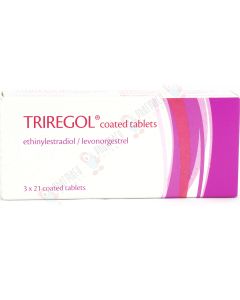
Triregol Tablets are a form of oral contraceptive taken in a specific seque ...

NuvaRing is a flexible, soft vaginal ring designed for monthly use as a met ...
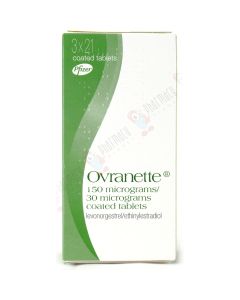
Ovranette is a daily oral tablet used to prevent pregnancy by regulating ho ...
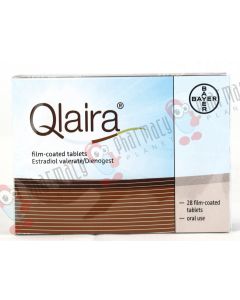
Qlaira is a contraceptive that is used to prevent pregnancy. Qlaira is used ...
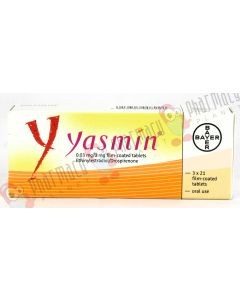
Yasmin is a contraceptive and is used to prevent pregnancy. Each tablet con ...

Norimin is a type of combined hormonal contraceptive (CHC) known as ‘the pi ...
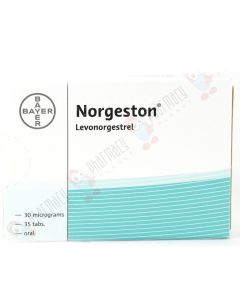
Norgeston Tablets are a daily oral medication designed to help reduce the r ...

Brevinor is a widely used medication designed to prevent pregnancy by alter ...
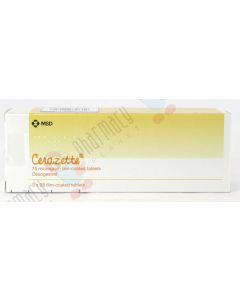
Cerazette is a widely used contraceptive pill designed for those who prefer ...
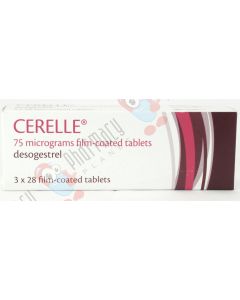
Cerelle is a type of progestogen-only pill (POP) that contains desogestrel, ...
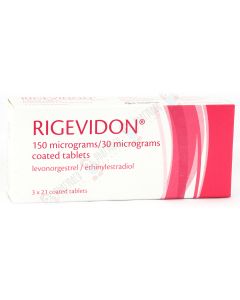
Rigevidon is a combined oral contraceptive pill, also known as a birth cont ...
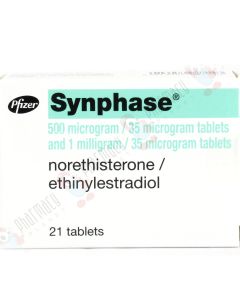
Synphase is a combined hormonal contraceptive pill, so it uses the hormones ...
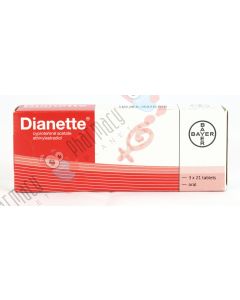
Co-Cyprindiol is a hormonal treatment commonly prescribed for specific cond ...
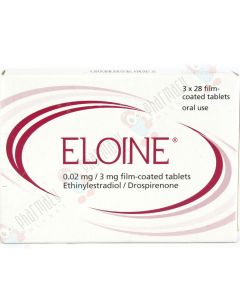
Eloine Tablets are a type of combined oral medication containing drospireno ...
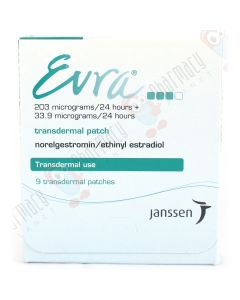
Evra patches are very similar to that of combined oral contraceptives, but ...
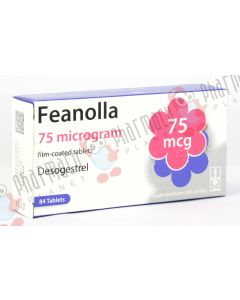
Feanolla is an oral contraceptive pill based on a progestogen hormone. This ...
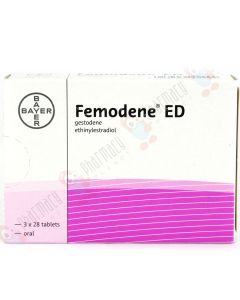
Femodene ED is an oral contraceptive. When used correctly, it will provide ...
Femodene is an oral contraceptive. When used correctly, it will provide nea ...

Femodette tablets are taken daily and work by altering hormone levels to re ...
Gedarel Tablets are a form of oral contraception designed to help prevent p ...
Start your journey with us
Need Help?

Do you have a question about weight loss treatment?
Start your weight loss journey heading in the right direction. Our team are here to help. Whether you’re unsure about which medicine is right for you or need help navigating the world of weight loss drugs, our team are on hand to help you make the right decision. We can put you in touch with one of our experienced weight loss clinicians so you can be sure you’re making the best decision with the most accurate information.
To get in touch, contact our Customer Service team on 0800 978 8956 or email headoffice@pharmacyplanet.com.
Meet the team







Review By
GURDEV SEHMI
Last Updated On : Mar 13 2026
BSc Pharm, MRPharmS, Independent Prescriber, Superintendent Pharmacist, Clinical Lead
GPhC Number: 2050925
Authored By
GURDEV SEHMI
Last Reviewed On : Mar 23 2026
BSc Pharm, MRPharmS, Independent Prescriber, Superintendent Pharmacist, Clinical Lead
GPhC Number: 2050925
Get a free consultation
Speak with one of our clinicians and get personalised advice.
You’re almost there!
It is the prescribers duty to ensure that the medicine is being used safely and appropriately. please answer a few questions about yourself to help us process your request.
- Manesha
Customer Service Team
Confidentiality & Authenticity Assured
- Fully Regulated UK Pharmacy
- Authentic UK sourced medicines only.
- Trading for more than 10 years.
- Information Governance lead ensures all data is confidential
Need Help With Your Questionnaire?
Our customer service team is on hand Monday-Friday to help you with your queries.
Please call us on 08009788956 or
email us at: headoffice@pharmacyplanet.com


