



Bhupinder (Boo) Dhaliwale
Evorel Patches
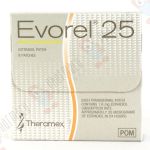
Evorel is a transdermal patch used in Hormone Replacement Therapy, to relieve symptoms associated with menopause. It is a form of combination treatment, containing a synthetic version of estrogen and progesterone. These hormones are produced less and less by the body before and during menopause, causing annoying discomfort. The active substances in Evorel enter the bloodstream through the skin. In this way, the hormonal balance is complemented, which reduces symptoms.

Consult

Select

Checkout
01
Select
the items you wish
to order
02
Order reviewed
by our qualified
prescriber
03
Delivered
to your door step
Your Selection
Please use the options provided to make your final selection.
Evorel Patches
£20
Total

You’re almost there!
It is the prescribers duty to ensure that the medicine is being used safely and appropriately. please answer a few questions about yourself to help us process your request.
- Manesha
Customer Service Team
Confidentiality & Authenticity Assured
- Fully Regulated UK Pharmacy
- Authentic UK sourced medicines only.
- Trading for more than 10 years.
- Information Governance lead ensures all data is confidential
Need Help With Your Questionnaire?
Our customer service team is on hand Monday-Friday to help you with your queries.
Please call us on 08009788956 or
email us at: headoffice@pharmacyplanet.com
Price Comparison
Select your preferred options and see the best price
| Pack | Price (£) | ||
|---|---|---|---|
| - | Evorel Conti | 8 Patches | 30.00 |
| - | Evorel Conti | 48 Patches | 110.00 |
| - | Evorel Conti | 24 Patches | 57.00 |
| - | Evorel Sequi | 24 Patches | 57.00 |
| - | Evorel Sequi | 48 Patches | 110.00 |
| - | Evorel Sequi | 8 Patches | 35.00 |
| - | Evorel 25mcg | 24 Patches | 40.00 |
| - | Evorel 25mcg | 8 Patches | 20.00 |
| - | Evorel 25mcg | 48 Patches | 69.00 |
| - | Evorel 50mcg | 8 Patches | 20.00 |
| - | Evorel 50mcg | 48 Patches | 69.00 |
| - | Evorel 50mcg | 24 Patches | 40.00 |
| - | Evorel 75mcg | 48 Patches | 69.00 |
| - | Evorel 75mcg | 24 Patches | 40.00 |
| - | Evorel 75mcg | 8 Patches | 20.00 |
| - | Evorel 100mcg | 8 Patches | 20.00 |
| - | Evorel 100mcg | 48 Patches | 69.00 |
| - | Evorel 100mcg | 24 Patches | 40.00 |
It looks like you missed filling in questions from the last consultation.Click Here to submit your response.

No subscriptions or hidden fees

Secure checkout

UK Regulated online pharmacy

Trusted by over 250,000+ happy customers
Evorel Patches | Transdermal HRT Range for Menopausal Symptom Relief
One Range, Many Journeys: Understanding the Evorel Family
Evorel Patches are a family of transdermal hormone replacement therapy (HRT) products that cover the full clinical spectrum of menopausal treatment. The Evorel range includes four oestrogen-only strengths, 25 mcg, 50 mcg, 75 mcg, and 100 mcg, as well as two combined hormone formulations: Evorel Sequi and Evorel Conti. This breadth means that a single prescribing relationship can follow a woman from her earliest HRT prescription through dose adjustments, regimen changes, and the transition to continuous combined therapy, all within the same product family.
The range is manufactured as a matrix-type transdermal patch, which dissolves oestradiol and, where applicable, norethisterone acetate directly within the adhesive layer. This design produces a thin, skin-conforming patch that delivers hormones at a controlled rate into the bloodstream, bypassing the digestive system and the liver's first-pass metabolic processing.
Understanding which Evorel variant has been prescribed for you, and why, is an important part of using HRT safely and confidently. This page provides factual clinical information about the full Evorel range to support that understanding. A clinical consultation with a registered prescriber is the necessary first step before any HRT can be initiated or changed.
Not Just a Patch: Decoding the Six Evorel Variants
The Evorel range is more clinically varied than a single product name might suggest. It spans three fundamentally different hormonal compositions, from a straightforward oestrogen-only patch to a sequentially combined patch and a continuously combined patch. Each variant serves a different patient profile and stage of the menopausal journey. Knowing which formulation you have been prescribed is essential, as the instructions for use, the expected effects, and the associated clinical monitoring differ between them.
The four oestrogen-only patches, Evorel 25, Evorel 50, Evorel 75, and Evorel 100, contain oestradiol as the sole active ingredient. These are generally prescribed to women who have had a hysterectomy or who use a separate progestogen preparation alongside the patch. Each is changed twice weekly and delivers a continuous, measured dose of oestradiol through the skin.
Evorel Sequi is a combined sequential HRT delivered entirely through patches. A pack of Evorel Sequi contains eight Evorel 50 patches (oestradiol only) worn during the first half of the cycle and eight Evorel Conti patches (oestradiol plus norethisterone acetate) worn during the second half. This creates a hormonal rhythm similar to a natural menstrual cycle and produces a regular withdrawal bleed at the end of each cycle.
Evorel Conti is a continuous combined patch delivering both oestradiol and norethisterone acetate in every patch throughout the cycle. It is generally prescribed to women who are fully postmenopausal, typically at least one year after their last period, and who wish to avoid a monthly withdrawal bleed entirely.
| Variant | Hormones | Regimen type | Uterus needed? | Withdrawal bleed? |
|---|---|---|---|---|
| Evorel 25 | Oestradiol only | Oestrogen-only | No (post-hyst.) | No |
| Evorel 50 | Oestradiol only | Oestrogen-only | No (post-hyst.) | No |
| Evorel 75 | Oestradiol only | Oestrogen-only | No (post-hyst.) | No |
| Evorel 100 | Oestradiol only | Oestrogen-only | No (post-hyst.) | No |
| Evorel Sequi | Oestradiol + norethisterone (phase 2) | Sequential combined | Yes | Yes |
| Evorel Conti | Oestradiol + norethisterone (every patch) | Continuous combined | Yes | No |
Through the Skin and Into the Body: Transdermal Hormone Science
Every Evorel patch works through the same foundational principle: passive diffusion of hormone molecules from a matrix adhesive layer through the skin and into the bloodstream below. When a patch is applied to clean, dry skin, the concentration of oestradiol (and norethisterone acetate where present) in the adhesive creates a diffusion gradient relative to the skin surface. Hormone molecules move down this gradient, pass through the outer skin layers, and enter the capillary network in the dermis.
This transdermal route carries a pharmacological advantage that distinguishes it from oral HRT. Swallowed oestrogen tablets are absorbed through the gut, travel to the liver, and undergo first-pass hepatic metabolism before entering systemic circulation. This hepatic processing stimulates production of clotting factors and C-reactive protein, and raises triglyceride levels. These effects contribute to the higher venous thromboembolism risk associated with oral oestrogen. Transdermal oestrogen, delivered by patches such as the Evorel range, bypasses this pathway entirely.
Once in the circulation, oestradiol binds to oestrogen receptors distributed throughout the body. In the hypothalamus, it stabilises the thermoregulatory control point, reducing the erratic temperature signalling that produces hot flushes and night sweats. In urogenital tissues, it maintains the cellular health of the vaginal epithelium and supports bladder function. In bone, it inhibits osteoclastic resorption, helping to preserve bone mineral density and reduce the long-term risk of osteoporosis and fracture.
In combined patches such as Evorel Sequi and Evorel Conti, norethisterone acetate acts on the endometrium. In women with a uterus, unopposed oestrogen stimulates endometrial growth. Norethisterone acetate counteracts this by promoting secretory transformation and, in the case of Evorel Sequi, eventual shedding of the lining as a withdrawal bleed. In Evorel Conti, the continuous progestogen exposure keeps the endometrium in a suppressed, atrophic state, preventing both thickening and withdrawal bleeding.
Putting It on Correctly: A Practical Application Guide for Evorel
Site Selection and Skin Preparation
Apply Evorel patches to clean, dry, intact skin on the lower abdomen or upper outer buttock. These sites provide consistent skin thickness, good capillary perfusion, and minimal friction from clothing. Avoid the waistline, where elastic can dislodge or crease the patch, the breasts, and any area of broken, inflamed, or recently treated skin. Do not apply moisturiser, oil, or lotion to the site on the day of application. Allow skin to dry thoroughly after washing before the patch is placed.
Applying Each Patch
Tear open the foil sachet and remove the patch. Peel back one half of the transparent protective backing. Press the exposed adhesive surface firmly onto the chosen skin site, then fold away the remaining backing and smooth the patch flat. Hold it in place for approximately 30 seconds with the flat of your hand. Pay attention to the edges. A well-applied Evorel patch should lie flat, feel comfortable, and be barely noticeable under clothing.
The Twice-Weekly Routine
All Evorel patches are changed twice weekly, every three to four days. Building consistency into this routine is clinically important. Choosing two fixed days, for example Wednesday and Saturday, reduces the risk of accidental late changes that allow serum oestradiol levels to fall, potentially triggering breakthrough symptoms. Remove the old patch before applying the new one, folding it sticky-side inward before disposal.
Following the Evorel Sequi Cycle
Evorel Sequi requires particular attention to pack sequencing. Each pack contains two rows of patches: the white-backed Evorel 50 patches are worn first (days 1 to 16 of the cycle), followed by the peach-backed Evorel Conti patches (days 17 to 28). Following this order is essential. If the combined phase patches are used first, the endometrial protection function is disrupted. A withdrawal bleed typically begins during or shortly after the final Evorel Conti patches of each cycle.
Handling a Dislodged Patch
If a patch falls off before its scheduled change day, apply a fresh patch to a different skin site and continue from the original change schedule. Do not extend the next wearing period to compensate. For Evorel Sequi users, remain aware of where in the cycle you are when replacing a dislodged patch, as this determines which type of replacement patch to use.
Choosing Your Variant: How the Evorel Range Is Clinically Matched to the Patient
Oestrogen-Only Patches: Evorel 25, 50, 75, and 100
The four oestrogen-only patches provide graduated oestradiol delivery measured in micrograms released per 24 hours. The 25 mcg patch is the lowest available dose and is typically considered for women who are initiating HRT cautiously, who have been without oestrogen for a prolonged period, or who demonstrate sensitivity to hormonal change. The 50 mcg patch is the conventional starting point for most women requiring menopausal symptom relief.
Doses of 75 mcg and 100 mcg are used where lower strengths prove insufficient for symptom control after an initial review period. Higher doses may also be considered in younger women with premature ovarian insufficiency, where greater oestrogen replacement may be clinically appropriate. All dose changes are made at the prescriber's discretion following a clinical review, typically after the first three months of treatment.
Evorel Sequi: The Sequential Combined Option
Evorel Sequi is prescribed to women with an intact uterus who are still experiencing perimenopausal cycles, or for whom a regular monthly withdrawal bleed is clinically appropriate or personally preferred. It mirrors the hormonal pattern of a natural cycle and provides endometrial protection through the sequential progestogen phase. The full cycle is 28 days, with patch changes every four days throughout. Irregular or prolonged bleeding that persists beyond the first few months should be reported to the prescriber.
Evorel Conti: The Continuous Combined Option
Evorel Conti is prescribed to women with an intact uterus who are fully postmenopausal, generally accepted as having had no natural periods for at least 12 consecutive months, and who have chosen a bleed-free continuous HRT regimen. Evorel Conti delivers oestradiol and norethisterone acetate in every patch throughout the month. Irregular spotting or light bleeding may occur in the first three to six months as the endometrium adjusts to continuous progestogen suppression. Any bleeding occurring after six months of therapy, or heavy or prolonged bleeding at any point, requires clinical review.
What Your Body May Tell You: Side Effects Across the Evorel Range
Patch Site Reactions
Because every Evorel variant is a transdermal patch, skin reactions at the application site are a category of side effect unique to this delivery method. The matrix adhesive in Evorel patches is designed to minimise irritation, but the following can still occur in some users:
- Localised redness or erythema during or immediately after wearing
- Itching or mild discomfort at the patch site
- Skin discolouration or hyperpigmentation at the application area after removal
- Contact dermatitis in women with adhesive sensitivity
Consistent site rotation is the most reliable preventive measure. Each new patch should be applied to a different skin location, and no area should be reused within seven days. If reactions persist, worsen, or spread beyond the patch margin, seek advice from your prescriber.
Hormonal Adjustment Effects
As the body responds to restored hormone levels, the following effects may occur in the early weeks of treatment. They are generally transient and tend to resolve within the first two to three months:
- Breast tenderness or a feeling of fullness
- Headache, which may be more pronounced in women with a history of migraine
- Abdominal bloating or mild nausea
- Mood variability, including low mood or irritability
- Fluid retention and mild peripheral swelling
- Leg cramps
For Evorel Sequi users, irregular spotting or breakthrough bleeding in the first one to two cycles is common as the body adjusts to the sequential hormonal pattern. This is distinct from the expected withdrawal bleed and usually settles with time.
Signs That Need Immediate Medical Assessment
The following symptoms are uncommon but indicate a potentially serious medical event. Seek emergency assessment without delay if you experience:
- Sudden breathlessness or chest pain, which may indicate pulmonary embolism
- Unilateral leg swelling, warmth, or pain, which may indicate deep vein thrombosis
- Sudden severe headache, vision loss, or facial or limb weakness, which may indicate stroke
- Right-sided abdominal pain or jaundice, suggesting hepatic involvement
- A new or changing breast lump
- Unexplained vaginal bleeding that is heavy, persistent, or occurring outside the expected withdrawal window
Long-Term Risk Considerations Specific to the Evorel Range
Combined patches such as Evorel Sequi and Evorel Conti are associated with a small increase in breast cancer risk compared with oestrogen-only HRT, consistent with the evidence base for all combined HRT preparations (Lancet, 2019). The oestrogen-only Evorel patches (25, 50, 75, 100) carry a smaller breast cancer risk elevation when used without progestogen, relevant for women who have had a hysterectomy. All transdermal oestrogen preparations are associated with a lower venous thromboembolism risk than oral equivalents, based on current observational data.
Matching Patient to Patch: Eligibility Across the Evorel Range
What Evorel Is Licensed to Treat
The Evorel range is licensed in the UK for:
- Relief of symptoms of oestrogen deficiency in menopausal women, including hot flushes, night sweats, vaginal dryness, mood disturbance, and disrupted sleep, whether from natural, premature, or surgical menopause
- Prevention of osteoporosis in postmenopausal women at increased risk of fracture where other bone-protective treatments are not suitable
Matching the Right Variant to the Right Patient
The prescriber will determine which Evorel variant is clinically appropriate based on:
- Whether the uterus is present or absent (determines whether progestogen is required)
- Whether the woman is perimenopausal or fully postmenopausal (influences the choice between sequential and continuous combined HRT)
- Preference for a monthly withdrawal bleed or a bleed-free regimen
- Current oestrogen dose requirements and previous HRT experience
- Individual risk profile, including cardiovascular, thrombotic, and breast cancer history
Absolute Contraindications Across All Evorel Variants
None of the Evorel patches should be used in women who have, or have had:
- Known, suspected, or previous breast cancer
- Known or suspected oestrogen-sensitive malignancies
- Undiagnosed or unexplained vaginal bleeding
- Active or previous venous thromboembolism, including deep vein thrombosis and pulmonary embolism
- Known thrombophilic disorders
- Active or recent arterial thromboembolic disease, including myocardial infarction, unstable angina, or stroke
- Untreated endometrial hyperplasia
- Active liver disease with abnormal liver function
- Known hypersensitivity to oestradiol, norethisterone acetate (in combined variants), or any patch component
- Porphyria
Areas Requiring Additional Clinical Scrutiny
A prescriber will exercise heightened vigilance and may recommend closer monitoring in women with hypertension, obesity, a personal or family history of breast cancer, diabetes, gallbladder disease, migraine with aura, systemic lupus erythematosus, or endometriosis in women who have not had a hysterectomy. Complete disclosure of medical history during consultation is clinically essential.
Navigating the Range: How Prescribers Choose Your Evorel Variant
The complexity of the Evorel range, spanning six distinct variants with different hormonal compositions, regimen structures, and clinical indications, makes the quality of the prescribing consultation particularly important. A prescriber who understands not just that you need HRT but which variant is most appropriate for your stage of life, uterine status, and symptom profile will prescribe from a position of clinical precision rather than generalisation.
At Pharmacy Planet, your consultation will gather information about the presence or absence of your uterus, your menstrual or postmenopausal status, any previous HRT experience and how you tolerated it, your current symptom burden, and your preference regarding monthly withdrawal bleeds. This last point, often underestimated, is clinically significant: the difference between Evorel Sequi and Evorel Conti is not merely pharmacological but affects daily life in a way that matters to the patient.
As with all POMs, a prescription is a possible outcome of the consultation, not a guaranteed one. If the prescriber cannot gather sufficient clinical information to prescribe safely, they will request additional detail or recommend a face-to-face assessment. This might include a recent blood pressure reading, confirmation of a mammogram result, or clarification of menstrual history in ambiguous cases.
Women initiating any Evorel variant will typically be reviewed after approximately three months to assess the response to the starting dose or regimen. At that point, if symptoms remain poorly controlled, a dose increase may be appropriate. If side effects are significant, a dose reduction, change to a different Evorel variant, or switch to an alternative HRT formulation may be considered. Annual reviews thereafter ensure that ongoing treatment remains appropriate as your clinical circumstances evolve.
Keeping Your Patches in Condition: Storage Rules That Protect Efficacy
Store all Evorel patches below 25°C in their original sealed sachets. The matrix adhesive layer is sensitive to excessive heat, which can alter the physical properties of the adhesive and potentially affect the rate of hormone diffusion during use. Do not expose patches to direct sunlight or prolonged warmth. Bathrooms are unsuitable storage locations because humidity and temperature variation affect the adhesive integrity.
Evorel Sequi packs contain two distinct patch types distinguished by their backing colour. Keep the pack intact and follow the sequence indicated on the packaging. Mixing the order of patches within an Evorel Sequi cycle disrupts the intended hormonal pattern and reduces endometrial protection during the oestrogen-only phase. If you are uncertain which patch to use next, refer to the Patient Information Leaflet or contact your pharmacist.
All Evorel patches must be stored out of the sight and reach of children and pets. A used patch still contains pharmacologically active residual hormone in the matrix layer. Children or animals exposed to a used patch, whether by skin contact or ingestion, could absorb a clinically significant quantity of oestradiol or norethisterone acetate. Dispose of used patches by folding them adhesive-side inward and placing them directly into a sealed household waste bin. Return unused or expired patches to your pharmacy for safe disposal through appropriate environmental channels.
Comparing HRT Products by Formulation Type
Choosing the right HRT is a clinical decision, not a one-size-fits-all choice. Delivery route, oestrogen type, progestogen class, and bleed preference all shape which preparation is most appropriate for any individual woman. The tables below group products by formulation type so that like is compared with like, helping you understand how each option differs from others in its class before you speak with a prescriber.
Transdermal Patches
The table below compares commonly prescribed HRT patches. All patches deliver oestradiol transdermally, bypassing hepatic first-pass metabolism, and are associated with a lower venous thromboembolism risk than oral preparations.
| Product | Form | Strengths Available | Change Frequency | Progestogen Needed? |
|---|---|---|---|---|
| Estraderm MX | Patch | 25 / 50 / 75 / 100 mcg | Twice weekly; reservoir-type | Separate prescription* |
| Estradot | Patch | 25 / 37.5 / 50 / 75 / 100 mcg | Twice weekly; matrix; 5 strengths | Separate prescription* |
| Evorel | Patch | 25 / 50 / 75 / 100 mcg | Twice weekly; matrix; also combined variants | Separate prescription* (oestrogen-only versions) |
| Femseven | Patch | 50 / 75 / 100 mcg | Once weekly; only weekly patch in UK HRT | Separate prescription* (oestrogen-only versions) |
| Progynova TS | Patch | 50 mcg only | Twice weekly; single fixed strength | Separate prescription* |
Prescribing the Right Evorel Variant, Not Just Any HRT
Not all transdermal HRT is the same, and neither are all online prescribing services. Pharmacy Planet is a GPhC-registered online pharmacy staffed by qualified prescribers who approach the Evorel range with the clinical understanding it demands. Prescribing the wrong variant, for example issuing an oestrogen-only patch to a woman with an intact uterus, without adequate progestogen cover, is a patient safety issue, not merely an administrative one.
Our consultation process is designed to surface the clinical details that determine which Evorel variant is appropriate for each individual woman. This includes uterine status, menopausal stage, symptom profile, and personal preferences regarding the regimen. We do not approach this as a form to complete and a product to dispatch. The consultation is the clinical event, and the prescription follows only where the evidence justifies it.
If you are considering HRT for the first time, or if you are already using HRT and would like to explore whether the Evorel range is appropriate for your current situation, you are welcome to start a consultation using the link on this page. Our prescribers will consider your individual circumstances carefully before making any clinical recommendations.
References
- Evorel 25, 50, 75, 100 Patches – Summaries of Product Characteristics (SmPCs). Theramex HQ UK Ltd. Available at: www.medicines.org.uk/emc. Accessed June 2025.
- Evorel Sequi Patches – Summary of Product Characteristics (SmPC). Theramex HQ UK Ltd. Available at: www.medicines.org.uk/emc. Accessed June 2025.
- Evorel Conti Patches – Summary of Product Characteristics (SmPC). Theramex HQ UK Ltd. Available at: www.medicines.org.uk/emc. Accessed June 2025.
- NHS. Hormone replacement therapy (HRT). Available at: www.nhs.uk/conditions/hormone-replacement-therapy-hrt. Accessed June 2025.
- NICE. Menopause: diagnosis and management. NG23. Updated December 2019. Available at: www.nice.org.uk/guidance/ng23. Accessed June 2025.
- British National Formulary (BNF). Estradiol with norethisterone – transdermal preparations. Available at: bnf.nice.org.uk. Accessed June 2025.
- Collaborative Group on Hormonal Factors in Breast Cancer. Type and timing of menopausal hormone therapy and breast cancer risk. Lancet 2019; 394(10204):1159–1168.
- Vinogradova Y et al. Use of hormone replacement therapy and risk of venous thromboembolism. BMJ 2019; 364:k4810.
- MHRA. Hormone-replacement therapy: updated advice. Drug Safety Update vol 12 issue 11, June 2019. Available at: www.gov.uk/drug-safety-update. Accessed June 2025.
Evorel
One Range, Many Journeys: Understanding the Evorel Family
Evorel Patches are a family of transdermal hormone replacement therapy (HRT) products that cover the full clinical spectrum of menopausal treatment. The Evorel range includes four oestrogen-only strengths, 25 mcg, 50 mcg, 75 mcg, and 100 mcg, as well as two combined hormone formulations: Evorel Sequi and Evorel Conti. This breadth means that a single prescribing relationship can follow a woman from her earliest HRT prescription through dose adjustments, regimen changes, and the transition to continuous combined therapy, all within the same product family.
The range is manufactured as a matrix-type transdermal patch, which dissolves oestradiol and, where applicable, norethisterone acetate directly within the adhesive layer. This design produces a thin, skin-conforming patch that delivers hormones at a controlled rate into the bloodstream, bypassing the digestive system and the liver's first-pass metabolic processing.
Understanding which Evorel variant has been prescribed for you, and why, is an important part of using HRT safely and confidently. This page provides factual clinical information about the full Evorel range to support that understanding. A clinical consultation with a registered prescriber is the necessary first step before any HRT can be initiated or changed.
The Evorel range is more clinically varied than a single product name might suggest. It spans three fundamentally different hormonal compositions, from a straightforward oestrogen-only patch to a sequentially combined patch and a continuously combined patch. Each variant serves a different patient profile and stage of the menopausal journey. Knowing which formulation you have been prescribed is essential, as the instructions for use, the expected effects, and the associated clinical monitoring differ between them.
The four oestrogen-only patches, Evorel 25, Evorel 50, Evorel 75, and Evorel 100, contain oestradiol as the sole active ingredient. These are generally prescribed to women who have had a hysterectomy or who use a separate progestogen preparation alongside the patch. Each is changed twice weekly and delivers a continuous, measured dose of oestradiol through the skin.
Evorel Sequi is a combined sequential HRT delivered entirely through patches. A pack of Evorel Sequi contains eight Evorel 50 patches (oestradiol only) worn during the first half of the cycle and eight Evorel Conti patches (oestradiol plus norethisterone acetate) worn during the second half. This creates a hormonal rhythm similar to a natural menstrual cycle and produces a regular withdrawal bleed at the end of each cycle.
Evorel Conti is a continuous combined patch delivering both oestradiol and norethisterone acetate in every patch throughout the cycle. It is generally prescribed to women who are fully postmenopausal, typically at least one year after their last period, and who wish to avoid a monthly withdrawal bleed entirely.
| Variant | Hormones | Regimen type | Uterus needed? | Withdrawal bleed? |
|---|---|---|---|---|
| Evorel 25 | Oestradiol only | Oestrogen-only | No (post-hyst.) | No |
| Evorel 50 | Oestradiol only | Oestrogen-only | No (post-hyst.) | No |
| Evorel 75 | Oestradiol only | Oestrogen-only | No (post-hyst.) | No |
| Evorel 100 | Oestradiol only | Oestrogen-only | No (post-hyst.) | No |
| Evorel Sequi | Oestradiol + norethisterone (phase 2) | Sequential combined | Yes | Yes |
| Evorel Conti | Oestradiol + norethisterone (every patch) | Continuous combined | Yes | No |
Every Evorel patch works through the same foundational principle: passive diffusion of hormone molecules from a matrix adhesive layer through the skin and into the bloodstream below. When a patch is applied to clean, dry skin, the concentration of oestradiol (and norethisterone acetate where present) in the adhesive creates a diffusion gradient relative to the skin surface. Hormone molecules move down this gradient, pass through the outer skin layers, and enter the capillary network in the dermis.
This transdermal route carries a pharmacological advantage that distinguishes it from oral HRT. Swallowed oestrogen tablets are absorbed through the gut, travel to the liver, and undergo first-pass hepatic metabolism before entering systemic circulation. This hepatic processing stimulates production of clotting factors and C-reactive protein, and raises triglyceride levels. These effects contribute to the higher venous thromboembolism risk associated with oral oestrogen. Transdermal oestrogen, delivered by patches such as the Evorel range, bypasses this pathway entirely.
Once in the circulation, oestradiol binds to oestrogen receptors distributed throughout the body. In the hypothalamus, it stabilises the thermoregulatory control point, reducing the erratic temperature signalling that produces hot flushes and night sweats. In urogenital tissues, it maintains the cellular health of the vaginal epithelium and supports bladder function. In bone, it inhibits osteoclastic resorption, helping to preserve bone mineral density and reduce the long-term risk of osteoporosis and fracture.
In combined patches such as Evorel Sequi and Evorel Conti, norethisterone acetate acts on the endometrium. In women with a uterus, unopposed oestrogen stimulates endometrial growth. Norethisterone acetate counteracts this by promoting secretory transformation and, in the case of Evorel Sequi, eventual shedding of the lining as a withdrawal bleed. In Evorel Conti, the continuous progestogen exposure keeps the endometrium in a suppressed, atrophic state, preventing both thickening and withdrawal bleeding.
Site Selection and Skin Preparation
Apply Evorel patches to clean, dry, intact skin on the lower abdomen or upper outer buttock. These sites provide consistent skin thickness, good capillary perfusion, and minimal friction from clothing. Avoid the waistline, where elastic can dislodge or crease the patch, the breasts, and any area of broken, inflamed, or recently treated skin. Do not apply moisturiser, oil, or lotion to the site on the day of application. Allow skin to dry thoroughly after washing before the patch is placed.
Applying Each Patch
Tear open the foil sachet and remove the patch. Peel back one half of the transparent protective backing. Press the exposed adhesive surface firmly onto the chosen skin site, then fold away the remaining backing and smooth the patch flat. Hold it in place for approximately 30 seconds with the flat of your hand. Pay attention to the edges. A well-applied Evorel patch should lie flat, feel comfortable, and be barely noticeable under clothing.
The Twice-Weekly Routine
All Evorel patches are changed twice weekly, every three to four days. Building consistency into this routine is clinically important. Choosing two fixed days, for example Wednesday and Saturday, reduces the risk of accidental late changes that allow serum oestradiol levels to fall, potentially triggering breakthrough symptoms. Remove the old patch before applying the new one, folding it sticky-side inward before disposal.
Following the Evorel Sequi Cycle
Evorel Sequi requires particular attention to pack sequencing. Each pack contains two rows of patches: the white-backed Evorel 50 patches are worn first (days 1 to 16 of the cycle), followed by the peach-backed Evorel Conti patches (days 17 to 28). Following this order is essential. If the combined phase patches are used first, the endometrial protection function is disrupted. A withdrawal bleed typically begins during or shortly after the final Evorel Conti patches of each cycle.
Handling a Dislodged Patch
If a patch falls off before its scheduled change day, apply a fresh patch to a different skin site and continue from the original change schedule. Do not extend the next wearing period to compensate. For Evorel Sequi users, remain aware of where in the cycle you are when replacing a dislodged patch, as this determines which type of replacement patch to use.
Oestrogen-Only Patches: Evorel 25, 50, 75, and 100
The four oestrogen-only patches provide graduated oestradiol delivery measured in micrograms released per 24 hours. The 25 mcg patch is the lowest available dose and is typically considered for women who are initiating HRT cautiously, who have been without oestrogen for a prolonged period, or who demonstrate sensitivity to hormonal change. The 50 mcg patch is the conventional starting point for most women requiring menopausal symptom relief.
Doses of 75 mcg and 100 mcg are used where lower strengths prove insufficient for symptom control after an initial review period. Higher doses may also be considered in younger women with premature ovarian insufficiency, where greater oestrogen replacement may be clinically appropriate. All dose changes are made at the prescriber's discretion following a clinical review, typically after the first three months of treatment.
Evorel Sequi: The Sequential Combined Option
Evorel Sequi is prescribed to women with an intact uterus who are still experiencing perimenopausal cycles, or for whom a regular monthly withdrawal bleed is clinically appropriate or personally preferred. It mirrors the hormonal pattern of a natural cycle and provides endometrial protection through the sequential progestogen phase. The full cycle is 28 days, with patch changes every four days throughout. Irregular or prolonged bleeding that persists beyond the first few months should be reported to the prescriber.
Evorel Conti: The Continuous Combined Option
Evorel Conti is prescribed to women with an intact uterus who are fully postmenopausal, generally accepted as having had no natural periods for at least 12 consecutive months, and who have chosen a bleed-free continuous HRT regimen. Evorel Conti delivers oestradiol and norethisterone acetate in every patch throughout the month. Irregular spotting or light bleeding may occur in the first three to six months as the endometrium adjusts to continuous progestogen suppression. Any bleeding occurring after six months of therapy, or heavy or prolonged bleeding at any point, requires clinical review.
Patch Site Reactions
Because every Evorel variant is a transdermal patch, skin reactions at the application site are a category of side effect unique to this delivery method. The matrix adhesive in Evorel patches is designed to minimise irritation, but the following can still occur in some users:
- Localised redness or erythema during or immediately after wearing
- Itching or mild discomfort at the patch site
- Skin discolouration or hyperpigmentation at the application area after removal
- Contact dermatitis in women with adhesive sensitivity
Consistent site rotation is the most reliable preventive measure. Each new patch should be applied to a different skin location, and no area should be reused within seven days. If reactions persist, worsen, or spread beyond the patch margin, seek advice from your prescriber.
Hormonal Adjustment Effects
As the body responds to restored hormone levels, the following effects may occur in the early weeks of treatment. They are generally transient and tend to resolve within the first two to three months:
- Breast tenderness or a feeling of fullness
- Headache, which may be more pronounced in women with a history of migraine
- Abdominal bloating or mild nausea
- Mood variability, including low mood or irritability
- Fluid retention and mild peripheral swelling
- Leg cramps
For Evorel Sequi users, irregular spotting or breakthrough bleeding in the first one to two cycles is common as the body adjusts to the sequential hormonal pattern. This is distinct from the expected withdrawal bleed and usually settles with time.
Signs That Need Immediate Medical Assessment
The following symptoms are uncommon but indicate a potentially serious medical event. Seek emergency assessment without delay if you experience:
- Sudden breathlessness or chest pain, which may indicate pulmonary embolism
- Unilateral leg swelling, warmth, or pain, which may indicate deep vein thrombosis
- Sudden severe headache, vision loss, or facial or limb weakness, which may indicate stroke
- Right-sided abdominal pain or jaundice, suggesting hepatic involvement
- A new or changing breast lump
- Unexplained vaginal bleeding that is heavy, persistent, or occurring outside the expected withdrawal window
Long-Term Risk Considerations Specific to the Evorel Range
Combined patches such as Evorel Sequi and Evorel Conti are associated with a small increase in breast cancer risk compared with oestrogen-only HRT, consistent with the evidence base for all combined HRT preparations (Lancet, 2019). The oestrogen-only Evorel patches (25, 50, 75, 100) carry a smaller breast cancer risk elevation when used without progestogen, relevant for women who have had a hysterectomy. All transdermal oestrogen preparations are associated with a lower venous thromboembolism risk than oral equivalents, based on current observational data.
What Evorel Is Licensed to Treat
The Evorel range is licensed in the UK for:
- Relief of symptoms of oestrogen deficiency in menopausal women, including hot flushes, night sweats, vaginal dryness, mood disturbance, and disrupted sleep, whether from natural, premature, or surgical menopause
- Prevention of osteoporosis in postmenopausal women at increased risk of fracture where other bone-protective treatments are not suitable
Matching the Right Variant to the Right Patient
The prescriber will determine which Evorel variant is clinically appropriate based on:
- Whether the uterus is present or absent (determines whether progestogen is required)
- Whether the woman is perimenopausal or fully postmenopausal (influences the choice between sequential and continuous combined HRT)
- Preference for a monthly withdrawal bleed or a bleed-free regimen
- Current oestrogen dose requirements and previous HRT experience
- Individual risk profile, including cardiovascular, thrombotic, and breast cancer history
Absolute Contraindications Across All Evorel Variants
None of the Evorel patches should be used in women who have, or have had:
- Known, suspected, or previous breast cancer
- Known or suspected oestrogen-sensitive malignancies
- Undiagnosed or unexplained vaginal bleeding
- Active or previous venous thromboembolism, including deep vein thrombosis and pulmonary embolism
- Known thrombophilic disorders
- Active or recent arterial thromboembolic disease, including myocardial infarction, unstable angina, or stroke
- Untreated endometrial hyperplasia
- Active liver disease with abnormal liver function
- Known hypersensitivity to oestradiol, norethisterone acetate (in combined variants), or any patch component
- Porphyria
Areas Requiring Additional Clinical Scrutiny
A prescriber will exercise heightened vigilance and may recommend closer monitoring in women with hypertension, obesity, a personal or family history of breast cancer, diabetes, gallbladder disease, migraine with aura, systemic lupus erythematosus, or endometriosis in women who have not had a hysterectomy. Complete disclosure of medical history during consultation is clinically essential.
The complexity of the Evorel range, spanning six distinct variants with different hormonal compositions, regimen structures, and clinical indications, makes the quality of the prescribing consultation particularly important. A prescriber who understands not just that you need HRT but which variant is most appropriate for your stage of life, uterine status, and symptom profile will prescribe from a position of clinical precision rather than generalisation.
At Pharmacy Planet, your consultation will gather information about the presence or absence of your uterus, your menstrual or postmenopausal status, any previous HRT experience and how you tolerated it, your current symptom burden, and your preference regarding monthly withdrawal bleeds. This last point, often underestimated, is clinically significant: the difference between Evorel Sequi and Evorel Conti is not merely pharmacological but affects daily life in a way that matters to the patient.
As with all POMs, a prescription is a possible outcome of the consultation, not a guaranteed one. If the prescriber cannot gather sufficient clinical information to prescribe safely, they will request additional detail or recommend a face-to-face assessment. This might include a recent blood pressure reading, confirmation of a mammogram result, or clarification of menstrual history in ambiguous cases.
Women initiating any Evorel variant will typically be reviewed after approximately three months to assess the response to the starting dose or regimen. At that point, if symptoms remain poorly controlled, a dose increase may be appropriate. If side effects are significant, a dose reduction, change to a different Evorel variant, or switch to an alternative HRT formulation may be considered. Annual reviews thereafter ensure that ongoing treatment remains appropriate as your clinical circumstances evolve.
Store all Evorel patches below 25°C in their original sealed sachets. The matrix adhesive layer is sensitive to excessive heat, which can alter the physical properties of the adhesive and potentially affect the rate of hormone diffusion during use. Do not expose patches to direct sunlight or prolonged warmth. Bathrooms are unsuitable storage locations because humidity and temperature variation affect the adhesive integrity.
Evorel Sequi packs contain two distinct patch types distinguished by their backing colour. Keep the pack intact and follow the sequence indicated on the packaging. Mixing the order of patches within an Evorel Sequi cycle disrupts the intended hormonal pattern and reduces endometrial protection during the oestrogen-only phase. If you are uncertain which patch to use next, refer to the Patient Information Leaflet or contact your pharmacist.
All Evorel patches must be stored out of the sight and reach of children and pets. A used patch still contains pharmacologically active residual hormone in the matrix layer. Children or animals exposed to a used patch, whether by skin contact or ingestion, could absorb a clinically significant quantity of oestradiol or norethisterone acetate. Dispose of used patches by folding them adhesive-side inward and placing them directly into a sealed household waste bin. Return unused or expired patches to your pharmacy for safe disposal through appropriate environmental channels.
Choosing the right HRT is a clinical decision, not a one-size-fits-all choice. Delivery route, oestrogen type, progestogen class, and bleed preference all shape which preparation is most appropriate for any individual woman. The tables below group products by formulation type so that like is compared with like, helping you understand how each option differs from others in its class before you speak with a prescriber.
Transdermal Patches
The table below compares commonly prescribed HRT patches. All patches deliver oestradiol transdermally, bypassing hepatic first-pass metabolism, and are associated with a lower venous thromboembolism risk than oral preparations.
| Product | Form | Strengths Available | Change Frequency | Progestogen Needed? |
|---|---|---|---|---|
| Estraderm MX | Patch | 25 / 50 / 75 / 100 mcg | Twice weekly; reservoir-type | Separate prescription* |
| Estradot | Patch | 25 / 37.5 / 50 / 75 / 100 mcg | Twice weekly; matrix; 5 strengths | Separate prescription* |
| Evorel | Patch | 25 / 50 / 75 / 100 mcg | Twice weekly; matrix; also combined variants | Separate prescription* (oestrogen-only versions) |
| Femseven | Patch | 50 / 75 / 100 mcg | Once weekly; only weekly patch in UK HRT | Separate prescription* (oestrogen-only versions) |
| Progynova TS | Patch | 50 mcg only | Twice weekly; single fixed strength | Separate prescription* |
Not all transdermal HRT is the same, and neither are all online prescribing services. Pharmacy Planet is a GPhC-registered online pharmacy staffed by qualified prescribers who approach the Evorel range with the clinical understanding it demands. Prescribing the wrong variant, for example issuing an oestrogen-only patch to a woman with an intact uterus, without adequate progestogen cover, is a patient safety issue, not merely an administrative one.
Our consultation process is designed to surface the clinical details that determine which Evorel variant is appropriate for each individual woman. This includes uterine status, menopausal stage, symptom profile, and personal preferences regarding the regimen. We do not approach this as a form to complete and a product to dispatch. The consultation is the clinical event, and the prescription follows only where the evidence justifies it.
If you are considering HRT for the first time, or if you are already using HRT and would like to explore whether the Evorel range is appropriate for your current situation, you are welcome to start a consultation using the link on this page. Our prescribers will consider your individual circumstances carefully before making any clinical recommendations.
- Evorel 25, 50, 75, 100 Patches – Summaries of Product Characteristics (SmPCs). Theramex HQ UK Ltd. Available at: www.medicines.org.uk/emc. Accessed June 2025.
- Evorel Sequi Patches – Summary of Product Characteristics (SmPC). Theramex HQ UK Ltd. Available at: www.medicines.org.uk/emc. Accessed June 2025.
- Evorel Conti Patches – Summary of Product Characteristics (SmPC). Theramex HQ UK Ltd. Available at: www.medicines.org.uk/emc. Accessed June 2025.
- NHS. Hormone replacement therapy (HRT). Available at: www.nhs.uk/conditions/hormone-replacement-therapy-hrt. Accessed June 2025.
- NICE. Menopause: diagnosis and management. NG23. Updated December 2019. Available at: www.nice.org.uk/guidance/ng23. Accessed June 2025.
- British National Formulary (BNF). Estradiol with norethisterone – transdermal preparations. Available at: bnf.nice.org.uk. Accessed June 2025.
- Collaborative Group on Hormonal Factors in Breast Cancer. Type and timing of menopausal hormone therapy and breast cancer risk. Lancet 2019; 394(10204):1159–1168.
- Vinogradova Y et al. Use of hormone replacement therapy and risk of venous thromboembolism. BMJ 2019; 364:k4810.
- MHRA. Hormone-replacement therapy: updated advice. Drug Safety Update vol 12 issue 11, June 2019. Available at: www.gov.uk/drug-safety-update. Accessed June 2025.
Frequently Asked Questions
Evorel Sequi is a sequential combined HRT delivered via two types of patch used in a specific order across each 28-day cycle. The first set of patches contains oestradiol only; the second set adds norethisterone acetate. This produces a regular monthly withdrawal bleed. Evorel Conti delivers both oestradiol and norethisterone acetate in every patch throughout the cycle with no planned bleed. Evorel Conti is generally prescribed to women who are fully postmenopausal, while Evorel Sequi suits perimenopausal women or those who prefer a monthly bleed pattern.
The right Evorel variant depends on whether you have had a hysterectomy, your menopausal stage, your symptom severity, and your preference regarding monthly bleeds. Women without a uterus generally use an oestrogen-only Evorel patch with the appropriate dose. Women with a uterus who are perimenopausal are more likely to be prescribed Evorel Sequi. Those who are fully postmenopausal may be offered Evorel Conti. These decisions are made by a prescriber following a thorough clinical consultation and cannot be determined from a symptom description alone.
Fluid retention and mild weight change are listed as possible side effects in the SmPCs for Evorel patches. In practice, weight changes during the menopausal transition are common and are often driven by metabolic changes, reduced activity, and altered sleep, all of which occur independently of HRT. Some women find that better symptom control through HRT supports more consistent exercise and improved sleep, which can support a healthy weight. If you notice significant or persistent weight change after starting an Evorel patch, discuss this with your prescriber at your next review.
Many women notice an improvement in vasomotor symptoms such as hot flushes and night sweats within four to eight weeks of starting transdermal HRT. Vaginal and urogenital symptoms may take a little longer to respond, sometimes up to three months. The onset of benefit varies between individuals and depends on the starting dose and the severity of hormonal depletion. If your symptoms are not improving after three months at the initial dose, speak to your prescriber, who can assess whether a dose adjustment is warranted.
Yes, but only with appropriate progestogen cover to protect the womb lining. Women with an intact uterus should not use an oestrogen-only Evorel patch without a separately prescribed progestogen, as unopposed oestrogen increases the risk of endometrial hyperplasia and cancer over time. Evorel Sequi and Evorel Conti provide built-in progestogen cover through the norethisterone acetate component and are appropriate options for women with a uterus. Your prescriber will determine which approach is most suitable.
Withdrawal bleeds with Evorel Sequi can vary in flow, and a light bleed is common and not necessarily a cause for concern. The important clinical distinction is between an expected withdrawal bleed occurring within the progestogen phase or shortly after, and unexpected bleeding occurring at other times in the cycle. Irregular or inter-cycle bleeding that persists beyond the first two to three cycles warrants discussion with your prescriber. Any heavy, prolonged, or postmenopausal bleeding should always be assessed promptly.
Irregular spotting or light bleeding in the first three to six months of Evorel Conti use is a recognised and relatively common occurrence. It results from the endometrium adjusting to continuous progestogen suppression and transitioning from a cycling to a quiescent state. In most cases it settles without intervention. However, if bleeding is heavy, prolonged, or begins after six months of stable Evorel Conti use, you should contact your prescriber for assessment, as this requires investigation to exclude other causes.
Evorel patches are designed to remain in place during normal bathing and showering. The matrix adhesive maintains adhesion under typical water exposure for a reasonable duration. Prolonged immersion in very hot water, such as extended bathing or use of a hot tub, may soften the adhesive and increase the risk of the patch lifting or detaching. Allow skin to cool and dry before applying a replacement patch if the original has come loose. Avoid directly scrubbing the patch site while bathing.
Certain medicines can affect how Evorel patches work. Enzyme-inducing drugs, including some anticonvulsants such as carbamazepine and phenytoin, rifampicin, and St John's Wort, increase the rate at which oestradiol is metabolised and can reduce the effectiveness of HRT. Some antiretrovirals used in HIV treatment may also interact with oestradiol. Inform your prescriber of all medicines, supplements, and herbal products you take before starting Evorel. The prescriber will screen for relevant interactions as part of the clinical consultation.
The transition from sequential to continuous combined HRT is a clinical decision made with your prescriber, not something you should adjust independently. It is generally considered appropriate when you are confident you are fully postmenopausal, typically defined as having had no natural periods for at least 12 consecutive months. Making the switch before this point can result in irregular or unpredictable bleeding, as the endometrium may not yet be in a stable postmenopausal state. Discuss your menstrual history and any symptoms at your next review, and your prescriber will advise on the right time to transition.
How it works

Complete our online
clinical consultation
clinical consultation
Answer a few questions on your health and your fitness goals.

Clinical
assessment
assessment
Our clinicians will review your clinical questionnaire to make sure treatment is right for you.
Welcome
aboard!
aboard!
Once approved, you will access our wealth of experience and resources curated by our team and begin your clinical journey.
Treatment options
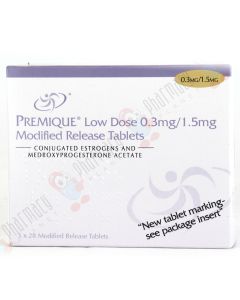
Premique is a hormonal drug. The drug is used as part of hormonal therapies ...
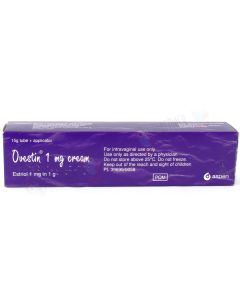
Ovestin belongs to a group of medications called hormone replacement therap ...
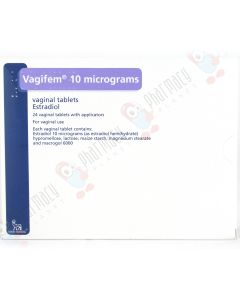
Vagifem comes in pre-filled disposable applicators. Remove the applicator f ...
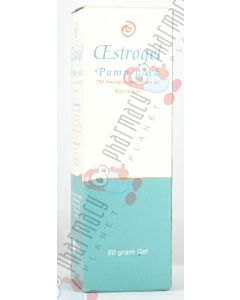
Oestrogel is indicated as hormone replacement therapy (HRT) for: - Treatmen ...
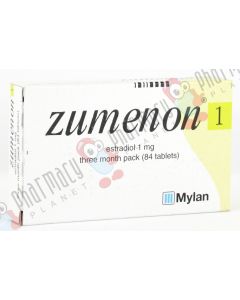
Zumenon is a hormone replacement therapy (THS) that contains the female hor ...
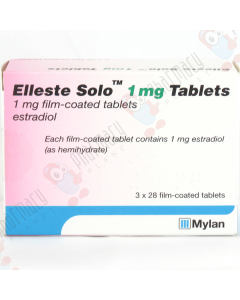
Elleste Solo is used as hormone replacement therapy (HRT) to manage symptom ...
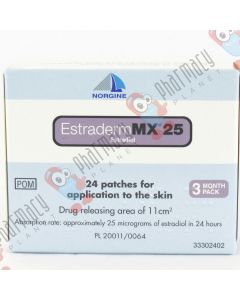
Estraderm MX is a type of Hormone Replacement Therapy (HRT). It comes in th ...
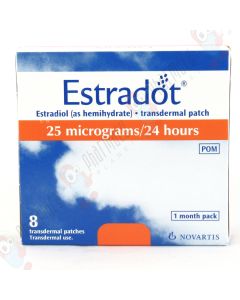
*If this medication is unavailable, our clinical team will reach out to you ...
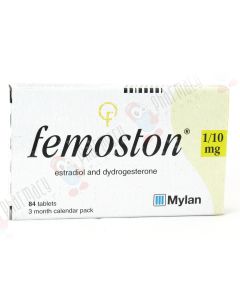
Femoston is a type of pill used in Hormone Replacement Therapy (HRT) for me ...

Premarin tablets are used as hormone replacement therapy (HRT). This medica ...
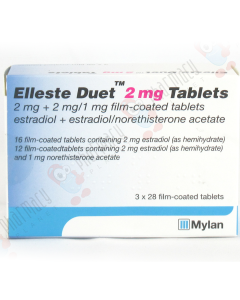
Elleste Duet is a hormonal medication for menopausal women. It contains the ...
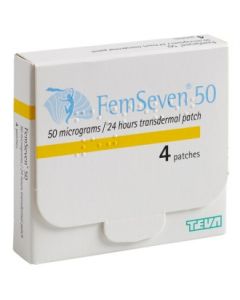
FemSeven is used as hormone replacement therapy in women who are experienci ...
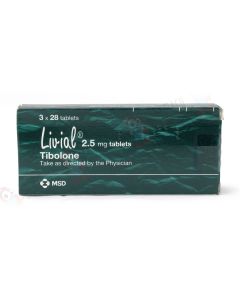
Livial is a medicine used as hormone replacement therapy (HRT). Livial tabl ...
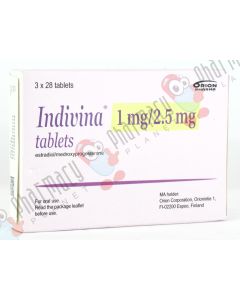
Indivina is a Hormone Replacement Therapy (HRT). It contains two types of f ...
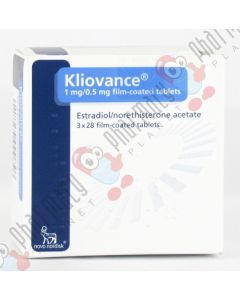
Kliovance is a pill containing an artificial version of estrogen and proges ...
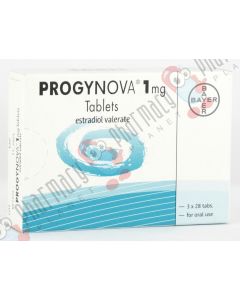
Progynova is a medication that reduces menopausal discomforts, such as hot ...
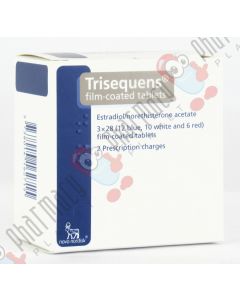
Trisequens is a hormone replacement therapy (HRT), also called hormone ther ...
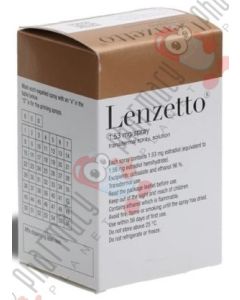
Lenzetto Spray is a solution that contains small amounts of a medicine call ...
Start your journey with us
Need Help?

Do you have a question about weight loss treatment?
Start your weight loss journey heading in the right direction. Our team are here to help. Whether you’re unsure about which medicine is right for you or need help navigating the world of weight loss drugs, our team are on hand to help you make the right decision. We can put you in touch with one of our experienced weight loss clinicians so you can be sure you’re making the best decision with the most accurate information.
To get in touch, contact our Customer Service team on 0800 978 8956 or email headoffice@pharmacyplanet.com.
Meet the team






References:

Review By
GURDEV SEHMI
Last Updated On : Mar 13 2026
BSc Pharm, MRPharmS, Independent Prescriber, Superintendent Pharmacist, Clinical Lead
GPhC Number: 2050925
Authored By
GURDEV SEHMI
Last Reviewed On : Mar 23 2026
BSc Pharm, MRPharmS, Independent Prescriber, Superintendent Pharmacist, Clinical Lead
GPhC Number: 2050925
Get a free consultation
Speak with one of our clinicians and get personalised advice.
You’re almost there!
It is the prescribers duty to ensure that the medicine is being used safely and appropriately. please answer a few questions about yourself to help us process your request.
- Manesha
Customer Service Team
Confidentiality & Authenticity Assured
- Fully Regulated UK Pharmacy
- Authentic UK sourced medicines only.
- Trading for more than 10 years.
- Information Governance lead ensures all data is confidential
Need Help With Your Questionnaire?
Our customer service team is on hand Monday-Friday to help you with your queries.
Please call us on 08009788956 or
email us at: headoffice@pharmacyplanet.com


