



Bhupinder (Boo) Dhaliwale
Femoston Tablets
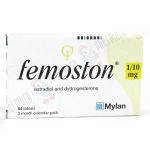
Femoston is a type of pill used in Hormone Replacement Therapy (HRT) for menopause. It is a combination treatment, containing a form of oestrogen (estradiol) and a form of progesterone (dydrogesterone). This medicine helps to relieve the discomfort many women feel during and after menopause. It also helps to prevent thinning of the bones (osteoporosis), which can cause fractures. These medications are available in different strengths – Femoston 1/10 mg and Femostin 2/10 mg. You can buy Femoston tablets online from Pharmacy Planet, and we supply only genuine medications to our customers.

Consult

Select

Checkout
01
Select
the items you wish
to order
02
Order reviewed
by our qualified
prescriber
03
Delivered
to your door step
Your Selection
Please use the options provided to make your final selection.
Femoston Tablets
£49
Total

You’re almost there!
It is the prescribers duty to ensure that the medicine is being used safely and appropriately. please answer a few questions about yourself to help us process your request.
- Manesha
Customer Service Team
Confidentiality & Authenticity Assured
- Fully Regulated UK Pharmacy
- Authentic UK sourced medicines only.
- Trading for more than 10 years.
- Information Governance lead ensures all data is confidential
Need Help With Your Questionnaire?
Our customer service team is on hand Monday-Friday to help you with your queries.
Please call us on 08009788956 or
email us at: headoffice@pharmacyplanet.com
Price Comparison
Select your preferred options and see the best price
| Pack | Price (£) | ||
|---|---|---|---|
| Conti 0.5/2.5 | - | 168 Tablets (6 Months) | 92.00 |
| Conti 0.5/2.5 | - | 84 Tablets (3 months) | 51.00 |
| 1/10 Tablets | - | 84 Tablets (3 months) | 49.00 |
| 1/10 Tablets | - | 168 Tablets (6 Months) | 88.00 |
| Conti 1/5 | - | 84 Tablets (3 months) | 51.00 |
| Conti 1/5 | - | 168 Tablets (6 Months) | 92.00 |
| 2/10 Tablets | - | 84 Tablets (3 months) | 49.00 |
| 2/10 Tablets | - | 168 Tablets (6 Months) | 88.00 |
It looks like you missed filling in questions from the last consultation.Click Here to submit your response.

No subscriptions or hidden fees

Secure checkout

UK Regulated online pharmacy

Trusted by over 250,000+ happy customers
Femoston Tablets | Sequential Combined HRT for Menopausal Symptoms
Femoston Tablets are a sequential combined hormone replacement therapy (HRT) taken orally to relieve the symptoms of the menopause. The 1/10 mg strength contains two active ingredients in a single pack: oestradiol hemihydrate, a form of the oestrogen oestradiol, and dydrogesterone, a selective progestogen that closely resembles the body's naturally produced progesterone. The tablets are taken daily in a continuous cycle, with the progestogen introduced during the second phase of each 28-day pack to protect the womb lining and produce a regular withdrawal bleed.
Femoston 1/10 occupies a specific clinical space within the HRT landscape. It delivers a low oestrogen dose paired with dydrogesterone, a progestogen with a receptor selectivity profile that distinguishes it from synthetic progestogens such as norethisterone acetate. This pairing is clinically relevant for women who are sensitive to progestogenic side effects or who have not tolerated norethisterone-based preparations in the past.
Menopause affects every woman differently, and the decision to use HRT is a personal one made in partnership with a prescriber. This page sets out factual clinical information about Femoston 1/10 to help you understand the treatment before a consultation. A registered prescriber must assess your individual circumstances before any prescription can be considered.
What Is Femoston Tablets?
Femoston 1/10 is a film-coated oral tablet supplied in a 28-day calendar pack. The pack contains two distinct tablet types arranged in sequence. The first 14 tablets are white and contain oestradiol hemihydrate 1 mg only. The remaining 14 tablets are grey and contain oestradiol hemihydrate 1 mg alongside dydrogesterone 10 mg. The sequential structure means that oestrogen is delivered throughout the full cycle, while dydrogesterone is added only in the second half, mirroring the natural hormonal rhythm of the ovarian cycle.
Dydrogesterone is the defining characteristic of the Femoston range and sets it apart from the majority of oral combined HRT tablets available in the UK. Unlike norethisterone acetate, which has androgenic activity and some glucocorticoid-like properties, dydrogesterone is a retroprogesterone with high selectivity for the progesterone receptor and minimal activity at other steroid receptors. This receptor profile is associated with a more progesterone-like effect on the endometrium and may be better tolerated by women who experience mood changes, bloating, or acne with norethisterone-based therapies.
Femoston is manufactured by Viatris UK Healthcare Ltd and is classified as a Prescription Only Medicine. It is intended for women who have a uterus, as the dydrogesterone component provides the endometrial protection required when oestrogen is used by women who have not had a hysterectomy.
How Does Femoston Tablets Work?
Femoston 1/10 works through the combined action of two distinct hormonal mechanisms operating in sequence across the 28-day cycle. Understanding each phase separately helps explain why the sequential structure matters clinically.
The Oestrogenic Phase: Days 1 to 14
During the first 14 days of each cycle, oestradiol acts alone. After absorption through the gastrointestinal tract, oestradiol travels through the portal circulation to the liver, where it undergoes first-pass metabolism before entering the systemic circulation. From there, it binds to oestrogen receptors in target tissues throughout the body.
In the hypothalamus, oestradiol stabilises the temperature control mechanism that becomes dysregulated at the menopause, reducing the frequency and severity of vasomotor symptoms such as hot flushes and night sweats. In the urogenital tissues, it restores the cellular architecture of the vaginal epithelium, supporting lubrication and reducing vulvovaginal discomfort. In bone, it acts as an inhibitor of osteoclastic activity, slowing the accelerated bone resorption that follows oestrogen withdrawal and helping to preserve bone mineral density over time.
The Combined Phase: Days 15 to 28
In the second half of the cycle, dydrogesterone is added to the continuing oestrogen dose. Dydrogesterone binds to progesterone receptors in the endometrium and initiates secretory transformation of the uterine lining, which oestrogen has been stimulating to proliferate throughout the first 14 days. This transformation prepares the endometrium for shedding, which occurs as a withdrawal bleed at or after the end of each 28-day pack.
This progestogenic action is medically essential for women with a uterus. Oestrogen taken without progestogen over an extended period stimulates continuous endometrial proliferation, which increases the risk of endometrial hyperplasia and endometrial cancer. Dydrogesterone prevents this by inducing the secretory phase and ultimately the withdrawal bleed, resetting the cycle each month.
Dydrogesterone's progesterone-receptor selectivity means it achieves robust endometrial protection without the androgenic, glucocorticoid, or mineralocorticoid receptor interactions that characterise some other progestogens. This selectivity underpins its clinical reputation as a well-tolerated progestogen with a mode of action close to that of endogenous progesterone.
How to Take Femoston Tablets
Starting Your First Pack
If you are currently menstruating, Femoston 1/10 is usually started on the first day of your period. This aligns the pack cycle with your natural hormonal rhythm from the outset. If your periods are irregular, have become very infrequent, or have stopped entirely, your prescriber will advise on an appropriate starting day based on your individual clinical picture.
Daily Tablet Routine
Take one tablet every day, following the arrows printed on the calendar blister strip. Swallow each tablet whole with a glass of water. The tablets may be taken with or without food, but choosing a consistent time each day, whether morning or evening, supports stable serum oestradiol levels and reduces the risk of missed doses. Do not skip the grey tablets or take only the white tablets: the progestogen phase is clinically essential for endometrial protection and must not be omitted.
After completing all 28 tablets, begin the next pack immediately without a gap. The withdrawal bleed typically begins during the final grey tablets of each cycle or within a few days of completing the pack. This bleed is expected and does not indicate a return of fertility.
If You Miss a Tablet
If you forget to take a tablet and remember within 12 hours of the usual time, take the missed tablet immediately and continue as normal. If more than 12 hours have passed, leave the missed tablet and continue with the next tablet in the pack. Do not take two tablets on the same day to make up for a missed dose. Missing tablets occasionally may result in breakthrough spotting or a temporary return of menopausal symptoms such as hot flushes, but is not otherwise harmful.
How Long Should You Take Femoston?
The duration of HRT treatment is an individual clinical decision made with your prescriber. NICE guidance recommends using HRT at the lowest effective dose for as long as it continues to provide benefit, subject to regular review. Most prescribers schedule a clinical review at three months after initiation, and then annually thereafter, to reassess symptom control, tolerability, and whether any changes to the dose or formulation are appropriate.
Dosage and Strengths Available
Femoston 1/10 mg
Femoston 1/10 contains oestradiol 1 mg in each tablet and dydrogesterone 10 mg in the grey combined-phase tablets. The 1 mg oestradiol dose represents a low starting point within the oral combined HRT range and is appropriate for women initiating HRT for the first time, or for those who require a gentle introduction to combined therapy.
The Femoston range also includes a 2/10 mg formulation, in which oestradiol is provided at a 2 mg dose throughout the cycle alongside the same 10 mg dydrogesterone in the second phase. A prescriber may consider the 2/10 mg formulation if the 1/10 mg strength does not provide adequate symptom control after an assessment period, typically three months. There is also a Femoston Conti preparation containing oestradiol 1 mg and dydrogesterone 5 mg in every tablet, designed for fully postmenopausal women who prefer a bleed-free continuous regimen. This page focuses on the 1/10 mg sequential formulation.
Dose Assessment and Review
Because Femoston 1/10 is a sequential combined HRT, the prescriber must assess both the oestrogenic and progestogenic effects of the preparation at each review. If vasomotor symptoms persist at 1 mg oestradiol, a dose increase may be warranted. If the progestogenic phase is associated with significant side effects, the prescriber may consider whether dydrogesterone at 10 mg remains the most appropriate choice or whether an alternative regimen would better suit the patient. Neither decision should be made without clinical input.
Side Effects and Safety Information
Commonly Reported Effects
The following side effects are reported commonly in women taking Femoston 1/10 and typically reflect the pharmacological activity of oestradiol and dydrogesterone as the body adjusts to the new hormonal environment:
- Headache or migraine, particularly in the first few weeks of treatment
- Breast tenderness or engorgement
- Nausea, abdominal bloating, or mild cramping
- Mood change, including low mood, irritability, or heightened emotional sensitivity
- Irregular or breakthrough bleeding during the first two to three cycles, before the withdrawal bleed pattern stabilises
- Fluid retention, particularly in the lower limbs
- Vaginal discharge
Most of these effects are transient. They are most pronounced in the first eight to twelve weeks as serum hormone levels find a steady state. If they persist beyond this point, speak to your prescriber, who can assess whether the dose or formulation requires adjustment.
The Dydrogesterone Difference in Side Effect Profile
Because dydrogesterone has low activity at the androgen, glucocorticoid, and mineralocorticoid receptors, side effects associated with norethisterone-based HRT such as acne, greasy skin, mood depression, and fluid retention may be less pronounced for some women taking Femoston 1/10. This is not a guaranteed outcome and varies between individuals, but it is a clinically recognised property of dydrogesterone's receptor selectivity. If you have previously stopped HRT due to progestogenic side effects, mention this specifically during your consultation, as it may influence the prescriber's choice of formulation.
Serious Side Effects Requiring Urgent Attention
The following symptoms are uncommon but indicate a potentially serious medical event. Seek immediate emergency medical care if you experience:
- Sudden chest pain, shortness of breath, or coughing up blood, which may indicate a blood clot in the lung
- Sudden pain, swelling, or redness in one leg, which may indicate a deep vein thrombosis
- Sudden severe headache, visual changes, or weakness on one side of the body, which may indicate a stroke
- Jaundice, persistent upper abdominal pain, or pale stools
- A newly discovered breast lump or change in breast appearance
- Unexplained vaginal bleeding occurring outside the expected withdrawal window
Long-Term Risk Considerations
Sequential combined HRT carries a small increase in the risk of breast cancer relative to no HRT, an effect that increases with the duration of use and diminishes after stopping. Evidence published in the Lancet (2019) by the Collaborative Group on Hormonal Factors in Breast Cancer provides the most comprehensive current data on this relationship. The venous thromboembolism risk associated with oral combined HRT, including Femoston, is higher than that of transdermal oestrogen, a distinction relevant for women with personal or family risk factors for clotting. Your prescriber will weigh these risks against the benefits of treatment based on your individual profile.
Who Can Take Femoston Tablets?
Licensed Indications
Femoston 1/10 is licensed in the UK for two clinical indications:
- Relief of symptoms of oestrogen deficiency in women experiencing natural or surgically induced menopause, or premature ovarian insufficiency, including vasomotor symptoms, urogenital atrophy, mood disturbance, and disrupted sleep
- Prevention of osteoporosis in postmenopausal women at increased risk of fracture where other licensed osteoporosis treatments are not suitable or not tolerated
Femoston 1/10 is specifically formulated for women who have a uterus. The dydrogesterone component provides the endometrial protection that women with an intact uterus require when taking oestrogen. Women who have had a hysterectomy do not need the progestogen component and would typically be prescribed an oestrogen-only preparation.
Women Who Should Not Take Femoston 1/10
A prescriber must take a full medical history before considering Femoston 1/10. It is contraindicated in women who have, or have had:
- Known, suspected, or previous breast cancer
- Known or suspected oestrogen-dependent malignant tumours, including endometrial cancer
- Undiagnosed abnormal vaginal bleeding
- Untreated endometrial hyperplasia
- Previous or current venous thromboembolic disease, including deep vein thrombosis or pulmonary embolism
- Known thrombophilic disorders such as protein C, protein S, or antithrombin deficiency
- Active or recent arterial thromboembolic disease, including myocardial infarction, angina, or stroke
- Acute liver disease or a history of liver disease where liver function tests have not returned to normal
- Known hypersensitivity to oestradiol hemihydrate, dydrogesterone, or any excipients
- Porphyria
Conditions Requiring Enhanced Clinical Vigilance
Prescribers will consider Femoston 1/10 with additional caution in women with a history of: uterine fibroids, endometriosis, hypertension, gallbladder disease, migraine with aura, systemic lupus erythematosus, a personal or close family history of breast cancer, diabetes, or a previous history of gestational cholestasis. In some of these circumstances, more frequent clinical monitoring may be recommended. A thorough and honest disclosure of your medical background during the consultation process is essential for safe prescribing.
Consultation and Prescribing Process
Femoston 1/10 is a Prescription Only Medicine, which means it can only be supplied after a clinical consultation in which a registered prescriber has assessed whether it is appropriate for you. The consultation is the primary clinical event. The prescription is a possible outcome, not a predetermined one.
At Pharmacy Planet, your consultation will ask you to provide a comprehensive account of your symptoms and how they are affecting your daily life, your full medical and gynaecological history including the age at which your periods began to change, any family history of breast cancer, cardiovascular disease, or blood clotting conditions, and details of all medicines and supplements you currently take.
Femoston 1/10's dydrogesterone component makes it a formulation often considered for women with a history of progestogen intolerance. If previous HRT or contraceptive pills containing norethisterone or levonorgestrel caused significant mood changes, weight gain, acne, or bloating, this is important information to share with your prescriber. It may directly influence whether Femoston 1/10, with its dydrogesterone content, is selected over an alternative combined HRT.
If the prescriber cannot reach a safe prescribing decision based on your online consultation alone, they will contact you for additional information or recommend a face-to-face assessment. Additional steps may include confirmation of a recent blood pressure reading, a mammogram result, or laboratory investigations where clinically indicated. A prescription is issued only where the clinical picture supports it.
If a prescription for Femoston 1/10 is issued, a review is typically scheduled at three months. At that point, the prescriber will assess whether the withdrawal bleed is occurring as expected, whether symptoms are adequately controlled, and whether any side effects have emerged. Annual reviews follow, at which the ongoing appropriateness of treatment is re-evaluated in light of your evolving clinical circumstances.
Storage and Handling
Store Femoston 1/10 tablets below 30°C. Unlike some medicines that require storage below 25°C, the SmPC for Femoston 1/10 specifies a 30°C upper limit, reflecting the relative stability of the film-coated tablet formulation. However, avoid storing tablets in locations subject to extreme heat fluctuations, direct sunlight, or prolonged warmth, such as a car glove compartment or a windowsill.
Keep the tablets in their original calendar blister pack. The sequential structure of the pack, white tablets first followed by grey tablets, is a clinical instruction as well as a packaging feature. Do not remove tablets from the blister in advance or transfer them to another container, as doing so removes the sequential guidance and increases the risk of taking the phases out of order. Disrupting the sequence, particularly skipping or delaying the grey dydrogesterone tablets, compromises endometrial protection.
Check the expiry date on the carton before starting each new pack. Do not use tablets past this date. Keep all medicines, including Femoston 1/10, out of the sight and reach of children. Return unused or expired packs to your community pharmacy for safe disposal through the medicines return scheme. Do not dispose of medicines in household waste bins or by flushing them down the sink.
Comparing HRT Products by Formulation Type
Choosing the right HRT is a clinical decision, not a one-size-fits-all choice. Delivery route, oestrogen type, progestogen class, and bleed preference all shape which preparation is most appropriate for any individual woman. The tables below group products by formulation type so that like is compared with like, helping you understand how each option differs from others in its class before you speak with a prescriber.
Oral Tablets
The table below compares commonly prescribed oral HRT tablets, grouped by regimen type. All oral preparations undergo hepatic first-pass metabolism, which is associated with a higher venous thromboembolism risk than transdermal alternatives.
| Product | Form | Oestrogen / Active | Primary Clinical Role | Progestogen Needed? |
|---|---|---|---|---|
| Elleste Duet | Tablet | Oestradiol 1mg or 2mg | 2-phase cycle with norethisterone acetate; monthly bleed | Included |
| Femoston | Tablet | Oestradiol 1mg or 2mg | 2-phase with dydrogesterone; lower androgenic profile | Included |
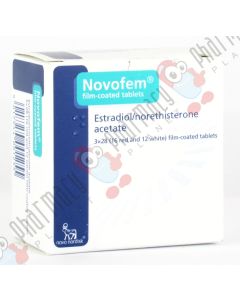
| Novofem | Tablet | Oestradiol 1mg | 2-phase; 16 red + 12 white; Novo Nordisk range | Included |
| Trisequens | Tablet | Oestradiol 2mg / 1mg | 3-phase; stepped dose pattern mirrors natural cycle | Included |
| Tridestra | Tablet | Oestradiol valerate 2mg | Long-cycle; quarterly bleed; 91-day pack | Included |
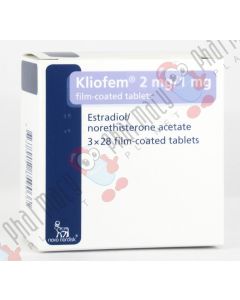
| Kliofem | Tablet | Oestradiol 2mg | Fixed daily combined; fully postmenopausal women | Included |
| Kliovance | Tablet | Oestradiol 1mg | Lower-dose counterpart to Kliofem; bleed-free | Included |
| Indivina | Tablet | Oestradiol valerate 1mg–2mg | Combined with MPA; three strengths; bleed-free | Included |
| Premique Low Dose | Tablet | CEE 0.3mg | Lowest-dose CEE combined; equine oestrogen source | Included |
| Elleste Solo | Tablet | Oestradiol 1mg or 2mg | Oestrogen-only; post-hysterectomy or flexible regimen | Separate prescription* |
| Premarin | Tablet | CEE 0.3–1.25mg | Conjugated equine oestrogens; three strengths | Separate prescription* |
| Progynova | Tablet | Oestradiol valerate 1mg or 2mg | Oestradiol valerate prodrug; independent progestogen | Separate prescription* |
| Zumenon | Tablet | Oestradiol 1mg or 2mg | Oestradiol hemihydrate; flexible progestogen pairing | Separate prescription* |
| Livial | Tablet | Tibolone 2.5mg | Single steroid; oestrogenic, progestogenic & androgenic activity | Not required |
| Veoza | Tablet | Fezolinetant 45mg | Non-hormonal NK3 receptor antagonist; vasomotor symptoms only | Not applicable |
Why Choose Pharmacy Planet?
Pharmacy Planet is registered with the General Pharmaceutical Council (GPhC) and operates under the clinical oversight of a qualified superintendent pharmacist. Our prescribers are registered healthcare professionals whose decisions are guided by clinical evidence, current NICE guidance, and the individual patient's medical history. We do not treat the prescribing process as a formality.
For Femoston 1/10 specifically, our prescribers understand that dydrogesterone-based HRT occupies a distinct clinical position within the oral combined HRT category. The formulation is particularly relevant for women who have had negative experiences with norethisterone-containing preparations, those who are sensitive to progestogenic side effects, and those for whom a progesterone-selective progestogen may offer a better tolerated hormonal environment. We take that clinical nuance seriously during the consultation.
We also recognise that the conversation around menopause is one many women have not had the opportunity to have with a healthcare professional who listens without time pressure. Our consultations are confidential, completed online at a time that suits you, and reviewed by clinically qualified prescribers. If you would like to find out whether Femoston 1/10 may be appropriate for your situation, you can begin a consultation using the link on this page.
References
- Femoston 1/10 mg Film-coated Tablets – Summary of Product Characteristics (SmPC). Viatris UK Healthcare Ltd. Available at: www.medicines.org.uk/emc. Accessed June 2025.
- NHS. Hormone replacement therapy (HRT). Available at: www.nhs.uk/conditions/hormone-replacement-therapy-hrt. Accessed June 2025.
- NICE. Menopause: diagnosis and management. NG23. Updated December 2019. Available at: www.nice.org.uk/guidance/ng23. Accessed June 2025.
- British National Formulary (BNF). Estradiol with dydrogesterone. Available at: bnf.nice.org.uk. Accessed June 2025.
- MHRA. Hormone-replacement therapy: updated advice. Drug Safety Update vol 12 issue 11, June 2019. Available at: www.gov.uk/drug-safety-update. Accessed June 2025.
- Collaborative Group on Hormonal Factors in Breast Cancer. Type and timing of menopausal hormone therapy and breast cancer risk. Lancet 2019; 394(10204):1159–1168.
- Stanczyk FZ, Hapgood JP, Winer S, Mishell DR Jr. Progestogens used in postmenopausal hormone therapy: differences in their pharmacological properties, intracellular actions, and clinical effects. Endocr Rev 2013; 34(2):171–208.
- British Menopause Society. Dydrogesterone in HRT. Available at: thebms.org.uk. Accessed June 2025.
Femoston
Femoston Tablets are a sequential combined hormone replacement therapy (HRT) taken orally to relieve the symptoms of the menopause. The 1/10 mg strength contains two active ingredients in a single pack: oestradiol hemihydrate, a form of the oestrogen oestradiol, and dydrogesterone, a selective progestogen that closely resembles the body's naturally produced progesterone. The tablets are taken daily in a continuous cycle, with the progestogen introduced during the second phase of each 28-day pack to protect the womb lining and produce a regular withdrawal bleed.
Femoston 1/10 occupies a specific clinical space within the HRT landscape. It delivers a low oestrogen dose paired with dydrogesterone, a progestogen with a receptor selectivity profile that distinguishes it from synthetic progestogens such as norethisterone acetate. This pairing is clinically relevant for women who are sensitive to progestogenic side effects or who have not tolerated norethisterone-based preparations in the past.
Menopause affects every woman differently, and the decision to use HRT is a personal one made in partnership with a prescriber. This page sets out factual clinical information about Femoston 1/10 to help you understand the treatment before a consultation. A registered prescriber must assess your individual circumstances before any prescription can be considered.
Femoston 1/10 is a film-coated oral tablet supplied in a 28-day calendar pack. The pack contains two distinct tablet types arranged in sequence. The first 14 tablets are white and contain oestradiol hemihydrate 1 mg only. The remaining 14 tablets are grey and contain oestradiol hemihydrate 1 mg alongside dydrogesterone 10 mg. The sequential structure means that oestrogen is delivered throughout the full cycle, while dydrogesterone is added only in the second half, mirroring the natural hormonal rhythm of the ovarian cycle.
Dydrogesterone is the defining characteristic of the Femoston range and sets it apart from the majority of oral combined HRT tablets available in the UK. Unlike norethisterone acetate, which has androgenic activity and some glucocorticoid-like properties, dydrogesterone is a retroprogesterone with high selectivity for the progesterone receptor and minimal activity at other steroid receptors. This receptor profile is associated with a more progesterone-like effect on the endometrium and may be better tolerated by women who experience mood changes, bloating, or acne with norethisterone-based therapies.
Femoston is manufactured by Viatris UK Healthcare Ltd and is classified as a Prescription Only Medicine. It is intended for women who have a uterus, as the dydrogesterone component provides the endometrial protection required when oestrogen is used by women who have not had a hysterectomy.
Femoston 1/10 works through the combined action of two distinct hormonal mechanisms operating in sequence across the 28-day cycle. Understanding each phase separately helps explain why the sequential structure matters clinically.
The Oestrogenic Phase: Days 1 to 14
During the first 14 days of each cycle, oestradiol acts alone. After absorption through the gastrointestinal tract, oestradiol travels through the portal circulation to the liver, where it undergoes first-pass metabolism before entering the systemic circulation. From there, it binds to oestrogen receptors in target tissues throughout the body.
In the hypothalamus, oestradiol stabilises the temperature control mechanism that becomes dysregulated at the menopause, reducing the frequency and severity of vasomotor symptoms such as hot flushes and night sweats. In the urogenital tissues, it restores the cellular architecture of the vaginal epithelium, supporting lubrication and reducing vulvovaginal discomfort. In bone, it acts as an inhibitor of osteoclastic activity, slowing the accelerated bone resorption that follows oestrogen withdrawal and helping to preserve bone mineral density over time.
The Combined Phase: Days 15 to 28
In the second half of the cycle, dydrogesterone is added to the continuing oestrogen dose. Dydrogesterone binds to progesterone receptors in the endometrium and initiates secretory transformation of the uterine lining, which oestrogen has been stimulating to proliferate throughout the first 14 days. This transformation prepares the endometrium for shedding, which occurs as a withdrawal bleed at or after the end of each 28-day pack.
This progestogenic action is medically essential for women with a uterus. Oestrogen taken without progestogen over an extended period stimulates continuous endometrial proliferation, which increases the risk of endometrial hyperplasia and endometrial cancer. Dydrogesterone prevents this by inducing the secretory phase and ultimately the withdrawal bleed, resetting the cycle each month.
Dydrogesterone's progesterone-receptor selectivity means it achieves robust endometrial protection without the androgenic, glucocorticoid, or mineralocorticoid receptor interactions that characterise some other progestogens. This selectivity underpins its clinical reputation as a well-tolerated progestogen with a mode of action close to that of endogenous progesterone.
Starting Your First Pack
If you are currently menstruating, Femoston 1/10 is usually started on the first day of your period. This aligns the pack cycle with your natural hormonal rhythm from the outset. If your periods are irregular, have become very infrequent, or have stopped entirely, your prescriber will advise on an appropriate starting day based on your individual clinical picture.
Daily Tablet Routine
Take one tablet every day, following the arrows printed on the calendar blister strip. Swallow each tablet whole with a glass of water. The tablets may be taken with or without food, but choosing a consistent time each day, whether morning or evening, supports stable serum oestradiol levels and reduces the risk of missed doses. Do not skip the grey tablets or take only the white tablets: the progestogen phase is clinically essential for endometrial protection and must not be omitted.
After completing all 28 tablets, begin the next pack immediately without a gap. The withdrawal bleed typically begins during the final grey tablets of each cycle or within a few days of completing the pack. This bleed is expected and does not indicate a return of fertility.
If You Miss a Tablet
If you forget to take a tablet and remember within 12 hours of the usual time, take the missed tablet immediately and continue as normal. If more than 12 hours have passed, leave the missed tablet and continue with the next tablet in the pack. Do not take two tablets on the same day to make up for a missed dose. Missing tablets occasionally may result in breakthrough spotting or a temporary return of menopausal symptoms such as hot flushes, but is not otherwise harmful.
How Long Should You Take Femoston?
The duration of HRT treatment is an individual clinical decision made with your prescriber. NICE guidance recommends using HRT at the lowest effective dose for as long as it continues to provide benefit, subject to regular review. Most prescribers schedule a clinical review at three months after initiation, and then annually thereafter, to reassess symptom control, tolerability, and whether any changes to the dose or formulation are appropriate.
Femoston 1/10 mg
Femoston 1/10 contains oestradiol 1 mg in each tablet and dydrogesterone 10 mg in the grey combined-phase tablets. The 1 mg oestradiol dose represents a low starting point within the oral combined HRT range and is appropriate for women initiating HRT for the first time, or for those who require a gentle introduction to combined therapy.
The Femoston range also includes a 2/10 mg formulation, in which oestradiol is provided at a 2 mg dose throughout the cycle alongside the same 10 mg dydrogesterone in the second phase. A prescriber may consider the 2/10 mg formulation if the 1/10 mg strength does not provide adequate symptom control after an assessment period, typically three months. There is also a Femoston Conti preparation containing oestradiol 1 mg and dydrogesterone 5 mg in every tablet, designed for fully postmenopausal women who prefer a bleed-free continuous regimen. This page focuses on the 1/10 mg sequential formulation.
Dose Assessment and Review
Because Femoston 1/10 is a sequential combined HRT, the prescriber must assess both the oestrogenic and progestogenic effects of the preparation at each review. If vasomotor symptoms persist at 1 mg oestradiol, a dose increase may be warranted. If the progestogenic phase is associated with significant side effects, the prescriber may consider whether dydrogesterone at 10 mg remains the most appropriate choice or whether an alternative regimen would better suit the patient. Neither decision should be made without clinical input.
Commonly Reported Effects
The following side effects are reported commonly in women taking Femoston 1/10 and typically reflect the pharmacological activity of oestradiol and dydrogesterone as the body adjusts to the new hormonal environment:
- Headache or migraine, particularly in the first few weeks of treatment
- Breast tenderness or engorgement
- Nausea, abdominal bloating, or mild cramping
- Mood change, including low mood, irritability, or heightened emotional sensitivity
- Irregular or breakthrough bleeding during the first two to three cycles, before the withdrawal bleed pattern stabilises
- Fluid retention, particularly in the lower limbs
- Vaginal discharge
Most of these effects are transient. They are most pronounced in the first eight to twelve weeks as serum hormone levels find a steady state. If they persist beyond this point, speak to your prescriber, who can assess whether the dose or formulation requires adjustment.
The Dydrogesterone Difference in Side Effect Profile
Because dydrogesterone has low activity at the androgen, glucocorticoid, and mineralocorticoid receptors, side effects associated with norethisterone-based HRT such as acne, greasy skin, mood depression, and fluid retention may be less pronounced for some women taking Femoston 1/10. This is not a guaranteed outcome and varies between individuals, but it is a clinically recognised property of dydrogesterone's receptor selectivity. If you have previously stopped HRT due to progestogenic side effects, mention this specifically during your consultation, as it may influence the prescriber's choice of formulation.
Serious Side Effects Requiring Urgent Attention
The following symptoms are uncommon but indicate a potentially serious medical event. Seek immediate emergency medical care if you experience:
- Sudden chest pain, shortness of breath, or coughing up blood, which may indicate a blood clot in the lung
- Sudden pain, swelling, or redness in one leg, which may indicate a deep vein thrombosis
- Sudden severe headache, visual changes, or weakness on one side of the body, which may indicate a stroke
- Jaundice, persistent upper abdominal pain, or pale stools
- A newly discovered breast lump or change in breast appearance
- Unexplained vaginal bleeding occurring outside the expected withdrawal window
Long-Term Risk Considerations
Sequential combined HRT carries a small increase in the risk of breast cancer relative to no HRT, an effect that increases with the duration of use and diminishes after stopping. Evidence published in the Lancet (2019) by the Collaborative Group on Hormonal Factors in Breast Cancer provides the most comprehensive current data on this relationship. The venous thromboembolism risk associated with oral combined HRT, including Femoston, is higher than that of transdermal oestrogen, a distinction relevant for women with personal or family risk factors for clotting. Your prescriber will weigh these risks against the benefits of treatment based on your individual profile.
Licensed Indications
Femoston 1/10 is licensed in the UK for two clinical indications:
- Relief of symptoms of oestrogen deficiency in women experiencing natural or surgically induced menopause, or premature ovarian insufficiency, including vasomotor symptoms, urogenital atrophy, mood disturbance, and disrupted sleep
- Prevention of osteoporosis in postmenopausal women at increased risk of fracture where other licensed osteoporosis treatments are not suitable or not tolerated
Femoston 1/10 is specifically formulated for women who have a uterus. The dydrogesterone component provides the endometrial protection that women with an intact uterus require when taking oestrogen. Women who have had a hysterectomy do not need the progestogen component and would typically be prescribed an oestrogen-only preparation.
Women Who Should Not Take Femoston 1/10
A prescriber must take a full medical history before considering Femoston 1/10. It is contraindicated in women who have, or have had:
- Known, suspected, or previous breast cancer
- Known or suspected oestrogen-dependent malignant tumours, including endometrial cancer
- Undiagnosed abnormal vaginal bleeding
- Untreated endometrial hyperplasia
- Previous or current venous thromboembolic disease, including deep vein thrombosis or pulmonary embolism
- Known thrombophilic disorders such as protein C, protein S, or antithrombin deficiency
- Active or recent arterial thromboembolic disease, including myocardial infarction, angina, or stroke
- Acute liver disease or a history of liver disease where liver function tests have not returned to normal
- Known hypersensitivity to oestradiol hemihydrate, dydrogesterone, or any excipients
- Porphyria
Conditions Requiring Enhanced Clinical Vigilance
Prescribers will consider Femoston 1/10 with additional caution in women with a history of: uterine fibroids, endometriosis, hypertension, gallbladder disease, migraine with aura, systemic lupus erythematosus, a personal or close family history of breast cancer, diabetes, or a previous history of gestational cholestasis. In some of these circumstances, more frequent clinical monitoring may be recommended. A thorough and honest disclosure of your medical background during the consultation process is essential for safe prescribing.
Femoston 1/10 is a Prescription Only Medicine, which means it can only be supplied after a clinical consultation in which a registered prescriber has assessed whether it is appropriate for you. The consultation is the primary clinical event. The prescription is a possible outcome, not a predetermined one.
At Pharmacy Planet, your consultation will ask you to provide a comprehensive account of your symptoms and how they are affecting your daily life, your full medical and gynaecological history including the age at which your periods began to change, any family history of breast cancer, cardiovascular disease, or blood clotting conditions, and details of all medicines and supplements you currently take.
Femoston 1/10's dydrogesterone component makes it a formulation often considered for women with a history of progestogen intolerance. If previous HRT or contraceptive pills containing norethisterone or levonorgestrel caused significant mood changes, weight gain, acne, or bloating, this is important information to share with your prescriber. It may directly influence whether Femoston 1/10, with its dydrogesterone content, is selected over an alternative combined HRT.
If the prescriber cannot reach a safe prescribing decision based on your online consultation alone, they will contact you for additional information or recommend a face-to-face assessment. Additional steps may include confirmation of a recent blood pressure reading, a mammogram result, or laboratory investigations where clinically indicated. A prescription is issued only where the clinical picture supports it.
If a prescription for Femoston 1/10 is issued, a review is typically scheduled at three months. At that point, the prescriber will assess whether the withdrawal bleed is occurring as expected, whether symptoms are adequately controlled, and whether any side effects have emerged. Annual reviews follow, at which the ongoing appropriateness of treatment is re-evaluated in light of your evolving clinical circumstances.
Store Femoston 1/10 tablets below 30°C. Unlike some medicines that require storage below 25°C, the SmPC for Femoston 1/10 specifies a 30°C upper limit, reflecting the relative stability of the film-coated tablet formulation. However, avoid storing tablets in locations subject to extreme heat fluctuations, direct sunlight, or prolonged warmth, such as a car glove compartment or a windowsill.
Keep the tablets in their original calendar blister pack. The sequential structure of the pack, white tablets first followed by grey tablets, is a clinical instruction as well as a packaging feature. Do not remove tablets from the blister in advance or transfer them to another container, as doing so removes the sequential guidance and increases the risk of taking the phases out of order. Disrupting the sequence, particularly skipping or delaying the grey dydrogesterone tablets, compromises endometrial protection.
Check the expiry date on the carton before starting each new pack. Do not use tablets past this date. Keep all medicines, including Femoston 1/10, out of the sight and reach of children. Return unused or expired packs to your community pharmacy for safe disposal through the medicines return scheme. Do not dispose of medicines in household waste bins or by flushing them down the sink.
Choosing the right HRT is a clinical decision, not a one-size-fits-all choice. Delivery route, oestrogen type, progestogen class, and bleed preference all shape which preparation is most appropriate for any individual woman. The tables below group products by formulation type so that like is compared with like, helping you understand how each option differs from others in its class before you speak with a prescriber.
Oral Tablets
The table below compares commonly prescribed oral HRT tablets, grouped by regimen type. All oral preparations undergo hepatic first-pass metabolism, which is associated with a higher venous thromboembolism risk than transdermal alternatives.
| Product | Form | Oestrogen / Active | Primary Clinical Role | Progestogen Needed? |
|---|---|---|---|---|
| Elleste Duet | Tablet | Oestradiol 1mg or 2mg | 2-phase cycle with norethisterone acetate; monthly bleed | Included |
| Femoston | Tablet | Oestradiol 1mg or 2mg | 2-phase with dydrogesterone; lower androgenic profile | Included |
| Novofem | Tablet | Oestradiol 1mg | 2-phase; 16 red + 12 white; Novo Nordisk range | Included |
| Trisequens | Tablet | Oestradiol 2mg / 1mg | 3-phase; stepped dose pattern mirrors natural cycle | Included |
| Tridestra | Tablet | Oestradiol valerate 2mg | Long-cycle; quarterly bleed; 91-day pack | Included |
| Kliofem | Tablet | Oestradiol 2mg | Fixed daily combined; fully postmenopausal women | Included |
| Kliovance | Tablet | Oestradiol 1mg | Lower-dose counterpart to Kliofem; bleed-free | Included |
| Indivina | Tablet | Oestradiol valerate 1mg–2mg | Combined with MPA; three strengths; bleed-free | Included |
| Premique Low Dose | Tablet | CEE 0.3mg | Lowest-dose CEE combined; equine oestrogen source | Included |
| Elleste Solo | Tablet | Oestradiol 1mg or 2mg | Oestrogen-only; post-hysterectomy or flexible regimen | Separate prescription* |
| Premarin | Tablet | CEE 0.3–1.25mg | Conjugated equine oestrogens; three strengths | Separate prescription* |
| Progynova | Tablet | Oestradiol valerate 1mg or 2mg | Oestradiol valerate prodrug; independent progestogen | Separate prescription* |
| Zumenon | Tablet | Oestradiol 1mg or 2mg | Oestradiol hemihydrate; flexible progestogen pairing | Separate prescription* |
| Livial | Tablet | Tibolone 2.5mg | Single steroid; oestrogenic, progestogenic & androgenic activity | Not required |
| Veoza | Tablet | Fezolinetant 45mg | Non-hormonal NK3 receptor antagonist; vasomotor symptoms only | Not applicable |
Pharmacy Planet is registered with the General Pharmaceutical Council (GPhC) and operates under the clinical oversight of a qualified superintendent pharmacist. Our prescribers are registered healthcare professionals whose decisions are guided by clinical evidence, current NICE guidance, and the individual patient's medical history. We do not treat the prescribing process as a formality.
For Femoston 1/10 specifically, our prescribers understand that dydrogesterone-based HRT occupies a distinct clinical position within the oral combined HRT category. The formulation is particularly relevant for women who have had negative experiences with norethisterone-containing preparations, those who are sensitive to progestogenic side effects, and those for whom a progesterone-selective progestogen may offer a better tolerated hormonal environment. We take that clinical nuance seriously during the consultation.
We also recognise that the conversation around menopause is one many women have not had the opportunity to have with a healthcare professional who listens without time pressure. Our consultations are confidential, completed online at a time that suits you, and reviewed by clinically qualified prescribers. If you would like to find out whether Femoston 1/10 may be appropriate for your situation, you can begin a consultation using the link on this page.
- Femoston 1/10 mg Film-coated Tablets – Summary of Product Characteristics (SmPC). Viatris UK Healthcare Ltd. Available at: www.medicines.org.uk/emc. Accessed June 2025.
- NHS. Hormone replacement therapy (HRT). Available at: www.nhs.uk/conditions/hormone-replacement-therapy-hrt. Accessed June 2025.
- NICE. Menopause: diagnosis and management. NG23. Updated December 2019. Available at: www.nice.org.uk/guidance/ng23. Accessed June 2025.
- British National Formulary (BNF). Estradiol with dydrogesterone. Available at: bnf.nice.org.uk. Accessed June 2025.
- MHRA. Hormone-replacement therapy: updated advice. Drug Safety Update vol 12 issue 11, June 2019. Available at: www.gov.uk/drug-safety-update. Accessed June 2025.
- Collaborative Group on Hormonal Factors in Breast Cancer. Type and timing of menopausal hormone therapy and breast cancer risk. Lancet 2019; 394(10204):1159–1168.
- Stanczyk FZ, Hapgood JP, Winer S, Mishell DR Jr. Progestogens used in postmenopausal hormone therapy: differences in their pharmacological properties, intracellular actions, and clinical effects. Endocr Rev 2013; 34(2):171–208.
- British Menopause Society. Dydrogesterone in HRT. Available at: thebms.org.uk. Accessed June 2025.
Frequently Asked Questions
Femoston 1/10 is a sequential combined HRT tablet containing oestradiol 1 mg and dydrogesterone 10 mg. It is licensed to relieve symptoms of the menopause, including hot flushes, night sweats, vaginal dryness, mood disturbance, and disrupted sleep. It is also licensed for the prevention of osteoporosis in postmenopausal women at high fracture risk where other bone-protective treatments are not suitable. It is prescribed to women who still have their uterus, as dydrogesterone protects the womb lining from the effects of oestrogen.
Dydrogesterone is a retroprogesterone, a synthetic progestogen structurally close to the body's own progesterone. Its key distinguishing feature is high selectivity for the progesterone receptor, with minimal activity at the androgen, glucocorticoid, and mineralocorticoid receptors. This receptor profile means it is less likely than norethisterone acetate to cause side effects associated with androgenic or other non-progesterone receptor activity, such as acne, greasy skin, or significant mood depression. Individual responses vary, and tolerability is best assessed after a full cycle of treatment.
Yes. Femoston 1/10 is a sequential combined HRT, meaning the dydrogesterone is introduced for 14 days in each 28-day cycle. This sequential progestogen causes secretory transformation of the endometrium followed by a withdrawal bleed, typically occurring during or shortly after the grey tablet phase. The bleed resembles a light period. This is expected, clinically intentional, and does not mean that fertility has returned. If bleeding is very heavy, prolonged, or occurring at unexpected times in the cycle, speak to your prescriber.
No. Femoston 1/10 is a combined HRT formulation containing both oestradiol and dydrogesterone. The dydrogesterone component is included to protect the uterine lining, which is only necessary in women who have not had a hysterectomy. Women who have had a hysterectomy do not need progestogen protection and are generally prescribed an oestrogen-only HRT preparation instead. Your prescriber will confirm which formulation is appropriate for your individual circumstances during the consultation.
Many women experience a reduction in vasomotor symptoms such as hot flushes and night sweats within four to eight weeks of starting Femoston 1/10. Urogenital symptoms, including vaginal dryness and discomfort, may take longer to respond, sometimes up to three months. Mood and sleep improvements often follow as vasomotor symptoms reduce. The first full withdrawal bleed may occur slightly later than expected in the initial cycle as the endometrium responds to the new hormonal pattern. If there is no improvement after three months, discuss a review with your prescriber.
No. Femoston 1/10 and Femoston Conti are different formulations within the same product family. Femoston 1/10 is a sequential combined HRT in which dydrogesterone is taken only during the second 14 days of each 28-day pack, producing a regular monthly withdrawal bleed. Femoston Conti delivers oestradiol 1 mg and dydrogesterone 5 mg in every tablet throughout the cycle with no planned bleed. Femoston Conti is designed for fully postmenopausal women, while Femoston 1/10 is more appropriate for perimenopausal women or those who prefer a regular bleed pattern.
Yes. Certain medicines can reduce the effectiveness of Femoston 1/10 by increasing the rate at which oestradiol and dydrogesterone are metabolised in the body. These include enzyme-inducing medicines such as some anticonvulsants (carbamazepine, phenytoin, phenobarbital), rifampicin, ritonavir, and the herbal preparation St John's Wort. Some antiretrovirals used in HIV treatment may also interact. Tell your prescriber about all medicines, supplements, and herbal preparations you are taking before starting Femoston 1/10, so that any relevant interactions can be identified and managed.
Sequential combined HRT is associated with a small increase in the risk of breast cancer relative to no HRT, according to current evidence including the Lancet analysis by the Collaborative Group on Hormonal Factors in Breast Cancer (2019). This risk increases with the duration of use and falls after stopping treatment. Whether dydrogesterone-based HRT carries a different breast cancer risk profile from norethisterone-based HRT is an area of ongoing research, and no definitive comparative clinical conclusion should be drawn from currently available data. Your prescriber will discuss the risk-benefit balance specific to your individual health profile.
Light breakthrough spotting during the first two to three cycles of Femoston 1/10 is common and usually settles as the endometrium adjusts to the sequential hormonal pattern. However, any of the following should be reported to your prescriber promptly: heavy or prolonged bleeding at any point during the cycle, bleeding that occurs consistently outside the expected withdrawal window, any return of bleeding after six consecutive months without bleeding if you are fully postmenopausal, or any bleeding accompanied by pain, discharge, or systemic symptoms. Unexpected vaginal bleeding warrants investigation to exclude other causes.
Yes, it is possible to switch from another HRT to Femoston 1/10, but this should always be done under prescriber guidance rather than independently. The timing of the switch, whether to start mid-cycle or at the beginning of a new pack, depends on the type of HRT you are currently taking. Switching from a norethisterone-based combined tablet, a patch-based HRT, or a transdermal gel all require different transition approaches. Switching without clinical guidance can lead to irregular bleeding, an interruption in endometrial protection, or a period of poorly controlled symptoms. Discuss your reasons for wanting to switch with your prescriber, who will plan the transition appropriately.
How it works

Complete our online
clinical consultation
clinical consultation
Answer a few questions on your health and your fitness goals.

Clinical
assessment
assessment
Our clinicians will review your clinical questionnaire to make sure treatment is right for you.
Welcome
aboard!
aboard!
Once approved, you will access our wealth of experience and resources curated by our team and begin your clinical journey.
Treatment options
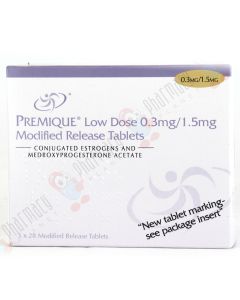
Premique is a hormonal drug. The drug is used as part of hormonal therapies ...
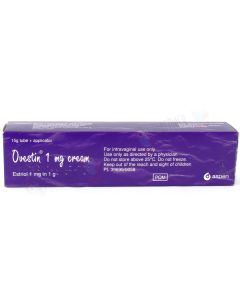
Ovestin belongs to a group of medications called hormone replacement therap ...
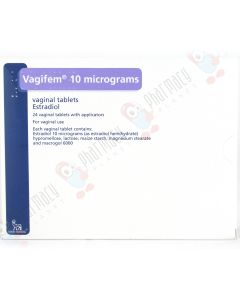
Vagifem comes in pre-filled disposable applicators. Remove the applicator f ...
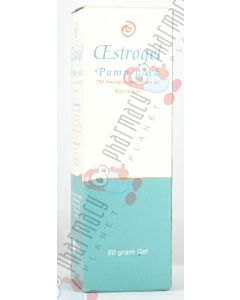
Oestrogel is indicated as hormone replacement therapy (HRT) for: - Treatmen ...
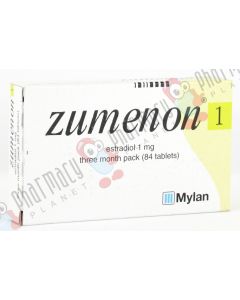
Zumenon is a hormone replacement therapy (THS) that contains the female hor ...
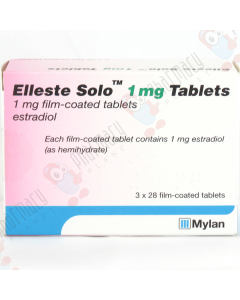
Elleste Solo is used as hormone replacement therapy (HRT) to manage symptom ...
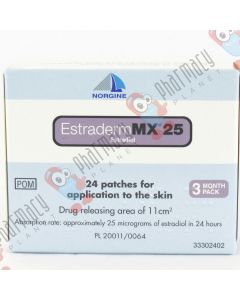
Estraderm MX is a type of Hormone Replacement Therapy (HRT). It comes in th ...
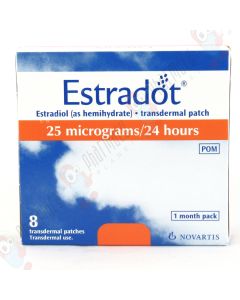
*If this medication is unavailable, our clinical team will reach out to you ...
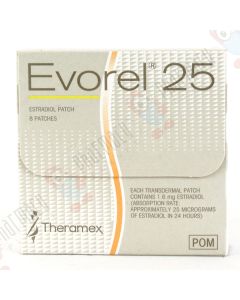
Evorel is a transdermal patch used in Hormone Replacement Therapy, to relie ...
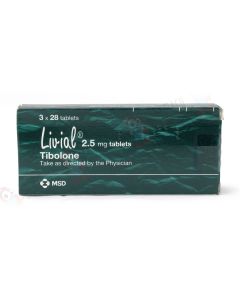
Livial is a medicine used as hormone replacement therapy (HRT). Livial tabl ...
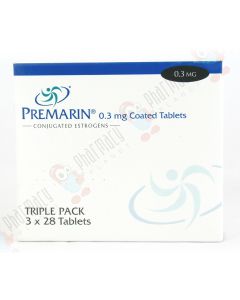
Premarin tablets are used as hormone replacement therapy (HRT). This medica ...
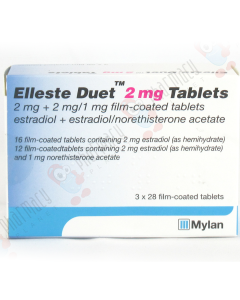
Elleste Duet is a hormonal medication for menopausal women. It contains the ...
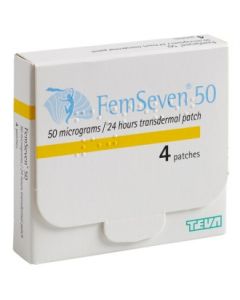
FemSeven is used as hormone replacement therapy in women who are experienci ...
Indivina is a Hormone Replacement Therapy (HRT). It contains two types of f ...
Kliovance is a pill containing an artificial version of estrogen and proges ...
Progynova is a medication that reduces menopausal discomforts, such as hot ...
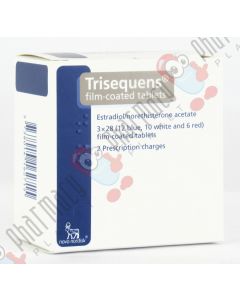
Trisequens is a hormone replacement therapy (HRT), also called hormone ther ...
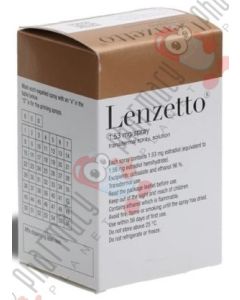
Lenzetto Spray is a solution that contains small amounts of a medicine call ...
Start your journey with us
Need Help?

Do you have a question about weight loss treatment?
Start your weight loss journey heading in the right direction. Our team are here to help. Whether you’re unsure about which medicine is right for you or need help navigating the world of weight loss drugs, our team are on hand to help you make the right decision. We can put you in touch with one of our experienced weight loss clinicians so you can be sure you’re making the best decision with the most accurate information.
To get in touch, contact our Customer Service team on 0800 978 8956 or email headoffice@pharmacyplanet.com.
Meet the team







Review By
GURDEV SEHMI
Last Updated On : Mar 13 2026
BSc Pharm, MRPharmS, Independent Prescriber, Superintendent Pharmacist, Clinical Lead
GPhC Number: 2050925
Authored By
GURDEV SEHMI
Last Reviewed On : Mar 23 2026
BSc Pharm, MRPharmS, Independent Prescriber, Superintendent Pharmacist, Clinical Lead
GPhC Number: 2050925
Get a free consultation
Speak with one of our clinicians and get personalised advice.
You’re almost there!
It is the prescribers duty to ensure that the medicine is being used safely and appropriately. please answer a few questions about yourself to help us process your request.
- Manesha
Customer Service Team
Confidentiality & Authenticity Assured
- Fully Regulated UK Pharmacy
- Authentic UK sourced medicines only.
- Trading for more than 10 years.
- Information Governance lead ensures all data is confidential
Need Help With Your Questionnaire?
Our customer service team is on hand Monday-Friday to help you with your queries.
Please call us on 08009788956 or
email us at: headoffice@pharmacyplanet.com


